15 techniques
Lenses and optics: how focal length shapes the image
Lens choice controls perspective, depth compression, and how much of the background stays sharp or falls away. Wide lenses like 14mm or 24mm exaggerate depth and distance between foreground and background, while telephoto lenses like 135mm or 200mm compress that same space and flatten it. A lens is never neutral, it always bends the relationship between subject and environment in a specific, predictable way.
Match the lens to the emotional distance and depth you need. Wide lenses suit immersive, dynamic, or distorted looks, mid-range lenses like 35mm and 50mm suit natural documentary style framing, and long lenses suit flattering portraits and dramatic compression. In AI prompts, naming a specific focal length or lens type gives the model a concrete optical signature to reproduce.
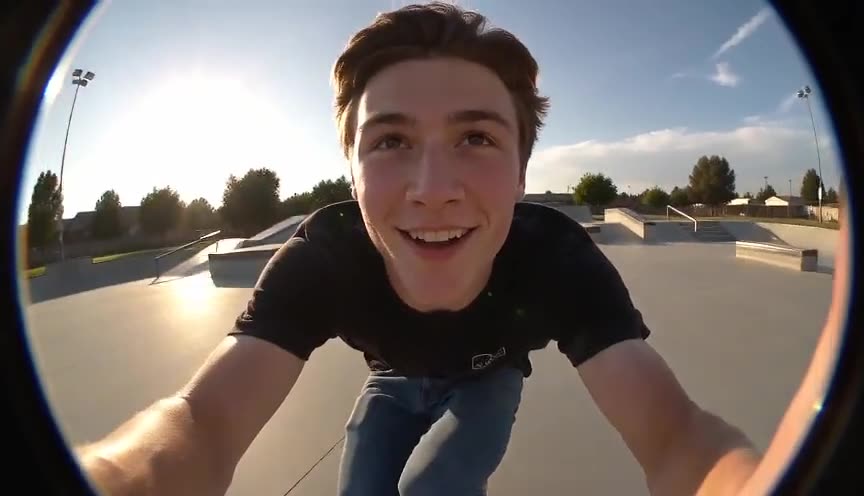
14mm ultra-wide lens
A 14mm ultra-wide lens captures a field of view of roughly 114 degrees on a full-frame sensor, stretching the space in front of the camera so objects close to the lens look larger and the gap to the background feels exaggerated. It puts the viewer physically inside a room or scene, aware of every wall and corner.

24mm wide lens
A 24mm wide lens is a wide-angle prime lens that captures roughly an 84-degree horizontal field of view on a full-frame sensor, letting more of a scene into frame without moving the camera back. It stretches perspective slightly, pulling the viewer into the space and making foreground objects feel closer and more present than they are.
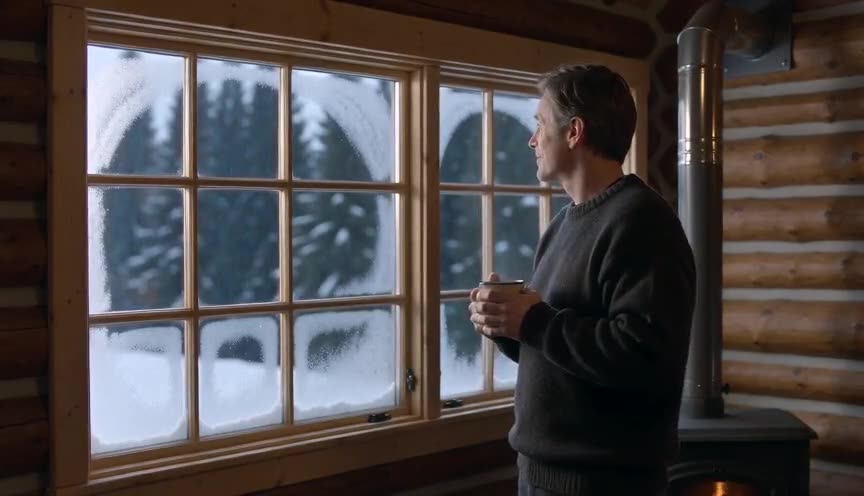
35mm lens
A 35mm lens is a moderately wide focal length that shows a natural, slightly expanded field of view without visible distortion. It lets the viewer see a subject and their surroundings in one frame, close to how the human eye reads a room or a street.
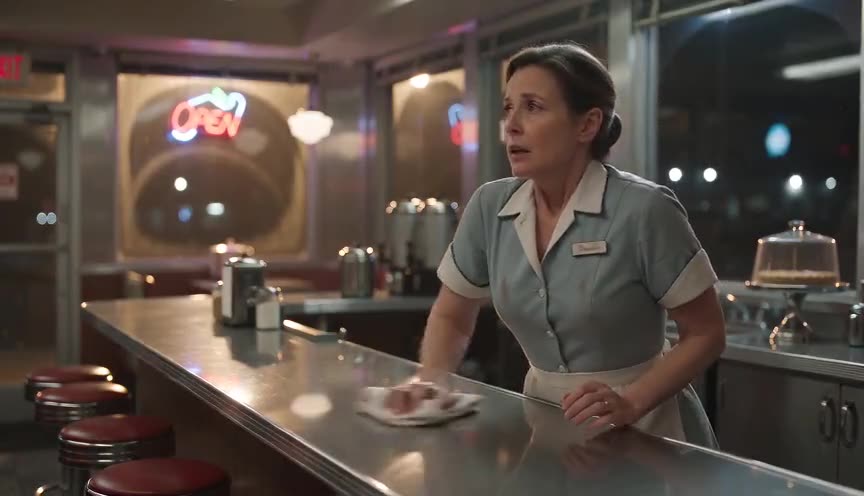
50mm lens
A 50mm lens is a normal focal length (on a full-frame sensor) that reproduces roughly the field of view and perspective the human eye perceives, with no wide-angle stretch or telephoto compression. It lets the viewer read a scene as neutral and true to life, without the lens drawing attention to itself.
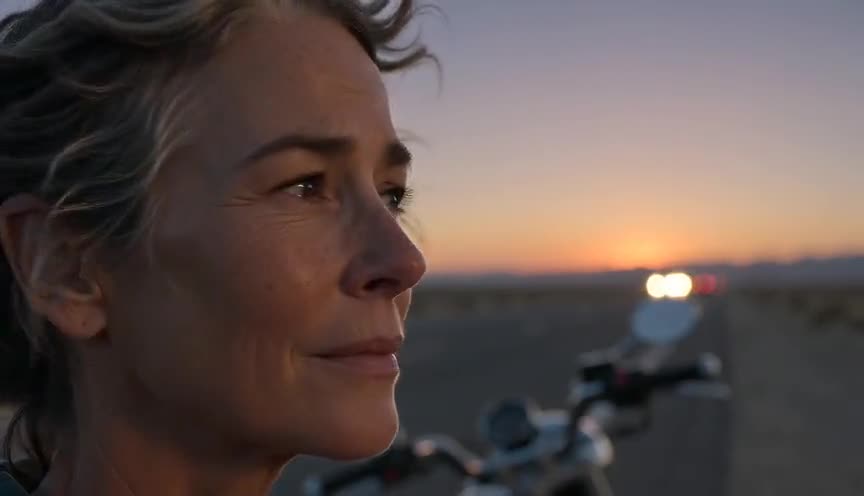
85mm portrait lens
The 85mm portrait lens is a short telephoto prime that produces a narrow angle of view and shallow depth of field at a comfortable shooting distance from the subject. It flattens facial features less than a wide lens and melts the background into soft, out-of-focus color, drawing the eye straight to the subject's face.
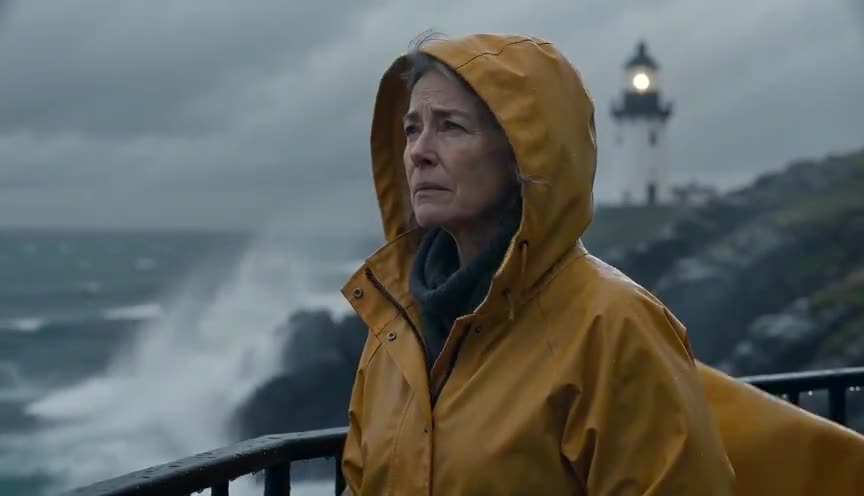
135mm telephoto lens
A 135mm telephoto lens is a narrow-angle lens, roughly 15 degrees of horizontal field of view on a full-frame sensor, that compresses depth and flattens the space between foreground and background. It isolates the subject from a cluttered environment and pulls the viewer's attention tightly onto a face or gesture, even when the camera itself sits far away.
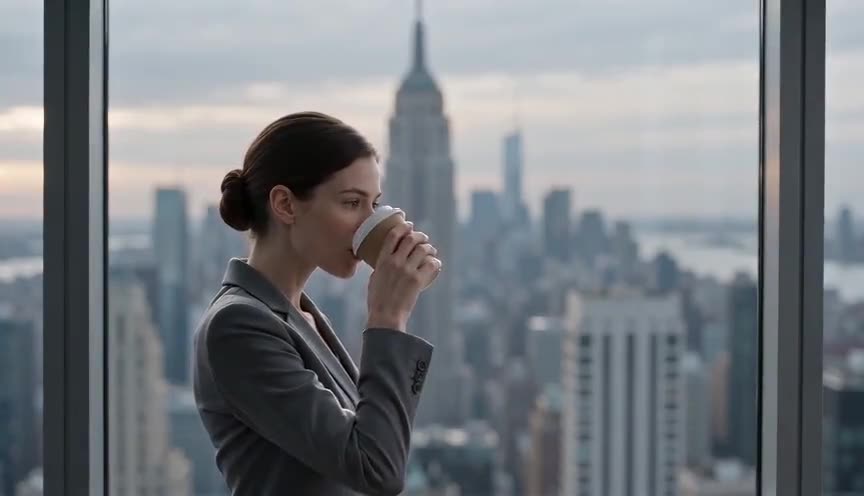
200mm long telephoto
A 200mm long telephoto lens uses a narrow angle of view and shallow depth of field to compress the distance between foreground and background, making far elements look closer to and larger than they really are next to the subject. It flattens perspective and isolates the subject from its surroundings, giving the viewer a sense of intimacy or surveillance even when the camera sits far away.
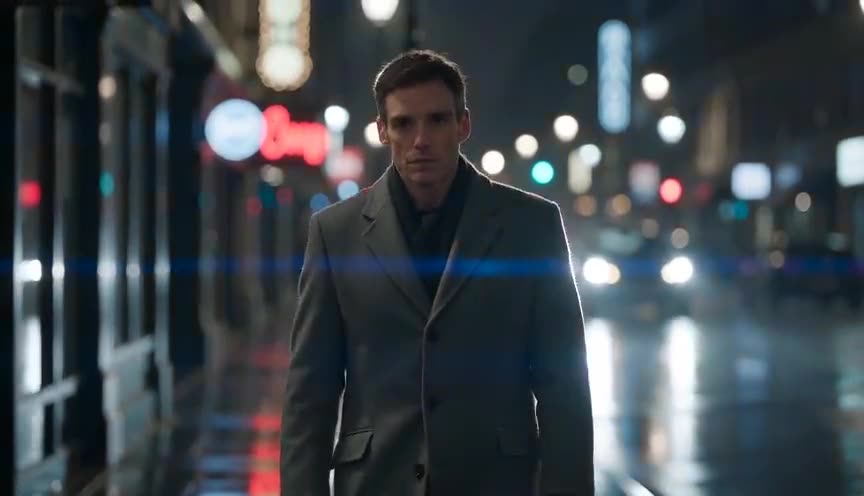
Anamorphic lens
An anamorphic lens squeezes a wide image horizontally onto standard film or sensor, then a matching desqueeze step stretches it back out, producing the wide 2.39:1 frame, oval bokeh, and horizontal streak flares associated with big-budget cinema. It gives footage a distinct optical signature, elongating out-of-focus highlights and stretching lens flares sideways, so viewers read the image as expansive and cinematic even in a static shot.
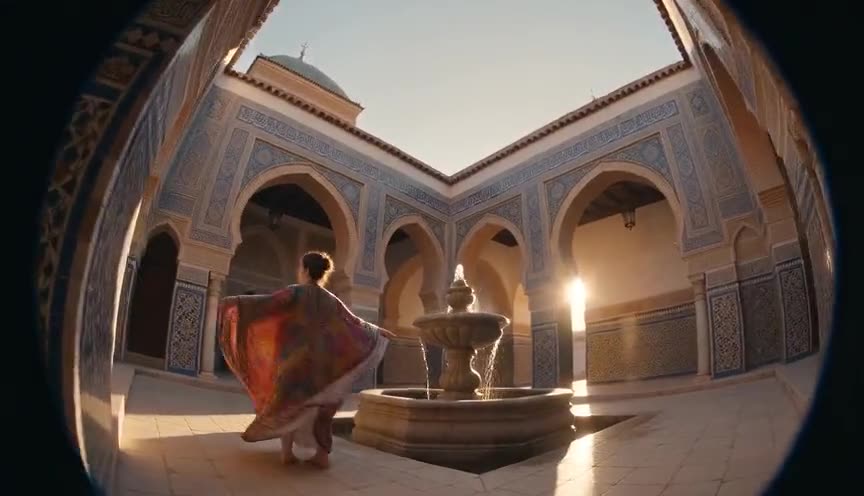
Fisheye lens
A fisheye lens is an ultra-wide optic (typically 8mm to 16mm) that bends straight lines into curves and bulges the center of the frame outward, producing a circular or heavily distorted spherical image. It disorients the viewer, turning ordinary space into something warped, claustrophobic or comic, depending on how it is used.
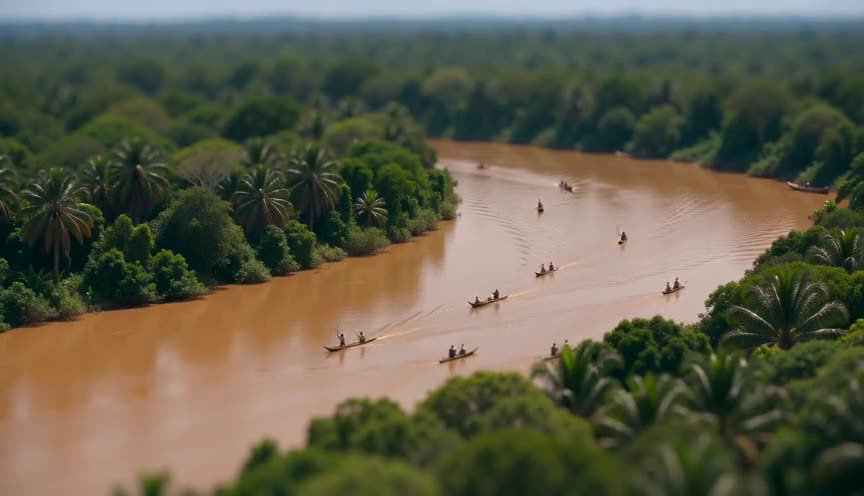
Tilt-shift lens
A tilt-shift lens is a lens whose optical elements tilt relative to the sensor plane, letting the plane of sharp focus fall at an angle instead of running parallel to the frame. The result is a narrow band of crisp detail surrounded by heavy blur, which tricks the eye into reading a full-size scene as a tiny miniature model.
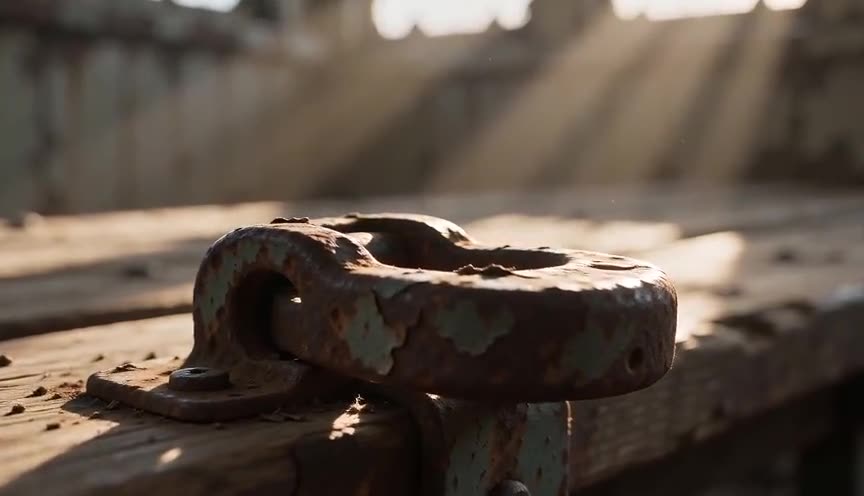
Macro lens
A macro lens is a lens built to focus at very short distances and reproduce a subject at life-size (1:1) magnification or greater on the sensor. It turns small, ordinary details into abstract, tactile compositions that the naked eye would normally pass right over.
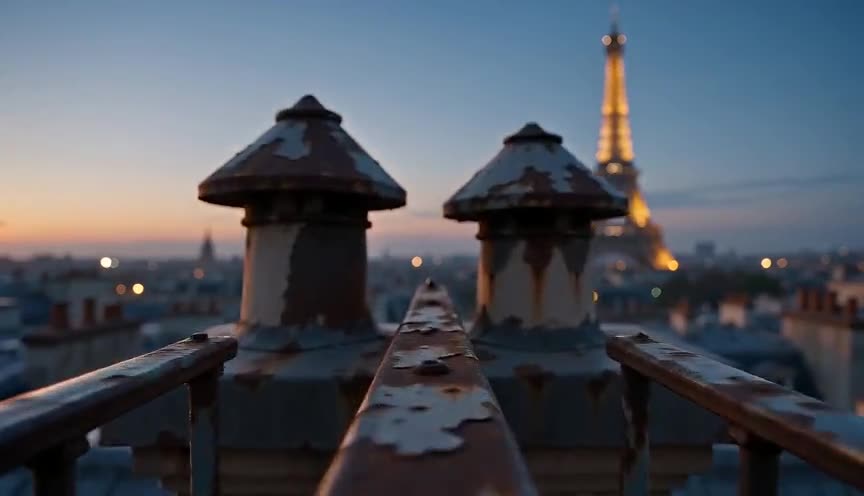
Probe lens
A probe lens is a long, narrow lens with a tiny front element mounted at the end of a thin barrel, letting the camera get extremely close to a subject while keeping both that subject and the background in deep focus. It gives the viewer a voyeuristic, almost microscopic point of view, pulling them into spaces a normal lens could never physically reach.

Split diopter
A split diopter is a half-lens attachment fitted over part of the main lens that keeps a very close foreground subject and a distant background subject both in sharp focus in the same shot. It lets the viewer read two actions or two faces at once, without a cut or a rack focus.
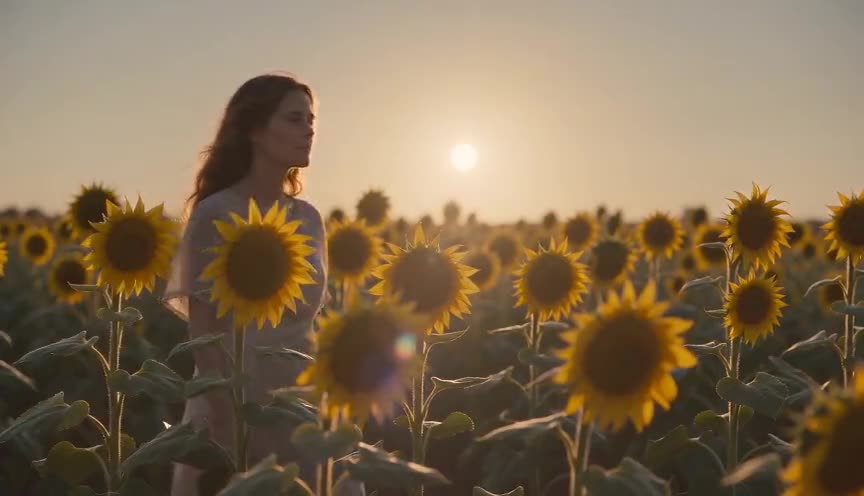
Vintage cine lens
A vintage cine lens is an older lens design (or a modern lens built to imitate one) that renders images with lower contrast, softer corners, warm color rendition and imperfect bokeh instead of clinical modern sharpness. It makes footage feel handmade and lived in, pulling the viewer toward memory and warmth rather than documentary precision.

Telephoto compression
Telephoto compression is the optical effect produced by shooting with a long focal length lens from a distant camera position, which flattens depth and makes background objects appear closer to, and larger relative to, the subject than they really are. It reads to the viewer as claustrophobia, intimacy, or an unreal density of space.
Frequently asked questions
What does focal length actually change in an image?
Focal length changes the field of view and how compressed or expanded depth appears. Wide focal lengths show more of a scene and stretch distance, while long focal lengths show less of a scene and compress distance between subject and background.
Why do anamorphic lenses look different from spherical lenses?
Anamorphic lenses squeeze the image horizontally during capture, producing oval bokeh, horizontal flares, and a wider aspect ratio when unsqueezed. This gives footage a distinct, often cinematic character that spherical lenses do not naturally produce.
What lens should I specify for a natural, documentary feel?
A 35mm or 50mm lens is closest to natural human perspective and produces minimal distortion or compression, which is why documentary and observational filmmaking relies on these focal lengths most often for a grounded, unforced look.