Cutaway
Also calledCutaway shot, B-roll cut
A cutaway is a brief shot that interrupts the main action to show something else in the scene, then returns to the original shot. It gives the editor a way to compress time, add information, or redirect attention without breaking the illusion of continuous action.
What it tells
Directors reach for the cutaway to control pacing and meaning without a single word of dialogue. It can plant a detail the audience will need later, hide an awkward jump in performance, or widen a moment by showing what a bystander notices. Used well, it feels invisible: the story simply breathes for half a second before snapping back to the main thread.
How it is shot
The editor cuts from the master shot to a short insert, usually 1 to 3 seconds, of an object, a detail, or a secondary action happening in the same space and time. It is filmed either during the main take with a second camera, or picked up separately (an object on a table, a hand, a clock, a bystander) with matching light and lens character so the cut feels native to the scene. Continuity of light direction, color temperature, and rough framing scale matters more than exact matching, since the cutaway is not meant to match action, only context. Sound often bridges the cut (a J-cut) so the audio never signals the interruption.
When to use it
- You need to hide a continuity mismatch or a weak moment in the main performance
- A detail in the environment carries information the audience needs before the scene continues
- You want to compress dead time, like waiting or repetitive work, without a jump cut
- A bystander's glance or reaction adds tension without dialogue
Not to be confused with
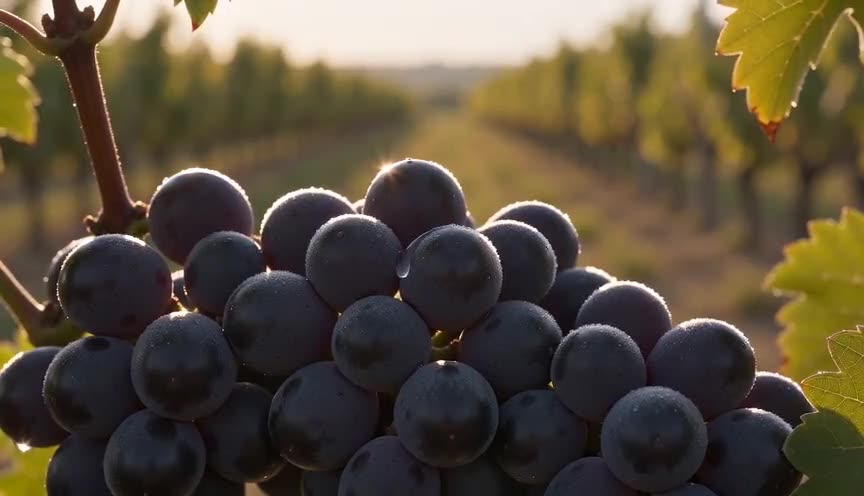
An insert shot is a close detail of something inside the same action, often the same instant, used to clarify (a hand turning a key). A cutaway leaves the main action briefly to show something adjacent or parallel, then returns.
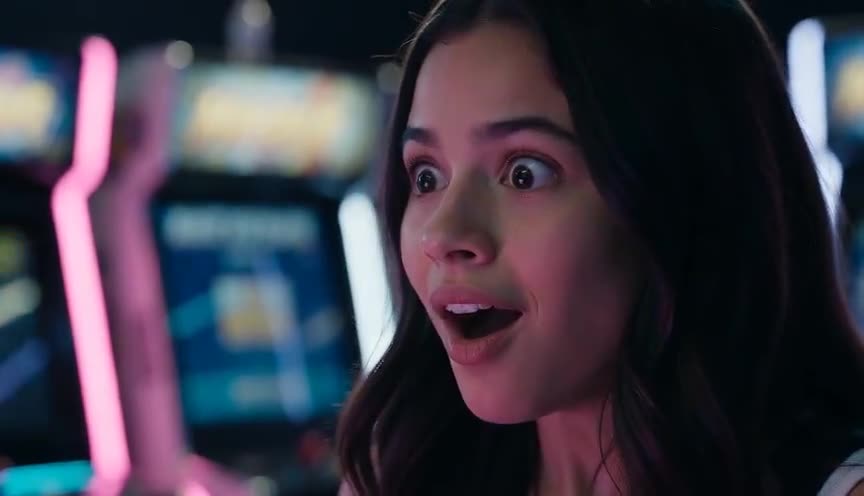
A reaction shot is a specific cutaway to a face responding to what just happened. Cutaway is the broader tool; reaction shot is one common use of it, focused on emotion rather than information.
In film
Jaws (1975)
Cuts away from the crowded beach to Brody, swimmers, and small details, building suspense before the Kintner attack disrupts the scene.
Psycho (1960)
The shower murder cuts away to the showerhead, drain, and Marion’s staring eye, compressing violence while redirecting attention within the scene.
The prompt
Name both shots explicitly and describe the cut point in physical terms: what the first shot shows, what triggers the cutaway, what the second shot shows, and how quickly it returns. Keep the cutaway shot short (1 to 2 seconds of the 4) and give it a clear reason to exist (a hand, a tool, a detail) rather than a random insert. Avoid vague words like 'quick cut' alone; specify framing size and subject for each shot so the model does not blend them into one continuous move.
The exact prompt that rendered the video on this page. Keep the description of the move, change the subject and the setting.
Cutaway: a medium shot inside a sunlit pottery workshop shows a woman in her fifties centering wet clay on a spinning wheel, her hands steady, wheel humming. After two seconds the shot cuts sharply to a close-up cutaway of a wooden rib tool resting on a nearby table, dusted with dry clay, completely still. After one second it cuts back to the same medium shot of her hands still shaping the clay, wheel still turning, uninterrupted. No text.
Common mistakes
No reason for the cut
A cutaway to something with no connection to the scene reads as filler or confuses the audience about why the story left the main action.
Mismatched light or lens
If the cutaway shot has a different color temperature, contrast, or lens character than the master shot, the seam becomes visible and breaks immersion.
Holding it too long
A cutaway that lingers past its information value stalls momentum; most work in 1 to 3 seconds and return before the audience questions the absence.
Frequently asked questions
What is a cutaway?
A cutaway is a short shot that interrupts the main action to show something else nearby, then cuts back to the original shot. It is used to add information, compress time, or hide a rough edit.
How long should a cutaway shot be?
Most cutaways run 1 to 3 seconds, long enough to register the detail but short enough not to feel like a scene change. Documentary and comedy edits sometimes push shorter, dramatic ones slightly longer.
What is the difference between a cutaway and a jump cut?
A cutaway leaves the frame entirely to show something else before returning, staying invisible if done well. A jump cut stays on the same subject but skips time, and is meant to be felt as a break.
Can AI video tools generate a convincing cutaway?
Yes, on a platform like Imaginode you describe both shots and the exact cut point in one prompt: what the first shot shows, what triggers the cutaway, and how it returns, since the model renders the sequence as written.