Vintage cine lens
Also calledvintage glass, old cine lens look, period lens look
A vintage cine lens is an older lens design (or a modern lens built to imitate one) that renders images with lower contrast, softer corners, warm color rendition and imperfect bokeh instead of clinical modern sharpness. It makes footage feel handmade and lived in, pulling the viewer toward memory and warmth rather than documentary precision.
What it tells
Filmmakers reach for vintage glass when they want a scene to feel remembered rather than reported. The softness at the edges, the gentle glow around highlights and the imperfect color make a moment read as intimate, nostalgic or fragile, in contrast to the flat, over-corrected clarity of modern optics. It is a quiet way to tell the audience: this is a memory, this is romance, this is a story with age on it.
How it is shot
Vintage cine sets from the 1960s to 1980s (Cooke Speed Panchros, Bausch and Lomb Baltars, Lomo, Kowa Prominar) use single-coated or uncoated elements that scatter light, lowering contrast and producing corner softness at wide apertures like f/1.4 to f/2.8. Spherical aberration creates a soft glow (halation) around bright highlights, and the older focus cam often gives swirly or oval bokeh rather than clean circles. Old lens coatings shift color toward amber or green. Rehoused PL-mount versions are common on modern cinema cameras, and cinematographers sometimes add a diffusion filter (Black Pro-Mist) or a warm color grade on top to push the effect further without relying on the original glass alone.
When to use it
- Shooting a period piece where clinical modern sharpness would break the sense of time
- Filming a flashback or memory sequence that needs to feel softer and warmer than the present
- Building a romantic or nostalgic mood in a scene without changing the story or blocking
- Softening digital footage that reads as too clean, flat or sterile for the tone you want
Not to be confused with
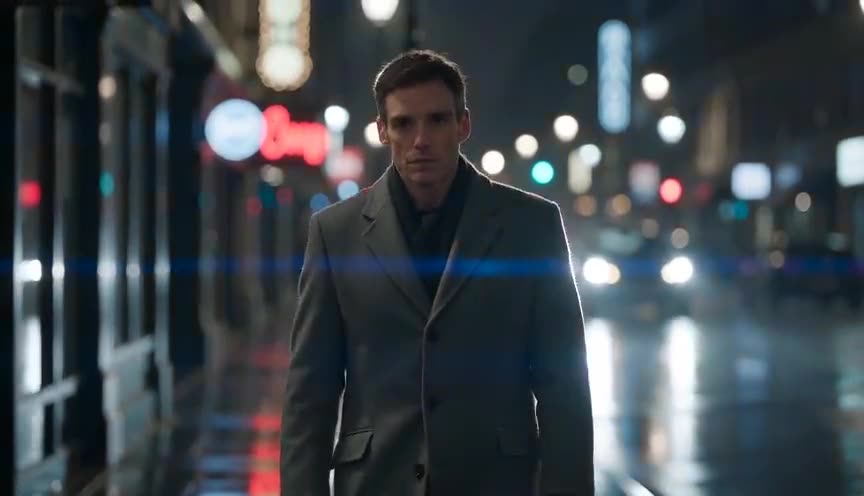
Anamorphic lenses squeeze the image horizontally, giving oval bokeh and horizontal flares tied to the optical format itself. Vintage cine lenses are spherical and get their character from age and coating, not from squeeze, so the two effects can overlap but come from different optics.
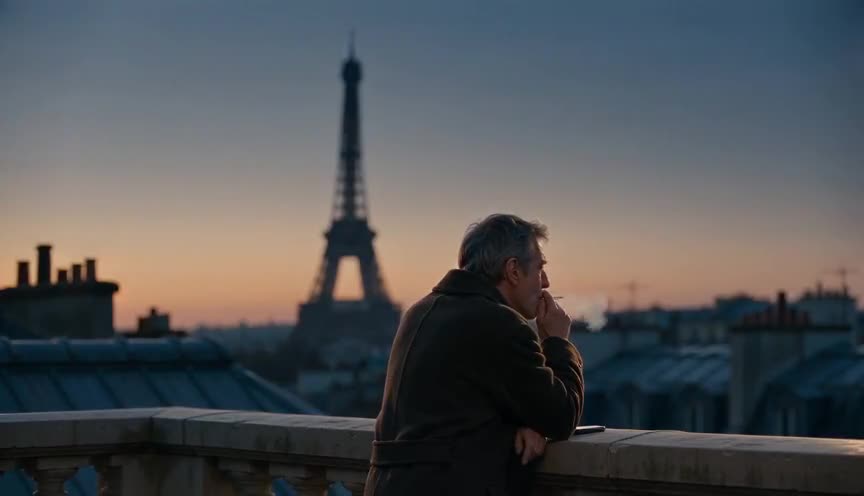
Film grain is a texture added to the whole frame, from stock or a digital filter, independent of the lens. Vintage lens character lives in the glass itself, in focus falloff, color and bokeh shape, and the two are often combined but solve different problems.
In film
Joker (2019)
Shot on ARRI Alexa 65 with ARRI Prime DNA lenses, whose vintage elements and detuning gave Gotham a softer, less clinical late 1970s texture.
Once Upon a Time in Hollywood (2019)
Cinematographer Robert Richardson used vintage Panavision glass to root the 1969 Los Angeles setting in an authentic period look.
The prompt
Name the lens character directly: soft focus falloff at the edges, warm color cast, swirly or oval bokeh, gentle glow around highlights, lower contrast. Mention an era if it helps ('1970s cine lens') and pair it with warm or golden light for a stronger result. Avoid words like crisp, ultra sharp or clinical, which push the model toward the opposite, modern digital look.
The exact prompt that rendered the video on this page. Keep the description of the move, change the subject and the setting.
Vintage cine lens look, a woman in her thirties walking slowly through a sunflower field at golden hour, camera static on a low tripod at waist height. The lens renders soft focus falloff at the frame edges, a warm amber color cast, low contrast and gentle glow bleeding from the bright sky into the flowers. Backlit sunflowers create swirly, slightly oval bokeh in the foreground as she moves past them, and a soft flare blooms briefly as she crosses in front of the sun. The image stays gently soft overall, never sharp or clinical. No text.
Common mistakes
Mistaking grade for glass
A warm color grade or a grain overlay alone will not reproduce swirly bokeh or edge softness. Those come from the optics, so relying only on color correction gives a flat imitation of the real effect.
Overdoing the softness
Pushing the effect until faces lose detail or the frame looks foggy reads as a mistake, not a style choice. Keep enough sharpness in the center of the frame so the subject stays readable.
Mismatched lighting
Vintage glass character shows most under strong, warm or backlit light. Using it under flat, neutral studio light hides the effect and wastes the choice entirely.
Frequently asked questions
What is a vintage cine lens?
It is an older cinema lens design, or a modern lens built to copy one, known for lower contrast, soft edges, warm color rendition and imperfect, often swirly bokeh compared to modern corrected glass.
Why do vintage lenses look warmer?
Older lens coatings from the 1960s and 1970s were less color neutral than modern multi-coatings, so they tend to shift the image toward amber or green, which reads on screen as a warm, aged color cast.
Can I get a vintage lens look without owning old glass?
Yes, many cinematographers rent rehoused vintage sets, or use modern lenses with diffusion filters and a warm grade. For AI generated video, describing the lens character in words (soft edges, warm cast, swirly bokeh) on a platform like Imaginode gets you close without any physical lens at all.
What is the difference between a vintage lens and an anamorphic lens?
A vintage lens is defined by its age and coating, giving softness and warmth regardless of shape. An anamorphic lens is defined by its horizontal squeeze, giving oval bokeh and horizontal flares, and can itself be vintage or modern.