Dolly out
Also calledDolly back, Pull back, Dolly away
A dolly out is a camera movement where the camera physically moves backward, away from the subject, while the lens stays at a fixed focal length. It widens the frame in real time, revealing more of the space around the subject and often shrinking them within it.
What it tells
Directors reach for a dolly out to create distance, literal and emotional. It can release tension after a tight scene, expose isolation by shrinking a person into a larger space, or end a sequence with a sense of closure and departure. Because the perspective shift happens gradually and naturally (unlike a zoom), it reads as the audience physically stepping back, which makes revelations feel earned rather than announced.
How it is shot
The camera sits on a dolly, wheeled cart, or slider running on tracks, rails, or a smooth studio floor, and it is pushed or motor-driven straight back from the subject at a steady speed, typically 1 to 3 feet per second for a controlled reveal. The lens and focal length stay fixed throughout, so perspective and depth relationships change naturally as the camera retreats, unlike a zoom which fakes distance optically. A focus puller often rides the pull to keep the subject sharp as distance increases. Track length and speed are planned against the shot's runtime so the reveal lands exactly on cue, sometimes timed to a line, a gesture, or a music beat.
When to use it
- Ending a scene by pulling away from a character to signal closure or departure
- Revealing a wider environment gradually to recontextualize a previously tight shot
- Isolating a subject by shrinking them into a larger, often empty space
- Softening intensity after a confrontation by giving the audience room to breathe
Not to be confused with
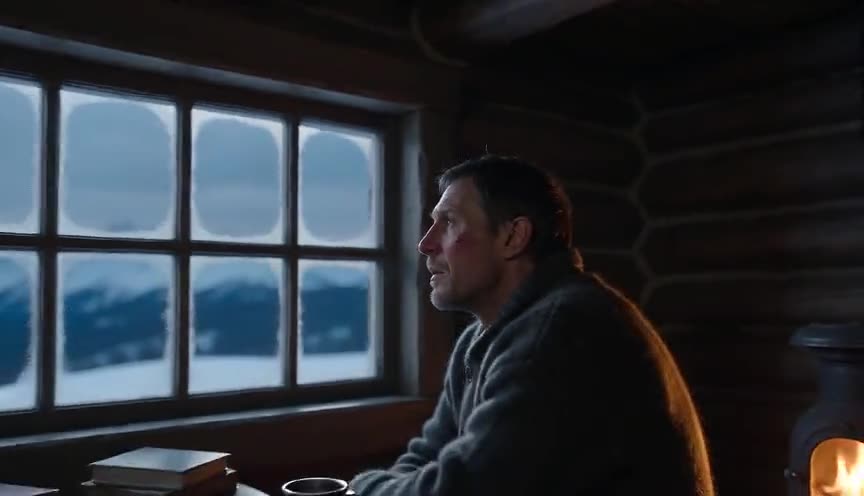
A zoom out changes focal length only, compressing space unnaturally and flattening depth, while a dolly out physically moves the camera, preserving natural perspective and parallax as it retreats.
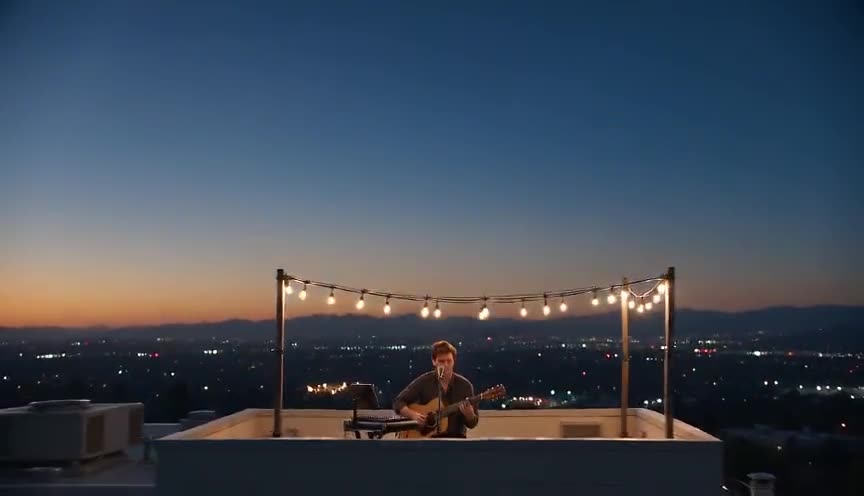
An aerial pullback rises and retreats via drone or crane, revealing scale from above, while a dolly out stays grounded and level, retreating along the same horizontal plane as the subject.
In film
A Clockwork Orange (1971)
The opening shot dollies back from Alex's stare to reveal the Korova Milk Bar, turning a confrontational close-up into a disturbing social tableau.
Frenzy (1972)
As Rusk takes Babs upstairs, the camera tracks backward down the stairs and into the street, widening the scene while withholding the murder.
The prompt
Name the movement explicitly as a dolly out or camera pulling back, and specify that the lens stays fixed so the model does not render a zoom instead. Describe what enters the frame as the camera retreats (walls, horizon, other people) since that reveal is the entire point of the shot. Keep the subject centered or steady in early frames so the widening reads clearly, and avoid words like zoom, telephoto, or crop that push the model toward an optical zoom instead of physical camera travel.
The exact prompt that rendered the video on this page. Keep the description of the move, change the subject and the setting.
Dolly out: the camera is mounted on a track and moves straight backward at a steady pace, away from a weathered lighthouse keeper standing at the base of a tall white lighthouse on a rocky, storm-lashed coast. The lens stays fixed at a normal focal length with no zoom. Rain lashes sideways, waves crash against black rocks, and as the camera retreats, the full height of the lighthouse and the churning gray sea around it gradually enter the frame, shrinking the keeper within the widening shot. No text.
Common mistakes
Zooming instead of dollying
Using a zoom to fake this shot flattens depth and creates an unnatural, telltale compression instead of the real perspective shift a physical pull creates.
Uneven track or floor
Bumps or jerks in the dolly path show up as visible wobble in the final shot, breaking the smooth, deliberate feel the movement depends on.
Losing focus on the pull
Without a focus puller adjusting for increasing distance, the subject drifts soft partway through the move, undermining the reveal.
Frequently asked questions
What is a dolly out?
A dolly out is a shot where the camera moves physically backward, away from the subject, widening the frame and revealing more surrounding space while the lens's focal length stays constant.
What is the difference between a dolly out and a zoom out?
A dolly out physically moves the camera, preserving natural depth and perspective. A zoom out only changes focal length, which compresses space and can feel artificial by comparison.
What equipment do I need to shoot a dolly out?
You need a dolly, wheeled cart, or slider on tracks or a smooth floor, a steady push or motorized rig, and ideally a focus puller to keep the subject sharp as the distance to camera increases.
Can AI video tools generate a convincing dolly out?
Yes, on platforms like Imaginode you can prompt a dolly out by describing the camera moving backward at a fixed focal length and naming what should enter the frame as it retreats, which helps the model avoid rendering a zoom instead.