43 techniques
Camera movement: every move explained with video
Camera movement controls how the audience feels the space around a subject and how much energy a shot carries. A push in builds intimacy, a pull back releases tension, a pan follows action across the frame, and a whip pan slams a hard cut of energy between two moments. Every move you choose tells the viewer where to look and how fast to feel it, long before a single word of dialogue lands.
Choosing between them starts with the story beat, not the gear. Ask what changes for the character in this moment: closeness, distance, discovery, chaos. A slow dolly in suits quiet revelation, a crash zoom suits shock, a Steadicam follow suits momentum through a space. In AI video prompts, name the movement precisely, since vague terms like camera moves give the model nothing to commit to.
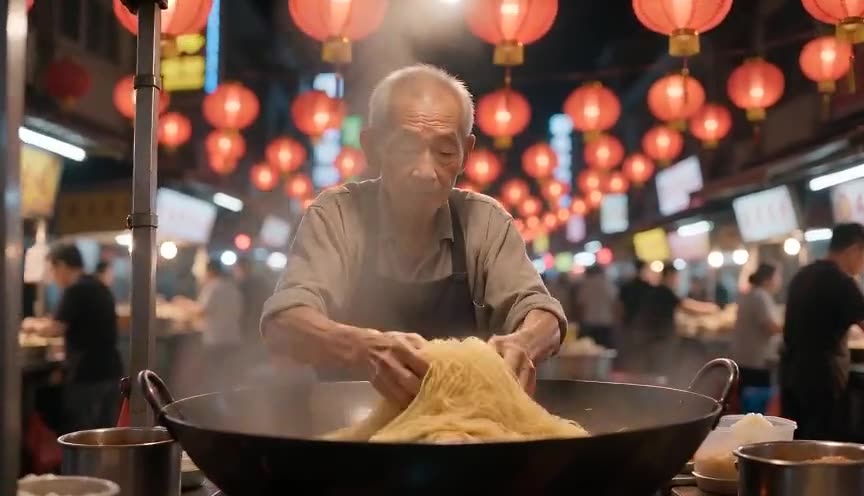
Slow zoom in
A slow zoom in is a continuous, gradual increase in focal length that pushes the frame in on a subject without moving the camera, magnifying detail over several seconds. It tightens the viewer's attention and builds tension or intimacy by shrinking the world around the subject.
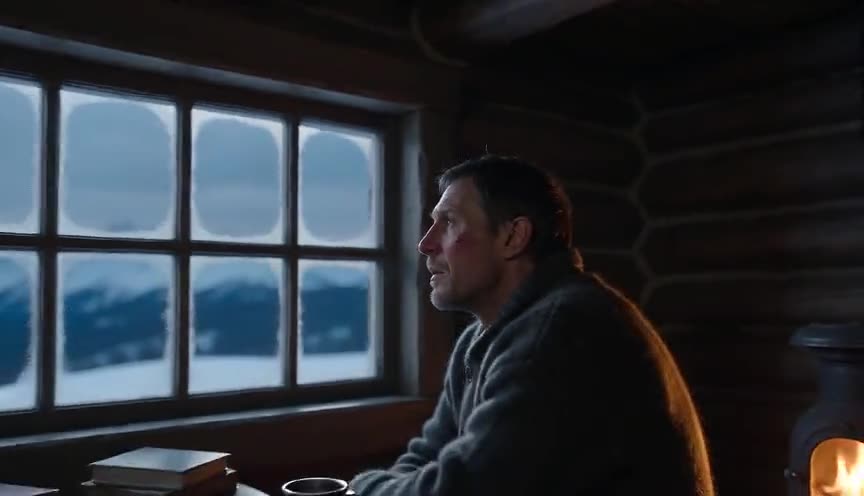
Slow zoom out
A slow zoom out is a shot in which the camera stays fixed in place while the lens gradually widens its field of view, moving from a tight framing to a wider one over several seconds. It pulls the viewer's attention outward, replacing intimacy with context and often revealing scale, distance, or isolation the tighter frame concealed.
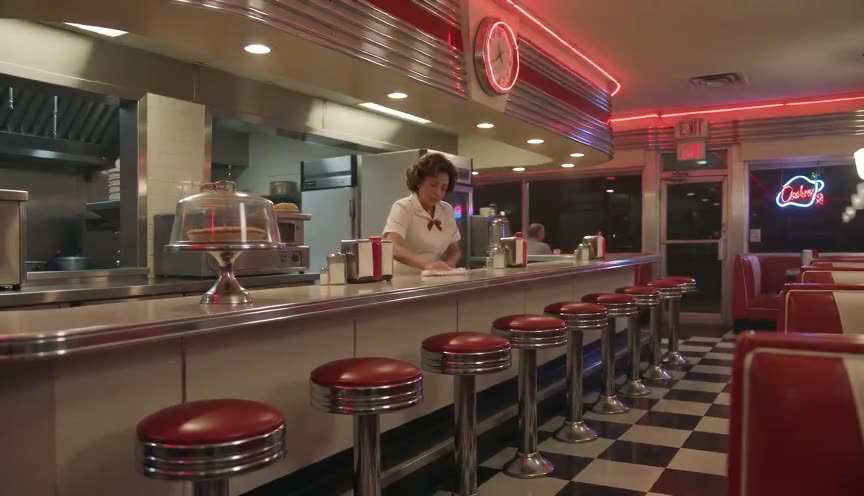
Crash zoom
A crash zoom is an extremely fast zoom, executed in under a second, that snaps from a wide or medium framing to a tight close-up, or the reverse. It jolts the viewer's attention onto a detail with a jarring, almost violent suddenness that a slow zoom or a cut cannot replicate.
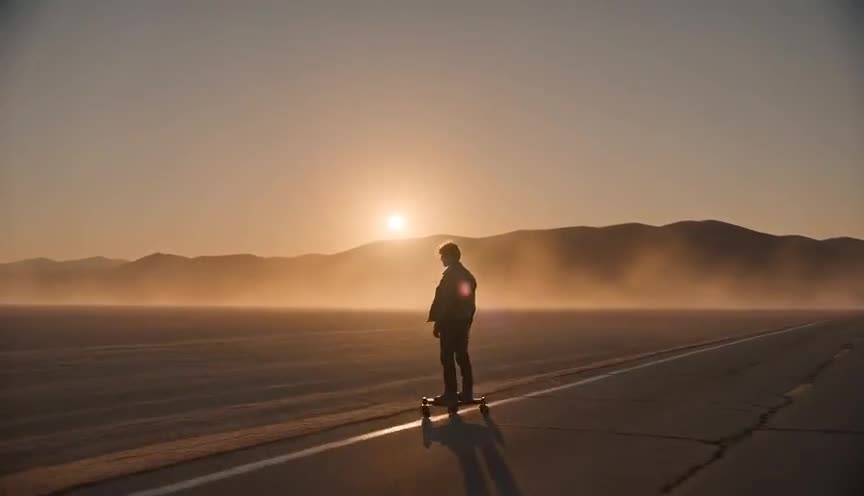
Dolly in
A dolly in is a camera movement in which the camera itself moves toward the subject on a wheeled platform or track, rather than the lens zooming. It gradually tightens the frame while keeping perspective and depth natural, drawing the viewer's attention and raising emotional intensity.
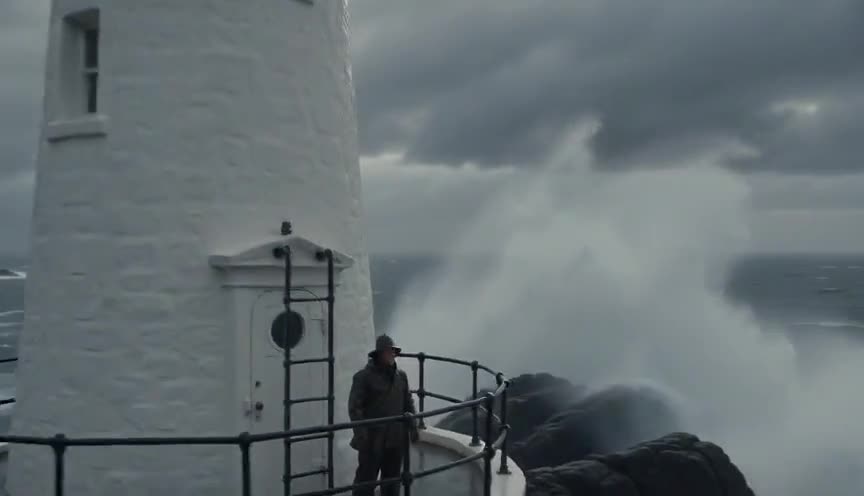
Dolly out
A dolly out is a camera movement where the camera physically moves backward, away from the subject, while the lens stays at a fixed focal length. It widens the frame in real time, revealing more of the space around the subject and often shrinking them within it.
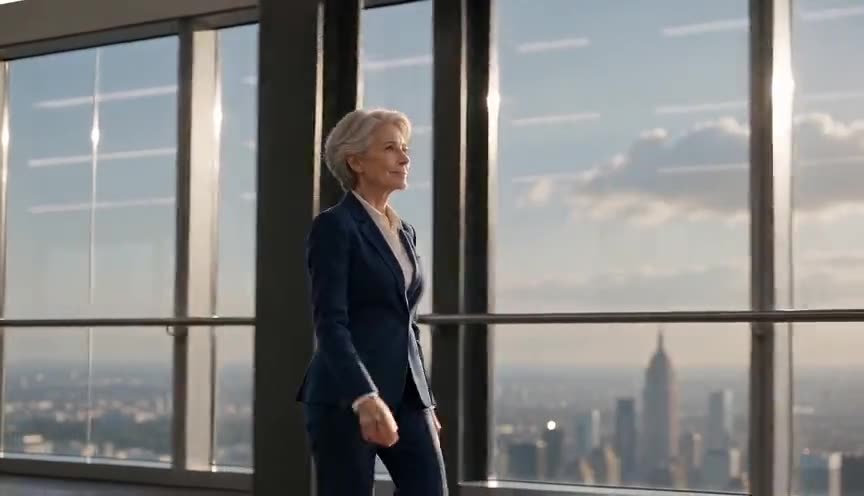
Truck shot
A truck shot moves the camera sideways, left or right, while keeping it parallel to the subject and at a constant distance from it. It slides the frame through space without cutting, letting the viewer travel alongside the action instead of watching it from a fixed point.
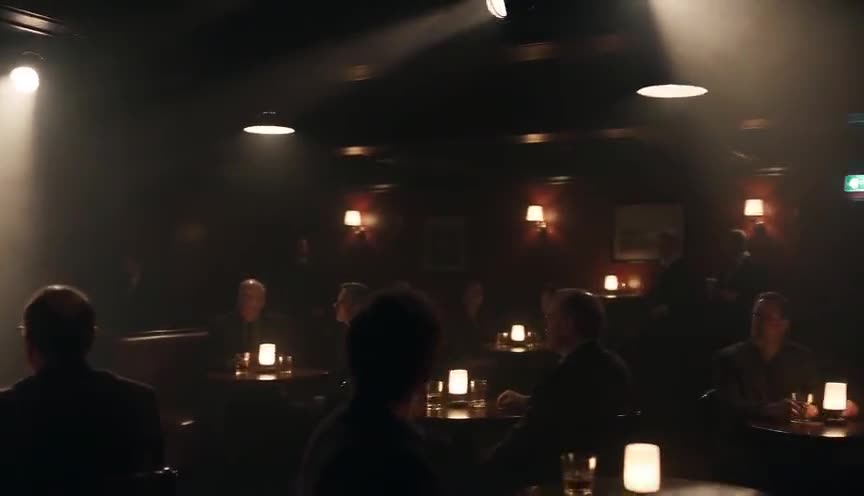
Pan
A pan is a camera movement in which the camera rotates horizontally around a fixed vertical axis, left to right or right to left, while its base stays in one place. It lets the viewer's eye travel across a space or follow a moving subject without a cut.
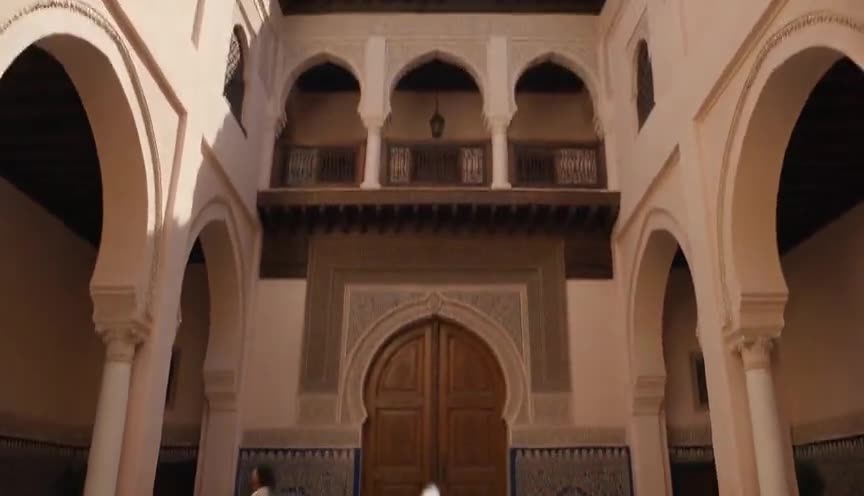
Tilt
A tilt is a camera movement in which the camera pivots up or down around a fixed horizontal axis, while its base stays in one place. It changes what the frame reveals vertically without moving the camera through space, guiding the viewer's eye along a scale, a height, or a hierarchy.
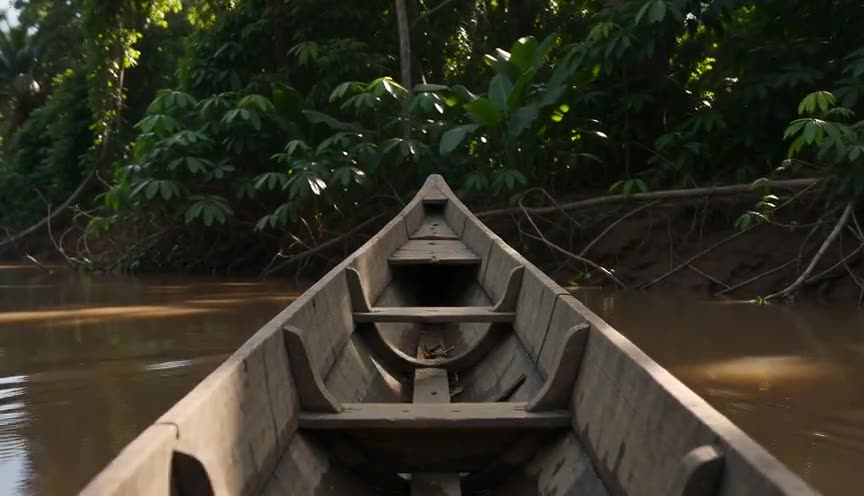
Whip pan
A whip pan is a very fast horizontal pan, swung so quickly that the image blurs into streaks between two points. It jolts the viewer's eye, compressing travel time and signaling a sudden shift in attention or location.
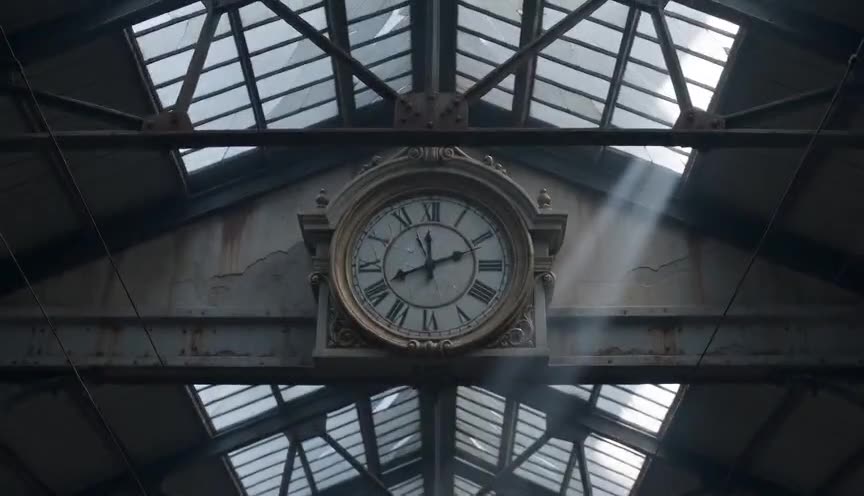
Whip tilt
A whip tilt is a rapid vertical camera movement, tilting up or down so fast that the image blurs into a streak before snapping sharply onto a new subject. It compresses the visual distance between two points into a single startling instant, jolting the viewer's attention rather than guiding it.
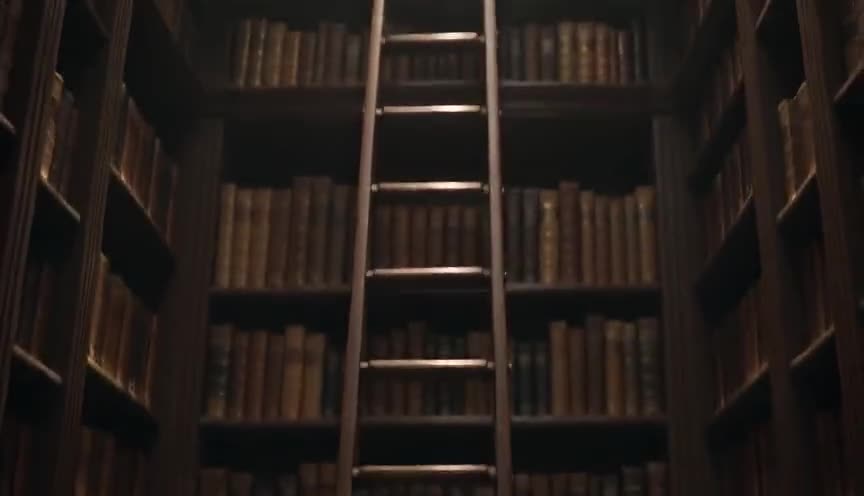
Pedestal shot
A pedestal shot moves the camera straight up or down along a fixed vertical axis while the lens stays level, without tilting or panning. It repositions the viewer's physical vantage point on a scene, revealing height, scale or hidden detail rather than sweeping the eye across it.
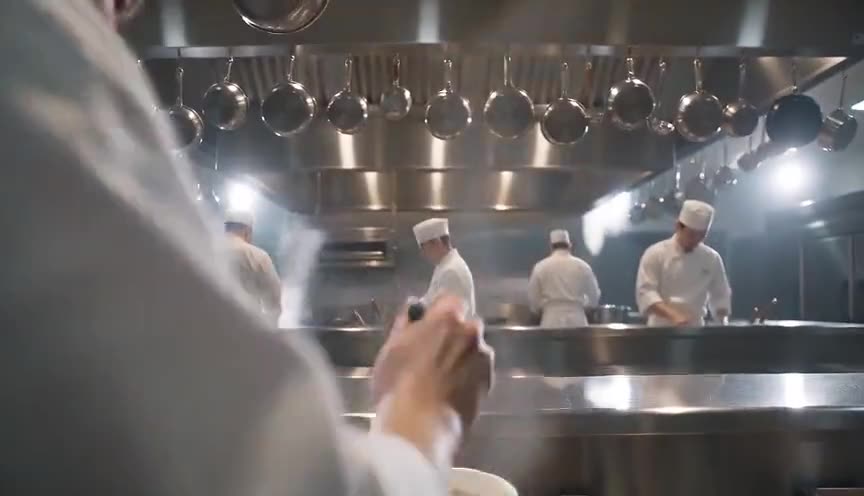
Crane up
A crane up is a camera movement in which the camera rises vertically on a mechanical arm, typically while staying on or tilting down toward a subject below. It lifts the viewer's perspective, turning a grounded moment into a wider view of the space around it.
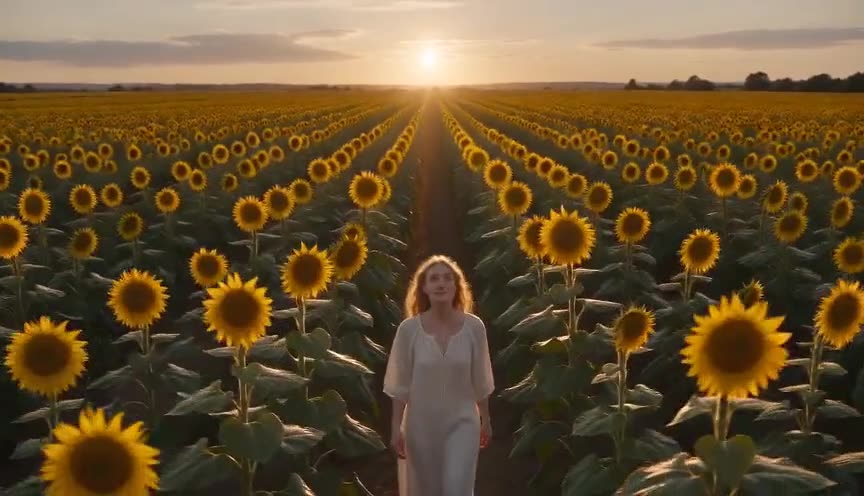
Crane down
A crane down is a camera movement in which the camera descends vertically, typically mounted on a crane or jib arm, moving from a high position to a lower one while the shot continues uninterrupted. It draws the viewer down into a scene, often shifting the sense of scale from vast and impersonal to intimate and human.
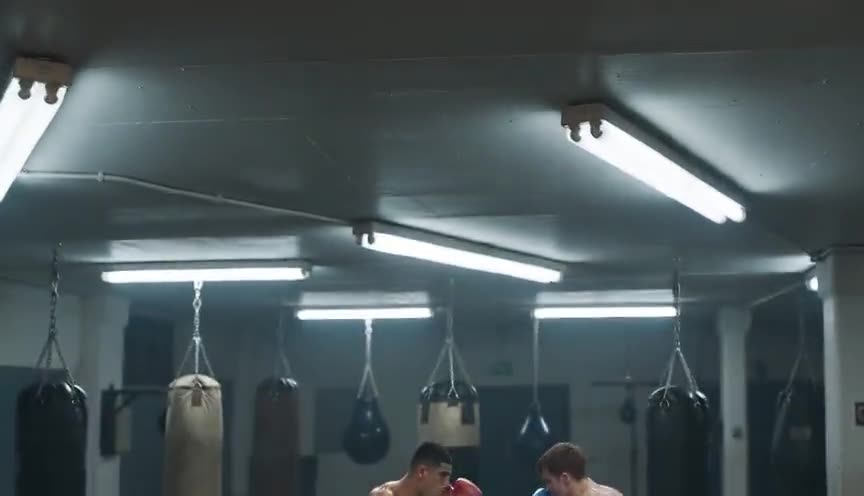
Crane over
A crane over is a camera movement in which the crane rises and pushes forward past a foreground obstacle, such as a wall, a crowd, or a piece of ring rope, to reveal the space and action hidden behind it. It turns a blocked view into a sudden, sweeping reveal, lifting the viewer's eye line above the obstruction in one continuous motion.
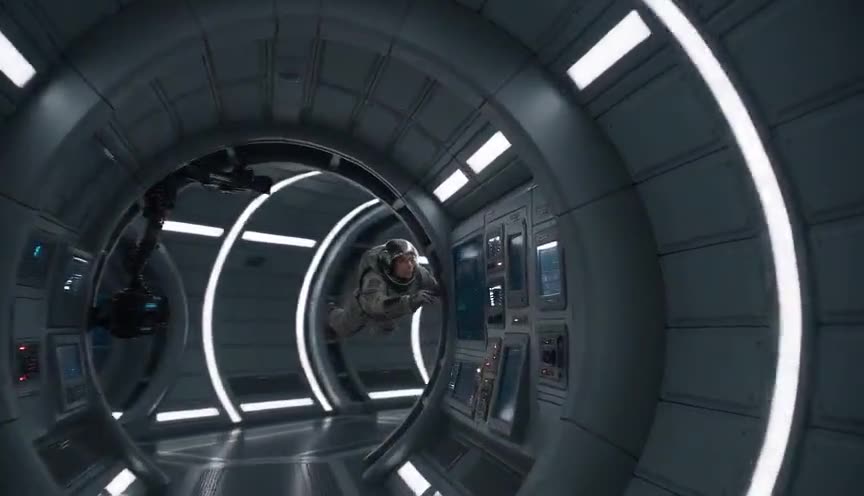
Jib shot
A jib shot is a camera move made with a small counterweighted crane arm that lifts, lowers and swings the camera through space in one continuous sweep. It gives the viewer a floating, elevated perspective that rises above eye level or arcs around a subject without the camera ever touching the ground.
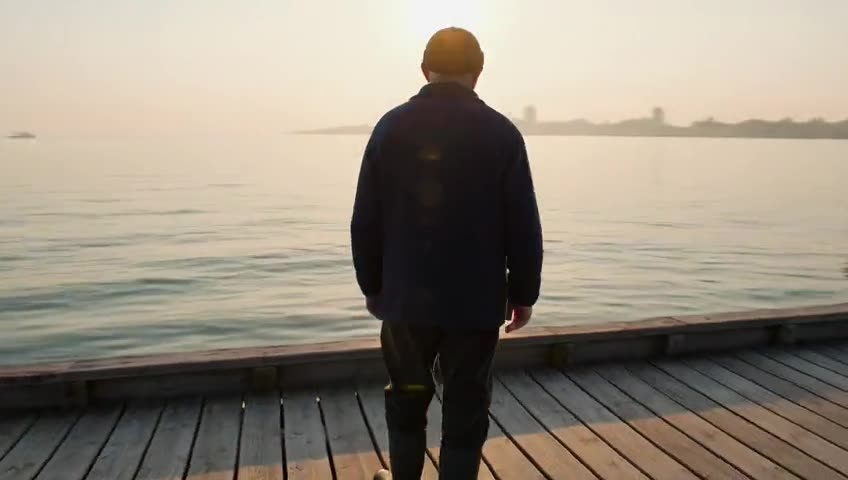
360-degree orbit
A 360-degree orbit is a camera movement that travels in a full circle around a subject while keeping that subject centered in frame. It gives the viewer a complete view of the subject and its surroundings, turning a single point in space into a small, self-contained world.
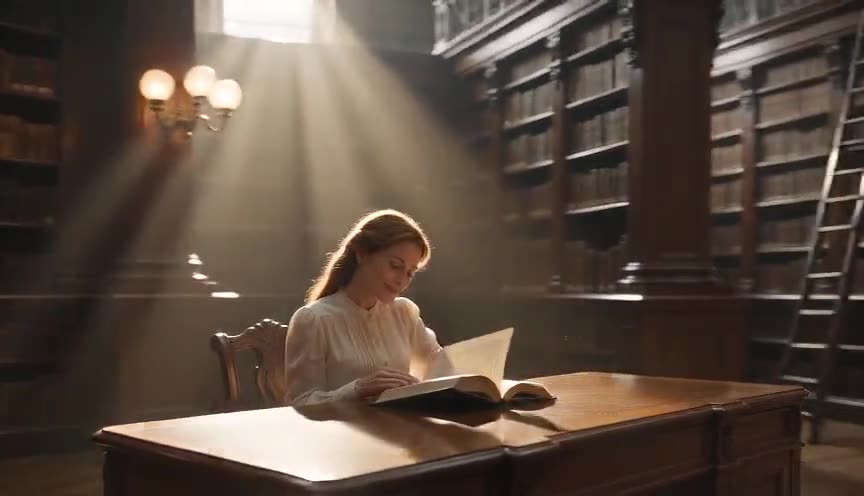
Arc shot
An arc shot moves the camera along a curved path around a subject while keeping it framed, revealing new sides of the person or object as the shot unfolds. It gives the viewer a sense of physical space and dimension that a static or straight-line shot cannot deliver.
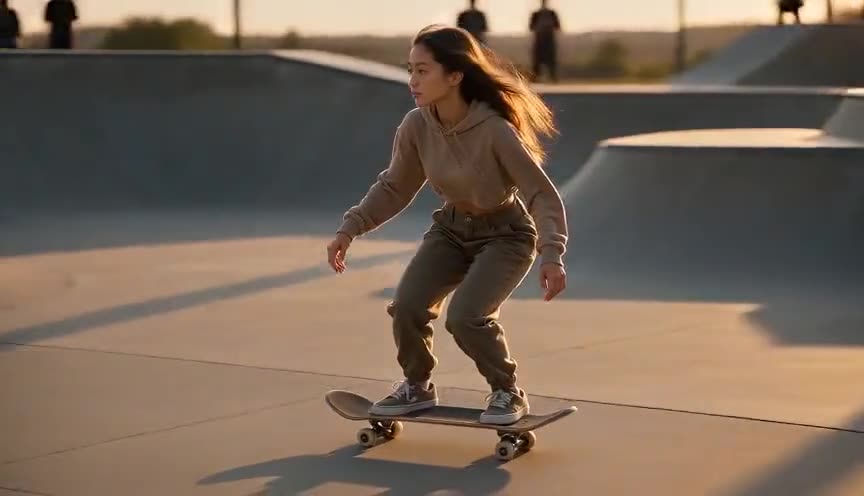
Tracking shot
A tracking shot is a camera movement that follows a moving subject while holding a fixed distance and angle, usually by dollying on rails, rolling on wheels, or riding in a vehicle alongside the action. It keeps the subject anchored in the frame while the background streams past, pulling the viewer into the subject's motion.

Follow shot
A follow shot is a camera movement in which the camera travels alongside or behind a subject, keeping a constant distance and framing as they move through space. It ties the viewer's attention to the subject's pace and momentum, turning the surrounding environment into something discovered rather than shown.
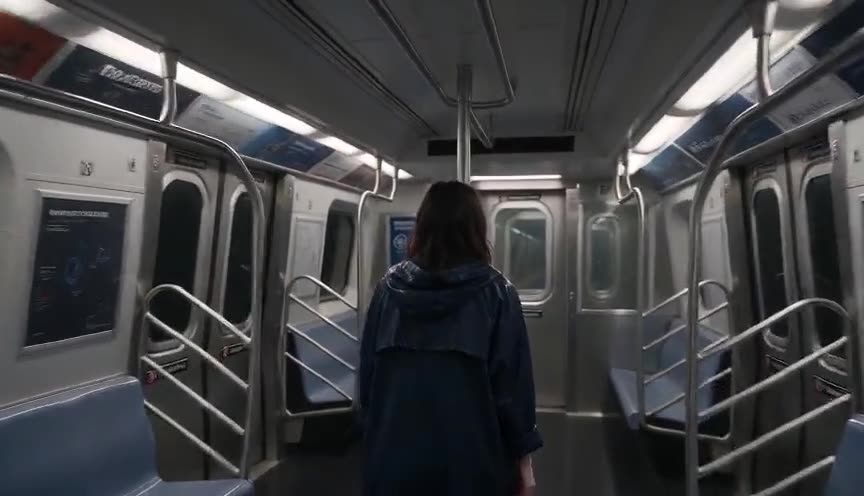
Steadicam shot
A Steadicam shot is a moving camera shot filmed with a body-mounted stabilizing rig that isolates the camera from the operator's footsteps, producing smooth, floating motion even while walking, running, or climbing stairs. It lets the camera travel through real, uneven space without the bounce of handheld or the constraints of dolly track.
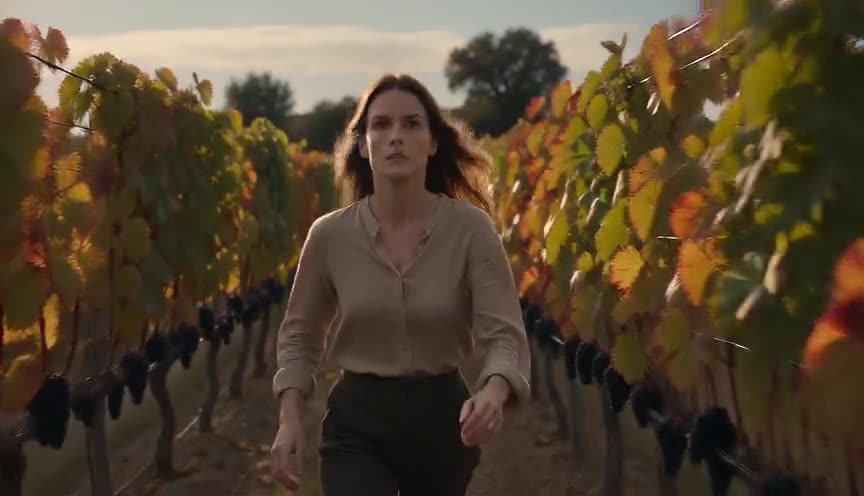
Handheld camera
Handheld camera is a technique where the operator holds the camera on the body instead of mounting it on a tripod, dolly or stabilizer, letting natural micro-movements and breathing enter the frame. It puts the viewer inside the scene's physical space, making the image feel urgent, subjective and alive rather than composed.
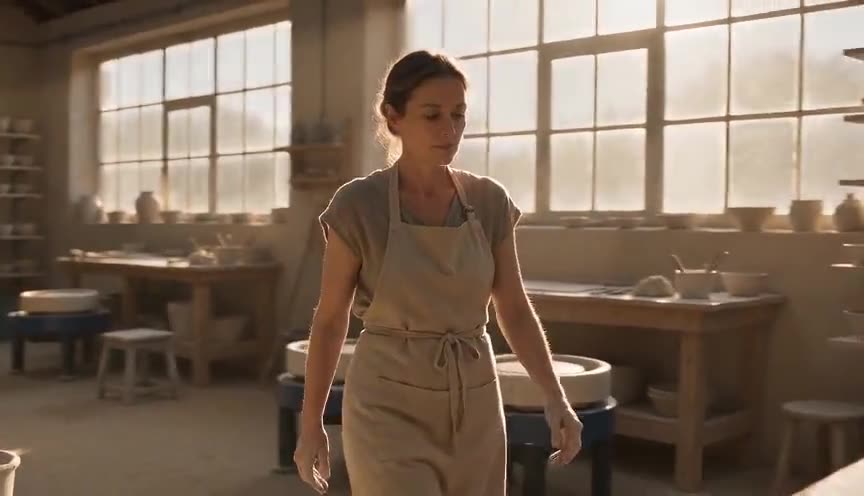
Gimbal shot
A gimbal shot is a camera movement stabilized by a motorized three-axis gimbal that keeps the frame level and smooth while the operator walks, runs, or rides through a space. It removes the vertical bounce and side-to-side roll of handheld work, giving the viewer a glide that feels controlled but still alive.
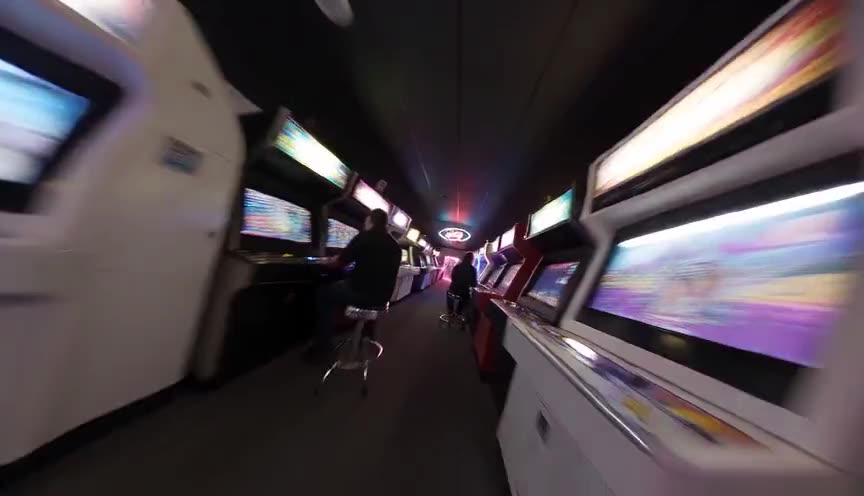
FPV drone shot
An FPV drone shot is a first-person view flight captured on a small racing drone and recorded straight from the pilot's goggles feed. It drops the viewer into a fast, physical path through space, banking, diving and threading gaps in a way no handheld or crane move can reproduce.
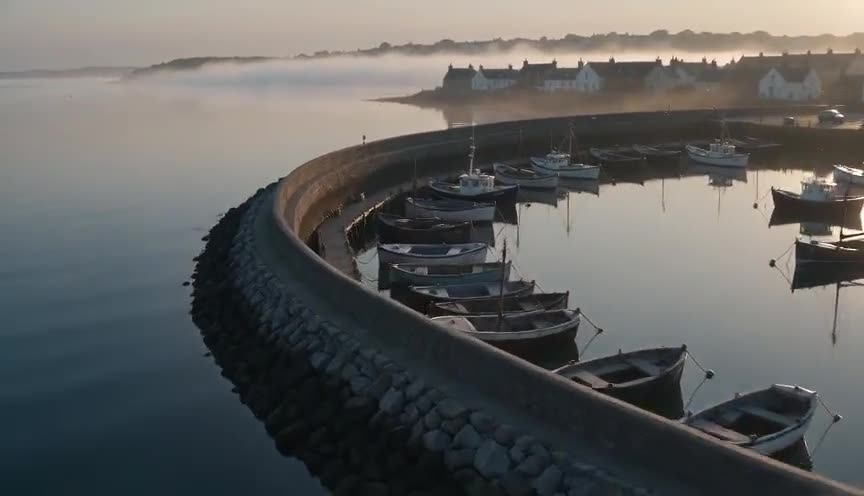
Aerial shot
An aerial shot is any shot filmed from above the ground, typically from a drone, helicopter, or plane, that shows a subject or landscape from a height no handheld rig or crane can reach. It gives the viewer a sense of scale, geography, and detachment, turning people and buildings into small elements within a larger pattern.
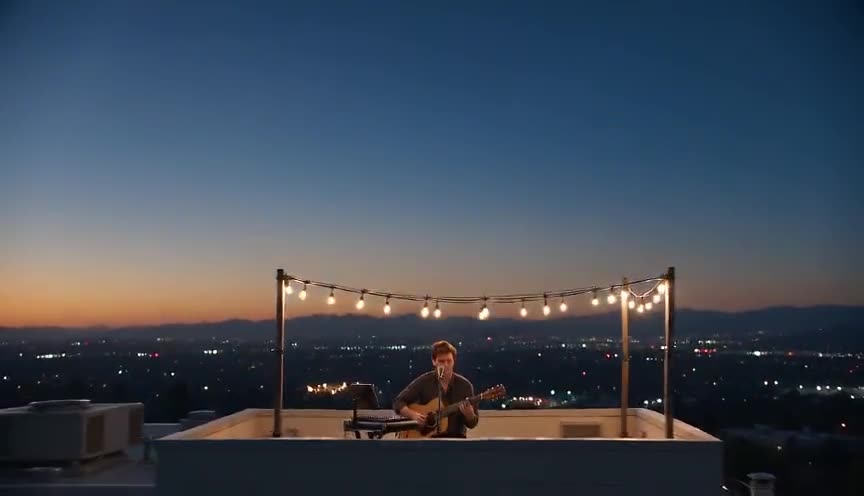
Aerial pullback
Aerial pullback is a camera movement, usually flown by drone, that rises and retreats from a subject at the same time, shrinking it against an expanding wider view. It moves the viewer from close intimacy to a sense of scale and distance, often used to close a scene or a story.
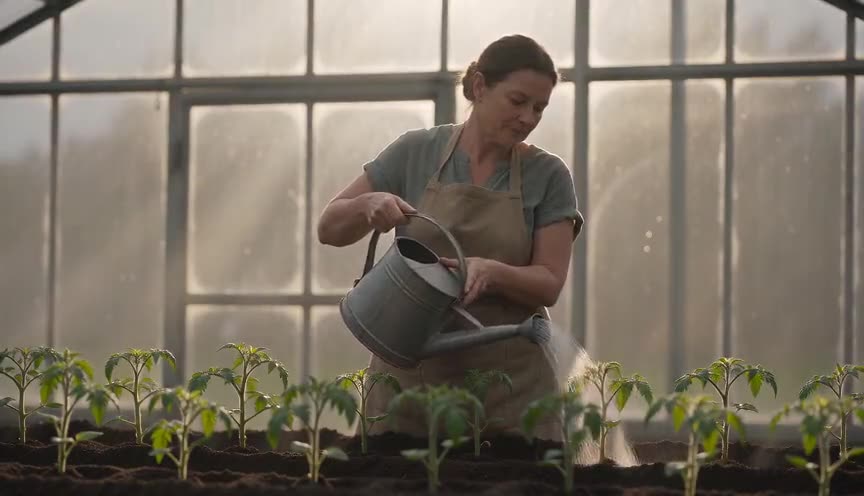
Static locked-off shot
A static locked-off shot is a shot in which the camera is fixed on a tripod or mount and does not pan, tilt, zoom, or travel during the take. It removes camera movement entirely, so the viewer's attention goes to what moves, or doesn't, inside a stable frame.
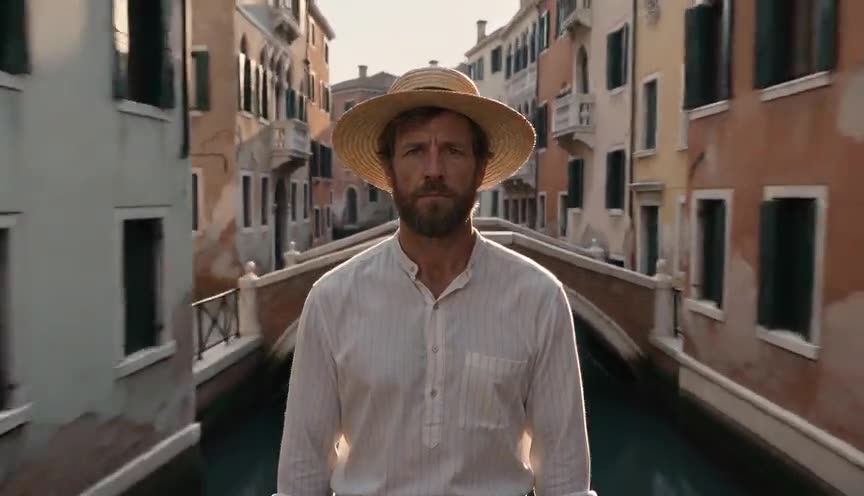
Dolly zoom
A dolly zoom is a shot where the camera physically moves toward or away from the subject while the lens zooms in the opposite direction, so the subject stays the same size in frame while the background stretches or compresses. It leaves the viewer with a physical sense of vertigo, as if the space itself has warped.
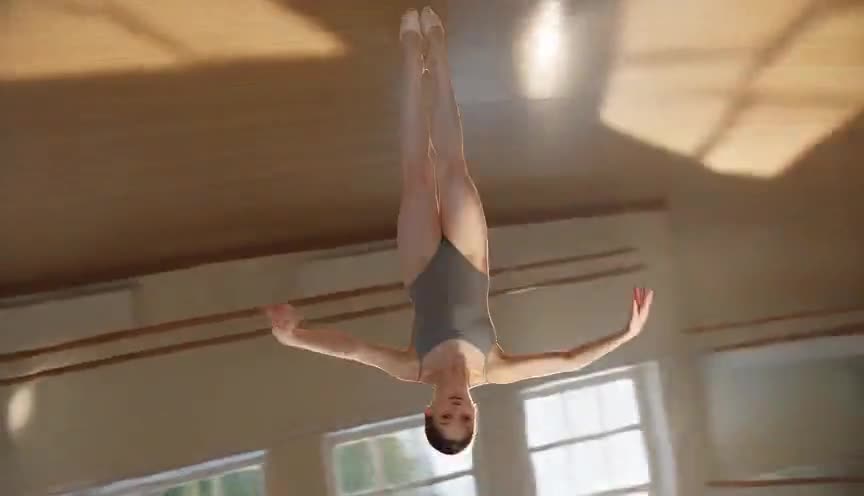
Camera roll
Camera roll is a camera movement that rotates the frame around the lens's optical axis, so the horizon line tips and spins while the subject stays fixed in the frame. It hijacks the viewer's sense of up and down, producing vertigo, disorientation, or the feeling of tumbling through space.
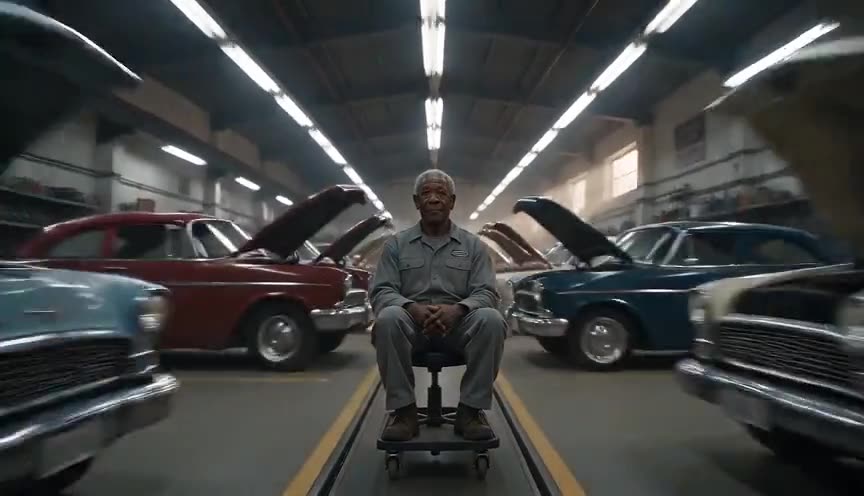
Double dolly shot
A double dolly shot uses two dollies moving in tandem, one carrying the camera and one carrying the subject, so both travel at matched speed and direction. This locks the subject in a stable frame while the background moves past at a different rate, isolating the person from their surroundings.
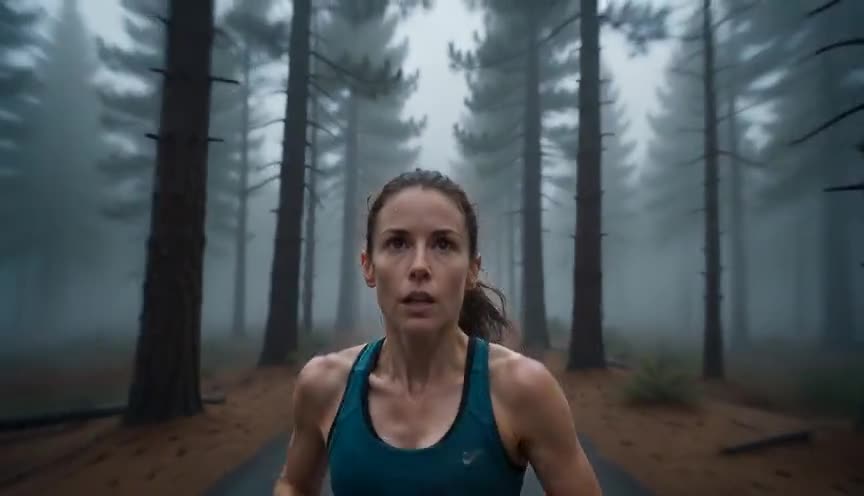
Snorricam
The Snorricam is a rig that straps the camera directly to an actor's chest or back, so the actor's face and body stay locked in frame while everything behind them sways, spins, or rushes past. It puts the viewer inside a disoriented, subjective state, watching the world destabilize around a performer who never moves relative to the lens.
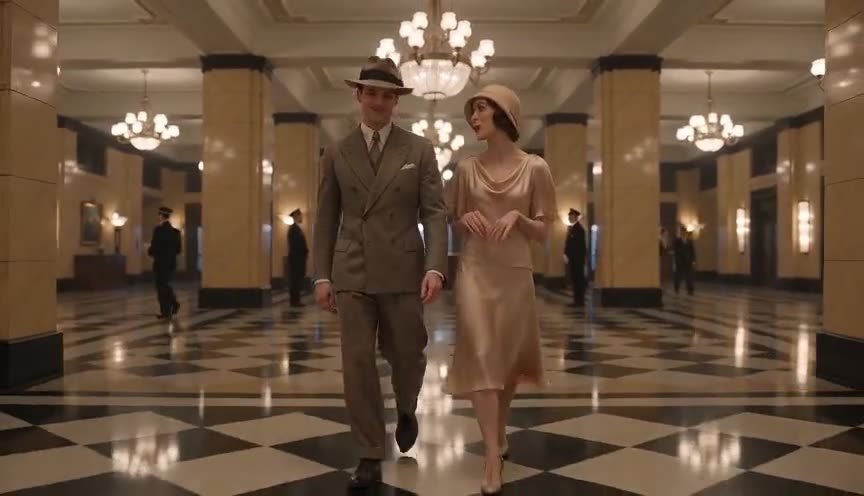
Walk and talk
A walk and talk is a shot in which the camera travels continuously alongside or ahead of characters who are having a conversation while walking. It keeps dialogue scenes visually alive, letting performance, blocking and setting unfold in real time without a single cut.
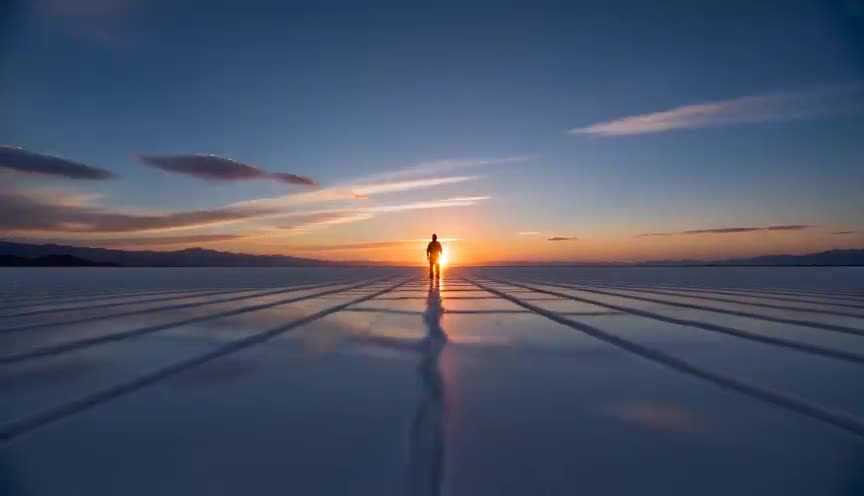
Hyperlapse
A hyperlapse is a time-lapse shot in which the camera itself travels through space while it captures frames at intervals, then plays them back at normal speed. It compresses both time and distance at once, giving the viewer the sensation of covering a long journey or watching a place transform in a few seconds.
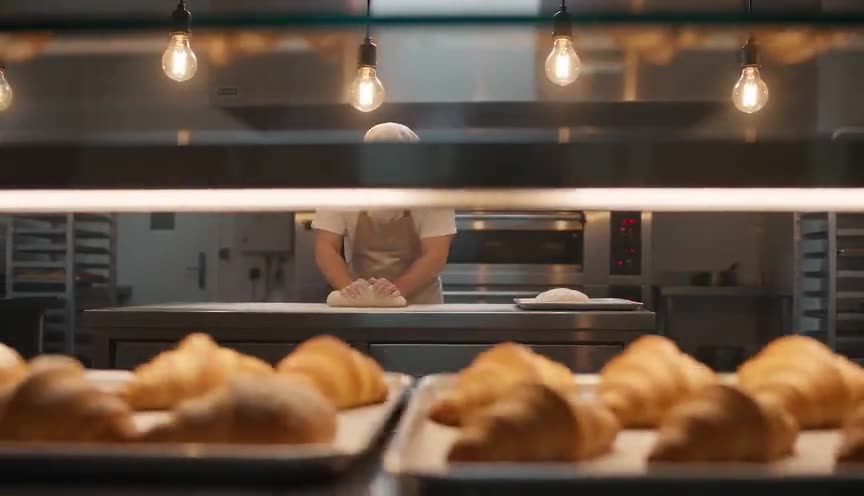
Slider shot
A slider shot is a short, smooth linear camera move, usually two to four feet, along a track that shifts the frame sideways, forward or backward without any rotation. It gives a static composition a quiet sense of life and depth, without the psychological push of a dolly or the sweep of a pan.
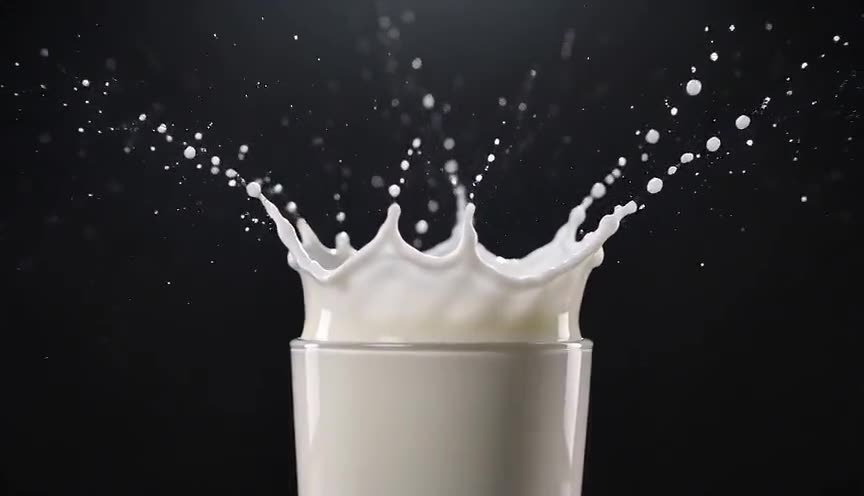
Robotic arm shot
A robotic arm shot is a camera move executed by a programmable motion-control rig instead of a human operator, so the exact same path, speed and focus can be repeated frame for frame. It gives the viewer camera movement that feels impossibly smooth, precise and mechanical, often faster or more intricate than a person could pull off by hand.
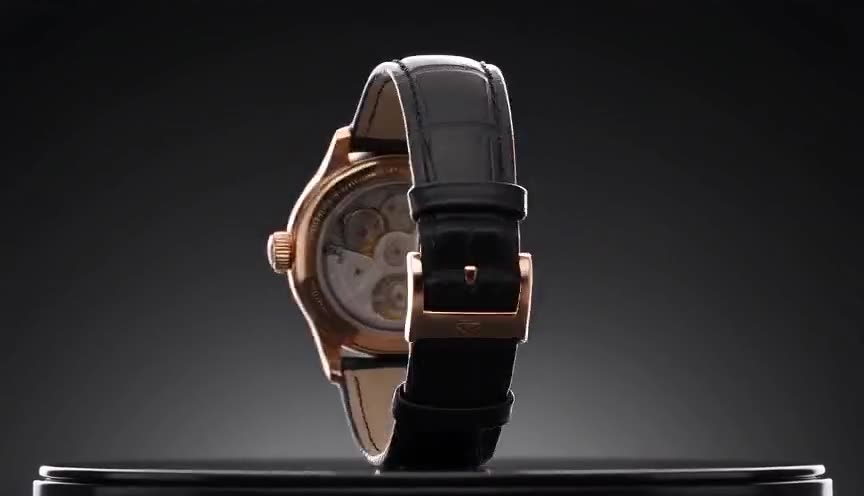
Turntable shot
A turntable shot moves the camera in a circle around a subject that stays centered and at a constant distance, so the world spins around it instead of the other way around. It isolates the subject as the fixed point of the frame while everything behind it slides past.
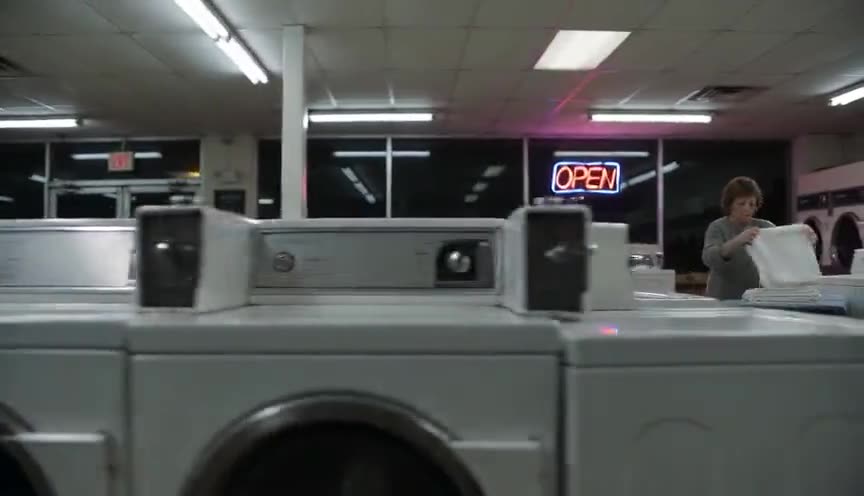
Parallax shot
A parallax shot is a lateral camera move that reveals the different apparent speeds at which near and far objects pass by, using that speed difference to build depth in a flat frame. It makes the viewer read three dimensions from a two-dimensional image without any focus tricks.
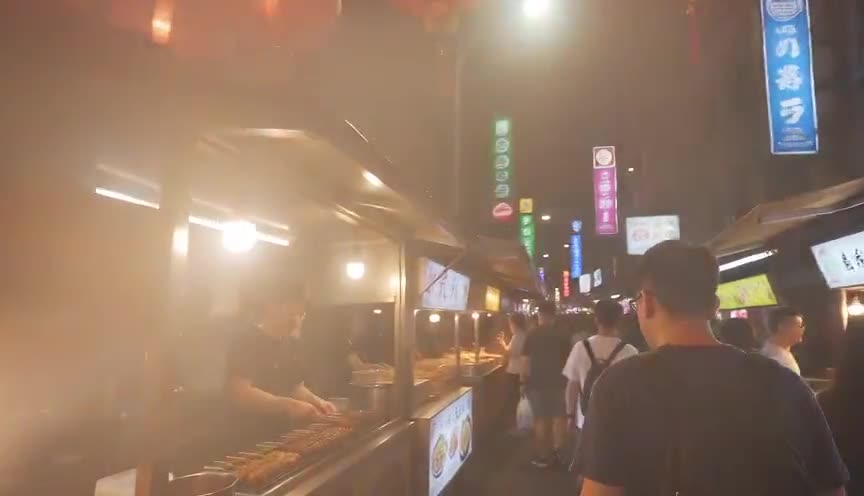
Pass-through shot
A pass-through shot is a moving camera shot in which the lens travels through or past an obstruction, a doorway, a crowd, foliage, a passing vehicle, that briefly fills the entire frame and blocks the view, then reveals a new space on the other side. It hides a spatial or temporal jump inside one continuous move, so the transition feels seamless instead of cut.
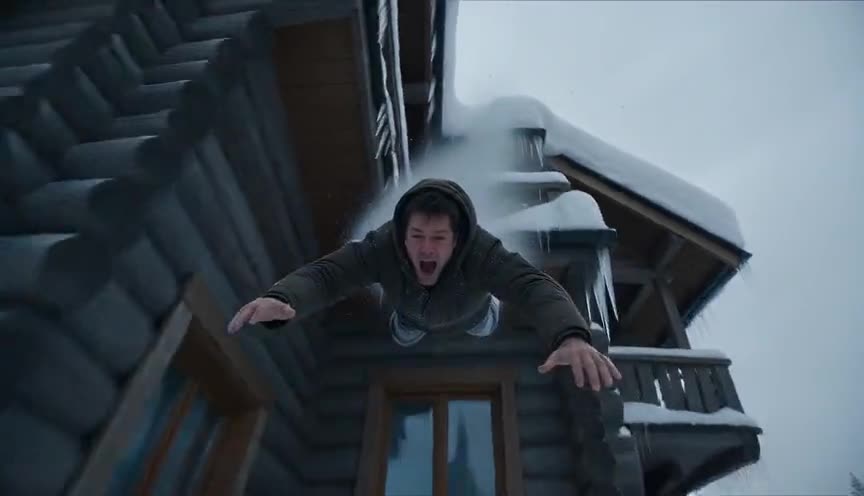
Falling camera
A falling camera shot moves downward through space at the same speed as a falling or dropped subject, keeping them centered in frame while the surroundings streak past. It puts the viewer inside the sensation of falling, turning gravity itself into a disorienting, visceral experience.
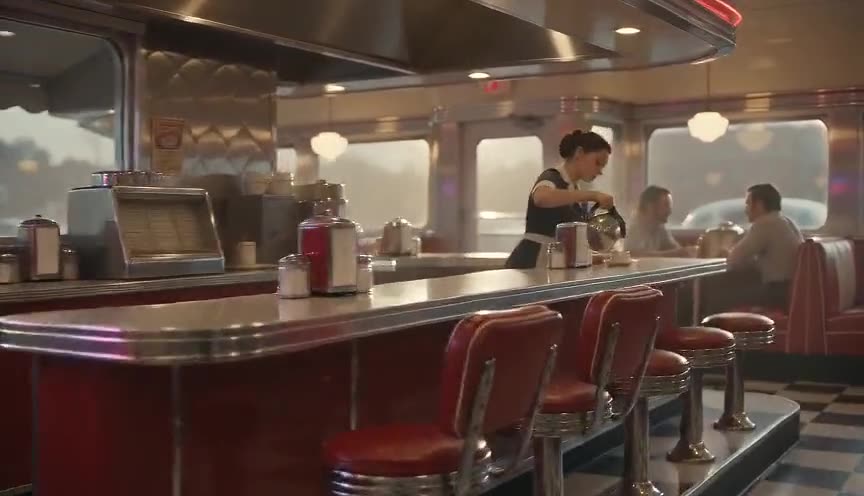
Floating camera
A floating camera is a camera movement that drifts through space with no visible support, no footsteps, and no fixed anchor to gravity or a character's point of view. It creates a dreamlike, disembodied sense of observation, as if an invisible presence is gliding through the scene.
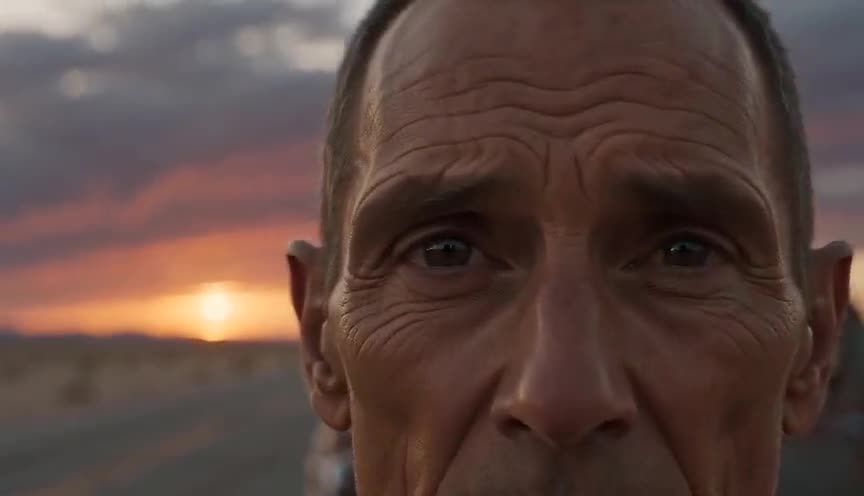
Zoom into the eye
Zoom into the eye is a camera movement that pushes the lens optically from a wider framing into an extreme close-up on a character's eye, usually ending tight on the iris or pupil. It collapses distance and story into a single beat, forcing the viewer to read the character's inner state at the exact moment the frame arrives.
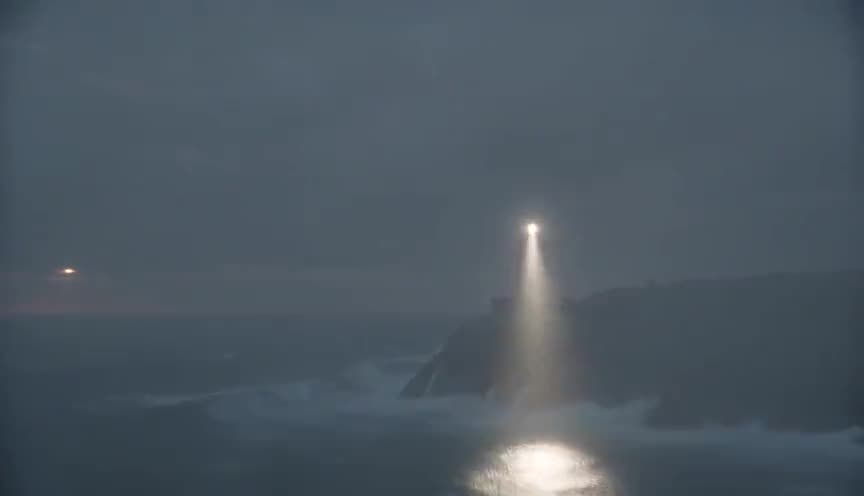
Earth zoom
An earth zoom is a continuous camera move that appears to start from a satellite or orbital view of the whole planet and dive down, without a visible cut, to a specific location on the ground. It gives the viewer an instant sense of scale and geography, placing a small human story inside a vast, mapped world.
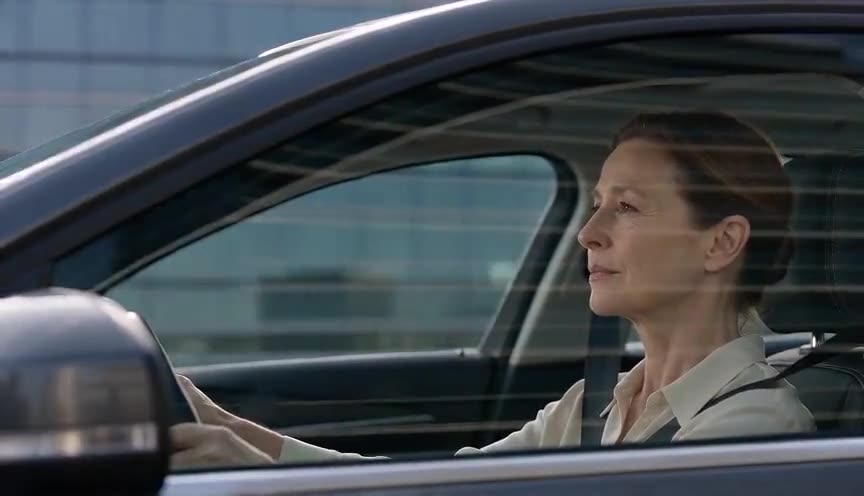
Car mount shot
A car mount shot uses a camera physically rigged to a moving vehicle, so the camera travels with the car at the exact same speed and vibration. The frame stays locked on the driver or passenger while the world outside streams past, sealing the viewer inside the vehicle with them.
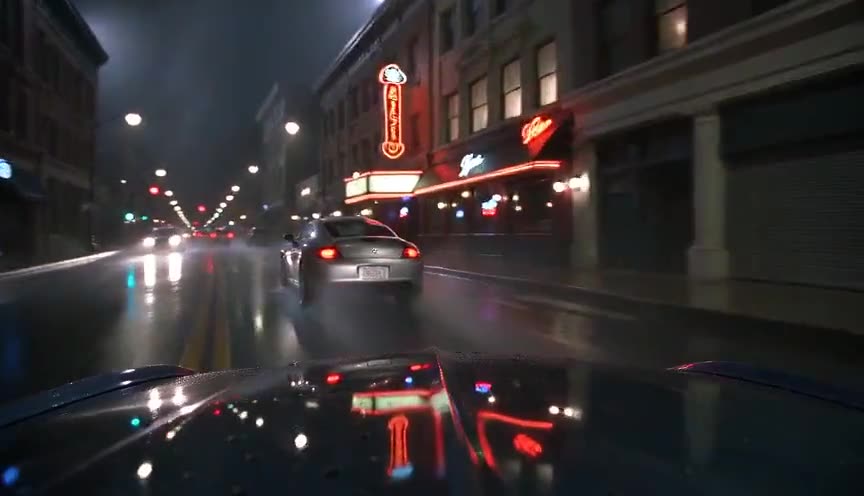
Chase car shot
A chase car shot mounts the camera on or in a vehicle that pursues another vehicle, holding both cars in continuous relative motion inside the frame. It puts the viewer inside the speed and risk of the pursuit rather than watching it from a distance.
Frequently asked questions
What is the difference between a zoom and a dolly?
A zoom changes focal length so the lens magnifies the image without moving, which flattens depth. A dolly physically moves the camera through space, which shifts perspective and reveals depth between foreground and background as it travels.
Which camera movement works best for AI video generation?
Simple, single movements like dolly in, pan, or orbit read most reliably in AI video models. Combining several moves at once, such as a crane up while orbiting, often confuses the model, so isolate one clear movement per prompt for best results.
How do I describe camera movement in a text prompt?
Name the movement type, its direction, and its speed, for example slow dolly in or fast whip pan left. Avoid vague words like dynamic camera and instead pick one term from this glossary that matches the exact motion you want.