Crane up
Also calledBoom up, Jib up, Rise shot
A crane up is a camera movement in which the camera rises vertically on a mechanical arm, typically while staying on or tilting down toward a subject below. It lifts the viewer's perspective, turning a grounded moment into a wider view of the space around it.
What it tells
Directors reach for a crane up when a scene needs to grow past the size of one person. The move starts tight on a face or an action, then lifts away, revealing the room, the crowd, or the landscape that contains it. That vertical climb reads as release: tension exhaled into scale, isolation redrawn as part of a larger world. It closes scenes with a sense of departure, or opens them by promising more than the frame first shows, and it gives a moment of triumph or grief room to breathe.
How it is shot
The camera sits on a jib arm or telescoping crane, counterweighted so one operator can push it smoothly through several feet of vertical travel. A separate camera operator, or a remote head controlled from the ground, tilts down as the arm rises, keeping the subject framed while the horizon drops out of shot. Cranes range from a 12-foot jib on a dolly to a 30-foot Technocrane that also extends forward. Moves typically run 3 to 8 seconds, timed to hit a precise height and angle on a mark, often synced with music or a scripted beat. Wider lenses, 24mm to 35mm, keep the reveal readable as the frame widens; longer lenses compress the rise and lose the sense of climb.
When to use it
- To end a scene by pulling emotional focus up and out, showing how small the moment was.
- To reveal the scale of a location, a crowd, or a set once a character has grounded the shot.
- To turn a private beat, a proposal, a collapse, a reunion, into a wide, witnessed moment.
- As a closing image over end credits, letting the audience exit the story gradually.
Not to be confused with
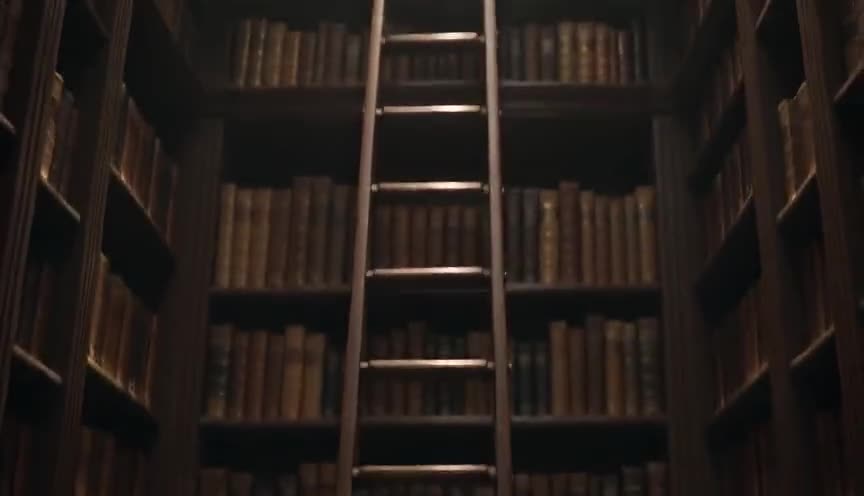
A pedestal shot also moves the camera straight up or down, but on a hydraulic column with no arm, staying close to the subject. A crane up covers far more vertical distance and often reveals the wider space, not just reframes the subject.
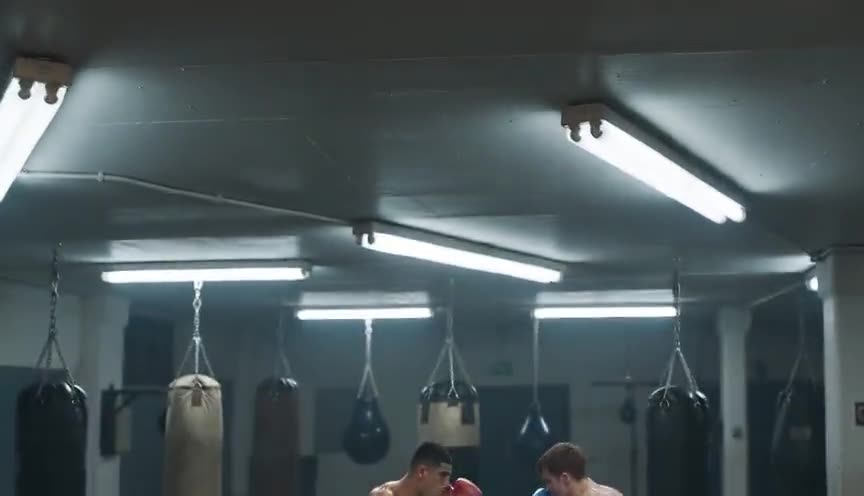
A crane over rises just enough to pass above an obstacle, like a wall or a table, then continues at the same height. A crane up keeps climbing well past the subject to open a wide reveal, not just clear a foreground object.
In film
Gone with the Wind (1939)
The camera rises from Scarlett among wounded soldiers and pulls back, revealing hundreds of casualties filling the Atlanta depot square, a scale reveal still studied in film schools.
La La Land (2016)
During the freeway opening number, crane moves lift above dancers on car roofs, turning a traffic jam into a full musical stage.
The prompt
Name the rig and the motion directly: crane up, rising smoothly, tilting down as it climbs. State the start height and end height (waist level to eight feet, or ground to rooftop) so the model has a clear vertical range, and describe what the wider frame reveals once the camera clears the subject. Keep it to one continuous shot with no cuts and no camera shake language. Avoid vague words like 'epic' or 'sweeping'; instead specify lens (24mm to 35mm), duration (about four seconds), and a concrete subject the rise reveals behind or below the starting frame.
The exact prompt that rendered the video on this page. Keep the description of the move, change the subject and the setting.
Crane up: the camera starts low, close behind a line cook's shoulders as he lifts a bowl of ramen through steam and ladles broth under bright kitchen lights, then rises smoothly on a crane arm from waist height up to eight feet, tilting down as it climbs to reveal the full length of the stainless steel line, five cooks working in rhythm, hanging pots, and steam drifting toward the vents. The rise takes about four seconds, steady and continuous, no cuts, ending on a wide high angle over the whole kitchen. No text.
Common mistakes
No tilt to compensate
The camera rises but stays level, so the subject drifts out of frame instead of staying centered as the operator forgets to tilt down through the climb.
Reveal doesn't pay off
The camera climbs a long way but ends on an empty ceiling or blank sky instead of the crowd, set, or landscape the move promised to show.
Wrong pacing for the moment
A slow, stately rise under a fast, chaotic scene feels mismatched; match the speed of the crane to the energy of the action it is lifting away from.
Frequently asked questions
What is a crane up shot?
It's a camera movement where the camera physically rises on a crane or jib arm, usually while tilting down to keep the subject in frame, ending on a wider view of the space around it.
What's the difference between a crane up and a drone rising shot?
A crane is mechanically fixed to the ground at one point and can only rise a limited height with a smooth, engineered arc; a drone can climb freely in any direction and much higher, but it lacks the crane's stability at close range to actors.
How high can a crane up go?
Small jibs cover about 6 to 12 feet, studio cranes with a seated operator reach 20 to 30 feet, and Technocrane-style telescoping arms extend further while also pushing forward, giving 40 feet or more of combined vertical and horizontal travel.
Can I get a convincing crane up from an AI video model?
Yes, if you describe the rise, the tilt, and what becomes visible once the camera clears the subject; tools like Imaginode's video models respond well to a clear start height, end height, and named reveal rather than a vague upward motion.