Smash cut
Also calledHard cut, Shock cut
A smash cut is an abrupt, unsoftened cut between two shots or scenes that clash sharply in content, tone, volume or energy. It jolts the viewer with no transitional device to cushion the jump, turning discontinuity itself into the effect.
What it tells
Directors reach for the smash cut when they want the audience to feel a change rather than notice it gently. It can puncture tension with a joke, slam a dramatic scene shut, or throw two worlds together to expose an ironic gap between them. Because it withholds the usual grace period of a dissolve or fade, it forces an emotional reset in a single frame, which is exactly why comedies and war films both rely on it so heavily.
How it is shot
In the edit, the outgoing shot is cut on a hard beat, often at its loudest, brightest or most intense moment, with zero handle for a crossfade. The incoming shot starts on a contrasting beat: quieter or louder, darker or brighter, static after motion, silence after noise. There is no dissolve, no wipe, no fade to black, just a straight cut, frame to frame, on the timeline. Sound design usually carries half the effect, cutting music or dialogue off mid-phrase. Editors test the exact frame of the cut by scrubbing one frame at a time, since a single frame early or late changes how violent the jolt feels.
When to use it
- Punchline a joke by cutting straight from setup to an unrelated, deadpan reaction shot.
- End a violent or emotional scene instantly, denying the audience a soft landing.
- Contrast two worlds, eras or moods by slamming them together with no bridge.
- Cut off a loud moment into total silence, or the reverse, for a sonic shock.
Not to be confused with
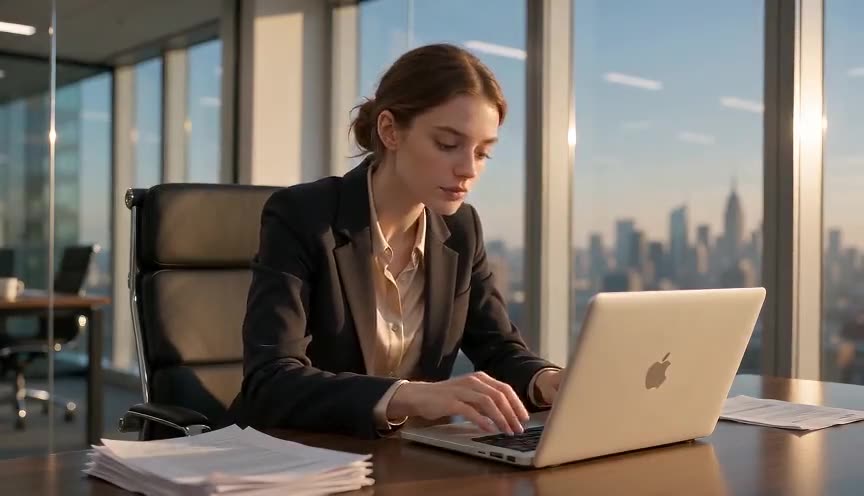
A jump cut breaks continuity within the same scene or subject, skipping time in small jolts. A smash cut jumps between different scenes or tones entirely, and always lands on a hard contrast rather than a continuity skip.
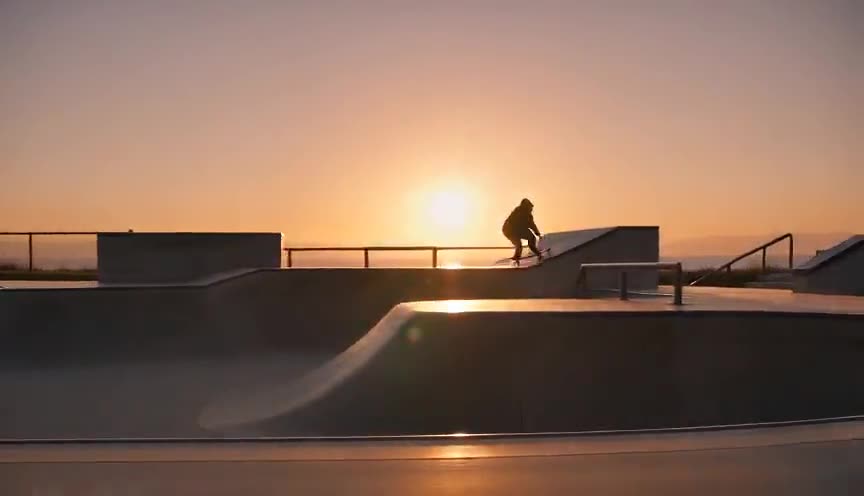
A flash cut inserts one or more extremely brief frames, often subliminal, for a jolt or subconscious flash. A smash cut is a single full-length hard cut between two normal shots, not a rapid insert.
In film
Full Metal Jacket (1987)
Kubrick smash cuts from Pyle's bathroom murder-suicide to a Da Nang street scored with an ironic pop song, with no transition softening the tonal whiplash.
Trainspotting (1996)
The film hard cuts from a filthy toilet straight into a serene underwater dream space, using the smash cut to jolt the audience out of squalor into fantasy.
The prompt
Describe two distinct shots and state plainly that the cut between them is instant, with no fade, dissolve or crossfade. Push the contrast hard: opposite brightness, color temperature, sound implied by visible energy, and framing (wide versus close). Name the exact moment the cut lands, like mid-gesture or mid-note. Avoid words like 'gradually', 'blend' or 'transition', which push the model toward a dissolve instead of a hard cut.
The exact prompt that rendered the video on this page. Keep the description of the move, change the subject and the setting.
Smash cut inside a jazz club: shot one is a wide shot of a trumpet player mid solo under warm amber stage light, sweat on his face, the crowd's hands raised, camera static at eye level. At the peak of his highest note the image cuts instantly, no fade, no dissolve, straight to a tight close-up of a bartender's face in near darkness, cold blue light, expression flat and still, background silent and empty. The two shots never blend, brightness and color temperature flip on the single cut frame. No text.
Common mistakes
Softening the cut
Adding a quick dissolve or crossfade between the two shots defeats the purpose. A smash cut has to be a single, hard frame-to-frame jump with zero blend.
Low contrast between shots
If both scenes share similar tone, brightness and energy, the cut just reads as a normal cut. The shock depends on a sharp mismatch in mood, sound or visual energy.
Using it constantly
A smash cut works because it breaks the established rhythm of the edit. Repeating it every few seconds turns the shock into a tic and the audience stops feeling it.
Frequently asked questions
What is a smash cut?
A smash cut is an abrupt, hard cut between two shots or scenes that clash in tone, content, volume or energy, with no dissolve or fade to soften the transition. It is used to jolt the viewer on purpose.
How is a smash cut different from a jump cut?
A jump cut breaks continuity inside the same scene, usually skipping small chunks of time on the same subject. A smash cut jumps between entirely different scenes or moods, built on contrast rather than a continuity skip.
Why do comedies use smash cuts so often?
Comedy relies on surprise, and cutting instantly from a setup to a wildly mismatched reaction or scene creates that surprise in a single frame. The lack of transition is what makes the joke land as a jolt rather than a slow reveal.
Can an AI video generator produce a smash cut?
Yes, if the prompt describes two distinct shots and explicitly states the cut between them is instant with no fade or dissolve. Tools like the ones on Imaginode follow that instruction well when the contrast between the shots is spelled out clearly.