50mm lens
Also calledNormal lens, Nifty fifty, Standard lens
A 50mm lens is a normal focal length (on a full-frame sensor) that reproduces roughly the field of view and perspective the human eye perceives, with no wide-angle stretch or telephoto compression. It lets the viewer read a scene as neutral and true to life, without the lens drawing attention to itself.
What it tells
Directors reach for the 50mm when they want the camera to disappear. Because the perspective matches how a person actually sees a room, the audience stops noticing the lens and starts noticing the performance: a glance, a hand on a table, the way two people stand apart. It is the lens of honest, unforced dialogue scenes, used when the story needs to feel witnessed rather than composed, and when any visible distortion would undercut the realism a director is after.
How it is shot
On a full-frame sensor, 50mm gives a diagonal angle of view of about 46 degrees, close enough to the eye's natural perspective that straight lines stay straight and faces keep their proportions at normal shooting distances. Most 50mm primes are fast, commonly f1.4 to f1.8, so operators can shoot in available light without extra units and still get a shallow depth of field at wide apertures. For a medium shot, the camera typically sits four to six feet from the subject; move closer and the lens still resists the exaggeration a wider focal length would introduce. No special rig is needed: a tripod, a slider, or a handheld body all work, since the technique lives in the glass, not the movement.
When to use it
- Shooting dialogue scenes where the perspective should feel like a person's own view of the room
- Covering documentary or verite-style footage where any lens distortion would break the realism
- Filming a two-shot or medium shot and needing faces and background objects to keep true proportions
- Working in low light with a fast prime when you cannot bring in additional lighting units
Not to be confused with
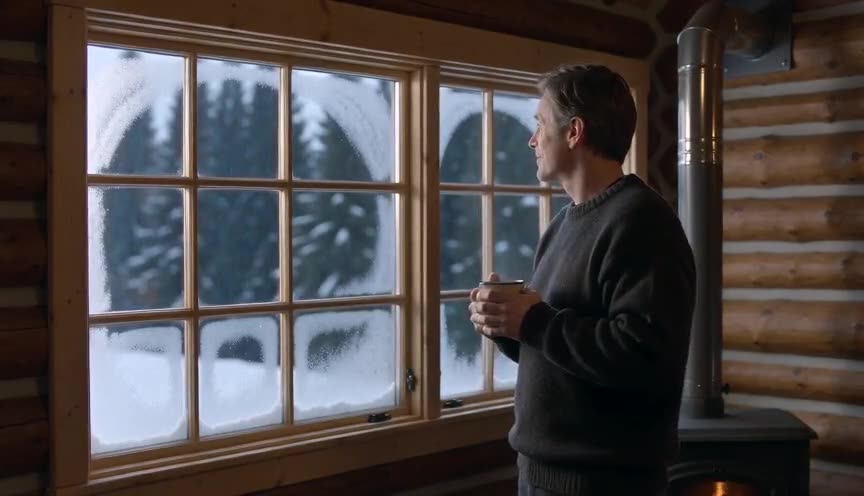
A 35mm lens has a wider field of view and introduces mild perspective stretch at close distances, giving more environment in frame; the 50mm keeps that same environment closer to how it looks to the naked eye.
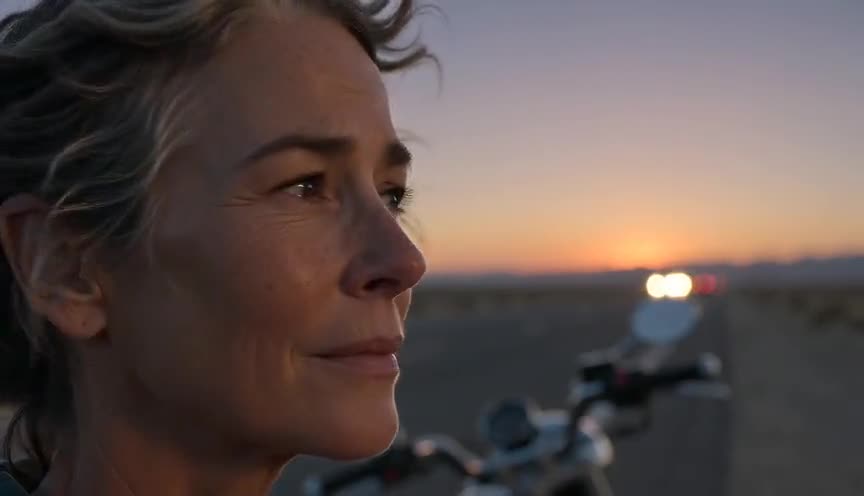
An 85mm lens compresses background and foreground and flatters faces with a longer working distance; the 50mm keeps a natural sense of depth and requires the camera to sit much closer to the subject.
In film
Barry Lyndon (1975)
Stanley Kubrick famously used a modified Zeiss 50mm f0.7 lens to shoot interiors lit only by candlelight, prized for its natural rendering of the human eye's field of view.
Tokyo Story (1953)
Yasujiro Ozu relied on a 50mm lens for his low tatami-level domestic scenes, giving family conversations a calm, undistorted, everyday perspective.
The prompt
Name the lens and describe what a normal perspective looks like in plain terms: proportions that match how a person would actually see the room, no stretched foreground, no flattened background. Specify a fixed shooting distance (four to six feet for a medium shot) and mention a moderate depth of field rather than heavy background blur, since strong bokeh reads as a longer lens. Avoid words like wide-angle, fisheye, or compressed, which push the model toward a different focal length entirely.
The exact prompt that rendered the video on this page. Keep the description of the move, change the subject and the setting.
50mm lens, eye-level medium shot inside a 1970s New York diner at night. A weary waitress in her forties wipes down a chrome counter, neon sign glow reflecting on the window behind her. The camera stays locked on a tripod, framing her from the waist up with natural, undistorted proportions matching human eye perspective: the coffee pots and stools behind her keep their true size and spacing, with a gentle, moderate falloff in the softly out-of-focus background. No text.
Common mistakes
Confusing normal with wide
Prompting for a 50mm look but describing a wide environment full of exaggerated depth cues, which pushes the model toward a 24mm or 35mm result instead.
Overdoing the blur
Asking for heavy bokeh and a razor-thin plane of focus, which reads as a much longer telephoto lens rather than the moderate depth of field typical of a 50mm at working distances.
Shooting too close
Placing the subject only a foot or two from the lens, which introduces the face distortion the 50mm is chosen to avoid, undercutting the whole point of the technique.
Frequently asked questions
What is a 50mm lens?
A 50mm lens is a normal focal length on a full-frame camera that closely matches the perspective and field of view of human eyesight, so scenes shot with it look neutral rather than stretched or compressed.
Why is the 50mm called a normal lens?
It is called normal because its angle of view, about 46 degrees on a full-frame sensor, approximates the perspective a person perceives when looking at a scene without lens distortion pulling objects closer or pushing them apart.
Is a 50mm lens good for portraits?
It can be, especially for environmental portraits that include some background, but many photographers prefer an 85mm for tighter headshots since the longer focal length flatters facial proportions from a farther, more comfortable distance.
How do I get a 50mm look from an AI video generator?
State the focal length directly, describe natural, undistorted proportions and a moderate depth of field, and give a realistic shooting distance; on a platform like Imaginode this wording is usually enough to steer the model away from wide or telephoto renderings.