200mm long telephoto
Also calledlong lens, super telephoto, long glass, telephoto compression lens
A 200mm long telephoto lens uses a narrow angle of view and shallow depth of field to compress the distance between foreground and background, making far elements look closer to and larger than they really are next to the subject. It flattens perspective and isolates the subject from its surroundings, giving the viewer a sense of intimacy or surveillance even when the camera sits far away.
What it tells
Directors reach for a 200mm lens when they want to watch someone without touching them: a stalker, a sniper, a journalist, a lover across a plaza. The compressed background pushes the world into a soft wall behind the subject, so nothing competes for attention. Because the camera can sit fifty or a hundred feet away, actors move freely and the shot feels unstaged, almost caught. It is the lens of distance that still feels close.
How it is shot
A 200mm lens on a full-frame camera has an angle of view around 12 degrees, so the operator sits far from the subject, often 15 to 40 meters away, and reframes with a tripod head or gimbal rather than walking in. Wide apertures (f/2.8 to f/4) combined with the long focal length compress depth of field to a thin slice, so focus pulling is critical and usually handled by a dedicated focus puller watching a monitor. Because the lens magnifies camera shake, shots are almost always locked off, on a heavy tripod, or stabilized on a gimbal. Backgrounds many meters behind the subject blur into abstract shapes and colors, and objects at different distances appear stacked closer together than they are.
When to use it
- Isolating a subject from a busy street, crowd, or skyline without moving the camera close
- Shooting a private or emotional moment that needs a voyeuristic, observed feeling
- Compressing a cityscape or mountain range to make distant layers look stacked and dense
- Filming wildlife, sports, or dangerous action from a safe physical distance
Not to be confused with
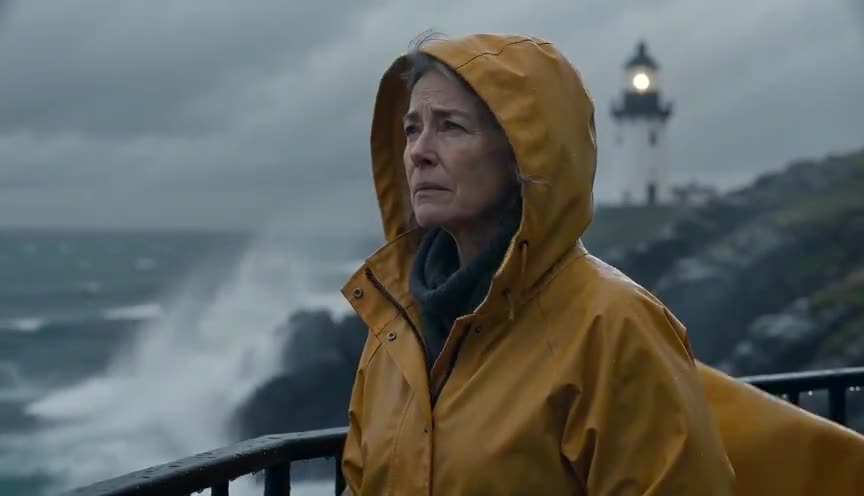
A 135mm lens gives milder compression and a slightly wider view, useful when you still need some environmental context around the subject; 200mm pushes further into isolation and flattening.
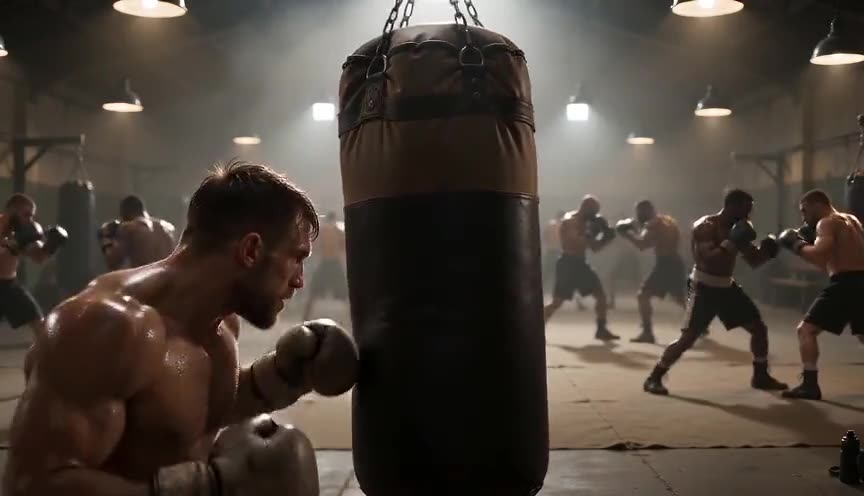
Telephoto compression is the visual effect itself (stacked, flattened depth); a 200mm lens is one specific tool that produces a strong version of that effect.
In film
The Graduate (1967)
Mike Nichols shoots Benjamin running toward the camera on a long lens, so his stride barely closes the distance, visualizing exhaustion and futility.
Lawrence of Arabia (1962)
David Lean uses extreme telephoto lenses across the desert so a distant rider appears to shimmer and grow slowly out of the heat haze.
The prompt
Name the focal length and the physical distance ('200mm lens, camera 30 meters from the subject') so the model understands the geometry, not just a blurry background. Mention compression explicitly ('background compressed and flattened against the subject') and describe what stays sharp versus what melts into soft shapes. Avoid wide-angle words like 'expansive' or 'deep space' that fight the lens; keep the described action small and centered, since long lenses read as tight, still frames rather than sweeping movement.
The exact prompt that rendered the video on this page. Keep the description of the move, change the subject and the setting.
200mm long telephoto lens, camera locked on a tripod roughly 40 meters away, aimed across a plaza at a glass office tower. A woman in a gray suit stands at a floor-to-ceiling window on a high floor, sipping from a paper cup. The distant tower facade behind her compresses into flat, stacked rows of glass and steel, softly blurred, while her figure stays crisp in shallow focus. The camera holds perfectly still for the full shot; only her arm moves slowly. No text.
Common mistakes
Handholding without stabilization
Long focal lengths magnify every tremor, so handheld 200mm shots often look shaky and unusable; use a tripod, monobod, or gimbal instead.
Standing too close
Shooting a 200mm lens from a short distance loses the compression effect and just crops the frame; the lens needs real physical distance from the subject to work.
Ignoring focus pulling
Depth of field is razor thin at 200mm and wide apertures, so a subject stepping forward even one meter can fall out of focus if nobody adjusts the lens in time.
Frequently asked questions
What is a 200mm long telephoto lens?
It is a lens with a narrow, magnified field of view that lets a camera sit far from its subject while still filling the frame, compressing background distance and producing very shallow depth of field.
Why does a 200mm lens make backgrounds look closer?
The narrow angle of view flattens the relative size difference between near and far objects, so a building or mountain many meters behind the subject appears magnified and stacked close behind them.
Do I need a tripod for a 200mm lens?
Almost always. The long focal length amplifies small camera movements into visible shake, so a tripod, monopod, or stabilized gimbal is standard practice for usable footage.
Can an AI video model reproduce 200mm compression?
Yes, if you state the focal length, the physical distance between camera and subject, and describe the background as flattened and softly blurred; a tool like Imaginode responds well to that explicit geometry.