Insert shot
Also calledDetail shot, Object shot
An insert shot is a close-up of an object or detail, filmed separately from the main action and cut into a scene to show something the wider shot cannot make clear. It directs the viewer's eye to one piece of information, a note, a wound, a ticking clock, without asking the actors to repeat their performance.
What it tells
Directors reach for an insert when a story detail matters more than a face. It slows the eye down, forces the audience to read an object the way a character just did, and can plant information that pays off later. Because it isolates one thing against a soft or dark background, it also injects a beat of tension or intimacy into an otherwise wide, busy scene without cutting to another actor.
How it is shot
An insert is usually shot as a pickup, often by a second unit, after the main coverage is done. The object is placed on a table or rig, lit to match the color temperature and direction of the master shot so it slots in seamlessly, and framed tight with a macro or short telephoto lens, commonly 60mm to 100mm, at a wide aperture like f/2 to f/2.8 for shallow depth of field. The camera is usually locked off on a tripod or slider for a few seconds; a slight rack focus or push can add life. Continuity matters most: same prop, same wear, same light quality as the scene it drops into.
When to use it
- A detail in the frame carries plot information the wide shot cannot read clearly
- You need to slow the pace and make the audience focus on one object
- An action needs clarifying, like a hand turning a key or opening a letter
- Product or texture work needs a tight, isolated view of material or surface
Not to be confused with
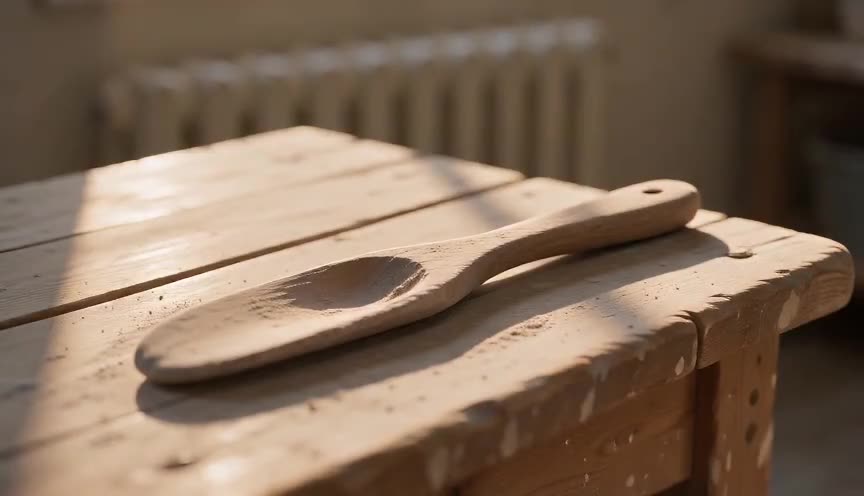
An insert shot is a type of cutaway that shows a detail belonging to the same scene, like a hand or a prop. A cutaway can go further afield, to a reaction elsewhere or a symbolic image outside the action.
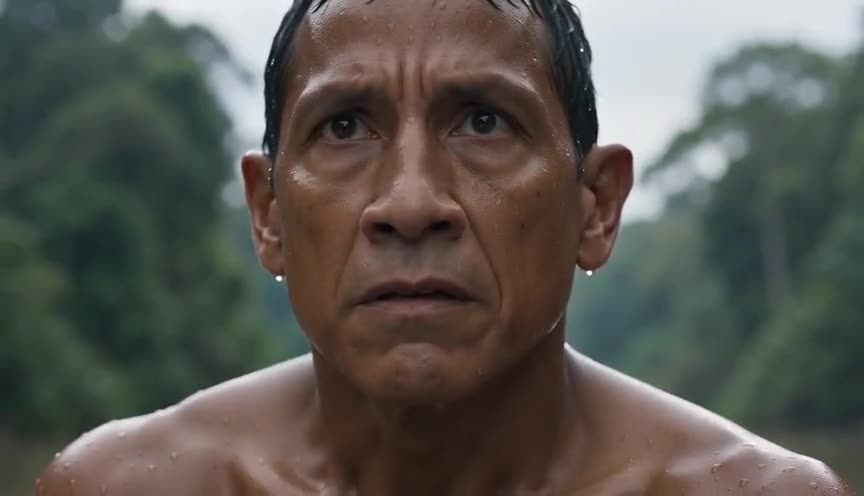
A close-up frames a person, usually the face, to read emotion. An insert frames an object or detail, not a performer, and often has no camera continuity with the rest of the scene at all.
In film
Pulp Fiction (1994)
Insert shots of the briefcase, the watch, and small objects punctuate scenes and load them with information the audience must decode.
No Country for Old Men (2007)
Insert shots of the coin in the gas station scene and the transponder hidden in the money make objects drive suspense.
The prompt
Name the object plainly and describe it filling most of the frame, not a person or a wide room. Specify a locked-off or barely moving camera, a shallow depth of field, and light that matches a believable scene (soft window light, warm practical light). Avoid asking for faces, dialogue, or camera movement that turns the shot into a tracking or establishing shot; the point is stillness and focus on one detail.
The exact prompt that rendered the video on this page. Keep the description of the move, change the subject and the setting.
Insert shot of a cluster of dark purple grapes hanging on a vine in a vineyard, close-up framing that fills most of the frame with the fruit and a few surrounding leaves. The camera is locked off on a tripod, completely static. Low golden autumn light rakes across the grapes from the side, depth of field is shallow so rows of vines blur softly behind. A light breeze stirs one leaf at the edge of frame while the grapes stay still, and a drop of dew slowly slides down the skin of a single grape. No text.
Common mistakes
Framing too wide
If the object shares the frame with too much background, the shot stops reading as an insert and just looks like a badly composed medium shot.
Lighting mismatch
Shooting the insert under different light than the master shot breaks continuity; the object will look pasted in when the editor cuts to it.
Overusing inserts
Cutting to too many detail shots in one scene chops up the rhythm and can make simple actions feel over-explained instead of clarified.
Frequently asked questions
What is an insert shot?
An insert shot is a tight, separately filmed close-up of an object or detail, cut into a scene to show the audience something the main coverage cannot make clear, like a note, a clock, or a hand on a doorknob.
How long should an insert shot last on screen?
Most inserts run one to three seconds, just long enough for the audience to read the object. Longer holds start to feel like a deliberate pause rather than a quick clarification.
What is the difference between an insert shot and a cutaway?
An insert shows a detail that belongs to the scene itself, like a prop an actor is holding. A cutaway can leave the scene entirely, showing a reaction elsewhere or a symbolic image not physically present in the shot.
How do I get a clean insert shot from an AI video generator?
Describe the object filling the frame, a static or barely moving camera, and consistent, motivated light. On a platform like Imaginode you can generate the insert and the surrounding scene separately, then match their lighting and color before cutting them together.