20 techniques
Shot sizes: choosing the right frame for every scene
Shot size sets the emotional distance between the audience and the subject. A close-up puts you inside a character's private moment, while a wide shot places that same character inside a world that can dwarf or protect them. Every size on the scale, from extreme close-up to extreme wide, is a decision about how much information and how much feeling you give the viewer in a single frame.
Choosing a shot size means matching scale to stakes. Use tight shots when emotion is the point, wide shots when geography or scale is the point, and medium shots for everyday conversation. In AI video prompts, specify the size explicitly, since models default to a generic medium shot unless told the framing you actually want.
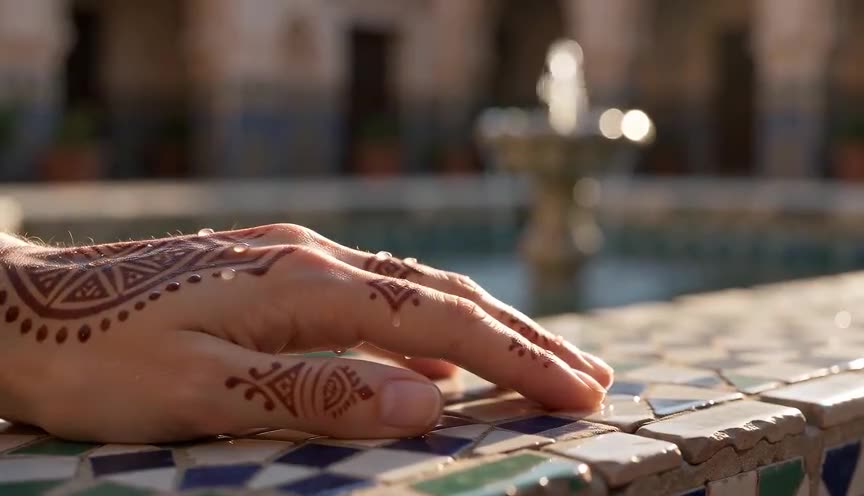
Extreme close-up
An extreme close-up frames a single detail, an eye, a mouth, a fingertip, so tightly that it fills the entire screen and cuts off almost all context. It strips away the sense of place and forces total attention onto texture, emotion or a small gesture.
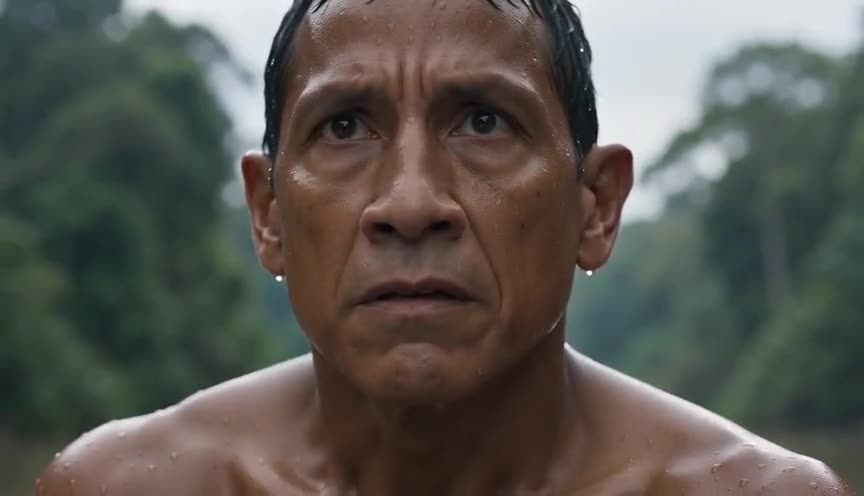
Close-up
A close-up frames a subject from roughly the collarbone up, filling the frame with the face so small expressions read clearly. It pulls the viewer into the character's inner state, turning a private feeling into a shared one.
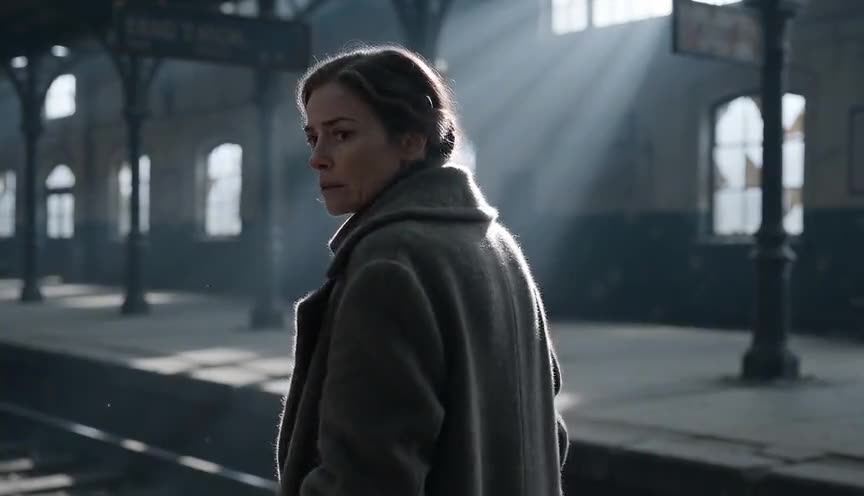
Medium close-up
A medium close-up frames a subject from roughly the chest or collarbone up, tighter than a medium shot but looser than a close-up. It keeps the face fully readable while still showing enough shoulders and setting to anchor the person in their environment.
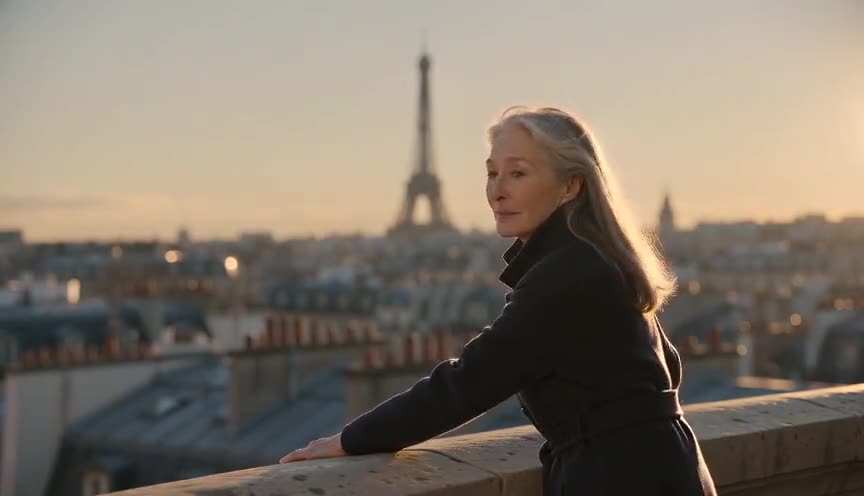
Medium shot
A medium shot frames a subject roughly from the waist up, keeping enough body language visible while still reading facial expression clearly. It gives the viewer a balanced dose of information and emotion, neither the intimacy of a close-up nor the context of a wide shot.
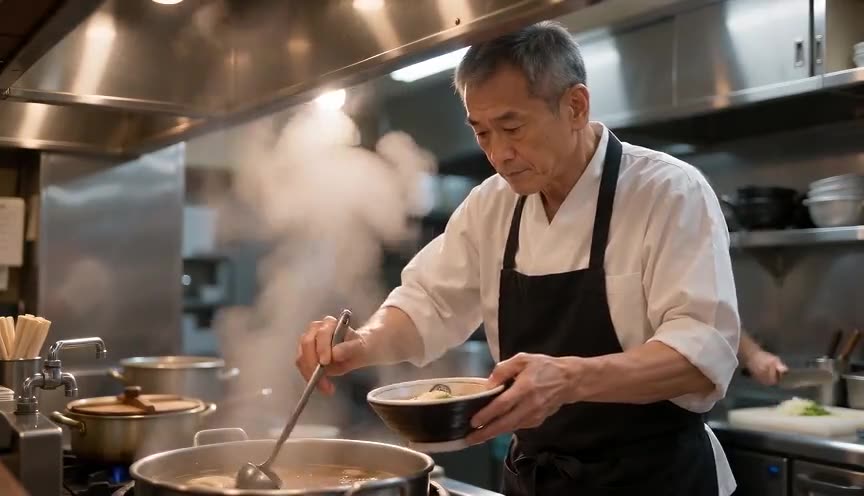
Cowboy shot
A cowboy shot frames a subject from about mid-thigh up to the top of the head, wider than a medium shot but tighter than a full shot. It keeps hands, hips and gesture visible alongside the face, so the viewer reads both the expression and the body language in a single glance.
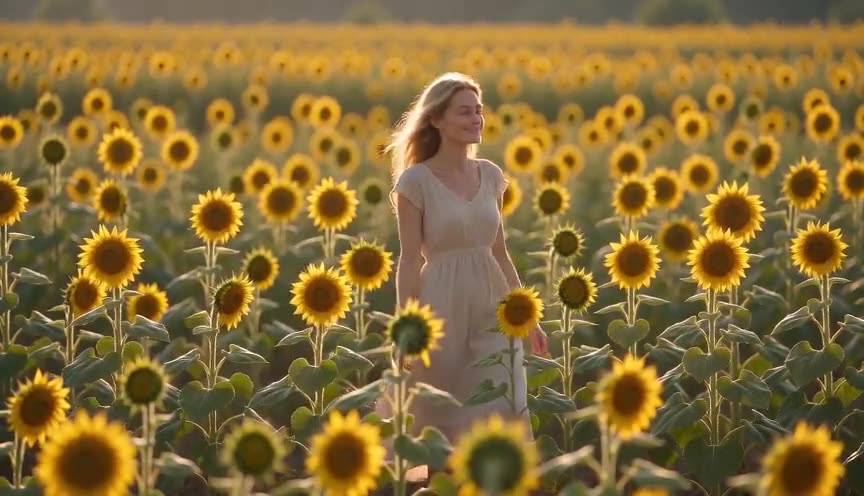
Full shot
A full shot frames a subject from head to toe, keeping the entire body inside the frame while still showing enough surrounding space to place them in their environment. It lets the viewer read posture, gesture and physical action as a whole, without the intimacy of a closer framing.
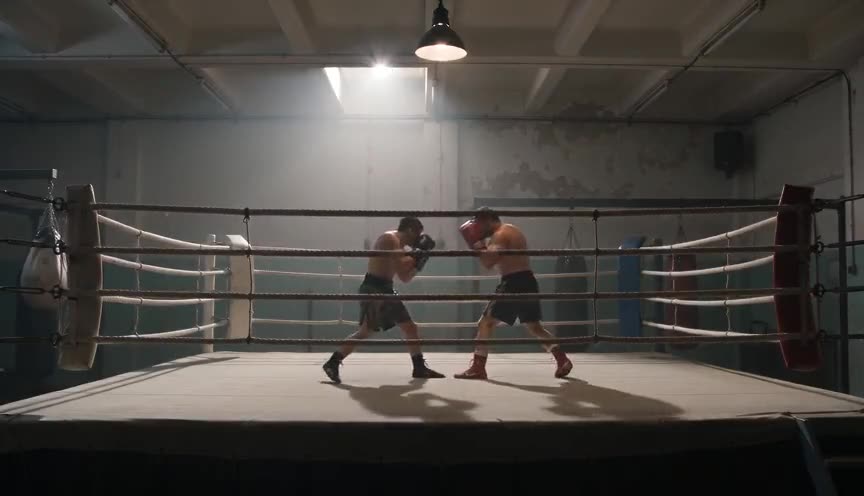
Wide shot
A wide shot frames a subject from head to toe while keeping enough of the surrounding location visible to read where the action happens. It lets the viewer register both the person and the space they move through, without the closeness of a tighter framing.
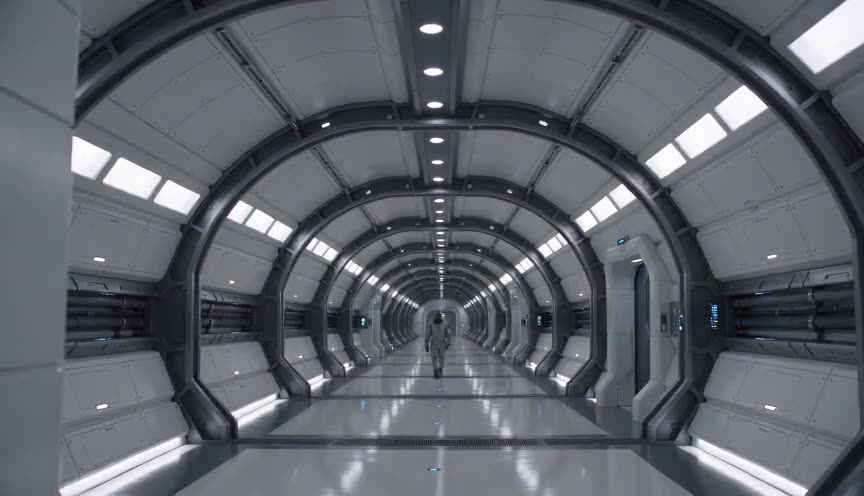
Extreme wide shot
An extreme wide shot places the subject as a tiny, often barely recognizable element within a much larger frame, prioritizing the surrounding environment over the human figure. It tells the viewer, at a glance, how small a person is against the scale of their world.
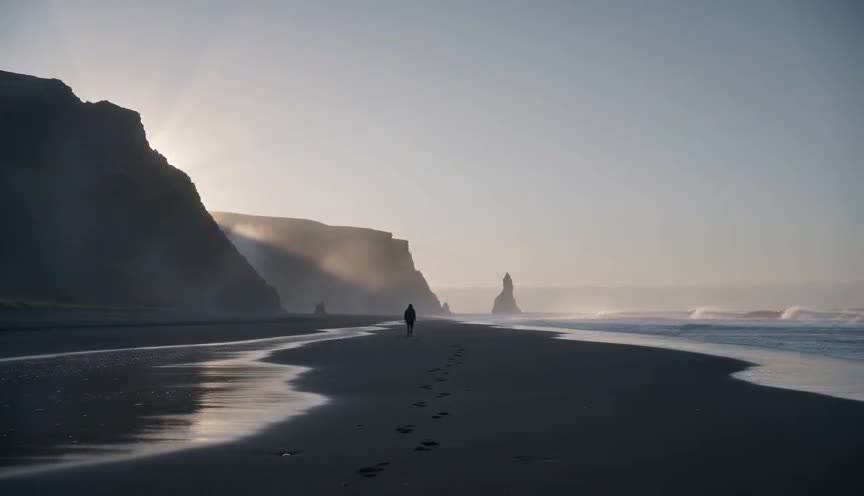
Establishing shot
An establishing shot is a wide or extreme wide view, usually at the start of a scene or sequence, that shows the audience where and often when the action takes place. It orients the viewer before the story moves in for closer, more detailed shots.
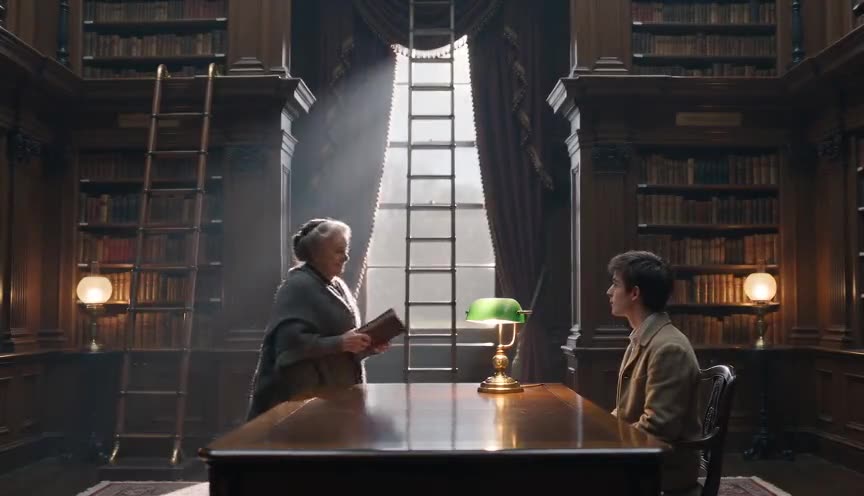
Master shot
A master shot is a wide take that runs through an entire scene from a single, uninterrupted vantage point, capturing all the action and dialogue as it happens. It gives the editor a full, uncut record of the scene to fall back on when cutting in closer shots.
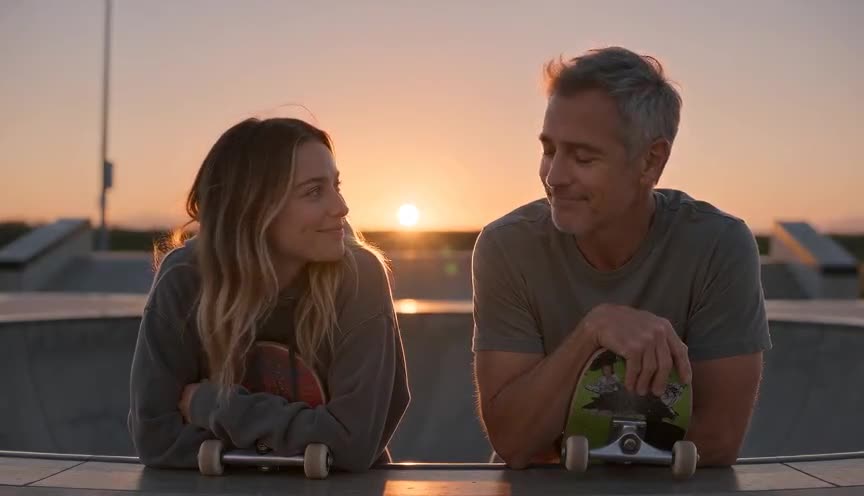
Two-shot
A two-shot is a shot framed to hold two people in the same frame at once, typically from the waist or chest up. It lets the viewer read both faces, both bodies and the space between them at the same time, without cutting, so the relationship becomes visible rather than described.
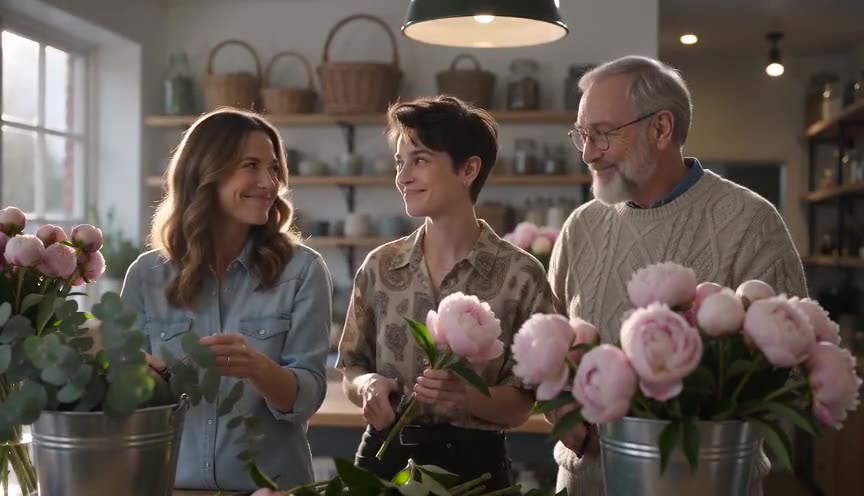
Three-shot
A three-shot is a single frame that holds exactly three people, usually arranged so all three faces or bodies read clearly at once. It tells the viewer these three characters share a moment, a decision, or a conflict, without a cut.
Group shot
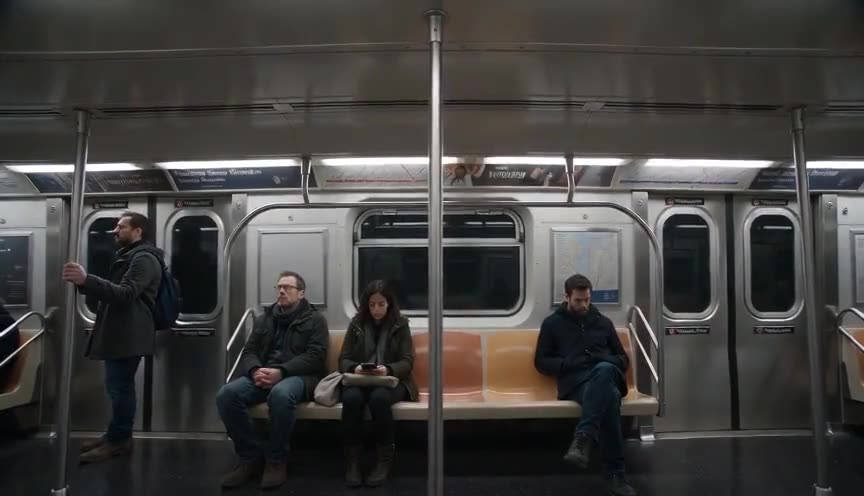
A group shot is a wide or full shot that frames three or more subjects together in a single composition, showing how they occupy space relative to one another. It lets the viewer read the dynamics of a crowd, team or family at a glance, without cutting to individuals.
Insert shot
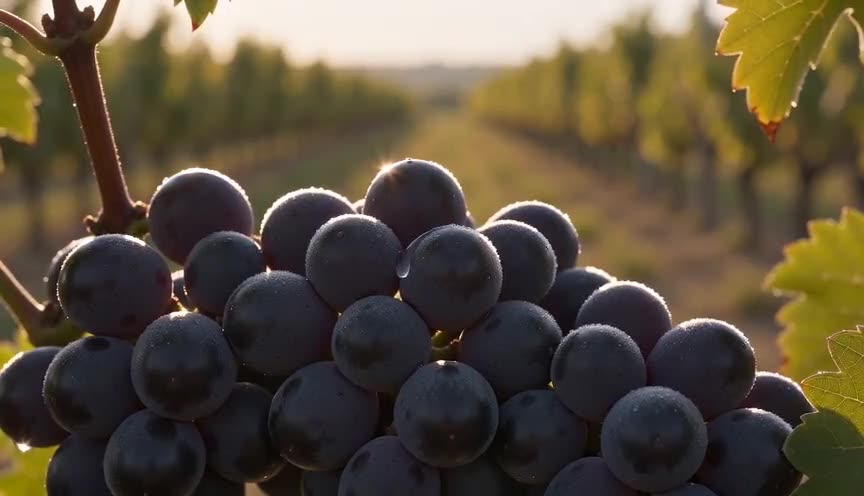
An insert shot is a close-up of an object or detail, filmed separately from the main action and cut into a scene to show something the wider shot cannot make clear. It directs the viewer's eye to one piece of information, a note, a wound, a ticking clock, without asking the actors to repeat their performance.
Cutaway
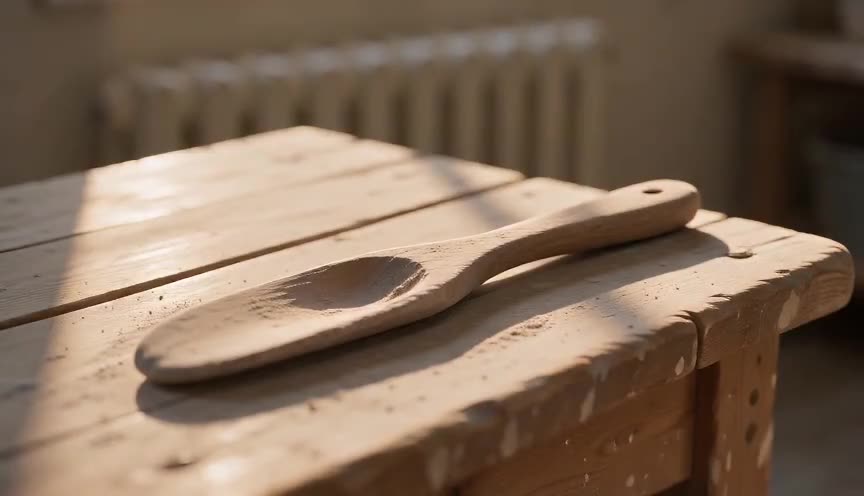
A cutaway is a brief shot that interrupts the main action to show something else in the scene, then returns to the original shot. It gives the editor a way to compress time, add information, or redirect attention without breaking the illusion of continuous action.
Reaction shot
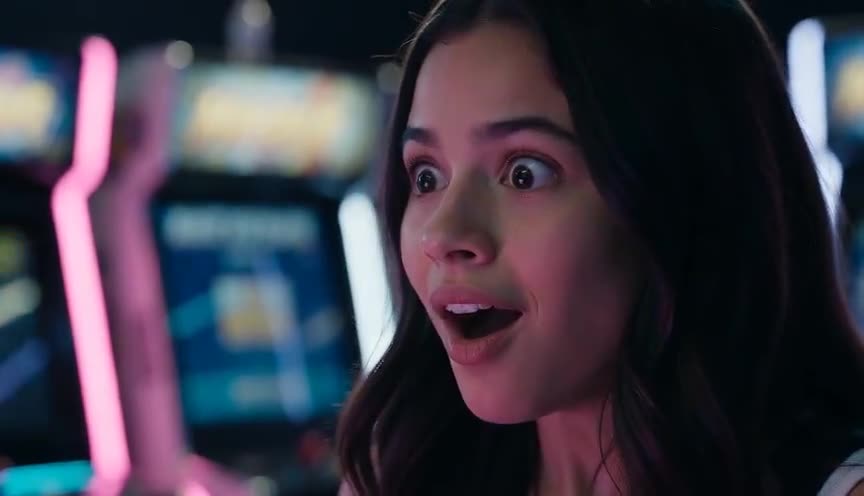
A reaction shot cuts away from the main action to show a character's face or body responding to it. It tells the viewer how to feel about what just happened by showing them how someone else feels about it.
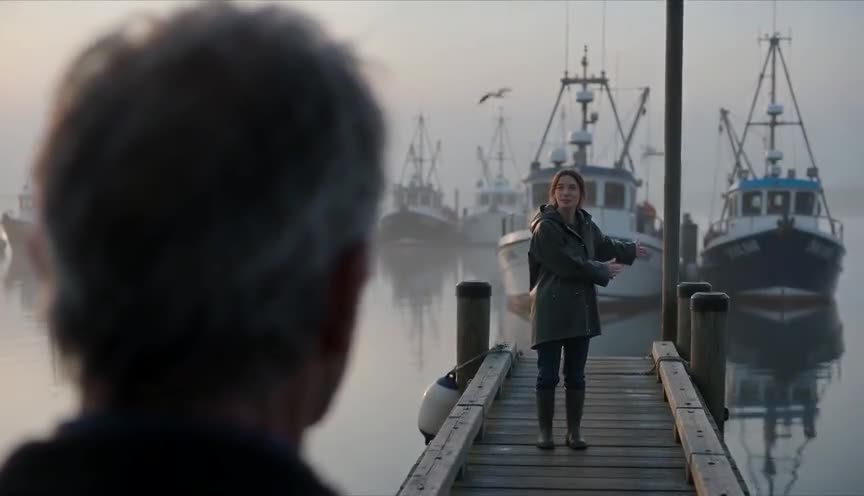
Over-the-shoulder shot
The over-the-shoulder shot frames one person from behind, showing part of their head and shoulder in the foreground while a second person faces the camera in the middle distance. It puts the viewer physically inside a conversation, aligned with one character's spatial point of view.
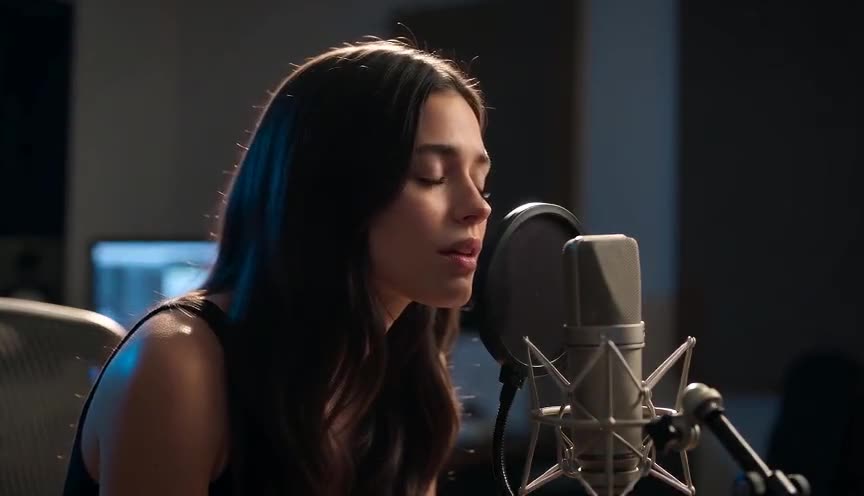
Single
A single is a shot that frames exactly one person alone, excluding everyone else from the frame even if other characters are present in the scene. It directs the viewer's full attention to that person's face, body language and performance, isolating their reaction from the group.
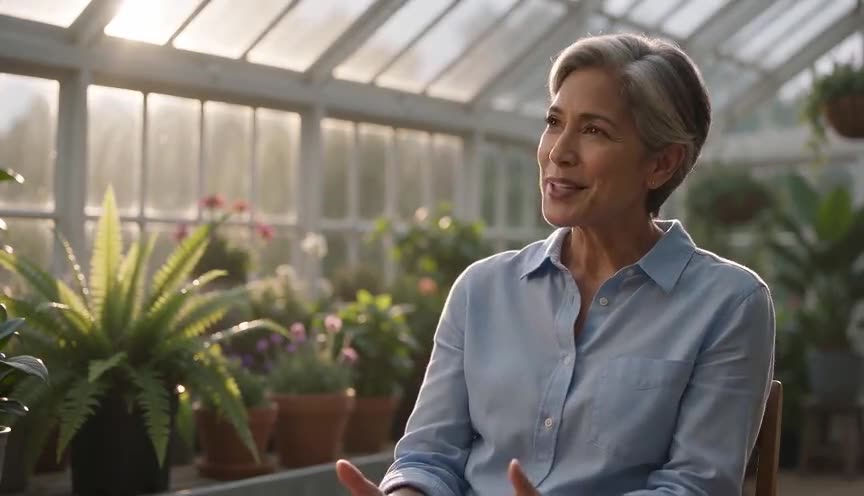
Interview framing
Interview framing is a medium close-up composition that places the subject off-center, looking across the frame toward an unseen interviewer instead of at the lens. It signals to the viewer that they are watching a real conversation, not a direct address, which builds a sense of authenticity and trust.
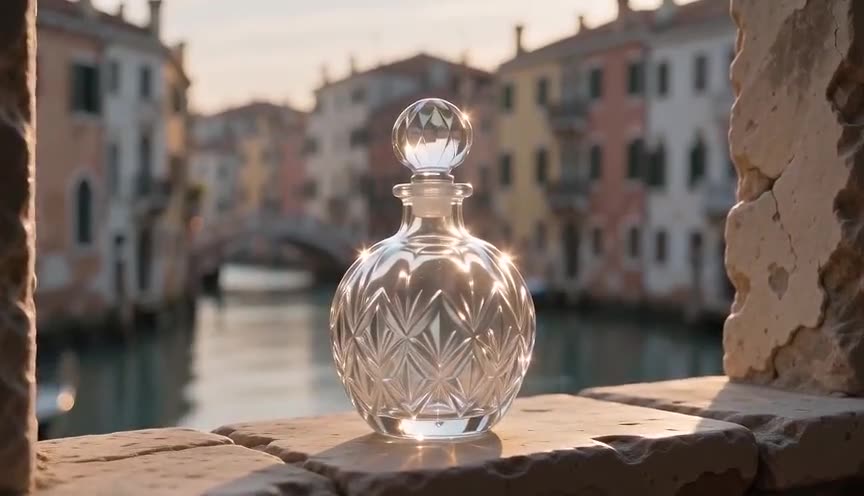
Product shot
A product shot is a framing that makes an object, rather than a person, the sole subject of the frame, using clean composition and controlled light to sell its shape, texture and detail. It directs the viewer's attention entirely onto the item, turning it into something worth wanting or remembering.
Frequently asked questions
What is the difference between a full shot and a wide shot?
A full shot frames a subject head to toe with little room to spare, keeping the focus on the body and gesture. A wide shot shows the subject within a larger environment, giving equal or greater weight to the surrounding space.
When should I use an establishing shot?
Use an establishing shot at the start of a scene or sequence to orient the audience in a new location. It answers where we are before the story moves to closer shots that show who is there and what they are doing.
How specific should shot size be in an AI prompt?
Very specific. Terms like medium close-up or cowboy shot give the model a precise crop to aim for, while generic phrases like nice shot of a person leave framing to chance and produce inconsistent results across generations.