Product shot
Also calledHero shot, Beauty shot, Object shot
A product shot is a framing that makes an object, rather than a person, the sole subject of the frame, using clean composition and controlled light to sell its shape, texture and detail. It directs the viewer's attention entirely onto the item, turning it into something worth wanting or remembering.
What it tells
Directors reach for the product shot when an object carries meaning beyond its function: a ring that seals a promise, a weapon that will return later, a bottle that defines a brand. Isolating the object from its surroundings tells the audience to stop and look, to register it as a character in its own right. In commercials the same instinct sells desire rather than drama, but the goal is identical: strip away distraction so the object's form, light and texture do the emotional work alone.
How it is shot
The camera usually sits close, often with a macro or short telephoto lens (50 to 100mm) to flatten perspective and keep the background soft. The set is cleaned of clutter, the surface wiped, and light comes from a soft key at roughly 45 degrees with a bounce or fill card to lift shadows without killing texture, plus a rim or kicker to separate edges from the background. A slow push-in, a turntable rotation, or a static locked-off frame are the most common moves, timed to reveal one new facet of the object every second or two. Focus is pulled precisely, often at f/4 to f/8, for enough depth to keep the whole object sharp.
When to use it
- Introducing an object the story will depend on later, like a key, ring or weapon.
- Selling a product's texture and form in an ad or brand film.
- Marking a turning point where an object changes hands or meaning.
- Opening or closing a scene on a meaningful item left behind or picked up.
Not to be confused with

An insert shot is any close detail cut into a scene mainly for information, like a clock or a note. A product shot frames an object as the deliberate hero, lit and styled to be admired, not just read.
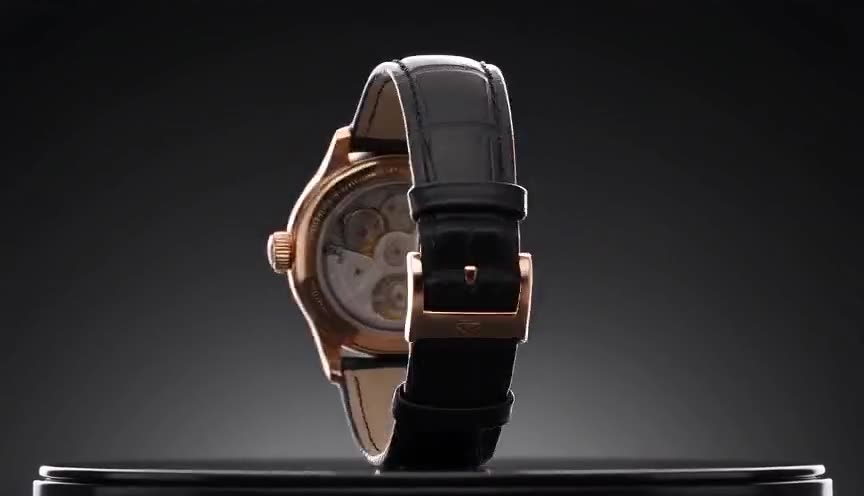
A turntable shot rotates the object (or the camera around it) to reveal every side in one continuous move. A product shot is the broader goal, and a turntable is just one of several camera treatments that can serve it.
In film
Christine (1983)
The opening titles use tight, lovingly lit close-ups of the car's parts on the assembly line, treating each piece like a hero product shot before the story begins.
Fight Club (1999)
The IKEA catalog sequence isolates furniture in showroom-like compositions, with graphics labeling each item as the Narrator turns his apartment into an advertisement.
The prompt
Name the object precisely and describe its material, and specify the light direction and quality (soft key at 45 degrees, a rim light) so the model does not default to flat overhead lighting. State the camera behavior in physical terms: a static locked-off frame, a slow push-in of a few inches, or a turntable rotation, and keep the background empty or blurred so nothing competes with the object. Avoid vague words like 'nice lighting' or 'professional'; name the light quality, the lens focal length, and the exact, small camera move instead.
The exact prompt that rendered the video on this page. Keep the description of the move, change the subject and the setting.
Product shot of a hand-blown Murano glass perfume bottle standing on a weathered stone windowsill above a Venetian canal, the bottle centered and sharp against a softly blurred background of pastel canal houses and gently rippling water. A 100mm macro lens holds a shallow depth of field while the camera performs a slow, continuous push-in of a few inches over four seconds, keeping the frame locked level and centered. Warm, soft key light comes from the low afternoon sun at a 45 degree angle, catching the glass's facets and casting a thin rim of light along its edge, with the background staying fixed and defocused throughout. No text.
Common mistakes
Cluttered background
A busy backdrop competes with the object and pulls the eye away from it. Clear the frame or blur the background enough that only the product reads sharp.
Flat, shadowless light
Even, frontal light with no shadow direction kills the sense of shape and texture. Angle the key light and add a rim to reveal edges and surface detail.
Overactive camera
A fast zoom, whip pan or shaky handheld move fights the stillness the object needs. Keep the move slow, small and predictable, or lock the camera off entirely.
Frequently asked questions
What is a product shot?
A product shot is a framing that isolates a single object as the main subject, using clean composition, controlled light and often a slow or static camera to show off its shape, material and detail without distraction.
How is a product shot different from a close-up of a person?
A close-up on a person is built around expression and emotion read on a face. A product shot removes the human subject entirely and treats an inanimate object with the same care, lighting and framing usually reserved for a face.
What lens is best for a product shot?
A macro lens or a short telephoto in the 50 to 100mm range is common because it flattens perspective, keeps the background soft, and lets you get physically close without distorting the object's true proportions.
How do you get a clean product shot from an AI video model?
Describe the object's material and size precisely, specify the light angle and quality instead of saying 'good lighting', and keep the camera move small and explicit. Tools like Imaginode's canvas make it easy to test a few phrasings quickly.