Close-up
Also calledCU, tight shot
A close-up frames a subject from roughly the collarbone up, filling the frame with the face so small expressions read clearly. It pulls the viewer into the character's inner state, turning a private feeling into a shared one.
What it tells
Directors reach for the close-up when the story needs to move from what a character does to what a character feels. It shrinks the world to a single face, removing context so the audience has nothing to read but expression: a flicker of doubt, a held breath, a tear that does not fall. Used sparingly, it becomes a punctuation mark, arriving at the exact moment a scene turns emotional.
How it is shot
Frame the top of the head to just below the collarbone, with eyes placed on the upper third of the image. A portrait lens between 50mm and 85mm on a full-frame sensor keeps facial proportions natural while a wider lens would distort the nose and cheeks. Shoot at a wide aperture, f/1.8 to f/2.8, so the background falls into soft blur and nothing competes with the face. Camera distance is usually 2 to 4 feet from the subject, adjusted so the lens does not loom. Light with a soft key at 30 to 45 degrees and a gentle fill to keep shadows readable, and hold the shot static or on a slow, almost imperceptible push for 3 to 6 seconds to let the audience read the face.
When to use it
- A character receives news that changes everything and the story needs their unguarded reaction
- A silent moment must carry more weight than any line of dialogue could deliver
- The audience needs to trust or doubt a character based on their face alone
- A scene builds toward a decision and the close-up marks the instant it is made
Not to be confused with
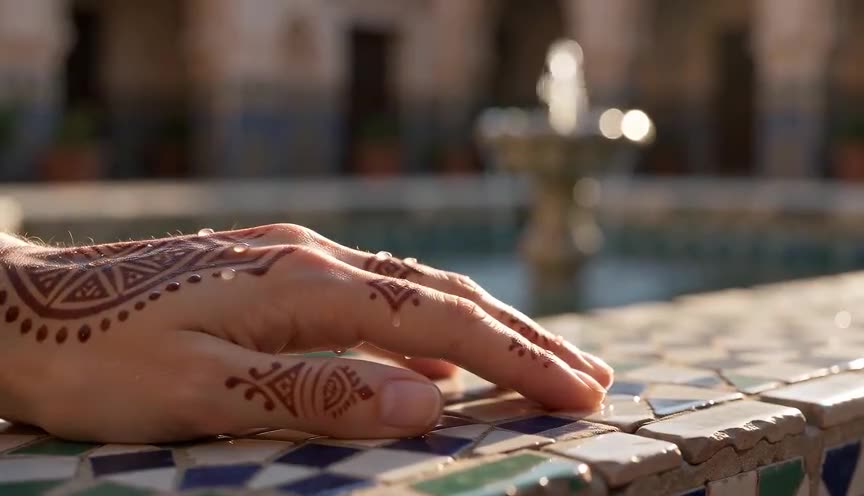
An extreme close-up isolates a single feature like the eyes or mouth, going further than the close-up's full-face frame; it reads as more intense, sometimes uncomfortable, and less naturalistic.
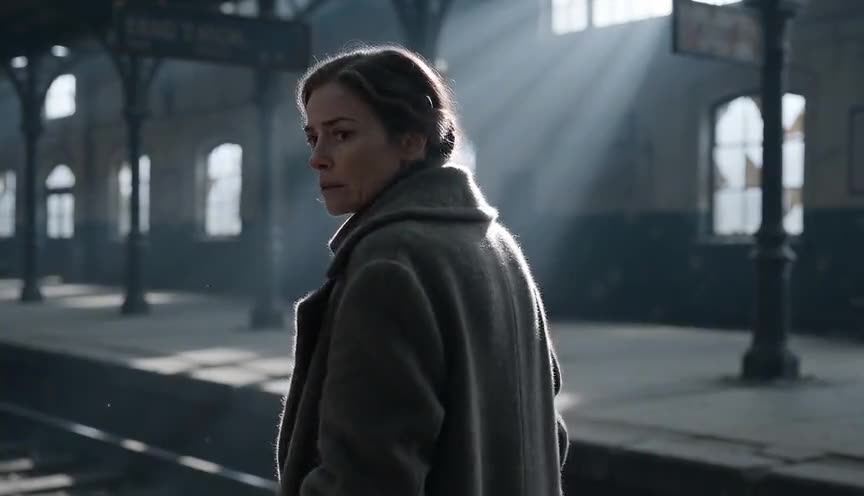
A medium close-up frames from the chest up, keeping a bit more of the shoulders and posture visible; it reads as slightly more composed and less intimate than a true close-up.
In film
The Silence of the Lambs (1991)
Close-ups on both leads during interrogation scenes turn dialogue into a psychological duel read entirely through the eyes.
Persona (1966)
Repeated close-ups of the two women's faces, sometimes merging them, make the close-up itself a subject of the film.
The prompt
Name the exact frame line (chest up or collarbone up) and the lens, since AI models often default to wider shots. Specify a shallow depth of field explicitly so the background blurs instead of staying sharp, and describe the light direction on the face rather than leaving it generic. Avoid vague words like 'emotional shot'; instead describe the physical micro-expression you want, such as a slow blink or a jaw tightening, so the model has something concrete to render.
The exact prompt that rendered the video on this page. Keep the description of the move, change the subject and the setting.
Close-up shot of a weathered river guide in his fifties, dark skin beaded with sweat, framed from the collarbone up against the blurred green of a rainforest river behind him. Shot on an 85mm lens at a wide aperture so the jungle and water dissolve into soft bokeh, his face the only sharp element. Soft overcast light wraps evenly across his features. The camera holds static as his eyes narrow slightly and his jaw tightens, reacting to something unseen downstream, then his expression eases into quiet resolve. No text.
Common mistakes
Using a wide lens
A 24mm or 35mm lens this close distorts the face, enlarging the nose and flattening the ears, which reads as unflattering and unintentional rather than stylistic.
Deep focus background
Keeping the background sharp behind a close-up competes with the face for attention and undercuts the intimacy the frame size is meant to create.
Holding it too long or too short
Under two seconds reads as a mistake or a glitch, while past eight seconds without a change in expression starts to feel static and loses tension.
Frequently asked questions
What is a close-up shot in film?
It is a shot that frames a subject roughly from the collarbone or shoulders up, filling the frame with the face so the viewer reads expression and emotion clearly, without background distraction.
What lens is best for a close-up?
A 50mm to 85mm lens on a full-frame camera keeps facial proportions natural while allowing a comfortable working distance and a soft, blurred background at a wide aperture.
How is a close-up different from a medium shot?
A medium shot includes the torso and some of the surrounding space, giving context to posture and gesture, while a close-up removes that context to focus entirely on facial expression.
Can AI video tools generate a convincing close-up?
Yes. Tools on Imaginode render close-ups reliably when the prompt states the exact frame line, lens, and depth of field, since those details anchor the model's default framing choices.