Clean frame
Also calledClean composition, Uncluttered frame, Minimalist frame
A clean frame is a composition stripped of visual clutter: no crossing background elements, no competing color, no stray motion near the subject. It lets the viewer's eye find the subject instantly and hold it without distraction.
What it tells
Directors reach for a clean frame when they want the viewer to feel certainty rather than noise: a single figure against open space reads as isolated, exposed, or resolute depending on context. It slows the eye down and gives a line, a gesture, or a decision room to land. In contrast to a busy world, the clean frame becomes a pause, a held breath before or after chaos.
How it is shot
Choose a background with a single tone or texture (sky, wall, sand, water) and position the subject so nothing else breaks the plane behind them. Use a longer lens (50mm to 135mm) at a medium aperture to compress the background into one flat field, or a wide lens on an empty location where there is simply nothing to clutter. Light evenly, avoid shadows that create secondary shapes, and time the shot so no crew, vehicle, bird, or extra crosses frame. On set this often means locking off traffic, clearing extras, and shooting during a quiet window; in post it can mean patching out a stray element with a plate or paint fix.
When to use it
- Introducing a character whose decision or state of mind needs full, undivided attention.
- Opening or closing a sequence where silence and stillness should register visually.
- Isolating a product or object so nothing competes with it for the eye.
- Contrasting a chaotic scene before it with a moment of clarity or resolution.
Not to be confused with
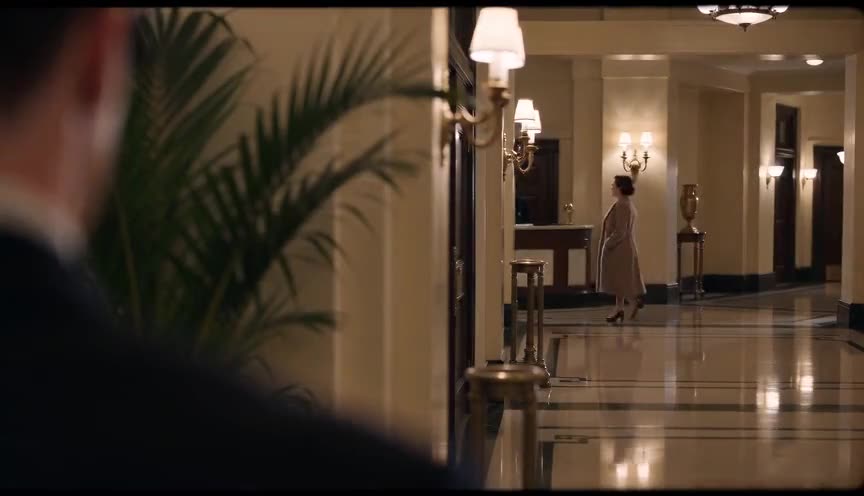
Dirty frame deliberately puts foreground clutter, blur, or crossing elements between camera and subject to add texture or voyeurism. Clean frame does the opposite: it removes everything that is not the subject.
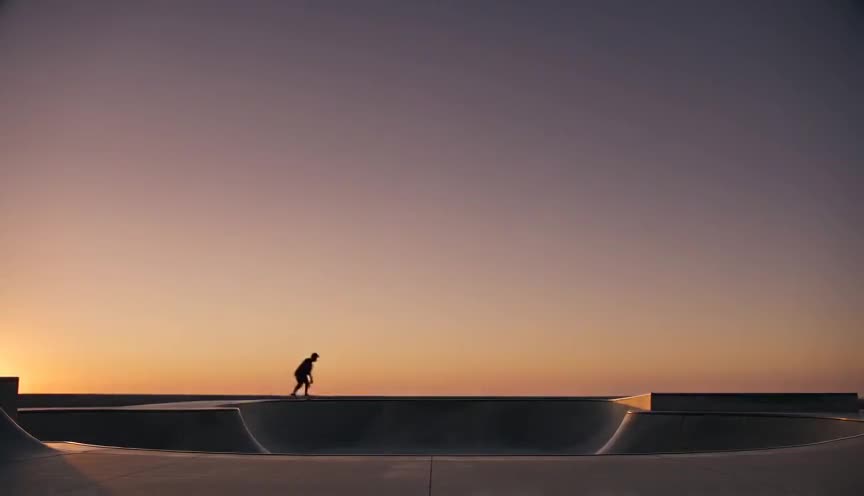
Negative space is the empty area itself and how it balances the subject within the frame. Clean frame is the broader discipline of keeping that space, and everything else in the shot, free of clutter.
In film
Lawrence of Arabia (1962)
Wide desert shots isolate a single figure against empty sand and sky with nothing else in frame, making scale and solitude the whole point.
Under the Skin (2013)
Interior scenes place the subject against pure black or white voids, stripping the frame to a single silhouette to unsettle the viewer.
The prompt
Name the background material explicitly (plain sky, bare wall, empty flat ground) and say that nothing else enters the frame. Specify that the camera does not move and that light stays flat and even, since motion or shadow shifts can read as clutter. Avoid crowd words, props, or weather effects unless one is the intended subject, and state the shot stays locked for the full duration so the model does not add passersby or debris.
The exact prompt that rendered the video on this page. Keep the description of the move, change the subject and the setting.
Clean frame: a wide static shot of a woman in a plain gray jumpsuit standing alone on a vast white salt flat that stretches to a flat horizon under an overcast sky. The frame holds nothing else, no rocks, no vehicles, no other people, no clouds crossing the sky. She stands still, arms at her sides, centered in open negative space. The camera does not move, the light stays flat and even, and no element enters or exits the frame for the full four seconds. No text.
Common mistakes
Letting props sneak into the background
A stray chair, sign, or vehicle in the far background undoes the whole point of the shot and pulls the eye away from the subject.
Uneven lighting creating secondary shapes
Hard shadows or hot spots on the backdrop act like clutter even when nothing physical is there, breaking the flat plane behind the subject.
Confusing clean with empty and boring
A clean frame still needs strong subject placement, posture, and a reason to hold; without that it just looks unfinished rather than deliberate.
Frequently asked questions
What is a clean frame in filmmaking?
It is a shot composed so nothing but the subject occupies the viewer's attention: no clutter, no crossing movement, no competing color or texture in the background.
Why do cinematographers use a clean frame instead of a busy background?
A clean frame removes distraction so an emotional beat, a line of action, or a product reads instantly, which matters most at moments the story needs full clarity.
How is clean frame different from negative space?
Negative space describes the empty area around a subject and how it is balanced. Clean frame is the wider practice of keeping that entire shot free of clutter, including motion and light.
Can AI video tools generate a convincing clean frame?
Yes, tools like the models available on Imaginode handle it well if the prompt names the plain background explicitly and states that the camera stays locked and nothing enters the frame.