Wide shot
Also calledLong shot, WS, Full shot (loosely)
A wide shot frames a subject from head to toe while keeping enough of the surrounding location visible to read where the action happens. It lets the viewer register both the person and the space they move through, without the closeness of a tighter framing.
What it tells
Directors reach for the wide shot to let action breathe and to let geography do storytelling work. It shows how a character relates to a room, a crowd, or an opponent, and it gives physical performance room to register: footwork, posture, distance between bodies. Because it holds emotion at arm's length, it also creates suspense or objectivity, letting the audience judge a scene rather than being pulled into a face.
How it is shot
On a real set this is usually shot with a lens in the 24mm to 40mm range on a full-frame sensor, camera placed far enough back that the full figure fits with headroom and footroom to spare. The frame typically covers a third to two thirds of the set width, so blocking and set dressing both matter: floors, walls, ropes, or crowd need to read clearly. Lighting is set for the whole space, not just a face, often with practicals or a soft key covering the full playing area. Focus is usually deep, keeping foreground and background sharp so the environment stays legible while action plays out inside the frame.
When to use it
- Introducing a character in relation to a specific place, job, or crowd around them
- Filming physical action like a fight, dance, or chase where footwork and spacing matter
- Building tension by keeping distance instead of cutting in for emotional emphasis
- Showing two or more people interacting with the full set visible around them
Not to be confused with
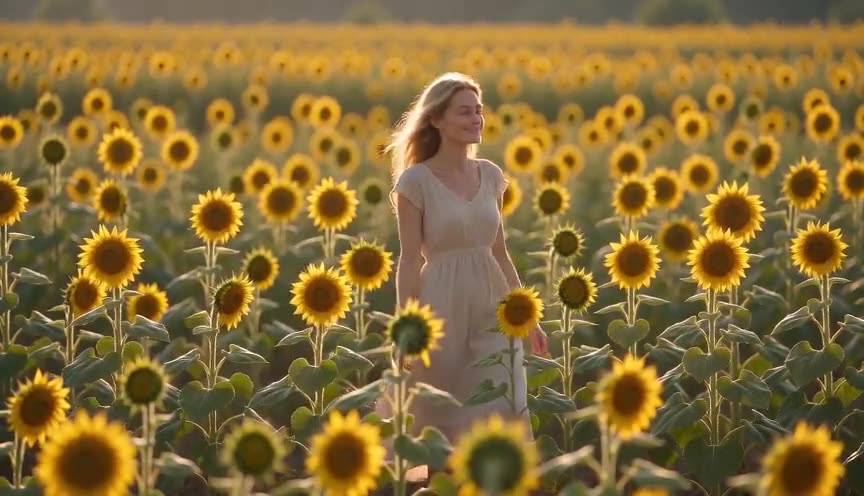
A full shot frames the body edge to edge with minimal environment, while a wide shot deliberately keeps more surrounding space visible, favoring context over the figure itself.
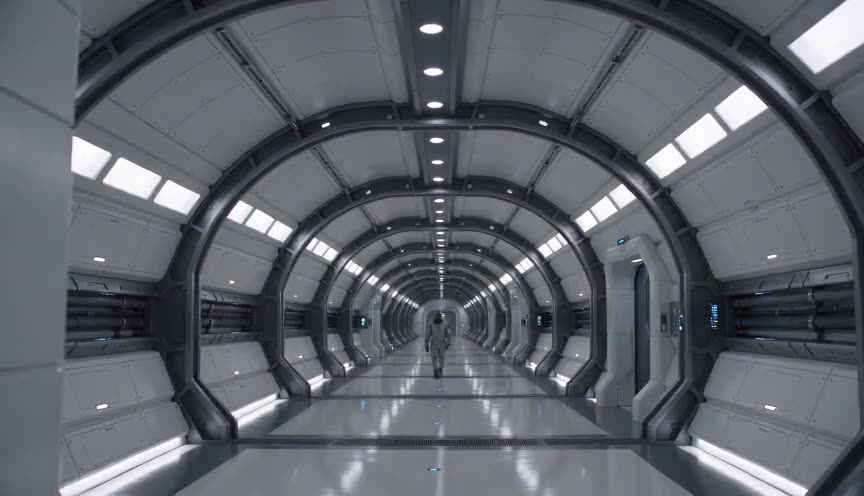
An extreme wide shot shrinks the subject to a small element inside a vast space, often for scale or isolation, while a wide shot keeps the subject clearly the dominant figure in frame.
In film
Raging Bull (1980)
Wide shots inside the ring show full body movement and the crowd beyond the ropes, turning fights into staged, almost balletic geography.
Rocky (1976)
Training and sparring sequences use wide framing to show the gym itself, from heavy bags to peeling walls, as part of the character's world.
The prompt
Name the framing directly: full body, head to toe, with visible room or environment around the subject. Specify lens (24mm to 35mm), camera distance, and that focus stays deep so background stays sharp. Describe what fills the space, floor, walls, other people, since the wide shot lives or dies on legible surroundings. Avoid words that push the model toward a close framing like intimate, portrait, or tight, and avoid vague location terms that leave the background empty or generic.
The exact prompt that rendered the video on this page. Keep the description of the move, change the subject and the setting.
Wide shot inside a worn boxing gym, camera locked on a tripod at a distance showing two boxers sparring full body from head to toe, ring ropes and hanging heavy bags visible on either side. A 28mm lens keeps both fighters and the surrounding gym in deep focus, overhead work lights casting hard shadows across the canvas floor. The camera does not move; only the boxers shift weight, trade slow jabs, and circle each other within the frame. No text.
Common mistakes
Empty background
Framing wide but leaving the space bare removes the reason for the shot; the environment should have visible detail worth showing.
Cropping the feet
Cutting off ankles or feet turns a wide shot into an accidental medium shot and breaks the full-body read that defines the size.
Shallow focus
Blurring the background defeats the purpose of a wide shot, which relies on both subject and setting being legible together.
Frequently asked questions
What is a wide shot?
A wide shot is a camera framing that shows a subject's full body along with a good amount of the surrounding location, letting viewers see both the person and the space they occupy.
What is the difference between a wide shot and a long shot?
In practice the terms are used interchangeably by most filmmakers today; both describe a full-body framing with visible environment, though some older texts use long shot more loosely for anything shot from a distance.
What lens is best for a wide shot?
Lenses between 24mm and 35mm on a full-frame camera are common, since they capture the full figure plus surrounding space without the heavy distortion of an ultra-wide lens.
Can AI video tools generate a convincing wide shot?
Yes; tools built for this like Imaginode handle wide framing well when the prompt names the full-body distance, the lens, and specific background detail, since vague prompts tend to default to closer framings.