Full shot
Also calledFull figure shot, Long shot (US usage), Head-to-toe shot
A full shot frames a subject from head to toe, keeping the entire body inside the frame while still showing enough surrounding space to place them in their environment. It lets the viewer read posture, gesture and physical action as a whole, without the intimacy of a closer framing.
What it tells
Directors reach for the full shot when the body itself is the message: a dancer's line, a gunslinger's stance, the way someone carries their weight when they walk into a room. It keeps the character connected to their surroundings, so the audience reads both who they are and where they stand, without losing the emotional read that a wider shot would flatten.
How it is shot
The camera is placed so the subject's head sits near the top of frame and the feet near the bottom, with a small margin of headroom and footroom, usually a few inches to a foot on a standard TV frame. A 35mm to 50mm lens is common because it keeps the body proportions natural without the distortion of a wide lens. Distance from subject to camera depends on the lens: roughly 8 to 15 feet with a 50mm. The shot is usually static or on a light tripod pan to follow movement, and framing is checked so no limb is clipped at the edges.
When to use it
- Introducing a character's physical presence, costume or body language for the first time.
- Filming dance, martial arts or sports where full-body movement carries the meaning.
- Showing a standoff or confrontation where stance and distance between people matter.
- Placing a single figure inside a landscape or set without losing their identity.
Not to be confused with
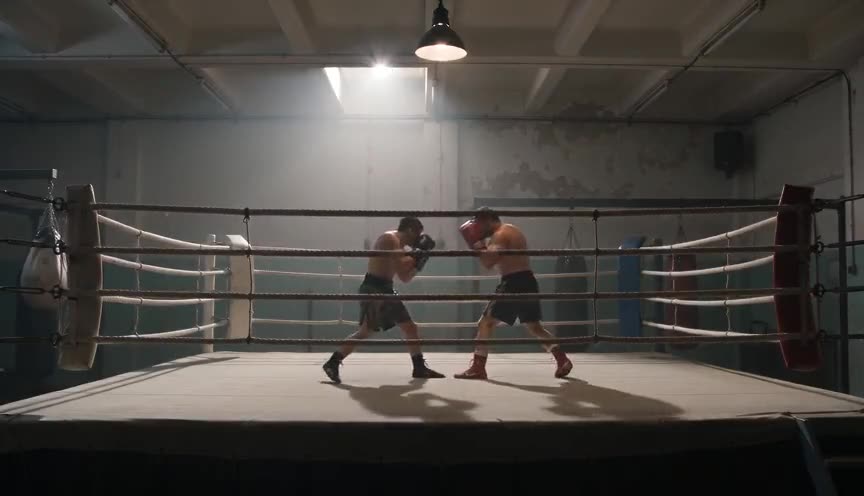
A wide shot pulls back further and prioritizes environment over the human figure, which becomes small in the frame. A full shot keeps the whole body legible as the main subject, with the setting as context, not the focus.
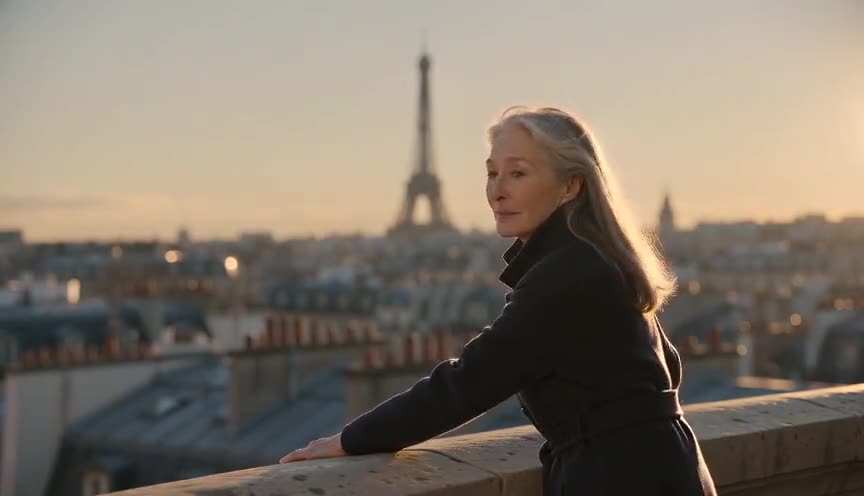
A medium shot crops the body at the waist or thighs, favoring facial expression and upper-body gesture. A full shot keeps the feet in frame, which matters for stance, walking, dancing or fighting.
In film
Singin' in the Rain (1952)
The title dance number uses full shots repeatedly so Gene Kelly's entire body, from splashing feet to swinging arms, stays visible in frame.
The Good, the Bad and the Ugly (1966)
The final three-way standoff frames each gunslinger in full shot to show stance, hand position and distance before the draw.
The prompt
Name the shot explicitly and describe the framing physically: head near the top edge, feet near the bottom edge, a small margin of space on each side. State the lens (35mm or 50mm reads as natural, not distorted) and the camera-to-subject distance. Avoid vague terms like 'full body shot' alone; add what stays static and what moves, since a full shot can drift toward medium if the model crops in. Keep the background simple so the whole figure reads clearly.
The exact prompt that rendered the video on this page. Keep the description of the move, change the subject and the setting.
Full shot of a woman in her thirties walking slowly through a sunflower field at midday, framed so her entire body from head to toe stays inside the frame with a hand's width of space above her head and below her feet. The camera stays locked on a tripod at chest height, roughly ten feet away, using a 50mm lens. She moves left to right at a steady pace, sunflowers swaying around her waist, background soft and evenly lit. No text.
Common mistakes
Cropping feet or head
Letting the frame edge cut through ankles or hairline turns the shot into an accidental medium shot and breaks the read on posture and stance.
Standing too close
Placing the camera closer than the lens allows for a full body pushes toward a cowboy or medium shot, losing the head-to-toe framing the technique requires.
Busy or cluttered background
A crowded set competes with the full figure for attention, making it hard for the eye to settle on the subject's body language.
Frequently asked questions
What is a full shot?
A full shot is a framing that shows a subject's entire body, from head to toe, inside the frame, with a small margin of space above and below. It reveals posture, gesture and movement while still showing some of the surrounding environment.
How is a full shot different from a wide shot?
A full shot keeps the human figure as the dominant element with the body filling most of the vertical frame. A wide shot pulls back further, making the environment the dominant element and the figure comparatively small.
What lens should I use for a full shot?
A 35mm to 50mm lens is the standard choice because it keeps body proportions natural. Wider lenses can distort limbs near the frame edges, and longer lenses require more distance from the subject to fit the whole body in frame.
How do I get a clean full shot from an AI video model?
Describe the framing physically (head near top edge, feet near bottom edge), name the lens, state the camera distance and keep the description of camera movement explicit. Tools like Imaginode work better with concrete physical instructions than with vague size labels alone.