Step printing
Also calledStep-printed slow motion, Frame-holding, Peckinpah cut
Step printing is a technique in which each frame of a shot is printed or held two or three times before advancing to the next, producing a jerky, stroboscopic slow motion instead of smooth slow motion. It makes movement feel fragmented and heightened, pulling the viewer's attention to the mechanics of the image itself.
What it tells
Directors reach for step printing when a moment needs to feel ritualistic, unreal or violently decisive rather than gracefully slowed. The stutter breaks the illusion of continuous motion, so a death, an impact or a collapse registers as something outside normal time, almost like the film itself is having trouble processing what it just recorded. It stylizes and distances at once, turning a single beat into a small spectacle.
How it is shot
In the optical printer era, technicians rephotographed each frame of the original negative two or three times before advancing to the next frame, effectively slowing the shot while preserving a jittery, non-blended motion. Sam Peckinpah famously shot with several cameras running at different speeds (24, 30, 60 and 90 frames per second) and intercut step-printed footage with normal-speed material for maximum contrast. Today the effect is built digitally: an editor duplicates or holds frames in the timeline, choosing how many times each frame repeats (commonly 2x to 4x), sometimes starting from footage shot at a higher frame rate for cleaner control over the stutter.
When to use it
- To stylize a violent impact or death so it reads as ritualistic rather than smoothly slowed
- When the mechanics of the image should feel present, jarring the viewer out of immersion
- For a nightmare or flashback where movement needs to feel unnatural and fragmented
- To punctuate one decisive action beat inside an otherwise normally paced scene
Not to be confused with
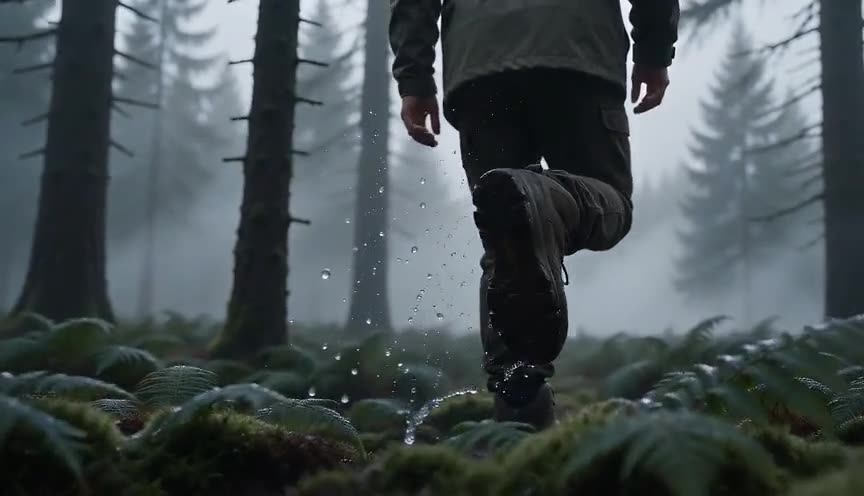
Slow motion smooths movement by playing back footage captured at a higher frame rate, so the action stays fluid, just slower. Step printing duplicates frames instead, creating a jerky, strobing rhythm that draws attention to the artifice of the image.
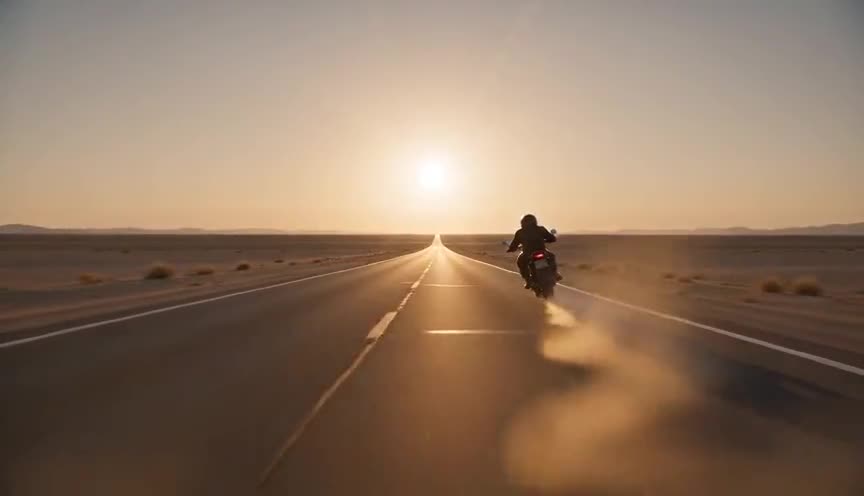
Stutter motion repeats short bursts of frames rhythmically across a whole shot for a percussive, glitchy texture. Step printing is usually reserved for one climactic moment, stretching it rather than stuttering continuously through the take.
In film
Chungking Express (1994)
Christopher Doyle and Wong Kar-wai use step printing in the opening chase, turning Hong Kong street movement into smeared, stuttering slow motion.
Fallen Angels (1995)
Nighttime motorcycle rides and hitman passages use step printing with wide angle lenses, making neon Hong Kong motion pulse, smear, and lurch.
In the Mood for Love (2000)
In the repeated walks to the noodle stall, step-printed slow motion makes Maggie Cheung and Tony Leung seem suspended in ritualized time.
The prompt
AI video models do not literally step-print, so describe the visual result rather than the lab process: motion that seems to hold on a pose and then skip forward, a strobing or stuttering slow motion rather than smooth slow motion. Use words like jerky, stroboscopic, frames that hold and skip, and explicitly avoid words like smooth or fluid, which push the model toward ordinary slow motion. Keep the action non-violent and physical (a falling object, a collapsing structure) rather than aimed weapons.
The exact prompt that rendered the video on this page. Keep the description of the move, change the subject and the setting.
Step printing: in a medieval stone village square, a loaded wooden cart hits a rut and tips sideways, spilling bundles of straw into the air. The motion is rendered as jerky, stroboscopic slow motion, each pose of the tipping cart and scattering straw seems to hold for a beat then skip forward, never blending smoothly between positions. The camera is locked on a low tripod at eye level, framing the cart center-frame with stone walls and thatched roofs static behind it, flat overcast daylight, no camera movement. No text.
Common mistakes
Confusing it with slow motion
Producing smooth, blended slow motion instead of the jerky frame-holding rhythm defeats the point of step printing and reads as a rendering mistake.
Overusing the stutter
Applying the jerky rhythm to every action beat in a sequence dilutes its shock value; step printing works because it interrupts an otherwise normal flow.
Applying it to the wrong subject
Using the technique on quiet dialogue or calm gestures makes the fragmentation feel like a glitch rather than a deliberate stylistic choice.
Frequently asked questions
What is step printing?
Step printing is a technique in which each frame of a shot is printed or held multiple times before advancing, so movement slows down but stutters instead of flowing smoothly, giving the action a jerky, stroboscopic quality.
How is step printing different from regular slow motion?
Regular slow motion comes from shooting at a higher frame rate and playing it back slower, so the image stays fluid. Step printing repeats existing frames, which breaks the smoothness and creates a jarring, staggered rhythm on purpose.
Can I get step printing with AI video generators?
You can approximate the look by describing a jerky, frame-holding slow motion rather than asking for smooth slow motion. Tools like those on Imaginode respond well to explicit words such as stroboscopic or skipping frames when you want this stuttered rhythm.
Why did Sam Peckinpah use step printing?
Peckinpah wanted violence in his films to feel operatic and unnatural rather than realistic, so he combined step-printed footage with multiple camera speeds to stretch and fragment key moments of gunfire and death.