14 techniques
Time and motion: controlling the speed of the story
Time and motion techniques manipulate the actual speed of events on screen, separate from how a shot is framed or lit. Slow motion stretches a moment for emphasis, time-lapse compresses hours into seconds to show change, and a freeze frame stops time entirely to underline a single instant. These tools let you control pace at the most fundamental level, faster or slower than real life allows.
Choose a time technique based on what the moment needs the audience to feel about duration itself. Use slow motion for impact and emotional weight, fast motion or time-lapse for passage of time and montage energy, freeze frame for punctuation and emphasis. In AI video prompts, specify the technique directly, since these are distinct generation behaviors, not just playback speed edits.
Slow motion
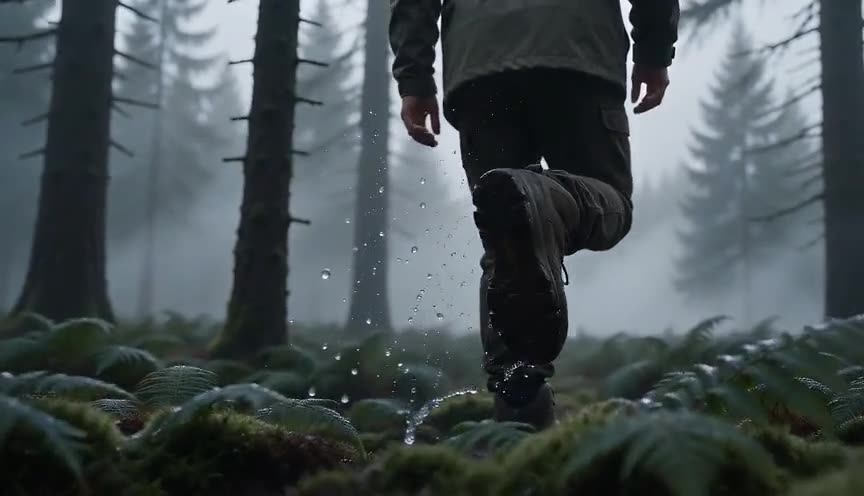
Slow motion is footage played back slower than the speed it was recorded, most often by overcranking the camera to a higher frame rate than the projection rate. It stretches an instant into several seconds, letting the viewer see gesture, impact and expression that normal speed hides.
Fast motion
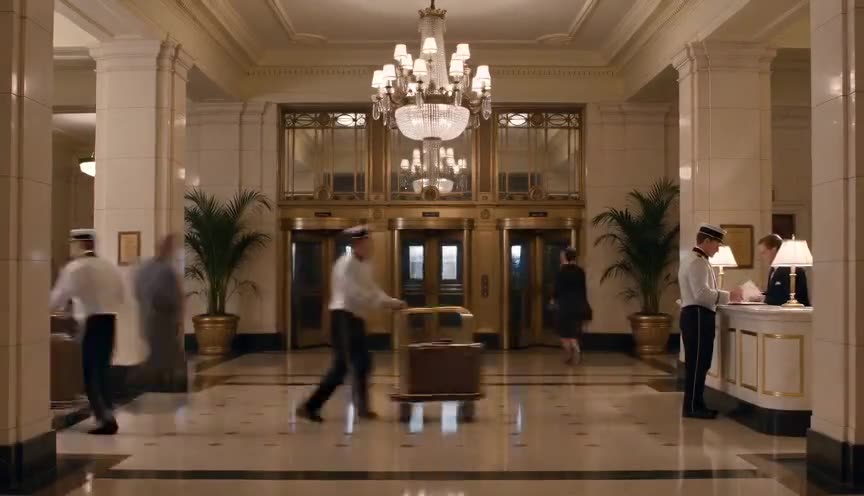
Fast motion plays footage back faster than it was recorded, compressing real time into a shorter screen time. It makes movement look sped up, jittery and exaggerated, telling the viewer to read the scene as comic, chaotic or a quick passage of time.
Speed ramp
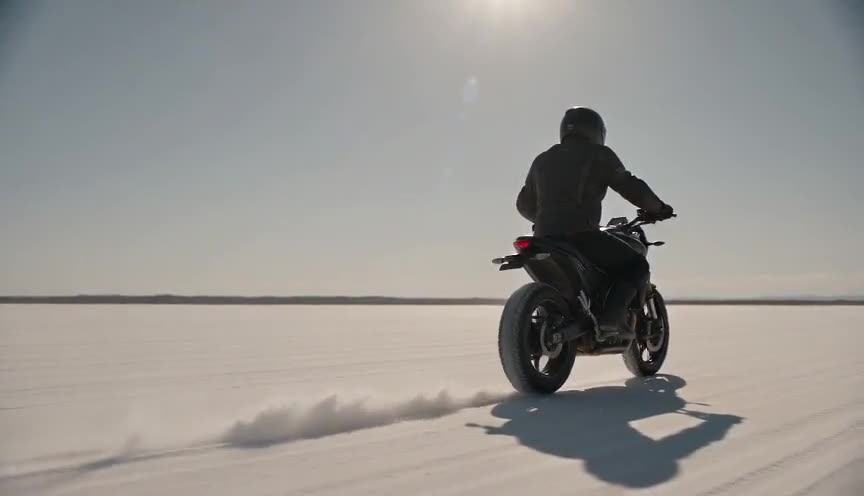
A speed ramp is a change in playback speed within a single continuous shot, sliding smoothly from slow motion into normal or fast speed, or the reverse. It stretches a moment for emphasis, then snaps time back to punch the action forward.
Freeze frame
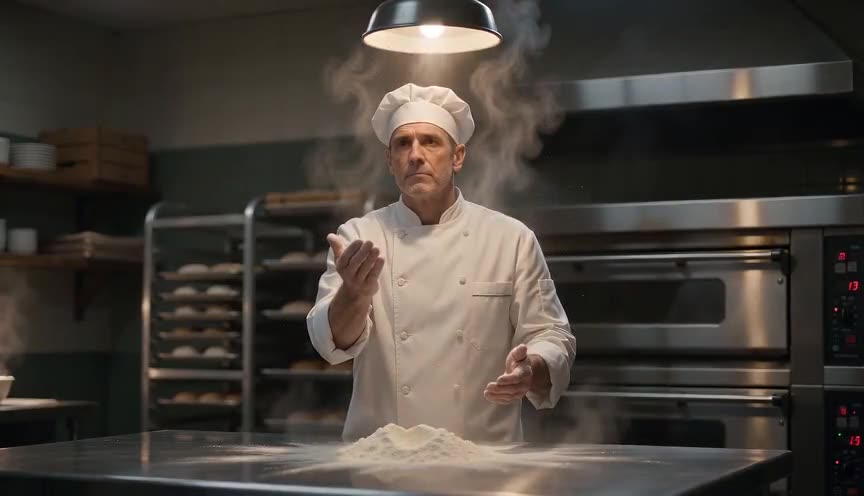
A freeze frame is an editing technique that stops the moving image on a single frame, holding it on screen as if time itself paused. It interrupts the flow of a scene to fix a moment in the viewer's memory, often for emphasis, comedy, or closure.
Time-lapse
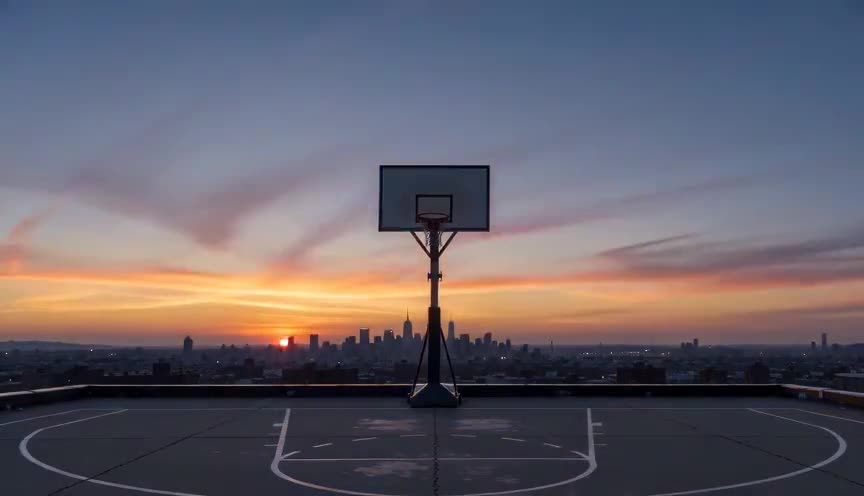
Time-lapse is a technique that compresses a long stretch of real time into a few seconds of screen time by capturing frames at a slow interval and playing them back at normal speed. It turns slow, invisible processes (light shifting, clouds moving, crowds circulating) into fast, continuous motion the eye can read at once.
Step printing
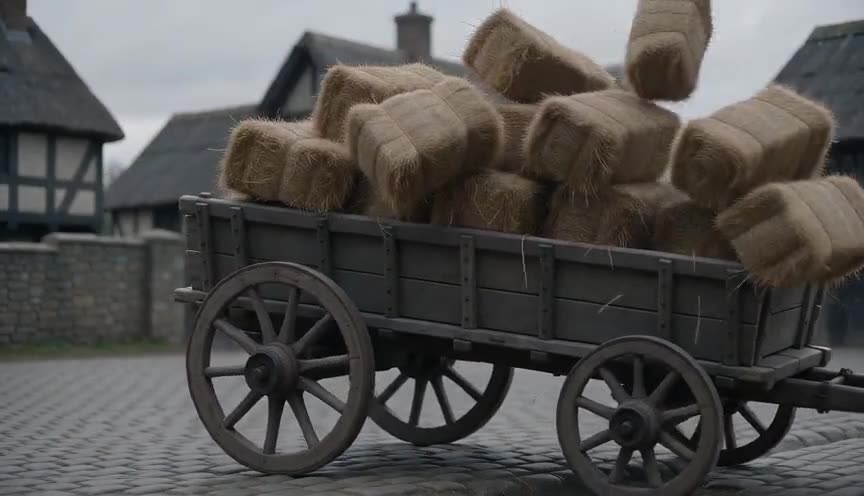
Step printing is a technique in which each frame of a shot is printed or held two or three times before advancing to the next, producing a jerky, stroboscopic slow motion instead of smooth slow motion. It makes movement feel fragmented and heightened, pulling the viewer's attention to the mechanics of the image itself.
Reverse motion
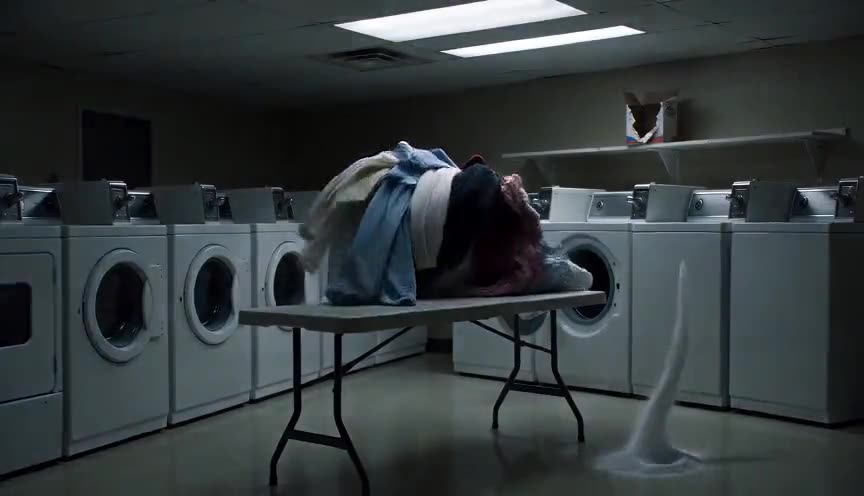
Reverse motion is a technique in which footage is played backward, making actions undo themselves on screen, such as shattered glass reassembling or spilled water leaping back into a glass. It disrupts the viewer's sense of cause and effect, producing a feeling of magic, dread, or dreamlike unreality.
Bullet time
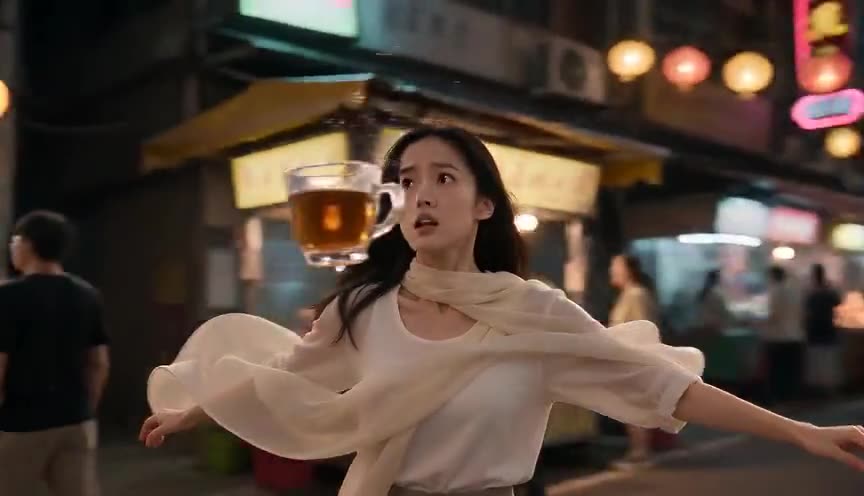
Bullet time is a visual effect in which the action appears to freeze or slow to almost nothing while the camera keeps traveling around the subject, often completing a partial or full orbit. It drops the viewer inside a single suspended instant, letting them examine an impact, a gesture or a fall from angles a real-time camera could never reach.
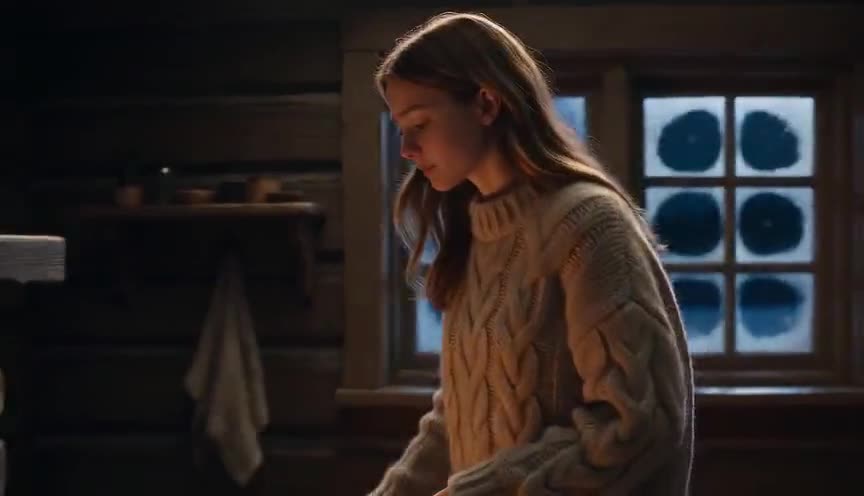
Long take
A long take is a single continuous shot that plays out without a cut, often lasting several minutes or an entire scene. It forces the viewer to stay inside the moment as it unfolds in real time, with no edit to soften a mistake or skip past dead air.
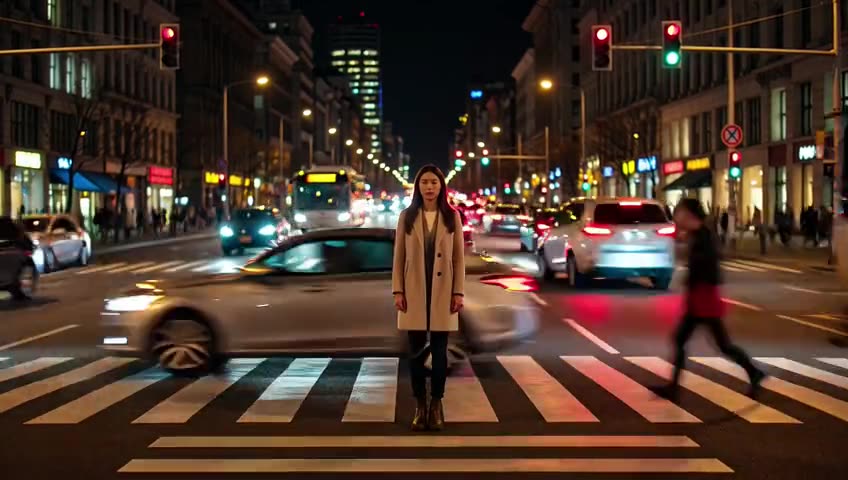
Motion blur
Motion blur is the streaking or smearing of a subject or the background that happens when movement outpaces the camera's exposure time. It reads to the viewer as speed, force, or disorientation, because the eye interprets the smear as motion too fast to freeze.
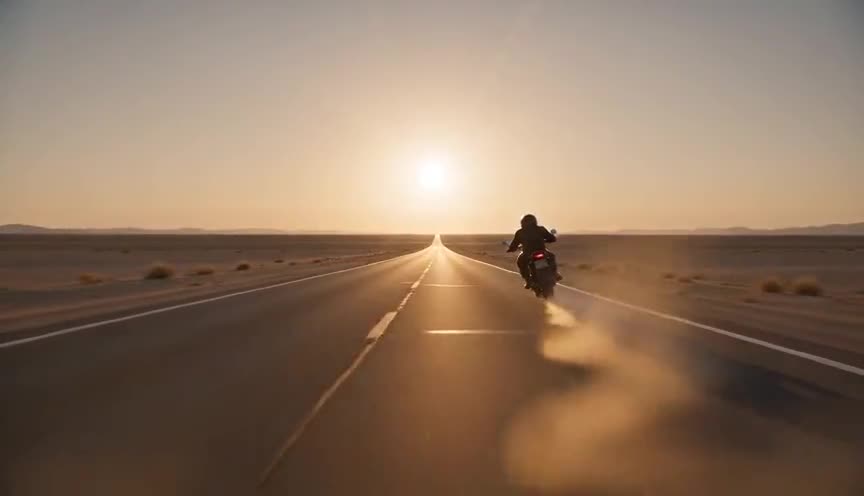
Stutter motion
Stutter motion is a time-manipulation technique that plays action back with missing or duplicated frames, so movement reads as jerky and staccato instead of smooth. It jars the viewer's sense of continuous time, making an action feel abrupt, violent, or disorienting.
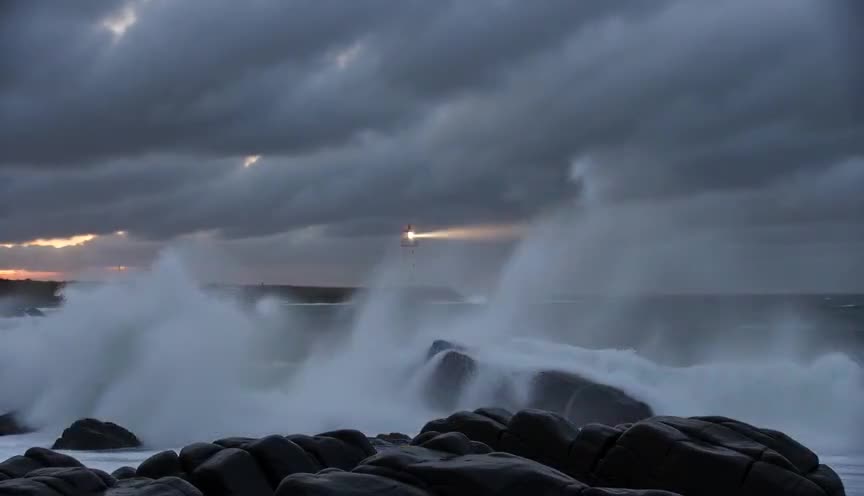
Boomerang
A boomerang is a clip that plays forward and then instantly reverses back to its first frame, so the action repeats in a seamless forward-backward loop. It turns a single continuous motion into an endless back-and-forth rhythm that feels playful, hypnotic, or unsettling depending on the content.
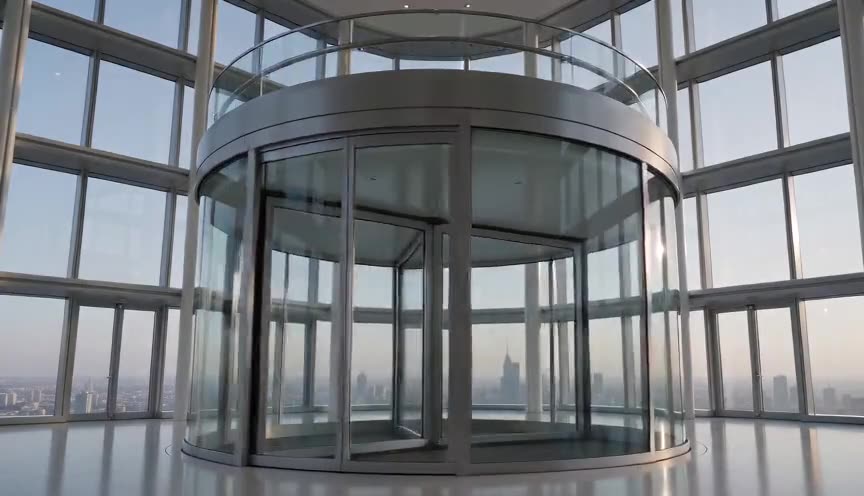
Seamless loop
A seamless loop is a video clip edited or generated so its last frame matches its first frame exactly, letting it repeat endlessly with no visible cut or jump. It removes any sense of beginning or end, so the viewer perceives continuous, unbroken motion.
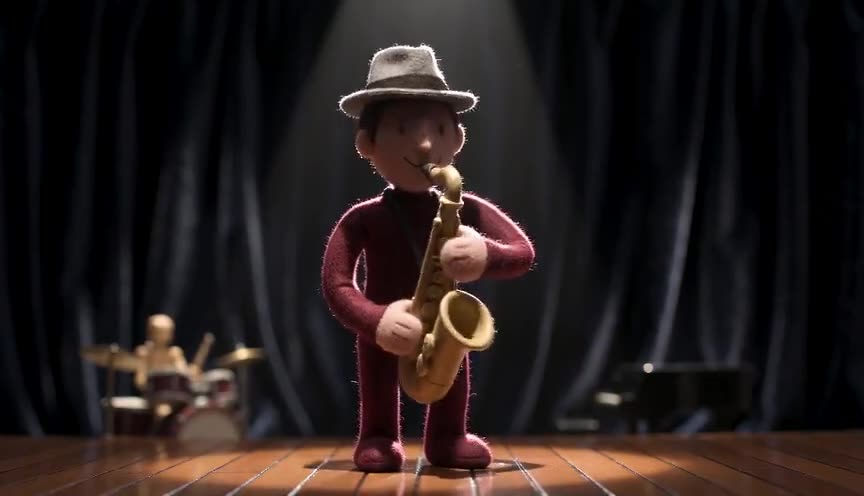
Stop motion
Stop motion is an animation technique in which physical objects, puppets or models are moved in small increments and photographed one frame at a time, then played back in sequence to create the illusion of continuous movement. The result reads as slightly jittery, tactile and handmade, reminding the viewer that a real object was manipulated frame by frame rather than filmed in real time.
Frequently asked questions
What is the difference between slow motion and a speed ramp?
Slow motion runs an entire shot at reduced speed throughout. A speed ramp changes speed within a single shot, often moving from normal to slow or slow to fast, to emphasize a specific transition or moment of impact.
When should I use a freeze frame instead of a cut?
Use a freeze frame when you want to hold the audience on a single image for emphasis, reflection, or punctuation, often at a dramatic peak or comedic beat. A cut moves on, while a freeze frame insists on the moment.
Can AI video models generate time-lapse and slow motion directly?
Many AI video models can generate slow motion or time-lapse effects when explicitly named in the prompt, though results vary by model. Testing the specific term against your chosen model is the most reliable way to confirm support.