Rain
Also calledRain effect, Rain rig, Rain scene
Rain is atmospheric weather, real or rigged on set, that falls through the frame to add texture, movement, and emotional weight to a scene. It wets surfaces, catches available light, and slows the felt pace of the image, turning an ordinary location into one charged with melancholy, tension, or release.
What it tells
Rain gives a director a free layer of atmosphere and subtext without a single line of dialogue. It isolates characters under umbrellas, forces them together in doorways, washes away grief or guilt, and turns a plain street into something that looks lived in. Because it moves constantly, rain also keeps an otherwise static frame alive, so filmmakers reach for it whenever they need mood, texture, or a visual excuse to slow the story down.
How it is shot
On set, rain is delivered by overhead rain bars or rain towers rigged 15 to 30 feet above the action, fed by hoses at controlled water pressure so drop size and density stay consistent between takes. The ground is wetted down before the shoot so puddles and reflections read even before the rain starts. Drops become visible only when backlit or edge lit at a low angle, often against a dark background or with negative fill, so crews place a hard light source behind or to the side of the rain path. Actors wear water-resistant wardrobe, and lenses need housings or frequent wiping. In post, most rain also gets a sound pass, since the visual alone rarely reads as convincing without it.
When to use it
- A breakup or farewell scene that needs sadness without a single sad line of dialogue
- A noir or thriller sequence where wet streets and reflections build tension and isolation
- A turning point where the weather should mirror a character's internal shift
- Any exterior that feels visually flat and needs movement, texture, and reflected light
Not to be confused with
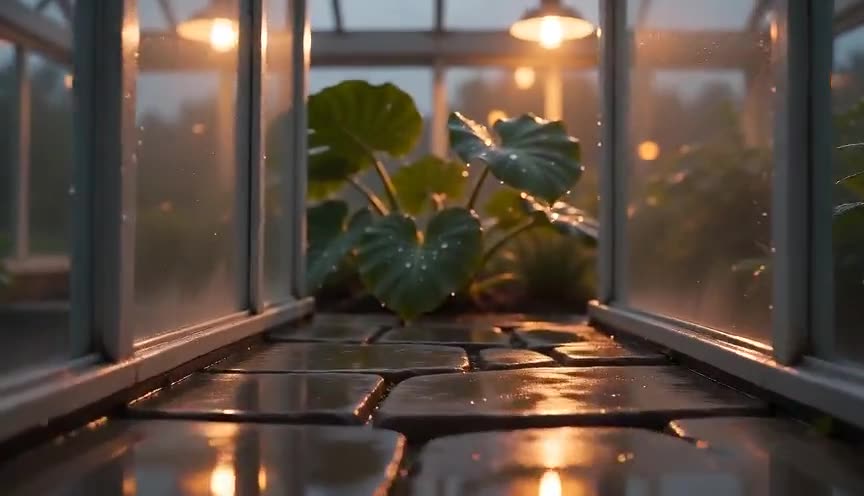
Wet-down soaks the ground and surfaces before the shoot so reflections and puddles read on camera. Rain is the falling water itself, wet-down is the preparation that makes rain believable once it lands.
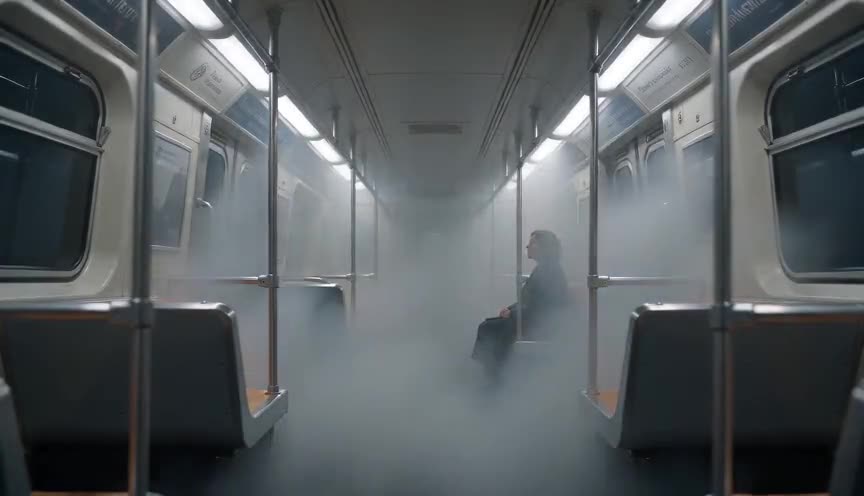
Fog softens and obscures the frame with suspended particles that hang in the air. Rain moves vertically and hits surfaces with visible impact, while fog sits and drifts, and the two are often combined for a heavier, moodier atmosphere.
In film
Blade Runner (1982)
Constant heavy rain over neon-lit streets defines the film's wet, decaying future and became a template for the cyberpunk look.
Seven (1995)
Near-relentless rain across the film reinforces dread and moral decay, breaking only for the dry, sunlit final act.
Singin' in the Rain (1952)
A joyful, backlit downpour turns rain into an expression of happiness rather than gloom, flipping the usual emotional use.
The prompt
Name the rain intensity directly (light drizzle, steady rain, heavy downpour) since vague terms produce inconsistent density. Describe the light source that makes drops visible, backlit or side lit against a dark surface, or the rain reads as a flat overlay. Mention wet, reflective ground and streaked glass or windows to sell the effect, and specify that intensity stays constant across the shot rather than pulsing or flickering, which AI models sometimes do with weather.
The exact prompt that rendered the video on this page. Keep the description of the move, change the subject and the setting.
Rain falls steadily outside a small flower shop at dusk, seen through a rain-streaked glass storefront window. Inside, a middle-aged woman arranges bouquets in soft warm light while outside a street lamp backlights the falling rain, making each drop visible as thin silver streaks against the dark wet pavement. The camera holds a static medium shot from inside the shop, the glass fogged slightly at the edges, water trickling down in thin rivulets that catch the light and blur the passing silhouette of a man with an umbrella. The rain intensity stays constant, drops splashing into small puddles that ripple continuously. No text.
Common mistakes
Rain that is invisible
Without a backlight or a dark background behind the drops, rain on camera reads as nothing, just a slightly damp-looking image with no visible falling water.
No surface interaction
Rain that never wets the ground, ripples a puddle, or streaks a window looks like a texture pasted over the shot instead of weather actually happening in the scene.
Uniform, floating drops
Rain generated without varied drop size, speed, or a slight wind angle looks mechanical and repetitive, which breaks the illusion within a few seconds.
Frequently asked questions
What is rain as a cinematic technique?
It is the use of real or artificial falling water in a shot to add mood, texture, and movement to a scene. Filmmakers rig it with overhead rain bars and light it carefully so the drops and their effect on surfaces are actually visible.
How do filmmakers make rain visible on camera?
They backlight or edge light the rain against a darker background, often with hard light at a low angle, since front lighting tends to wash the drops out and make them disappear into the image.
Why does rain feel sad in some films and romantic in others?
The emotional reading comes from everything around the rain, the music, the pacing, and the characters' behavior. The same falling water can support grief, tension, or joy depending on how the rest of the scene is built.
Can AI video models generate realistic rain?
Yes, if the prompt specifies intensity, light direction, and surface interaction like puddles or streaked glass. On a platform like Imaginode, naming these details explicitly gets far more convincing results than just asking for a rainy scene.