11 techniques
Atmosphere and weather: adding air, texture and mood
Atmosphere and weather effects fill the space between the camera and the subject, adding depth cues and mood that a clean, empty frame cannot provide on its own. Fog and haze soften distant elements and create natural depth layers, rain and wet-down surfaces add texture and reflection, and dust motes or steam catch light to make air itself visible. These elements make a world feel physically present.
Choose atmosphere based on the depth and mood the scene needs, not just decoration. Use haze or fog to separate depth layers in a wide shot, rain or smoke to raise tension and obscure visibility, dust motes or dappled light for quiet, intimate interiors. In AI prompts, naming the specific atmospheric element gives the model a concrete texture to render into the air.

Rain
Rain is atmospheric weather, real or rigged on set, that falls through the frame to add texture, movement, and emotional weight to a scene. It wets surfaces, catches available light, and slows the felt pace of the image, turning an ordinary location into one charged with melancholy, tension, or release.
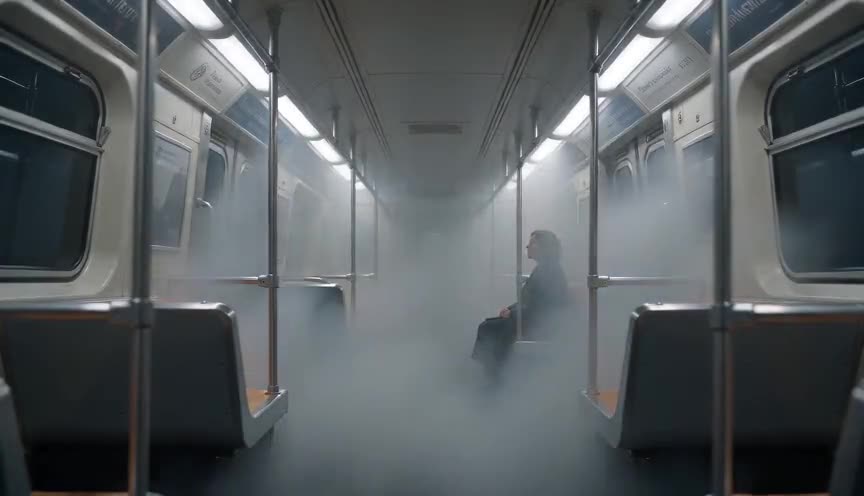
Fog
Fog is a layer of suspended water vapor or manufactured haze placed between the camera and the subject to scatter light and soften contrast. It reduces visibility, flattens depth cues and gives the frame a sense of mystery, isolation or unease.
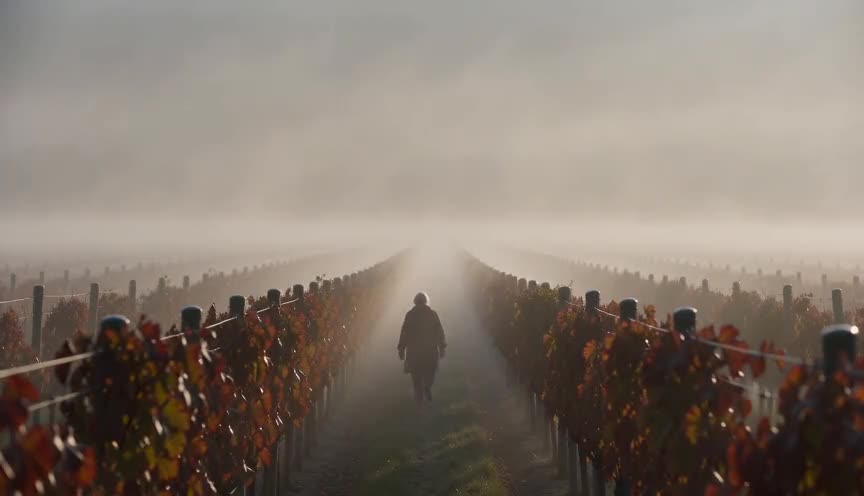
Atmospheric haze
Atmospheric haze is a thin veil of particles (moisture, dust, smoke, pollution) suspended in the air between the camera and the subject that softens contrast and color the farther an object sits from the lens. It reads to the viewer as depth and distance, and it lends a scene a muted, melancholic or dreamlike quality even before anything else happens in the frame.
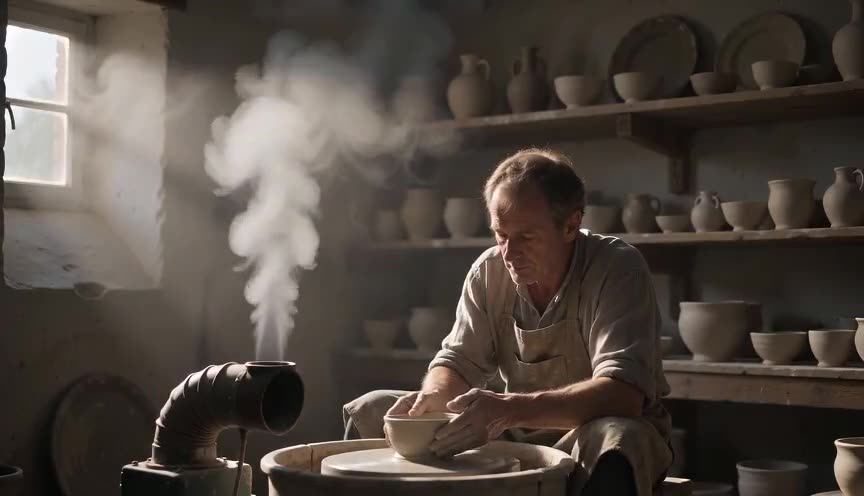
Smoke
Smoke is an atmospheric effect created by burning, chemical fog machines or practical sources that fills the air with visible haze, scattering light and adding depth to a shot. It softens edges, reveals beams of light and gives a scene a tactile, textured mood the viewer can almost feel.
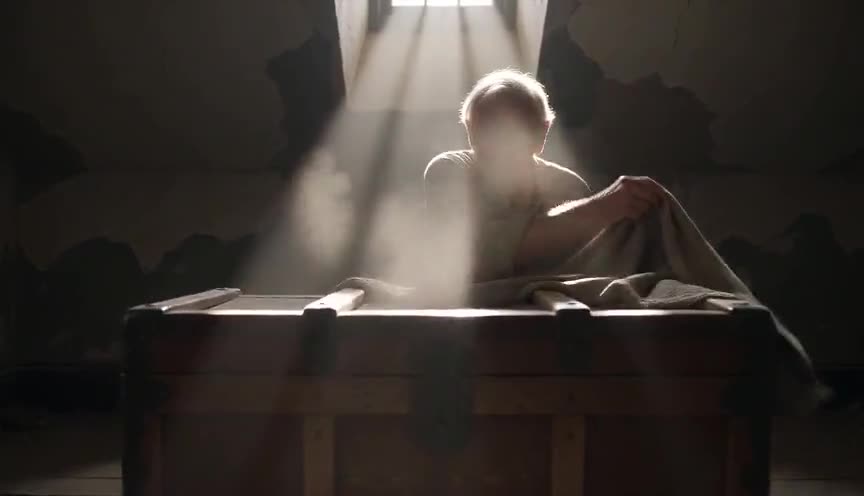
Dust motes
Dust motes are tiny particles of dust or debris made visible as they float and drift through a beam of light, usually a shaft of sun or a spotlight cutting through a darker room. They give empty air a physical, weighted presence and slow the viewer down to notice a space they might otherwise ignore.
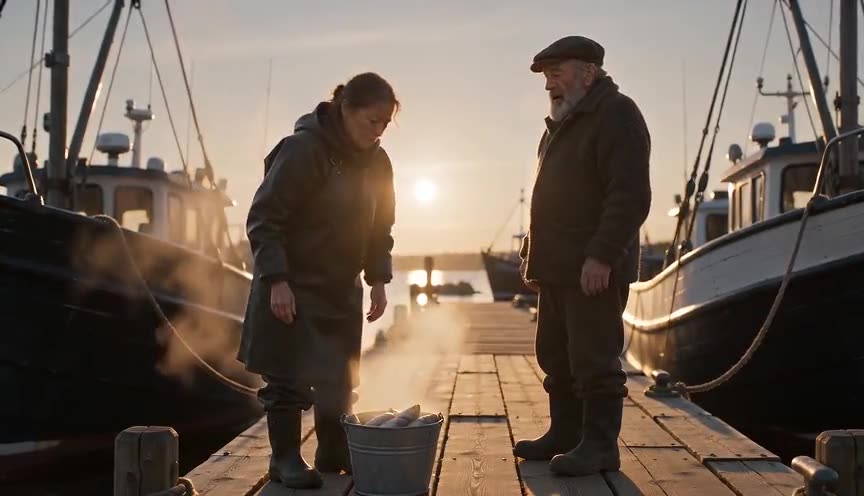
Steam
Steam is visible water vapor released from a heat source, such as breath, a hot drink, machinery or a vent, that drifts through the frame and softens light as it rises. It adds depth, motion and a sense of temperature contrast that the viewer reads instinctively as cold air meeting warmth.

Snow
Snow is an atmospheric effect in which falling flakes drift through the frame and settle on surfaces, softening edges and muffling the visual field. It slows the rhythm of a shot and signals cold, isolation, or the quiet passage of time to the viewer.
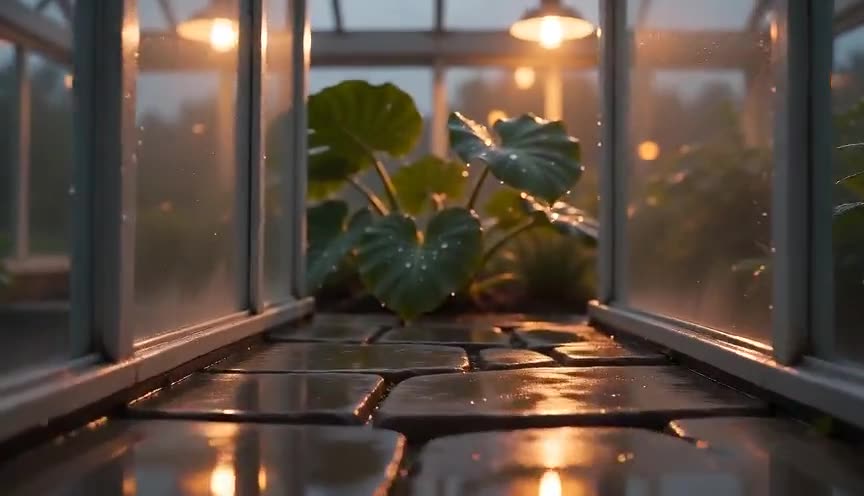
Wet-down
Wet-down is the practice of soaking a set, street or surface with water before filming so that it holds reflections, deepens color and reads as freshly rained on. It adds gloss and depth to the image and gives the audience a subtle sense of atmosphere without ever changing the actual weather.
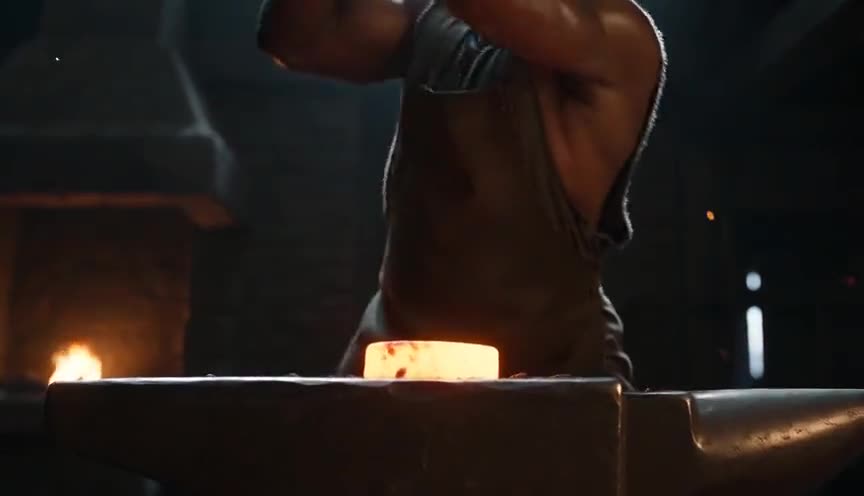
Sparks and embers
Sparks and embers are small glowing fire particles, drifting or shooting through the frame, that add motion, danger, and warmth to a scene without altering the main action. They pull the eye toward foreground or background depth and signal heat, destruction, or magic without a single line of dialogue.
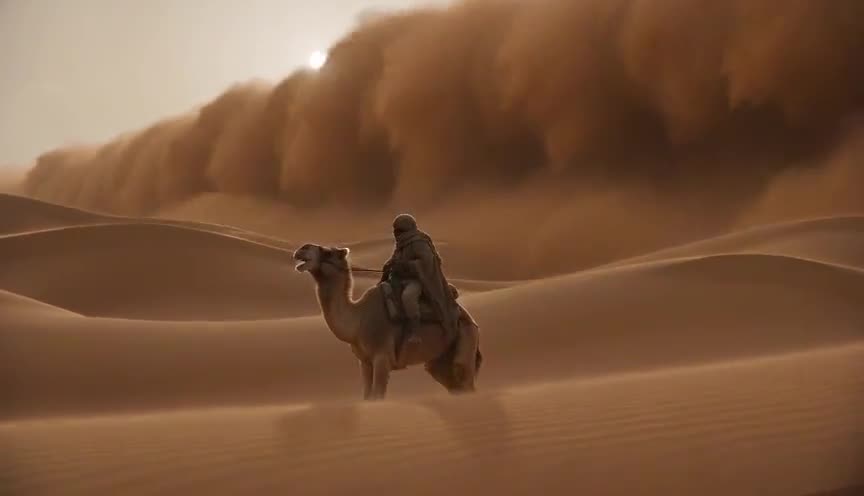
Sandstorm
Sandstorm is a technique where dense blowing sand or dust fills the frame, cutting visibility and wrapping the scene in a warm, gritty haze. It disorients the viewer, isolates the characters from their surroundings, and turns the environment itself into an active threat.
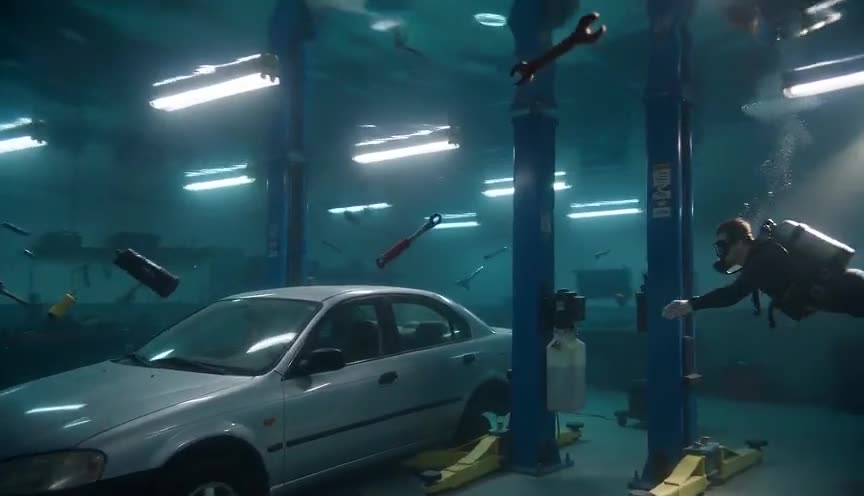
Underwater
An underwater shot places the camera below the surface of water, showing the world through refracted light, muted color and slowed, buoyant motion. It immerses the viewer in a physically different medium, creating a sense of weightlessness, danger or dreamlike detachment from the air-breathing world above.
Frequently asked questions
Why add atmospheric haze to a shot that already has depth?
Haze exaggerates natural depth cues by making distant elements progressively lighter and less contrasted than closer ones. This helps separate foreground, midground, and background layers, especially in wide shots where depth might otherwise read as flat.
What is the difference between fog and smoke in a shot?
Fog is typically thicker, more uniform, and covers a wider area at ground level, often used for mood or mystery. Smoke tends to move and dissipate more dynamically, often tied to a visible source like fire or machinery.
Can atmospheric effects be added reliably in AI generated video?
Yes, when named specifically. Terms like volumetric light, dust motes, or wet-down street give the model concrete physical cues to render, producing more consistent results than general mood words like atmospheric alone.