Profile shot
Also calledSide view shot, Lateral shot, 90-degree angle shot
A profile shot frames a subject from directly the side, at a 90-degree angle to the camera, so only one side of the face and body is visible. It flattens the subject into a graphic, almost silhouette-like shape and creates emotional distance, since the person never looks toward the lens.
What it tells
Directors reach for the profile shot when they want to hold a subject at arm's length rather than invite the viewer in. Because the eyes never meet the camera, it reads as observed rather than confided in, useful for portraying isolation, dignity, menace or quiet self-containment. It also turns a face into a clean, sculptural line, which suits formal, painterly or ritualistic moments where psychology matters less than shape and stillness.
How it is shot
Position the camera exactly perpendicular to the subject's nose line, ideally with a 50mm to 85mm lens to avoid distortion at close range. The subject must hold their head still on that axis; even a small turn toward the lens breaks the profile into a three-quarter angle. Side or rim lighting is common, since front light flattens the graphic edge that makes the shot work. Framing can be tight on the face or wider to include the body. A tripod or locked-off setup is standard, though a slow parallel track alongside a walking subject keeps the profile constant while adding motion.
When to use it
- Introducing a character who keeps secrets or refuses to engage with others directly
- Filming a ritual, ceremony or formal moment where composure matters more than expression
- Building a graphic, poster-like frame against strong backlight or a patterned background
- Showing two people who are physically close but emotionally distant, side by side in profile
Not to be confused with
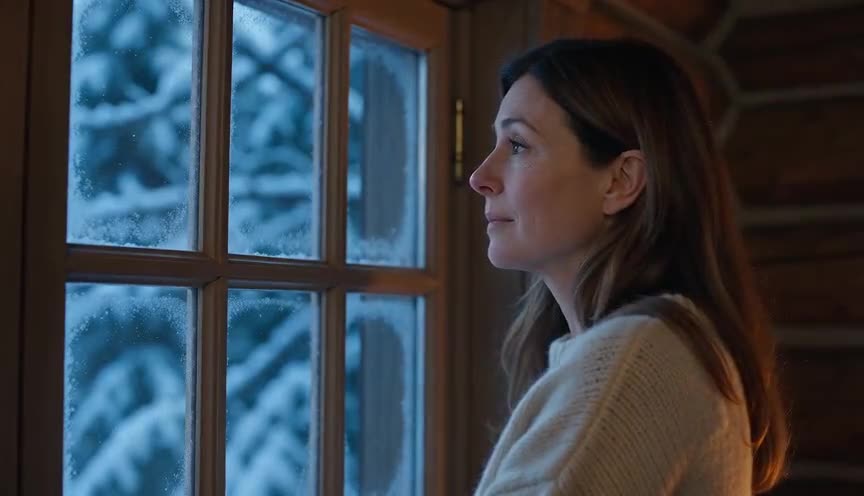
The three-quarter angle turns the face partway toward the lens, keeping both eyes and some expression visible. The profile shot goes further, locking to a full 90 degrees where only one eye and one cheek are ever seen.
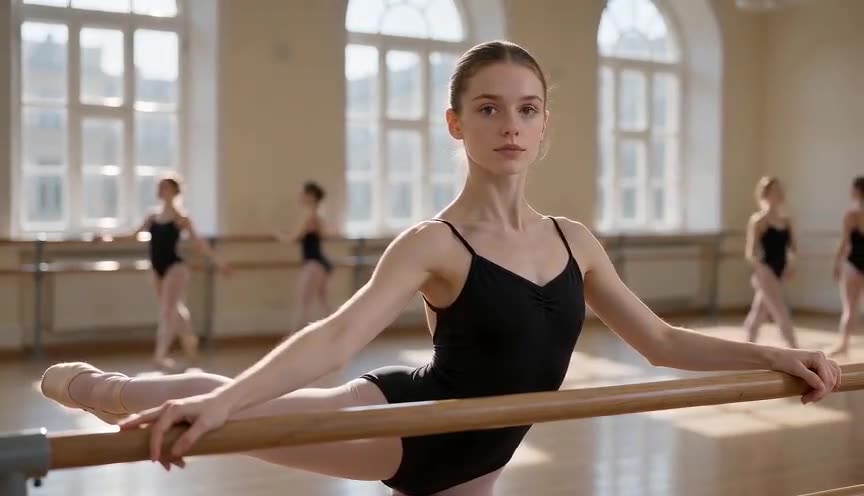
Eye level is defined by camera height and usually shows the subject facing the lens. Profile is defined by camera position around the subject and deliberately avoids that frontal engagement, regardless of height.
In film
Persona (1966)
Bergman and Nykvist isolate Alma and Elisabet in stark side-view close-ups, using profile framing during mirrored confrontations to stress doubling and emotional distance.
Vertigo (1958)
At Ernie's, Hitchcock reveals Madeleine in a luminous side profile as she pauses beside Scottie, turning her into an unreachable image of desire.
Vivre sa vie (1962)
Godard opens with Nana shown from the left profile, frontally, and from the right profile, treating her face like a detached visual study.
The prompt
Say the technique by name and state the exact angle: profile shot, 90 degrees, side view, camera perpendicular to the face. Specify that the subject does not turn toward the lens, since AI models default to frontal gaze. Add a light source behind or beside the subject (neon, backlight, rim light) to carve the silhouette, and keep the background description simple so the lateral shape of the face and body reads clearly against it.
The exact prompt that rendered the video on this page. Keep the description of the move, change the subject and the setting.
Profile shot: a static camera positioned at a strict 90-degree angle captures a woman in her thirties standing at a food stall in a crowded Taipei night market, her face and body seen entirely in side view as she watches the sizzling grill in front of her. Neon signs and paper lanterns glow behind her, backlighting her silhouette with warm amber rim light while steam drifts across the frame. She never turns toward the camera. The frame stays locked, only the steam and market crowd move in the background. No text.
Common mistakes
Subject drifts toward the lens
Even a slight turn of the head toward the camera breaks the strict side view and slides the shot into a three-quarter angle, losing the graphic flatness the profile depends on.
Flat, shadowless lighting
Even front light removes the contour that makes a profile readable as a distinct shape; without side, rim or backlight the face loses its edge and depth against the background.
Camera slightly off-axis
A few degrees away from true perpendicular makes the framing look like an accidental cheat angle rather than an intentional profile, so check the angle against the subject's nose line, not just the shoulders.
Frequently asked questions
What is a profile shot?
A profile shot is a camera angle that frames a subject from directly the side, at 90 degrees, so only one side of the face and body is visible. It is used to create distance, formality or graphic emphasis rather than direct emotional connection.
Why do directors avoid profile shots for emotional close-ups?
Because the subject's eyes never meet the camera, viewers read less intention and warmth than in a frontal or three-quarter angle. Directors save the profile for detachment, mystery or formal, sculptural moments instead of intimate confession.
Does a profile shot need special lighting?
Not strictly, but side, rim or backlight sculpts the outline and adds depth. Flat frontal light can make a profile look thin or paper-like, since the graphic quality of the angle depends on visible contour.
Can I get a clean profile shot from an AI video model like the ones on Imaginode?
Yes, if you state the exact angle (90 degrees, side view) and explicitly say the subject does not turn toward the camera, since most models default to a frontal gaze unless told otherwise.