17 techniques
Camera angles: how height and tilt shape meaning
Camera angle is the vertical position and tilt of the lens relative to the subject, and it quietly assigns power. A low angle makes a subject loom large and dominant, a high angle shrinks them into the frame, and a Dutch angle tilts the world off balance to signal unease. The same subject, same lens, same lighting can feel heroic or vulnerable depending only on where you place the camera.
Pick an angle based on the relationship you want between viewer and subject. Eye level keeps things neutral and conversational, low angles build authority or threat, high angles create vulnerability or overview. Point of view shots put the audience directly inside a character's perspective. In prompts, state the angle explicitly, since AI models otherwise default to a flat eye level view.
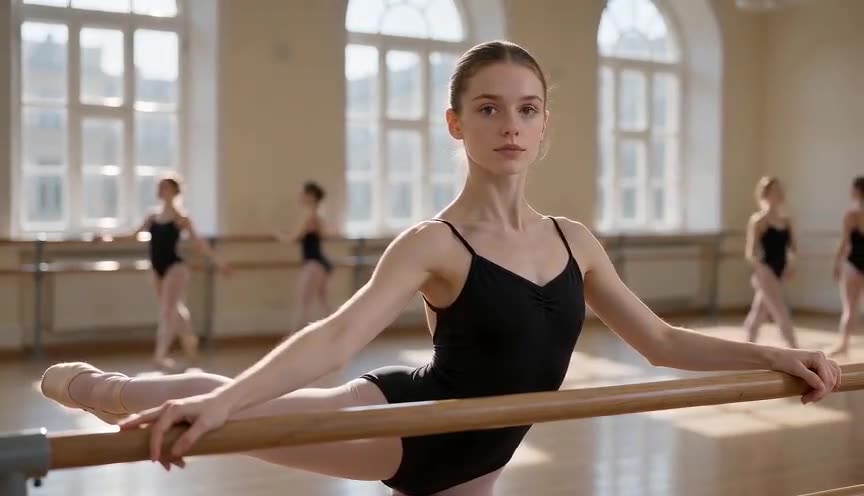
Eye level shot
An eye level shot places the camera at the same height as the subject's eyes, so the framing feels neutral and non-judgmental. It puts the viewer on equal footing with the subject, without the psychological weight of looking up or down.
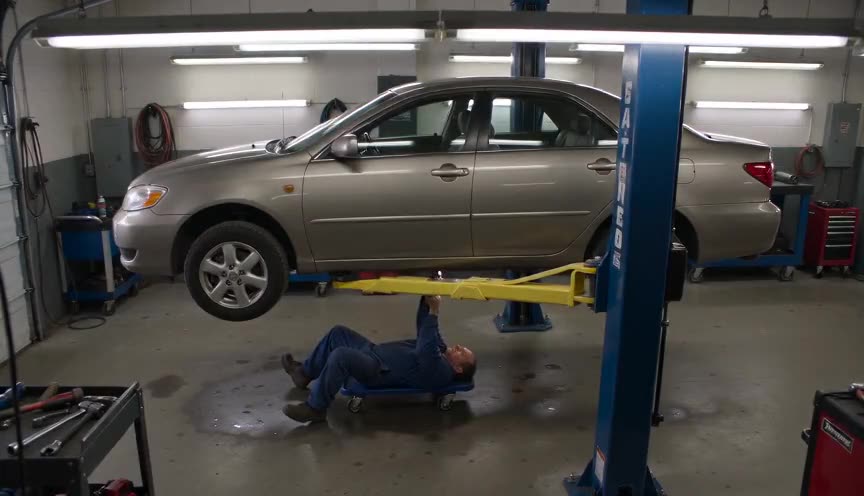
High angle shot
A high angle shot is a camera position placed above eye level, looking down at the subject at a moderate angle rather than straight overhead. It makes the subject appear smaller, weaker, or more vulnerable, and gives the viewer a sense of oversight or control over the scene.
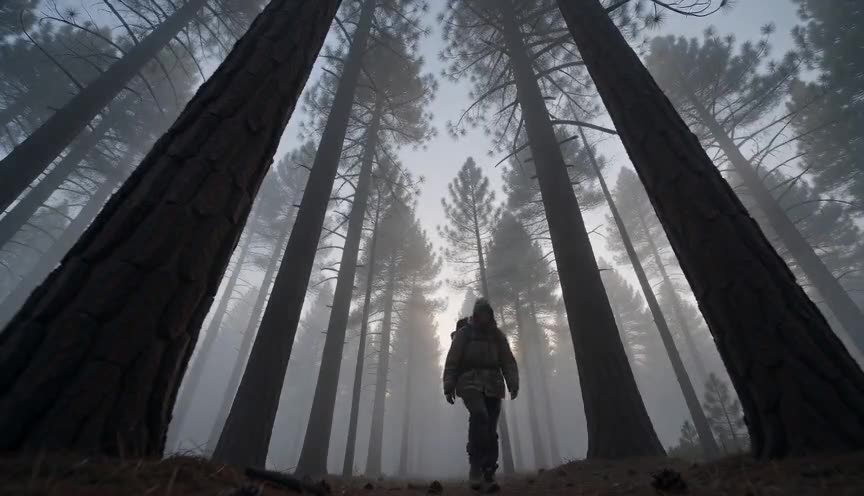
Low angle shot
A low angle shot places the camera below eye level, pointing upward at the subject. It makes the subject look taller, more powerful or more threatening, and it shifts the viewer into a position of looking up rather than meeting the subject face to face.
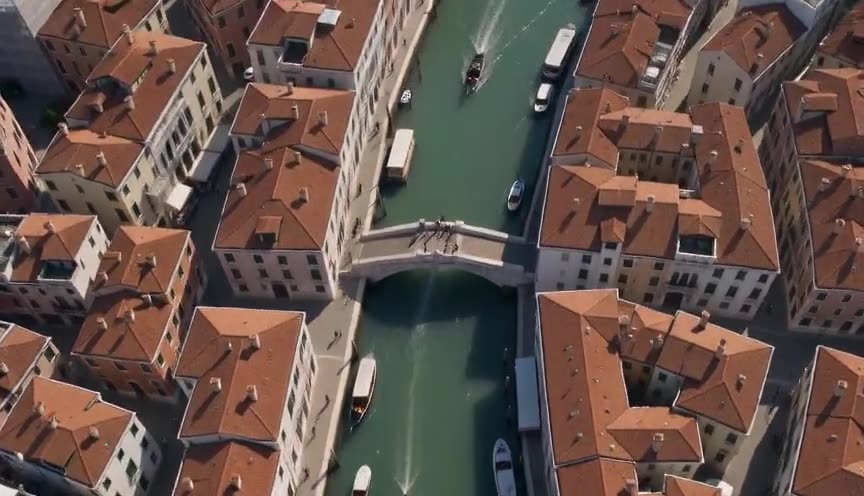
Bird's-eye view
A bird's-eye view is a camera angle placed directly above the subject, looking straight down at 90 degrees, as a bird flying overhead would see it. It flattens people and objects into shapes and patterns and turns the viewer into a detached, all-seeing observer.
Worm's-eye view
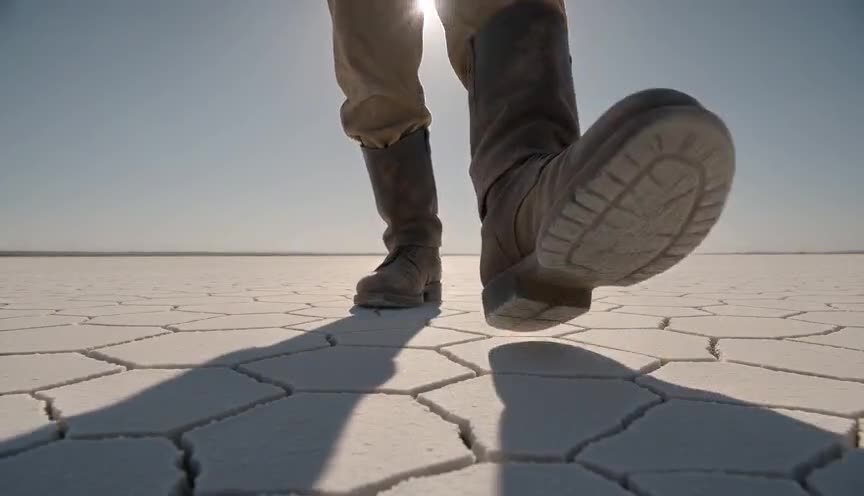
A worm's-eye view is a camera angle shot from at or below ground level, with the lens tilted sharply upward at the subject. It makes people, buildings or objects appear towering and monumental, and puts the viewer in a small, vulnerable position looking up.
Overhead top-down shot
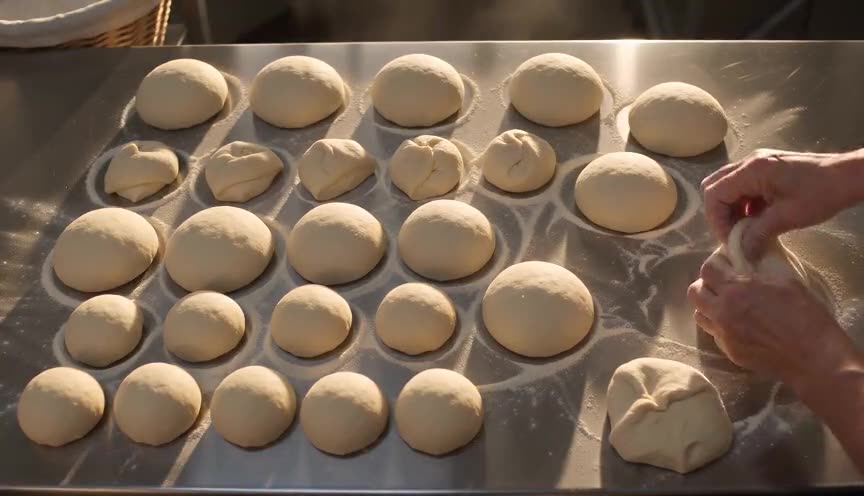
An overhead top-down shot places the camera directly above the subject, looking straight down at 90 degrees, so the scene reads as pattern and geometry rather than depth. It flattens the frame, turns people and objects into shapes, and gives the viewer a detached, almost diagrammatic view of the action.
Ground level shot
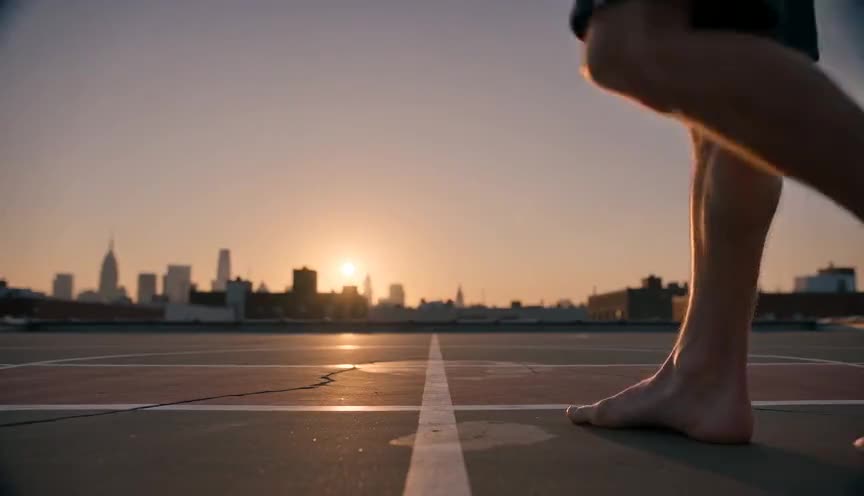
A ground level shot places the camera at or just above the ground plane, framing the scene from the surface up rather than from human eye height. It exaggerates scale, turns feet, wheels, or grass into the dominant visual element, and gives the viewer the perspective of something small, fallen, or rooted to the earth.
Dutch angle
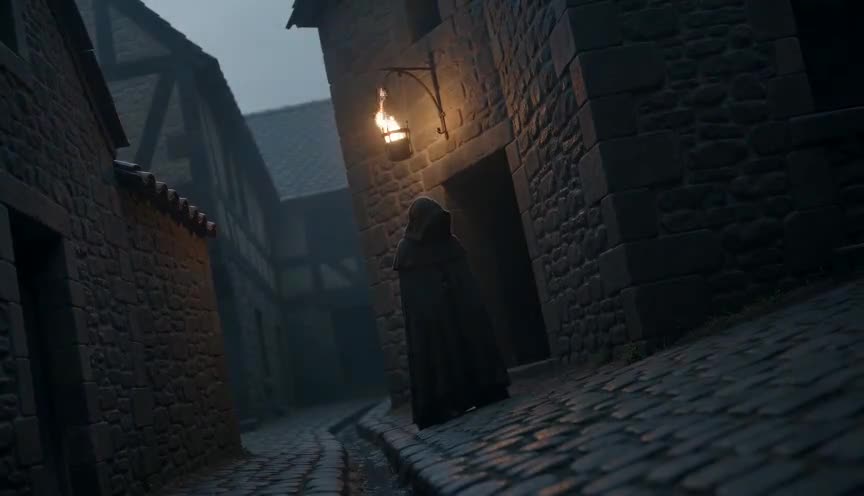
The Dutch angle is a shot composed with the camera rolled so the horizon line sits diagonally instead of level. It disturbs the viewer's sense of visual stability, reading as unease, danger or a mind coming apart.
Point of view shot
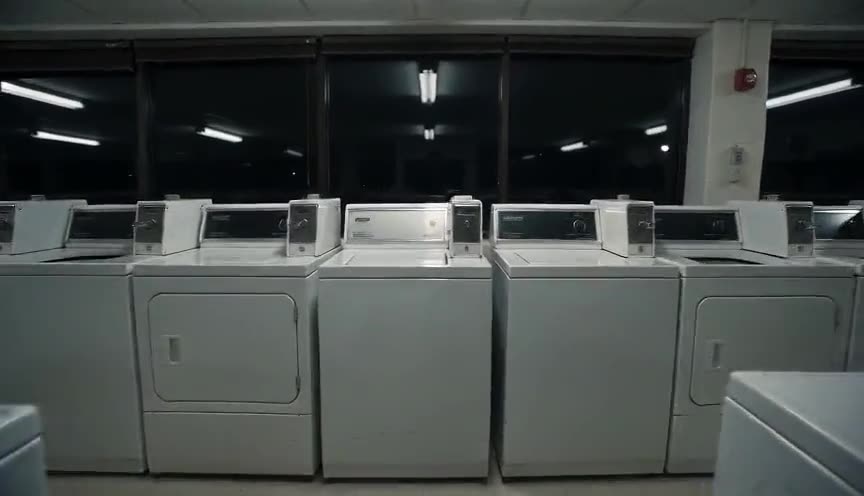
A point of view shot shows the scene through a character's eyes, so the frame becomes their literal field of vision. It replaces objective observation with direct, subjective experience, putting the viewer inside a single body.
Profile shot
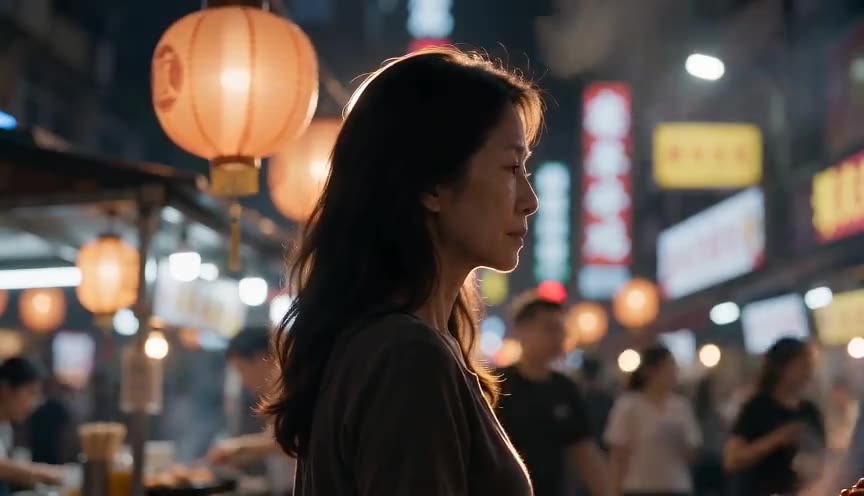
A profile shot frames a subject from directly the side, at a 90-degree angle to the camera, so only one side of the face and body is visible. It flattens the subject into a graphic, almost silhouette-like shape and creates emotional distance, since the person never looks toward the lens.
Three-quarter angle
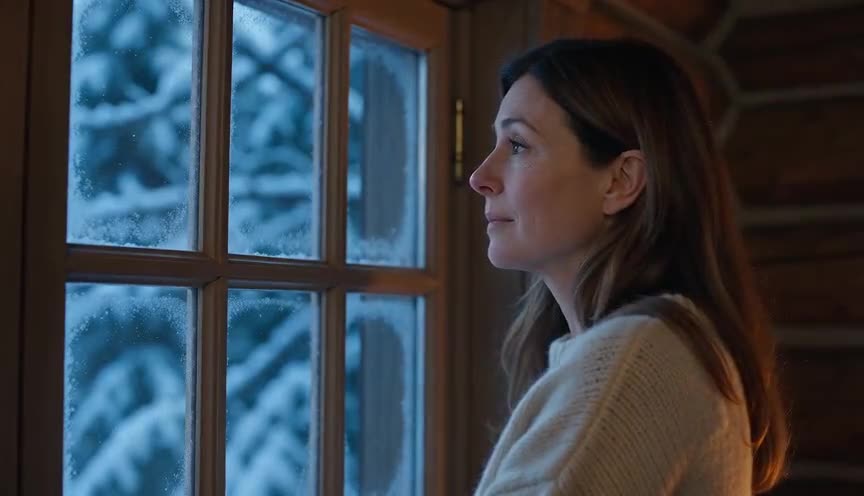
The three-quarter angle places the camera at roughly 45 degrees from the subject's face, between a straight-on and a profile view. It reveals both the volume of the face and a sense of depth, giving the viewer a more three-dimensional, natural read of the subject than a flat frontal shot.
Reverse angle shot
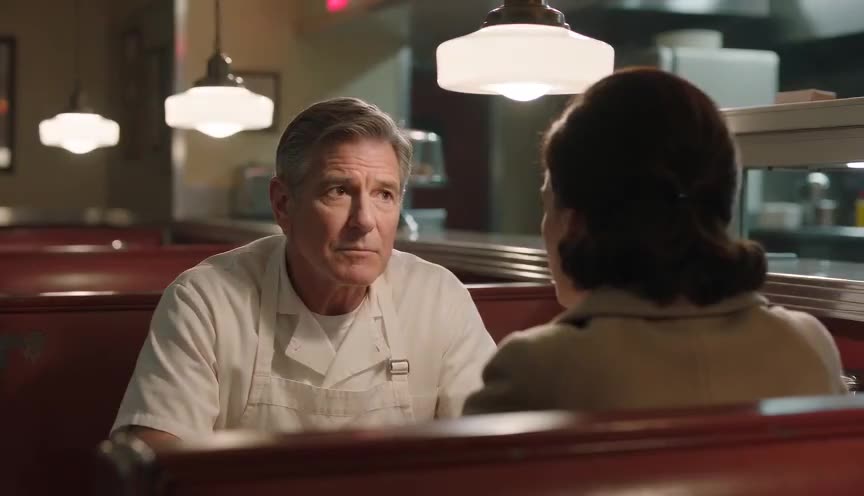
A reverse angle shot cuts to a camera position roughly 180 degrees from the previous shot, usually across a conversation, to reveal the other person or the other side of the action. It gives the audience the second half of an exchange that the first shot deliberately withheld.
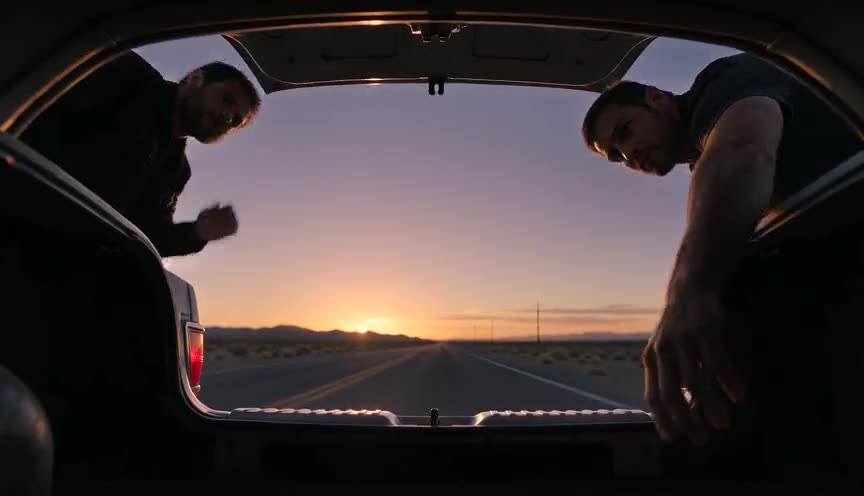
Trunk shot
A trunk shot places the camera low inside the open trunk of a car, looking up at the faces of people gathered around it. It traps the viewer in a tight, low vantage point, turning ordinary characters into looming, powerful figures against the sky.
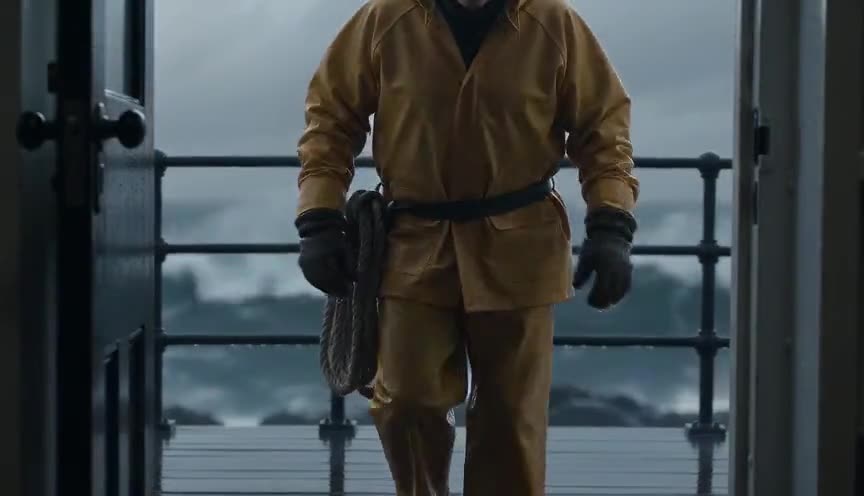
Hip level shot
A hip level shot places the camera at the height of a standing adult's waist, roughly 90 to 100 centimeters off the ground. It gives the viewer a grounded, slightly diminishing view of the subject, often centering the hands and hips instead of the face.
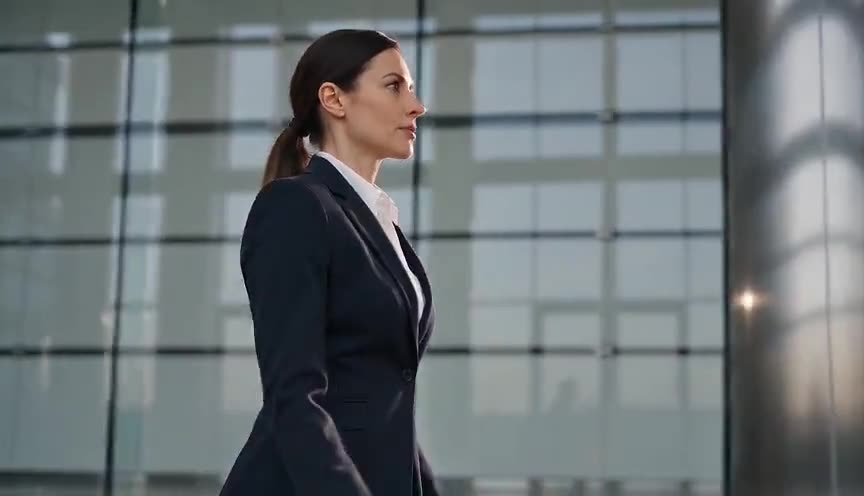
Shoulder level shot
A shoulder level shot places the camera at the height of the subject's shoulders, a little below true eye level. It gives the viewer a grounded, close, almost bodily point of view, as if standing right next to the person rather than observing from a formal distance.
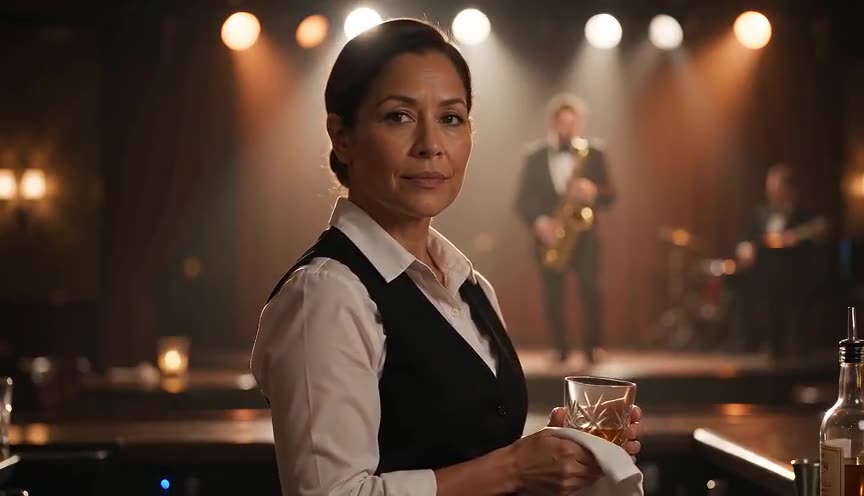
Breaking the fourth wall
Breaking the fourth wall is when a character looks straight into the camera lens and speaks or reacts as if addressing the audience directly. It collapses the invisible barrier between the fiction and the viewer, turning a passive watcher into an acknowledged presence.

Object POV shot
An object POV shot places the camera at the exact vantage point and path of an object, so the audience sees the scene as if the object itself were watching. It strips away the human eye and replaces it with an inanimate or non-human perspective, producing disorientation, intimacy, or suspense.
Frequently asked questions
What does a low angle shot communicate?
A low angle shot places the camera below the subject looking up, which makes them appear larger, more powerful, or more threatening. It is commonly used for villains, heroes in triumphant moments, or anything meant to feel imposing.
What is the purpose of a Dutch angle?
A Dutch angle tilts the camera off its horizontal axis to create visual instability. It signals to the audience that something is wrong, disorienting, or psychologically off balance, without needing dialogue or additional context to explain it.
How does point of view shot differ from eye level shot?
An eye level shot observes a scene from a neutral height, as a third party would. A point of view shot places the camera exactly where a character's eyes would be, so the audience sees precisely what that character sees.