Shoulder level shot
Also calledShoulder height shot, Shoulder-level angle
A shoulder level shot places the camera at the height of the subject's shoulders, a little below true eye level. It gives the viewer a grounded, close, almost bodily point of view, as if standing right next to the person rather than observing from a formal distance.
What it tells
This height reads as physical proximity without the neutrality of eye level or the tension of a low angle. Directors reach for it to make walk-and-talks, confrontations and quiet companionship feel lived-in, putting the audience shoulder to shoulder with a character instead of facing them head-on. It softens hierarchy: nobody looms, nobody is diminished, the camera simply keeps pace beside someone.
How it is shot
The operator sets the lens height at roughly 4.5 to 5 feet, adjusted to the actor's shoulder line rather than a fixed mark, then keeps that height constant whether the camera is locked on a low tripod leg, riding a monopod, or moving on a steadicam or gimbal alongside the subject. A 35mm or 50mm lens is common because it avoids the distortion of wider glass at close range. On moving shots the operator matches the subject's walking speed exactly, since any drift in height or pace breaks the illusion of walking alongside them rather than watching them.
When to use it
- Filming a walk-and-talk between two colleagues moving through a hallway or open floor
- Building quiet intimacy in a two-person scene without the formality of eye level
- Following a character through a crowd or corridor while staying physically close
- Softening a power dynamic between characters of different heights or status
Not to be confused with
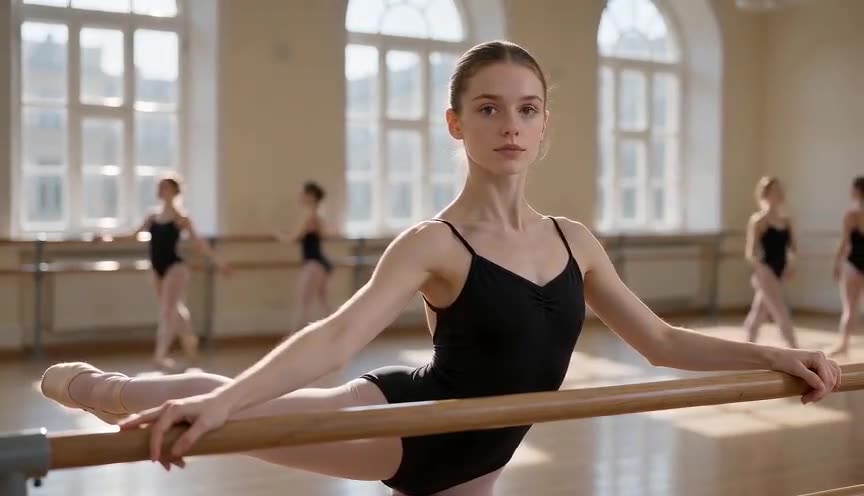
Eye level matches the subject's eyeline exactly and reads as neutral and direct. Shoulder level sits just below that line, trading directness for a sense of walking beside someone rather than facing them.
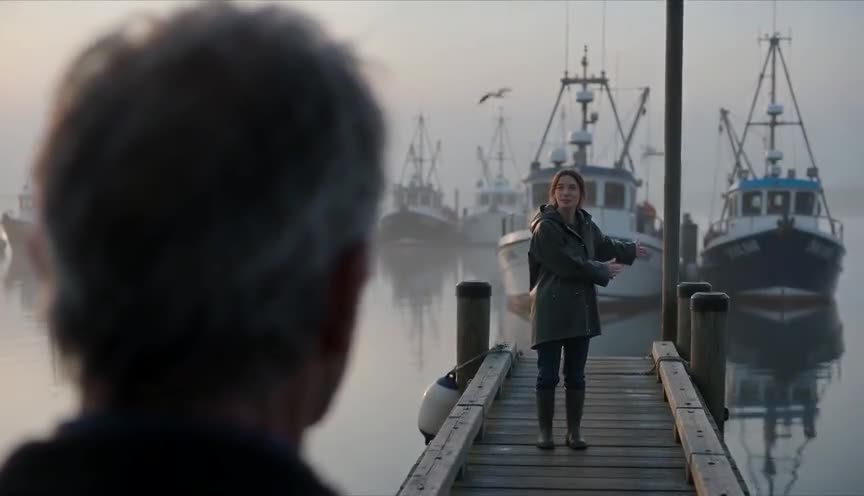
Over-the-shoulder is a framing choice that uses a foreground person's shoulder to anchor the shot. Shoulder level is a camera height and can exist with or without another body in frame.
In film
Children of Men (2006)
Long handheld takes frequently hold at shoulder height as the camera moves with characters through crowds and vehicles, keeping the viewer physically among them.
Birdman (2014)
The steadicam corridors and backstage walks are shot largely at shoulder height, sustaining the illusion of one continuous, embedded point of view.
The prompt
Name the camera height explicitly, at shoulder height or just below eye level, and say whether it is static, on a monopod, or moving with the subject on a gimbal. Specify the lens (35mm or 50mm reads naturally at this proximity) and the pace of any movement relative to the subject's walking speed. Avoid words that imply eye-level neutrality or a tilt up or down, since those pull the shot toward a different angle entirely.
The exact prompt that rendered the video on this page. Keep the description of the move, change the subject and the setting.
Shoulder level shot, camera height locked at the shoulders of a woman in her thirties walking briskly through a modern glass office tower lobby, gimbal rig moving beside her at matching walking speed, 35mm lens, frame holding steady at that height with no tilt up or down, reflective glass walls and steel columns sliding past in the background, soft daylight through floor-to-ceiling windows, her stride and the camera's lateral glide perfectly synced for four seconds. No text.
Common mistakes
Height drifts during movement
Letting the rig rise or sink while tracking a subject breaks the shoulder-level illusion and starts to read as eye level or hip level instead.
Confusing it with over-the-shoulder framing
Placing a shoulder in the foreground is a different technique. Shoulder level is about camera height, not what occupies the edge of frame.
Wide lens distortion
Very wide lenses at close shoulder-height range stretch faces and hands unnaturally, undercutting the intimate, believable feel the angle is meant to create.
Frequently asked questions
What is a shoulder level shot?
It is a camera angle where the lens sits at the height of the subject's shoulders, just below eye level, giving the viewer a grounded, close vantage point that feels like standing next to the person rather than facing them.
How is shoulder level different from eye level?
Eye level matches the subject's own eyeline and feels neutral and direct. Shoulder level sits a few inches lower, which reads as companionship or physical closeness rather than a face-to-face exchange.
When should I use a shoulder level shot instead of eye level?
Use it for walk-and-talks, quiet companionship scenes, or moments where you want the audience to feel physically beside a character rather than confronting them directly.
Can an AI video model generate a shoulder level shot?
Yes. Describe the camera height explicitly as shoulder height or just below eye level, specify the lens and any movement, and a model like the ones on Imaginode can render it convincingly in a short clip.