Chase car shot
Also calledCar chase shot, Pursuit shot, Camera car chase
A chase car shot mounts the camera on or in a vehicle that pursues another vehicle, holding both cars in continuous relative motion inside the frame. It puts the viewer inside the speed and risk of the pursuit rather than watching it from a distance.
What it tells
Directors reach for the chase car shot when a scene needs to feel dangerous in the body, not just in the plot. The shot removes the safety of a static frame: the world blurs past, the target car never quite escapes, and the audience's pulse tracks the vehicle's speed. It compresses geography and time into pure forward motion, turning a plot beat like escape or pursuit into a physical sensation the viewer cannot look away from.
How it is shot
The camera rides on or in a chase vehicle: a hood mount, a remote head on a Russian arm, or a camera operator harnessed inside a rear seat. A 24mm to 35mm lens keeps enough of the road and target car in frame to read speed and distance. The chase car matches the target's speed within a few miles per hour, closing and opening the gap for tension rather than losing the subject. Shutter speed is often kept lower to let streetlights and background smear into motion blur, selling velocity even at moderate real speeds. Closed roads, a process trailer for close inserts, and a safety coordinator are standard on professional shoots.
When to use it
- A character flees or pursues by vehicle and the scene needs visceral, first-person speed.
- You want the audience to feel trapped inside the escalating stakes of a pursuit.
- A city or road environment should blur past to sell velocity without cutting away.
- The story needs one continuous shot linking pursuer and pursued instead of intercut coverage.
Not to be confused with
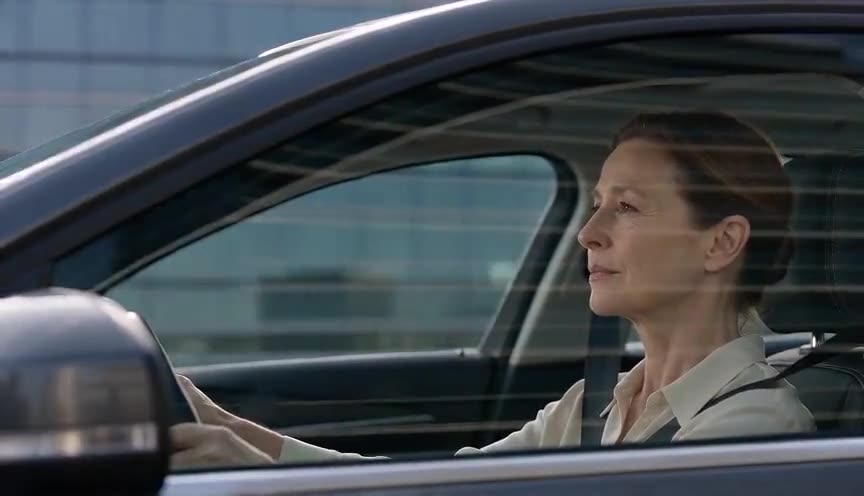
A car mount shot simply fixes the camera to a vehicle for any purpose, including calm dialogue drives. The chase car shot is a specific use of that mount: pursuing another vehicle at matched or closing speed.

A follow shot trails any moving subject, on foot or otherwise, at a comfortable pace. A chase car shot is faster, vehicle bound, and built on the tension between two cars racing rather than one subject walking.
In film
Bullitt (1968)
The San Francisco car chase used low mounted cameras inside the pursuing car, setting the template for realistic hood level chase photography.
Ronin (1998)
The Paris chase used cameras mounted in and on speeding cars, keeping the pursuer and target locked in dangerous, street level motion.
The prompt
Name the rig position explicitly: hood mounted, low and close to the pursuing car, or inside the cabin looking through the windshield. State that the target car stays in frame at a matched distance and that background lights streak with motion blur. Avoid vague words like 'fast car scene'; instead specify lens height, camera stability (locked to the car versus handheld inside it), and how the gap between the two cars changes over the shot.
The exact prompt that rendered the video on this page. Keep the description of the move, change the subject and the setting.
Chase car shot: camera mounted low on the hood of a dark sedan racing down a rain slick city street at night, matching speed with a silver coupe just ahead as it passes a jazz club with glowing neon signage and warm light spilling from tall windows. The frame stays locked to the pursuing car while streetlights and the club facade streak into horizontal motion blur, the gap to the target car tightening from fifteen feet to eight feet across the shot, tires throwing thin sprays of water, engine vibration reads as a faint constant shake in the image. No text.
Common mistakes
Losing the target in frame
If the pursued vehicle drifts out of frame or the distance changes randomly, the shot reads as sloppy driving rather than tension, so keep the gap purposeful and readable.
Too much stabilization
A perfectly smooth chase car shot can feel weightless and fake. Some vibration or minor bounce from the road sells speed and physical presence.
Wrong lens for the space
A telephoto lens flattens the sense of speed and closes off the environment. Wider focal lengths around 24mm to 35mm keep road, cars, and background legible.
Frequently asked questions
What is a chase car shot?
It is a shot filmed from a camera mounted on or inside a vehicle that is pursuing another vehicle, keeping both cars visible and in continuous motion. It puts the audience inside the physical speed of a pursuit rather than observing it from a fixed position.
Does a chase car shot require a real moving vehicle?
In live action, yes, usually with a camera car, a process trailer, or a rig mounted directly on the vehicle plus a stunt driver. On an AI creation canvas like Imaginode you can describe the rig, speed, and matched distance in text and the model renders the motion without any physical vehicles.
How is a chase car shot different from a regular tracking shot?
A tracking shot can follow any subject at any speed, including a person walking. A chase car shot is specifically vehicle bound, built around pursuit speed and the tension of one car closing on or losing another.
What lens works best for a chase car shot?
Wide to medium lenses, roughly 24mm to 35mm, are common because they keep enough road and background in frame to read speed and geography. Longer lenses compress the space and can make fast driving look slower than it is.