Double dolly shot
Also calledParallel dolly shot, Twin dolly shot, Matched dolly shot, Process dolly shot
A double dolly shot uses two dollies moving in tandem, one carrying the camera and one carrying the subject, so both travel at matched speed and direction. This locks the subject in a stable frame while the background moves past at a different rate, isolating the person from their surroundings.
What it tells
Directors use the double dolly to give a scene forward motion without the instability that comes from having an actor deliver lines while actually walking, driving or being pushed through space. Because the subject stays fixed in frame, an audience reads pure focus, calm or detachment even as the world rushes by behind them. It is a favorite for confessions, mounting resolve or dissociation, since the visual grammar separates the character's inner stillness from the chaos or momentum of the environment, without resorting to a static shot or shaky handheld coverage.
How it is shot
Two dollies run on parallel tracks, or on a single straight track with staggered rigs: one holds the camera and operator, the other holds the subject, often seated on a low platform, a wheeled bench, or towed alongside a vehicle. A grip on each rig pushes or pulls in sync, usually counted in by the first assistant director or coordinated through synced motorized dolly systems for precision. Because the distance between camera and subject never changes, focus can be locked rather than pulled. Lenses in the 35mm to 50mm range keep some environment visible in frame. Track speed is rehearsed at least once before rolling, since even a small mismatch between the two dollies breaks the illusion and pulls the subject out of frame.
When to use it
- Filming a walking or seated conversation where the subject must stay framed steadily while scenery moves behind them.
- Shooting a car interior scene without towing an actual vehicle rig, using a subject dolly instead of a real car.
- Isolating a character's calm or detachment against a busy, fast moving background for emotional contrast.
- Replacing handheld walk and talk coverage with a smoother, more controlled version of the same forward momentum.
Not to be confused with
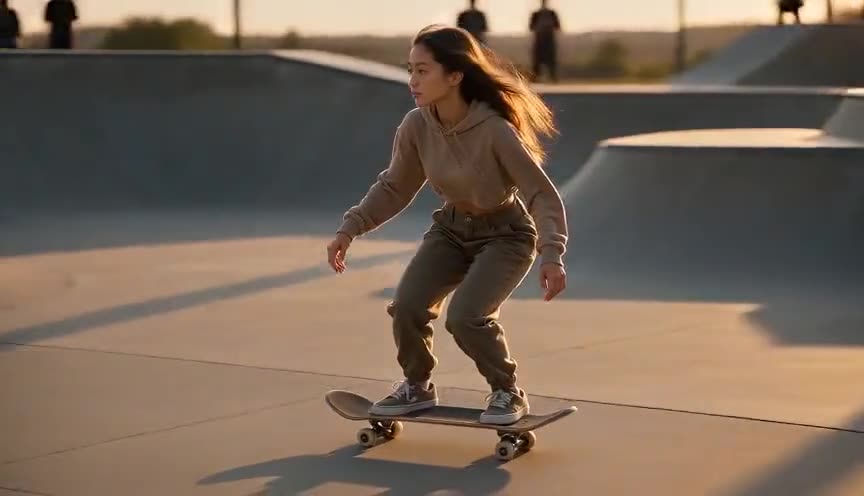
A tracking shot follows a subject's own movement through space with a single dolly or rig, matching their pace. A double dolly instead uses two separate moving platforms, one for the subject and one for the camera, guaranteeing zero relative motion between them.
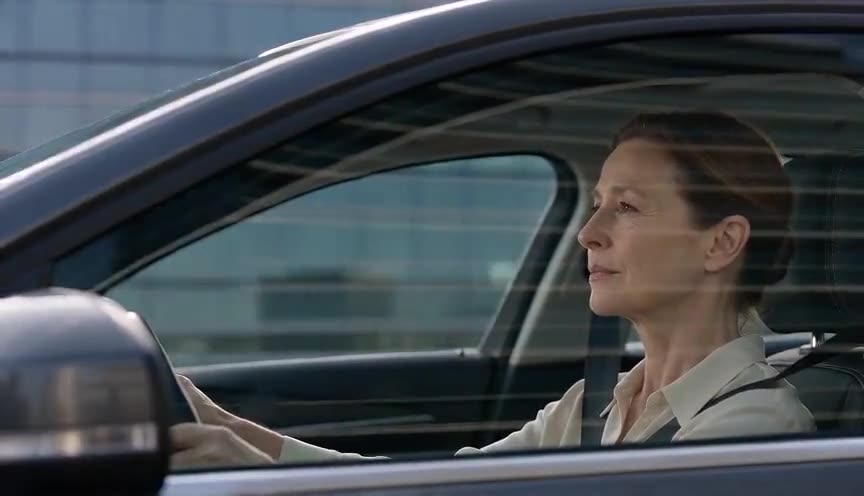
A car mount shot bolts the camera directly onto the moving vehicle, so camera and subject are physically one rig. A double dolly keeps them as two separate systems moving in sync, useful when a real vehicle or engine cannot be used.
In film
Malcolm X (1992)
Malcolm glides toward the Audubon Ballroom on Lee's signature double dolly, keeping him fixed while the street background slips by before the assassination.
BlacKkKlansman (2018)
Ron and Patrice float down a hallway toward a window, both riding the subject dolly as the camera moves with them in matched motion.
The prompt
Name the two dollies and their relationship explicitly: state that the subject rides on one platform and the camera rides on a second, moving at the same speed and direction. Describe what changes (background elements streaming past) and what stays fixed (the subject's position in frame). Avoid vague words like moving shot since the model may default to a single handheld or tracking move. Naming a lens, a speed and a background full of parallel lines (shelves, cars, poles) helps the model render convincing relative motion.
The exact prompt that rendered the video on this page. Keep the description of the move, change the subject and the setting.
Double dolly shot inside a car repair garage: a middle-aged Black male mechanic in gray overalls sits on a low wheeled dolly, sliding along a straight track between parked cars, while a second dolly carries the camera at matching height and speed just ahead of him, keeping his face and shoulders centered and static in frame. Overhead lamps, tool racks and car hoods blur past in the background, but the mechanic stays sharp and still relative to the lens. 35mm lens, eye level, one continuous four second take at a steady even speed. No text.
Common mistakes
Speed mismatch
If the two dollies drift out of sync, the subject slowly slides out of frame instead of staying locked, breaking the effect the shot depends on.
Confusing it with a car mount
A double dolly needs two independent moving platforms; bolting the camera to the vehicle itself is a different technique with a different look.
Uneven track surfaces
Bumps or gaps under either dolly introduce small jitters that read as camera shake and undercut the smooth, isolated feel the shot is meant to create.
Frequently asked questions
What is a double dolly shot?
It is a shot filmed with two dollies moving together, one carrying the camera and one carrying the subject, at matched speed and direction. The result is a subject who stays locked in the frame while the background moves past at its own rate.
How is a double dolly different from a car mount shot?
A car mount bolts the camera to the vehicle itself, so both are one rigid unit. A double dolly uses two separate rigs, camera and subject each on their own wheels, which lets a crew fake vehicle motion without a real moving car.
Do I need two operators to pull off a double dolly shot?
Usually yes: one grip pushes the camera dolly and another pushes or pulls the subject's platform, timed together by a count or a synced motor system. Rehearsal matters more than gear here, since the two speeds must match closely.
Can an AI video model generate a double dolly shot?
Yes, if the prompt names both dollies and their matched speed explicitly. Tools like Imaginode can render the effect convincingly when you describe what stays still (the subject) and what streams past (the background) rather than just saying camera moves.