Tracking shot
Also calledtraveling shot, trucking shot, moving shot alongside
A tracking shot is a camera movement that follows a moving subject while holding a fixed distance and angle, usually by dollying on rails, rolling on wheels, or riding in a vehicle alongside the action. It keeps the subject anchored in the frame while the background streams past, pulling the viewer into the subject's motion.
What it tells
Directors reach for the tracking shot when they want the audience to move with a character rather than just watch them. Holding a constant distance across a continuous move builds momentum, urgency, or freedom without the interruption of a cut. It turns a walk, a run, or a drive into a shared physical experience, tying the viewer's sense of motion directly to the subject's own pace and effort.
How it is shot
A tracking shot is built by moving the camera on a path parallel to the subject's path, most often a dolly on straight or curved track, a wheeled cart, a car mount, or a gimbal operator walking or riding alongside. The operator or grip matches the subject's speed closely so the framing distance stays constant, typically 6 to 15 feet depending on lens choice, with a 35mm or 50mm lens common. A focus puller rides the pace, adjusting focus as the distance shifts slightly on turns. Track is leveled and laid out in advance; smoothness depends on well-jointed rail, rubber wheels, or a stabilized rig to remove bounce.
When to use it
- Follow an athlete, dancer, or vehicle through a continuous space without cutting away from the action.
- Build momentum during a chase, escape, or race so the audience feels the subject's speed directly.
- Reveal a location gradually as a character walks through it, keeping their face and motion visible.
- Sustain tension in a single unbroken move when cutting would break the audience's immersion.
Not to be confused with

A follow shot can be handheld or on a gimbal and often trails a subject from behind or the side with a loose, observational feel. A tracking shot implies mechanized precision, typically on rails, holding a fixed distance and angle throughout.
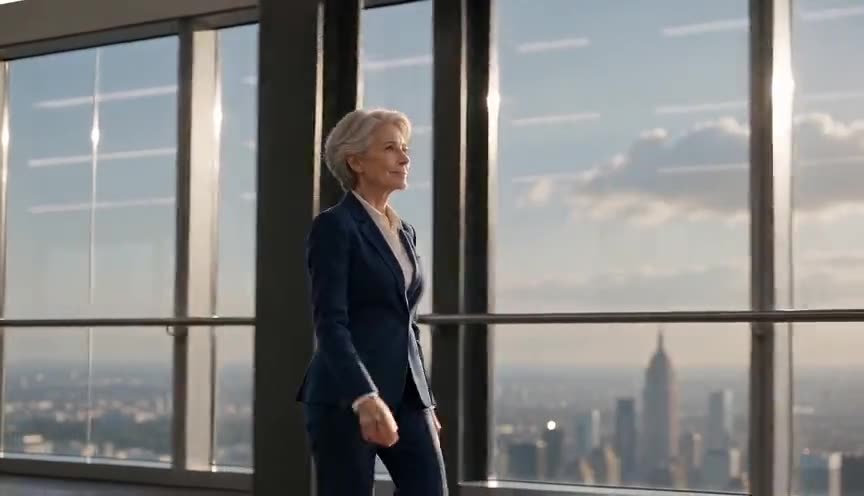
A truck shot moves the camera laterally across a static or slow scene, independent of any single subject's motion. A tracking shot is defined by matching a moving subject's speed and path, so the framing stays locked on them as they travel.
In film
Paths of Glory (1957)
Kubrick tracks with Colonel Dax through the trenches, holding him at a steady distance as soldiers, sandbags, and duckboards pass around him before the attack.
The Shining (1980)
Steadicam shots follow Danny's tricycle through the Overlook corridors, keeping a steady low distance as walls and carpet patterns stream past.
Goodfellas (1990)
The Copacabana entrance shot tracks behind and around Henry and Karen through corridors, the kitchen, and the club in one continuous movement.
The prompt
Name the rig implicitly by describing the physical move: camera gliding on tracks or riding in a vehicle, holding a constant distance from the subject as both travel through the frame together. Specify lens, height, and that the background streams past while the subject stays centered. Avoid vague words like 'follows'; give speed, distance in feet or meters, and what breaks the parallax in the foreground. Skip handheld language like shake or wobble unless you actually want a rougher, follow-shot feel instead.
The exact prompt that rendered the video on this page. Keep the description of the move, change the subject and the setting.
Tracking shot: a lateral dolly move alongside a skateboarder in a concrete skate park at sunset, camera gliding on smooth tracks at the same speed as the skater, keeping her centered in frame at a constant 3 meter distance while ramps, rails and silhouetted onlookers blur past in the background. Golden light rakes across the concrete, her shadow stretching long beside the wheels. The camera holds a steady eye level height, lens locked at 35mm, no handheld shake, motion smooth and continuous for the full four seconds. No text.
Common mistakes
Speed mismatch
The camera lags behind or overtakes the subject, causing them to slide out of frame instead of staying anchored at a fixed distance.
No parallax cue
Keeping the background too far or too flat kills the sense of motion; foreground elements sweeping past quickly are what actually sell the speed.
Handheld wobble
Adding shake or bounce undermines the controlled, gliding feel that separates a true tracking shot from a looser follow shot.
Frequently asked questions
What is a tracking shot?
It is a camera movement that stays at a fixed distance and angle from a moving subject, typically achieved with a dolly on rails, a wheeled rig, or a vehicle, so the subject stays framed while the background moves past behind them.
What's the difference between a tracking shot and a dolly shot?
A dolly shot can move toward, away from, or across a scene regardless of whether anyone is moving in it. A tracking shot specifically matches a moving subject's speed and path so the framing stays locked on them.
How do you film a tracking shot without a dolly track?
Use a gimbal, a car mount, a wheelchair, a skateboard, or even a shopping cart to get smooth lateral motion at walking or running pace. The key is matching the subject's speed, not the specific rig.
Can AI video generators create tracking shots?
Yes, tools like the ones on Imaginode can render a tracking shot if you describe the physical move explicitly: constant distance, matched speed, background streaming past, and the lens or height you want.