Crane over
Also calledCrane-over shot, Boom over, Crane up and over
A crane over is a camera movement in which the crane rises and pushes forward past a foreground obstacle, such as a wall, a crowd, or a piece of ring rope, to reveal the space and action hidden behind it. It turns a blocked view into a sudden, sweeping reveal, lifting the viewer's eye line above the obstruction in one continuous motion.
What it tells
Directors use the crane over to convert a barrier into a discovery. The obstacle keeps information from the audience for a beat, building anticipation, then the rising, forward motion pays it off with scale: a battlefield, a crowd, a whole gym floor. It also works as a spatial bridge, carrying the viewer from an intimate foreground detail into a wide establishing view without a cut, which reads as fluid, confident filmmaking rather than a simple reveal.
How it is shot
A technocrane or jib arm is rigged with the lens starting low, often just behind or below the obstacle, framed so the obstruction fills part of the foreground. On cue, the operator raises the boom while the telescoping arm extends forward, so the camera both climbs and travels at once, typically clearing the obstacle in two to four seconds. A remote head lets the operator tilt down slightly as the arm rises, keeping the new space centered as it appears. Wide to normal lenses (24mm to 35mm) keep both the obstacle and the reveal in reasonable focus, and the move is timed against action below so the reveal lands on a specific beat.
When to use it
- Revealing the true scale of a crowd, battlefield, or arena hidden behind a foreground barrier
- Moving the audience from one contained space into a larger one without cutting
- Building anticipation before a reveal by keeping the subject blocked for a beat
- Ending a scene on an uplifting or triumphant note as the camera lifts above the action
Not to be confused with
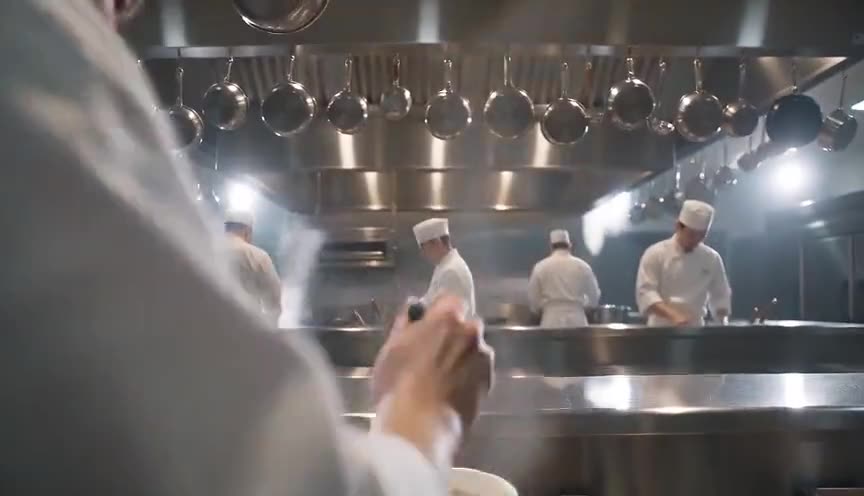
Crane up simply lifts the camera vertically to change height or reveal scale above the subject. Crane over adds a forward push across a specific obstacle, so the reveal happens because something was hidden, not just because the camera got higher.
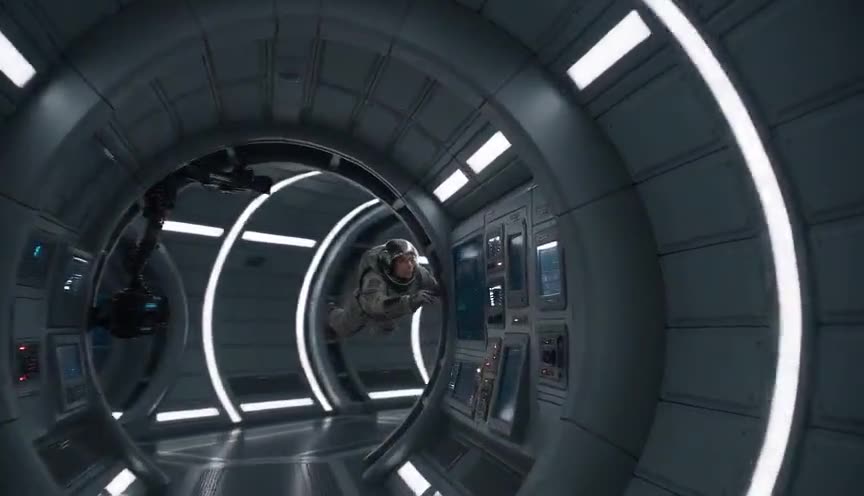
Jib shot is the general term for any small-crane arm movement, including rises, dips, and swings. Crane over is one specific use of that arm: rising and clearing a foreground obstacle to unveil the space behind it.
In film
Gone with the Wind (1939)
A crane rises over rows of wounded soldiers at the Atlanta depot, revealing hundreds more stretching to the horizon in one of cinema's most cited scale reveals.
1917 (2019)
When Schofield moves from the British trench into No Man's Land, the camera cranes up over the parapet and sandbags within the one-shot design.
The prompt
Name the obstacle explicitly (rope, wall, crowd, doorway) and describe the camera starting low or behind it before rising and pushing forward. Use words like 'crane rises and pushes forward,' 'clears the top rope,' 'reveals the space beyond' so the model understands both the block and the payoff. Specify a smooth, motorized, continuous motion and avoid words that suggest a cut, a zoom, or handheld shake, which will read as a different technique entirely.
The exact prompt that rendered the video on this page. Keep the description of the move, change the subject and the setting.
Crane over: the camera starts low behind a boxing ring's top rope, framing a trainer wrapping a fighter's hands in the foreground, then the crane arm rises smoothly and pushes forward, lifting the lens up and over the rope in one continuous three-second arc to reveal the full gym floor beyond, where two boxers spar under hanging heavy bags and rows of fluorescent lights. The camera keeps rising and tilts down slightly as it clears the rope, settling into a high wide angle looking down at the sparring pair, motion smooth and motorized throughout, no cuts. No text.
Common mistakes
Moving too fast
A quick, jerky rise over the obstacle reads as a whip motion or a crash zoom rather than a deliberate crane move, and the reveal loses its weight.
Weak or unclear obstacle
If the foreground barrier is too small or poorly lit, the audience never registers what was hidden, so the reveal feels arbitrary instead of earned.
Reveal not timed to action
Clearing the obstacle a beat too early or late disconnects the move from what it is supposed to unveil, wasting the payoff the technique is built for.
Frequently asked questions
What is a crane over shot?
A crane over is a camera move where a crane arm rises and travels forward, passing above a foreground obstacle to reveal the space and action hidden behind it, all in one continuous motion.
What equipment do you need for a crane over shot?
A jib arm or technocrane with a remote head is standard, though a small handheld jib can work for tabletop or low-obstacle versions of the move on a smaller production.
How is crane over different from a simple crane up?
Crane up is a vertical lift used to change height or reveal scale. Crane over specifically clears a named foreground obstacle, so the vertical lift is paired with a forward push and a deliberate reveal.
Can an AI video model generate a crane over shot?
Yes. Tools built for this, like Imaginode, can render the move if you describe the obstacle, the rising and forward motion, and the space revealed behind it in plain, physical terms rather than naming the technique alone.