Falling camera
Also calledDrop shot, Falling POV, Vertical drop shot
A falling camera shot moves downward through space at the same speed as a falling or dropped subject, keeping them centered in frame while the surroundings streak past. It puts the viewer inside the sensation of falling, turning gravity itself into a disorienting, visceral experience.
What it tells
Falling cameras exist to remove the ground from under the audience. By matching a subject's fall exactly, the shot strips away the safety of a locked frame and hands the viewer the same loss of control the character feels: stomach drop, spinning horizon, rushing detail. Directors reach for it at moments of collapse, whether literal (a fall from a height) or emotional (a character's world giving way), because no cut can replicate the unbroken, accelerating dread of watching the world fall away in real time.
How it is shot
Practically, a falling camera is rigged to drop at (or near) the same rate as the subject: a stunt skydiver camera operator falling in formation, a camera mounted on a vertical drop tower or bungee rig, a drone diving in FPV mode, or a fully CG camera animated in a physics simulation. Wide lenses (14 to 24mm) keep both subject and surroundings in frame during the fall and exaggerate the sense of speed. High shutter speeds or high frame rates keep detail sharp despite the acceleration, while any wobble or slight tumble is left in deliberately to sell weightlessness rather than a smooth, controlled move. Safety teams, harnesses and airbags handle the real risk when it is shot practically rather than generated.
When to use it
- Use it when a character loses physical control, falling from a height, a cliff, a window, or a roof.
- Use it for nightmare or dream sequences where the ground disappears and the world spins away from the character.
- Use it in action climaxes like skydives, base jumps or building collapses to put the audience inside the drop.
- Use it as a transition between scenes, letting the camera plunge through a floor or sky into a new location.
Not to be confused with
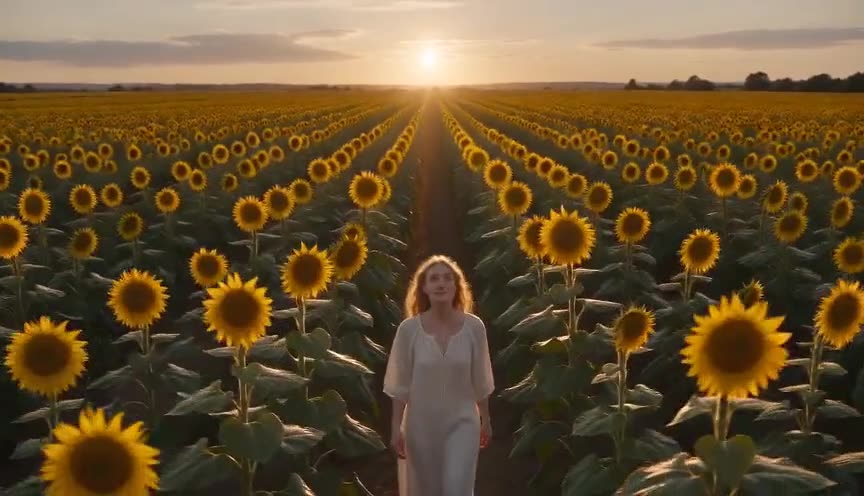
A crane down lowers the camera smoothly and under full control, often ending on a subject rather than falling with them; a falling camera matches an uncontrolled drop and keeps accelerating.
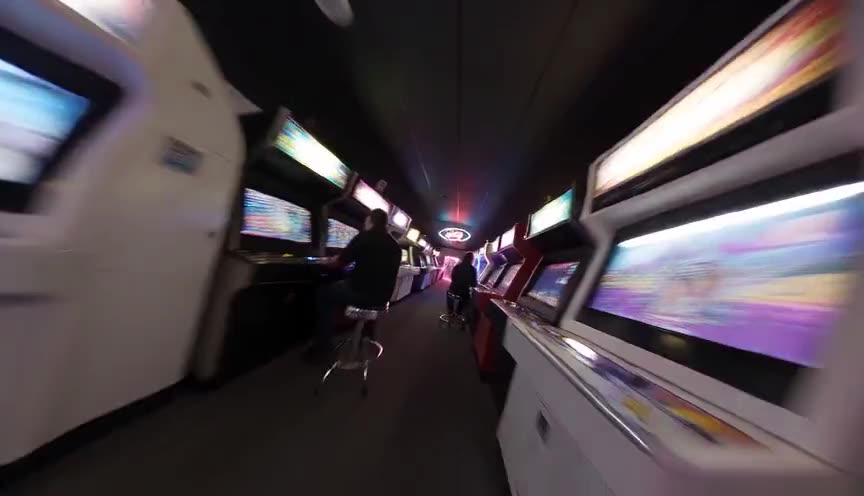
An FPV drone shot can dive steeply like a falling camera, but it is flown with thrust and lift; a true falling camera has no lift, only gravity, so it keeps accelerating until it stops or hits ground.
In film
Mission: Impossible - Fallout (2018)
The HALO sequence used a skydiving camera operator falling with Tom Cruise, keeping him close in frame during practical freefall photography.
Point Break (1991)
Its skydiving scenes were filmed by freefall camera operators jumping with stunt performers, matching their descent and holding the falling bodies in formation.
The prompt
Describe the falling camera and the falling subject as locked together: same speed, same direction, so the subject stays roughly centered while everything else streaks past. Name the lens (wide, 14 to 24mm) and mention motion blur only on the background, not the subject, to sell weightlessness rather than a shake. Avoid words like 'smooth' or 'stable' since those cancel the fall. Skip camera cuts; falling camera is one continuous, accelerating move that should end on impact, a catch, or a hard stop, not fade out gently.
The exact prompt that rendered the video on this page. Keep the description of the move, change the subject and the setting.
Falling camera: the camera falls in sync with a man who has just slipped off the snow-covered roof of a wooden mountain cabin, both dropping at the same speed so his body stays centered and weightless in frame while log walls, icicles and snow-heavy eaves streak upward past the lens in a vertical blur. Wide 18mm lens, fast shutter for crisp motion, flat overcast daylight, cold blue-white color, loose snow spraying off his jacket. The horizon tips slightly as the camera tumbles, then the shot ends abruptly as deep snowdrift fills the frame just before impact. No text.
Common mistakes
Camera drifts from subject
If the fall rate of camera and subject don't match, the subject slides out of frame or changes size unnaturally, breaking the illusion of a shared fall.
Too smooth, too controlled
A perfectly stable, gliding descent looks like a crane move, not a fall; leave in small tumbles, spins or shudders so gravity, not a rig, seems to be steering the camera.
Cutting mid-fall
Breaking a fall into several shots kills the sense of continuous, accelerating freefall; the technique depends on one unbroken take from the moment of loss of balance to landing.
Frequently asked questions
What is a falling camera shot?
It is a shot where the camera itself drops through space at roughly the same speed as a falling subject or object, so the two stay together in frame while the background rushes past, putting the viewer inside the fall instead of watching it from a fixed position.
How do filmmakers shoot a real falling camera?
By rigging the camera to a skydiver, a drop tower, a bungee cable or a diving drone so it physically falls with the subject; stunt coordinators, airbags and harnesses manage the risk, and high frame rates keep the image sharp during the drop.
Can a falling camera shot be created with AI video tools?
Yes. Describe the camera and subject falling together at matching speed, name a wide lens and the blur direction, and avoid words like smooth or stable; tools such as those on Imaginode can render a convincing plunge from a single detailed prompt.
Is a falling camera the same as a drone dive?
Not quite. A drone dive is flown under power and can level off; a falling camera has no lift and keeps accelerating like the subject, which is why it feels closer to true freefall than a piloted descent.