Split toning
Also calledSplit tone grade, Dual-tone color grading, Shadow/highlight tinting
Split toning is a color grading technique that applies one color tint to the shadows of an image and a different, usually complementary, tint to the highlights, leaving midtones closer to neutral. It gives flat footage a layered, dimensional feel and quietly tells the viewer which parts of the frame are cool and which are warm.
What it tells
Directors reach for split toning to add emotional texture without touching the story or the lighting setup. Cool shadows against warm skin can make a room feel lived-in and romantic; warm shadows against cool highlights can feel synthetic or tense. Because the effect lives underneath the image rather than shouting from it, audiences read the mood as atmosphere, not as an obvious filter, which is exactly why colorists use it on almost every modern feature.
How it is shot
In a color grading suite (DaVinci Resolve, Baselight, or similar), the colorist splits the image into luma ranges, usually with lift-gamma-gain wheels or a low/mid/high three-way corrector, and pushes hue and saturation independently in the shadow wheel and the highlight wheel while keeping the midtone wheel close to neutral. A common recipe is cool blue or teal in the lift (shadows) and warm amber or gold in the gain (highlights), or the reverse for a colder mood. Log or raw footage with wide dynamic range gives the most room to separate the ranges cleanly; heavily compressed footage clips before the tones can split apart.
When to use it
- Grading a dialogue scene where you want warmth on faces but coolness in the background
- Unifying footage shot across different lighting setups into one consistent mood
- Adding richness to a flat, evenly lit interior without changing the lighting rig
- Signaling a genre or era through color temperature contrast, such as noir or 1970s film stock
Not to be confused with
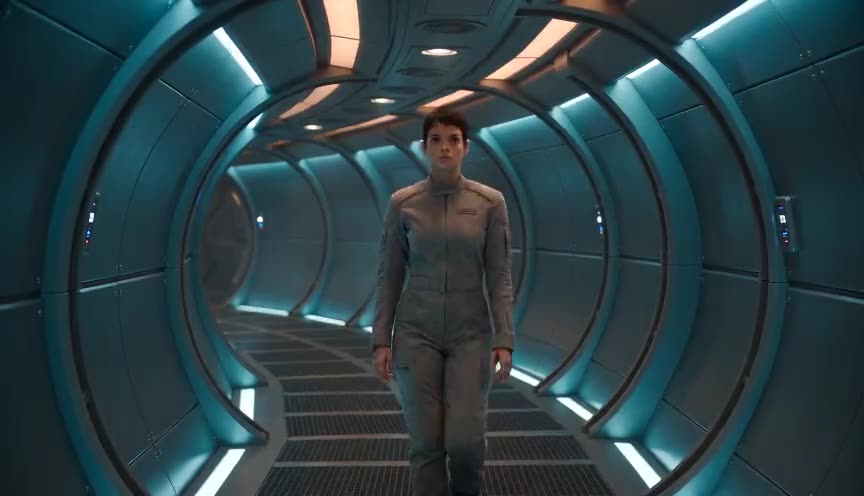
Teal and orange is one specific, high-contrast split toning recipe applied across the whole tonal range for a blockbuster look. Split toning is the broader technique and can use any two colors, subtly, on shadows and highlights only.
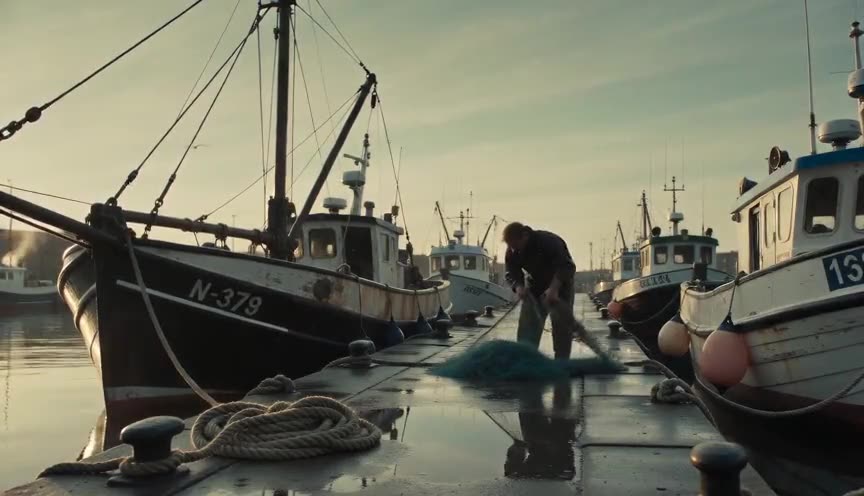
Cross processing comes from a chemical mismatch (developing one film stock in another's chemicals) and produces unpredictable, often clipped color shifts. Split toning is a deliberate, controllable digital grade targeting shadows and highlights separately.
In film
Amélie (2001)
Cinematographer Bruno Delbonnel pushed green into the shadows while keeping warm amber highlights on skin, a widely studied split tone look.
Skyfall (2012)
Roger Deakins graded cool teal shadows against warm practical highlights, a signature separation discussed in cinematography breakdowns of the film.
The prompt
Name the two colors explicitly and assign them to a tonal range: say 'warm amber highlights, cool teal shadows, neutral midtones' rather than 'colorful grade'. Anchor the colors to real light sources (window light, practical lamps, skin) so the model has something physical to tint. Avoid vague words like 'moody' or 'cinematic' alone; they produce a single overall tint instead of a true split. Keep saturation moderate so midtones stay believable.
The exact prompt that rendered the video on this page. Keep the description of the move, change the subject and the setting.
Split toning color grade, static camera on a tripod, 50mm lens, slow push in over four seconds inside a ballet rehearsal room with mirrored walls and a wooden floor. Two dancers stretch near a tall window. Warm amber light falls across their skin and the highlights of the floor, while the corners of the room and the shadows under the barre stay cool teal blue. Midtones remain neutral gray. The color separation stays constant and consistent through the whole shot, no color shift, no camera shake. No text.
Common mistakes
Tinting the whole image the same color
If shadows and highlights end up the same hue, it becomes a single color wash, not split toning. The two ranges need to read as distinct temperatures.
Pushing midtones off neutral
Split toning depends on midtones staying close to gray so skin and dialogue scenes still look natural. Colored midtones make faces look sick or artificial.
Using clipped or crushed footage
Footage with blown highlights or blocked shadows leaves no tonal range to split. The grade needs enough dynamic range in the source to separate cleanly.
Frequently asked questions
What is split toning?
It is a color grading move that gives shadows one color tint and highlights a different one, usually complementary, while midtones stay neutral. It adds depth and mood to an image without an obvious color filter.
How is split toning different from a color filter?
A color filter, whether physical or digital, shifts the whole image toward one hue. Split toning targets shadows and highlights separately, so the two ends of the tonal range can carry opposite colors while midtones stay untouched.
What software is used for split toning?
Colorists most often use DaVinci Resolve, Baselight, or Premiere's Lumetri panel, working with lift-gamma-gain or low/mid/high wheels to isolate shadows, midtones, and highlights independently.
Can AI video tools generate a split toning look?
Yes. Naming the two colors and the tonal range they belong to (shadows versus highlights) in the prompt helps models like those on Imaginode render believable split tone grades instead of a flat, single-color tint.