Cool blue grade
Also calledCold color grade, Blue wash, Steel blue look
A cool blue grade is a color-correction pass that pushes the overall palette toward blue and cyan, desaturating warm tones like skin and wood while shadows and midtones take on a steel or teal cast. It signals cold, distance, danger or emotional detachment before a single line of dialogue is spoken.
What it tells
Directors reach for a cool blue grade when they want the image itself to carry the emotional temperature of a scene: isolation, dread, grief, or the sterile hum of technology and institutions. Because blue is physiologically read as cold and warm as safe, stripping warmth from a frame puts the audience on edge even in a well-lit, otherwise ordinary location. It also separates timelines or states of mind from warmer scenes in the same film, letting color do the narrative work without an explanatory shot.
How it is shot
The grade starts in the color timeline, not on set: a colorist lifts shadows and pulls the overall color wheels toward blue and cyan, often -10 to -20 on the red channel with a matching push on blue, while dropping saturation in skin tones through a secondary key so faces do not turn sickly. White balance can be shifted cooler at the camera (4000K to 5000K instead of daylight 5600K) to bake some of the look in, or the footage can be shot neutral and finished entirely in post. Contrast is usually raised slightly and highlights are kept closer to white, so the blue reads in the mid and low range rather than washing the whole frame.
When to use it
- A grief, hospital or morgue scene where warmth would feel dishonest to the character's emotional state.
- Night exteriors, surveillance footage or tech-noir sequences that need a colder, more sterile atmosphere.
- Flashbacks or alternate timelines that must feel visually distinct from a warmer present-day storyline.
- Winter, arctic or underwater settings where the environment itself is already cold and blue-lit.
Not to be confused with
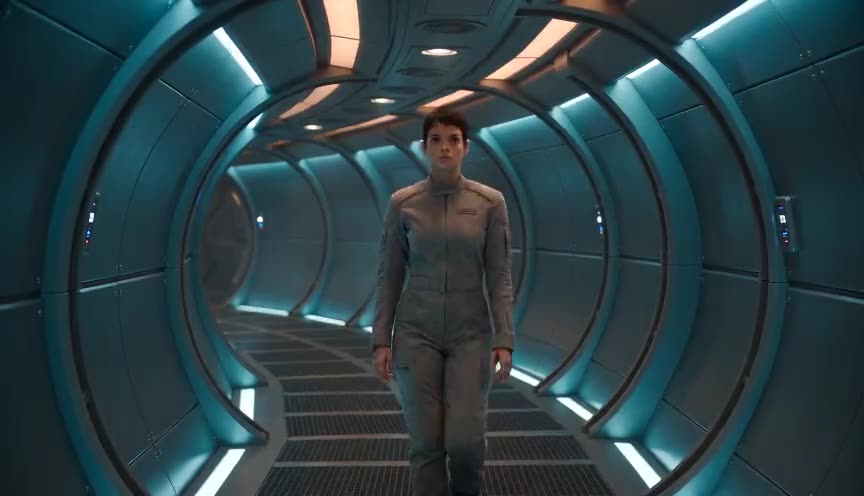
Teal and orange keeps warm skin tones intact and pushes only shadows toward teal, creating contrast; a cool blue grade desaturates warmth everywhere, including faces, for a uniformly cold look.
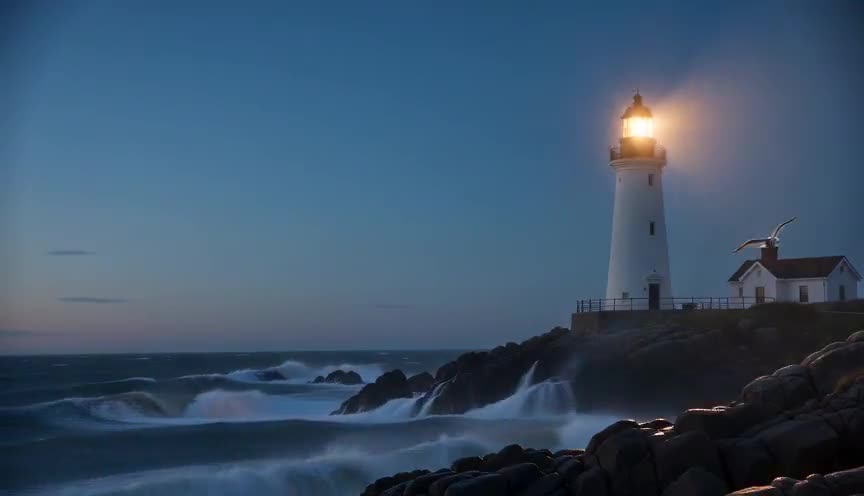
Blue hour is a lighting condition captured naturally at dusk; a cool blue grade is a post-production color choice applied to footage shot in any light, including full daylight or fluorescent interiors.
In film
Traffic (2000)
Soderbergh grades the Ohio storyline in harsh, near-monochrome blue to separate it visually from the warm, gritty look of the Mexico scenes.
Minority Report (2002)
Spielberg and Janusz Kaminski push a steel-blue, bleach-bypass look throughout to give a near-future world a clinical, surveillance-state coldness.
The prompt
Name the effect directly: 'cool blue color grade' or 'desaturated blue-cyan tones', and specify what stays neutral (skin should read pale, not cyan-green) versus what shifts (shadows, sky, foliage). Mention a light source that motivates the coolness, like overcast sky or fluorescent light, so the model has a physical reason for the color. Avoid vague words like 'cold mood' alone; anchor the grade with a concrete setting and a contrast note (raised contrast, deep shadows) so the AI doesn't just lay a blue filter over an otherwise warm scene.
The exact prompt that rendered the video on this page. Keep the description of the move, change the subject and the setting.
Cool blue grade drapes a vineyard in autumn under an overcast sky, the camera holding a static wide shot as a lone worker in a gray jacket walks slowly between rows of bare, rust-colored vines. The color timing pulls all warmth from the leaves and soil, turning them steel gray and cyan, while skin tones stay pale and neutral rather than golden. Contrast is raised, shadows under the vine rows deepen to near black, and the flat daylight reads cold and still for the full four seconds. No text.
Common mistakes
Turning faces cyan
Pushing the blue shift into skin tones makes actors look sick or dead instead of cold; use a secondary key to protect flesh tones while shadows and background go blue.
No motivating light source
A blue cast with no overcast sky, moonlight or fluorescent tube to explain it reads as an unmotivated filter rather than a deliberate color choice.
Flattening all contrast
Crushing everything toward the same blue midtone erases depth; keep highlights closer to neutral so the cool cast lives mainly in shadows and midtones.
Frequently asked questions
What is a cool blue grade?
It's a color grade that shifts an image's shadows, midtones and often skin tones toward blue and cyan, removing warmth to create a cold, distant or clinical mood. It's applied in post-production, though on-set white balance choices can support it.
Is cool blue grade the same as teal and orange?
No. Teal and orange keeps warm skin tones and pushes only the background or shadows cool for contrast, while a cool blue grade desaturates warmth across the whole frame, including faces, for a uniformly cold look.
Does a cool blue grade work on any footage?
It works best on footage with soft, flat or overcast light; harsh warm sunlight and strong practical lights fight the grade and need heavier secondary correction to look intentional rather than washed out.
Can AI video tools generate a cool blue grade directly?
Yes. Tools like those on Imaginode can bake a cool blue grade into a generated clip if you describe the color shift, the light source and what should stay neutral, without needing a separate color pass.