Warm amber grade
Also calledamber grade, honey grade, warm color grade
Warm amber grade is a color grading style that pushes highlights, midtones and even shadows toward gold, honey and rust instead of neutral white or blue. It gives an image a sense of warmth, comfort and nostalgia, making a scene feel remembered and lived-in rather than clinically observed.
What it tells
Directors reach for warm amber grade when they want a scene to feel remembered rather than simply seen. The gold cast reads as sunlight, firelight or lamplight even when the source is neutral, so it signals safety, intimacy and tradition. It softens hard edges emotionally the way soft light softens them physically, pulling an audience toward nostalgia, domestic comfort or a sense of craft and care, nudging viewers toward affection for a place or character before a line is spoken.
How it is shot
The look starts either on set or in the grade. On set, cinematographers set white balance to around 3200K under daylight or add an 85-series warming filter, and light with tungsten bulbs, candles or amber gels at 1/4 or 1/2 CTO. In the grade, colorists lift shadows toward amber, push midtone gamma toward yellow-orange, roll highlights from white to warm gold, and often desaturate blues and greens by 10 to 20 percent so nothing pulls cool. Contrast is usually lowered slightly and a touch of film grain or halation is added so the warmth reads as light rather than a flat filter.
When to use it
- Use it for flashbacks, memories or scenes meant to feel emotionally warm and safe.
- Reach for it in domestic, rustic or craft settings where tradition and comfort matter to the story.
- Apply it to golden-hour exteriors or firelit interiors to intensify a warmth that is already present.
- Choose it for romance, family reunions or coming-of-age stories that lean on nostalgia.
Not to be confused with

Teal and orange keeps warm skin tones but pushes backgrounds and shadows cool for contrast and punch. Warm amber grade pushes everything toward gold, including shadows, for a softer, more uniform nostalgic feel.
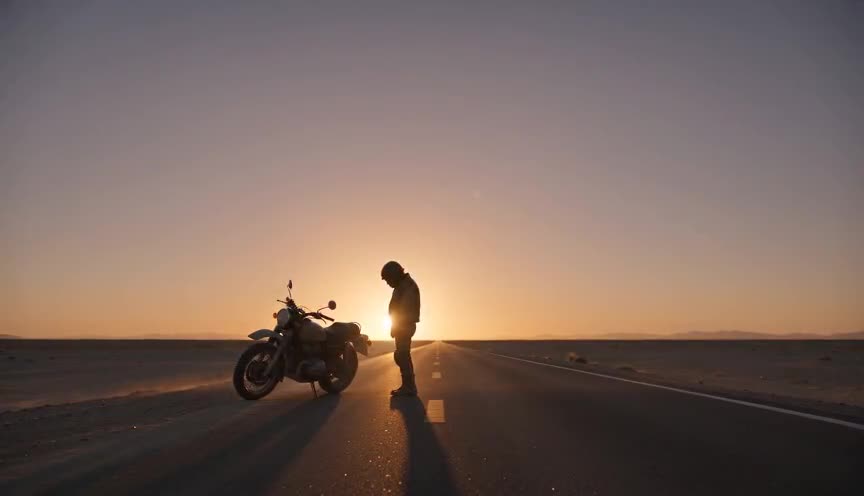
Golden hour is a lighting condition, the warm low sun itself, while warm amber grade is a color correction applied afterward that can recreate or exaggerate that warmth on footage shot at any time of day.
In film
Amélie (2001)
The entire film is graded toward gold and green, using warm amber tones to make Paris feel like a storybook memory.
The Godfather (1972)
Interior scenes use warm amber lighting and grading to make the family's world feel enclosed, traditional and intimate.
The prompt
Name the grade directly with phrases like warm amber color grade, golden highlights or honey-toned shadows, and describe a motivated warm light source such as lamps, candles or a kiln so the color feels earned rather than filtered. Mention that shadows stay warm, not neutral or blue, and explicitly forbid cool or teal tones. Avoid vague words like cozy alone; pair them with concrete color and light instructions so the model does not default to a neutral or cool base grade.
The exact prompt that rendered the video on this page. Keep the description of the move, change the subject and the setting.
Warm amber grade: a static medium shot inside a pottery workshop where a middle-aged woman shapes clay on a spinning wheel, lit by warm tungsten bulbs and a soft kiln glow behind her. The entire frame is graded toward gold and honey, with warm highlights on her hands and the wet clay, deep amber shadows in the corners, and no cool or blue tones anywhere in the image. The camera holds completely still for four seconds while dust motes drift through the warm light and the wooden shelves keep a consistent golden brown cast throughout. No text.
Common mistakes
Losing shadow detail
Pushing amber too far into the shadows crushes them into a muddy brown mass, so the image looks dirty and underexposed instead of warm and inviting.
Sickly skin tones
Overdoing the amber shift turns skin orange or jaundiced rather than warm, especially on pale skin tones, which reads as unhealthy instead of cozy.
No motivated light source
Grading everything warm without a visible lamp, fire or window light makes the color feel like a filter slapped on top rather than a property of the actual light in the scene.
Frequently asked questions
What is warm amber grade?
It is a color grading style that shifts highlights, midtones and shadows toward gold and honey instead of neutral tones. The result feels warm, nostalgic and intimate, as if the scene were lit by sunlight, firelight or lamplight.
Is warm amber grade the same as a tungsten white balance mistake?
No. An uncorrected tungsten white balance under daylight produces an unwanted orange cast by accident, while warm amber grade is a deliberate, controlled push applied in the grade or on set to serve the story.
Does warm amber grade work with any lighting setup?
It works best when the original lighting already leans warm, such as tungsten bulbs, candles or golden hour sun. Cool light sources like fluorescents or overcast daylight need a stronger correction to avoid looking unnatural.
Can AI video generators produce a warm amber grade?
Yes, tools such as Imaginode can apply this look if you describe the warm highlights, honey shadows and a motivated warm light source clearly in the prompt, rather than relying on the word warm alone.