Graphic match
Also calledGraphic cut, Shape match, Visual rhyme cut
A graphic match is a cut that joins two shots whose shapes, lines, colors, or composition line up almost exactly, so the eye reads continuity across a break in time or place. It lets the editor connect two unrelated moments through pure visual similarity rather than through action or story logic.
What it tells
Directors use the graphic match to make an argument without a word of dialogue: two eras, two ideas, two lives rhyme because their shapes rhyme. It compresses time, suggests cause and effect, or draws an ironic or poetic parallel that a straight cut would never carry. Because the link is visual, it works on the audience before they consciously notice the edit, which is what makes it feel elegant, sometimes even a little uncanny.
How it is shot
The editor and often the director plan the match in prep: both shots are framed so the key shape (a circle, a diagonal, a silhouette) sits at the same size and the same position in the frame, usually centered or on the same rule-of-thirds point. Lens height, screen direction of any movement, and even color temperature are matched so the cut reads as one continuous shape rather than two different images. The cut point is placed at the exact frame where the shapes are closest to identical, sometimes down to a single frame, and colorists will nudge hue or exposure in the grade so the match holds under a quick cut rather than a slow dissolve.
When to use it
- Bridging two time periods or locations through a shared object, shape, or silhouette
- Suggesting an idea, theme, or irony without dialogue or narration
- Opening or closing a sequence with a visual bookend that echoes an earlier shot
- Compressing a long span of story time into one clean, memorable transition
Not to be confused with
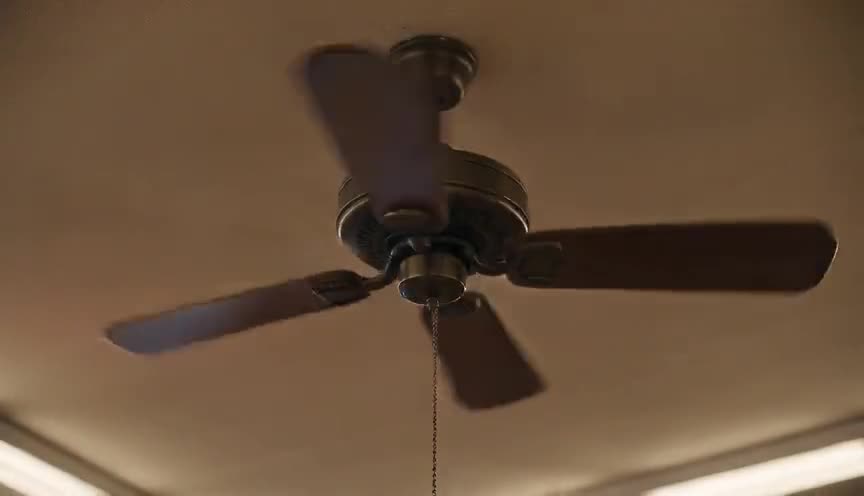
Match cut is the broader family, sometimes carrying narrative or thematic weight beyond shape. Graphic match is the purely formal version: the link is shape, line, or color alone, with no requirement that the content relate.
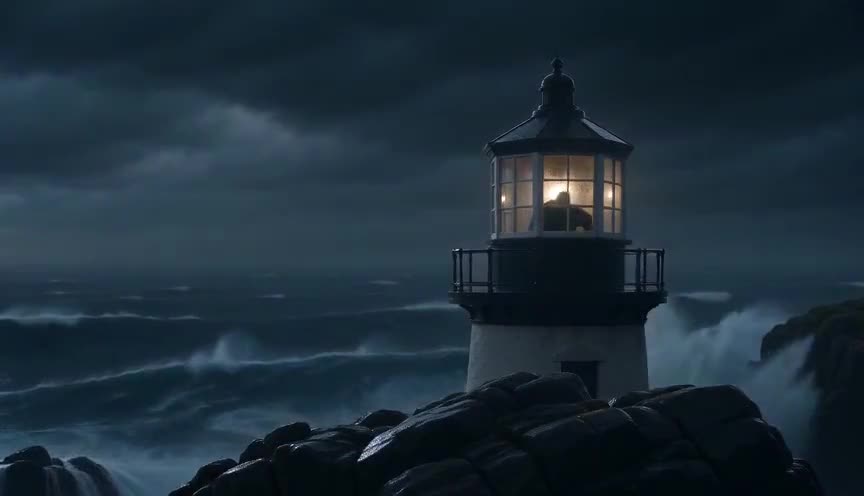
Match on action cuts on continuous physical movement within the same scene to hide the edit. Graphic match links separate scenes through visual shape alone, with no continuous action across the cut.
In film
2001: A Space Odyssey (1968)
A thrown bone cuts directly to an orbiting satellite, the two objects matching in shape and screen position to leap millions of years in one frame.
Psycho (1960)
The shower drain dissolves to Marion's lifeless eye, matching the circular forms and continuing the scene's spiraling camera movement.
The prompt
Describe both shots as if storyboarding a graphic match: name the shared shape explicitly (a circle, a line, a silhouette), state that it occupies the same size and position in frame in both shots, and keep the camera locked or nearly still so the shape carries the cut rather than camera motion. Avoid vague transition words like blend or morph, which push the model toward a dissolve instead of a hard cut on a matched shape.
The exact prompt that rendered the video on this page. Keep the description of the move, change the subject and the setting.
Graphic match: first shot is a close-up inside a car at dusk on a desert highway, a circular steering wheel gripped by a middle-aged man's hands, centered in frame, warm dashboard light, camera locked off. Hard cut, at the exact moment the wheel's circle fills the same size and screen position, to an extreme wide shot of the empty desert highway, the setting sun forming an identical circle in the same spot in the frame, orange sky, straight road to the horizon, camera locked off. No text.
Common mistakes
Shapes don't line up in size or position
If the matched shape shifts screen position or scale between shots, the eye catches the seam and the cut reads as a mistake instead of a rhyme.
Color or light breaks the illusion
A cold shot cutting to a warm one, or a bright shot cutting to a dark one, fights the shape match; grade both shots toward a similar tone before the cut.
Overusing it until it loses meaning
A graphic match works because it is rare and pointed. Stacking several in one sequence turns a striking idea into a gimmick the audience stops noticing.
Frequently asked questions
What is a graphic match?
It is an edit that cuts between two shots because their shapes, lines, or colors line up almost exactly, so the composition itself carries the viewer across a jump in time or place rather than the story or the action.
Is graphic match the same as match cut?
They overlap. Match cut is the general term for cuts linked by similarity, which can include shape, action, or theme. Graphic match specifically means the link is purely visual: shape, line, or color.
Why does the bone-to-satellite cut in 2001 work so well?
The bone and the satellite occupy the same size and position in the frame at the cut point, and both are set against a bright sky, so the shape reads as continuous even though millions of years pass in a single frame.
Can AI video tools generate a graphic match?
Yes, if you describe both compositions precisely, naming the shared shape and stating it sits at the same size and position in both shots. On a platform like Imaginode, being explicit about framing matters more than describing the cut itself.