Dreamcore
Also calledLiminal dreamcore, Dream logic look, Weirdcore-adjacent aesthetic
Dreamcore is a genre look that renders an ordinary, recognizable place as though it were remembered from a dream: soft diffused light, muted pastel color, and geometry that is almost, but not quite, right. It leaves the viewer with a mix of nostalgia and quiet unease, the sense of having been somewhere like this before.
What it tells
Directors reach for dreamcore when they want to put the audience inside a memory rather than a present moment: a childhood home, a school hallway, a place half-forgotten and re-assembled wrong. The look suspends normal cause and effect, so tension comes from atmosphere and repetition instead of plot. It works for flashback, dissociation, grief, or the slow slide into a dream or hallucination sequence.
How it is shot
The frame is usually static or drifts very slowly, often on a wide or normal lens so geometry stays legible but slightly flattened. Light is soft and shadowless, diffused through haze, fog, or an overcast sky, sometimes pushed toward slight overexposure so highlights bloom. The color grade sits in muted pastels (dusty pink, lavender, faded cyan) with contrast pulled down. Spaces are emptied of people or populated with figures who do not move or interact, and architecture repeats (identical chairs, windows, columns) to suggest a loop. A touch of grain, halation, or VHS-like softness on the lens reinforces the sense of a recalled rather than lived image.
When to use it
- A flashback or memory sequence where the place should feel slightly wrong or rearranged
- A transition into a dream, coma, or dissociative state inside an otherwise realistic story
- An establishing shot for a liminal location: an empty terrace, hallway, or waiting room
- A music video or mood piece built on nostalgia and quiet unease rather than plot
Not to be confused with
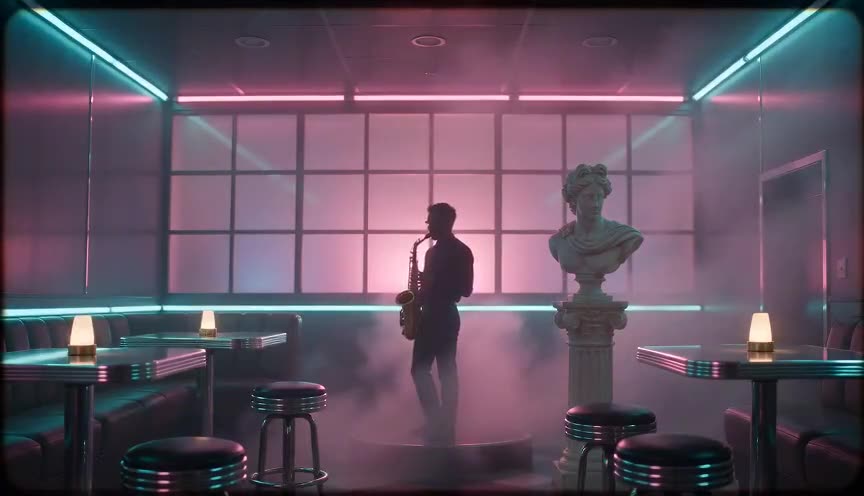
Vaporwave leans on neon pinks and cyans, grid lines, and retro digital nostalgia; dreamcore is softer and hazier, closer to a half-remembered real place than a stylized retro-futurist one.
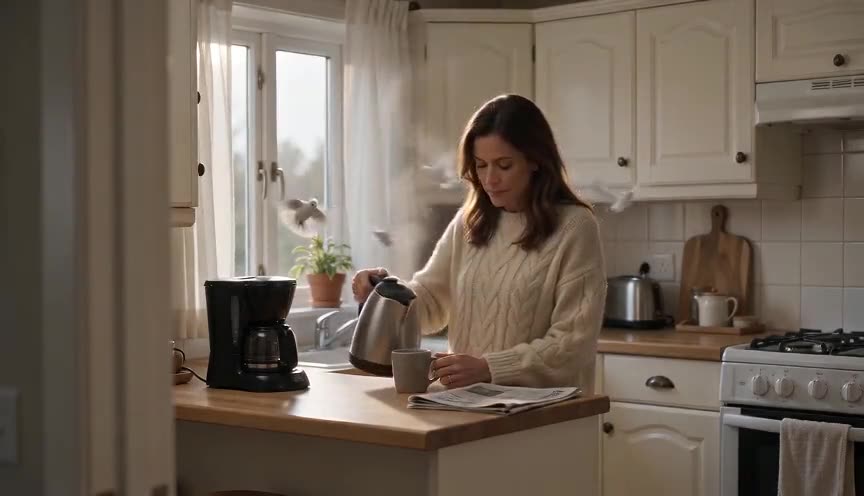
Magical realism keeps the world naturalistic and inserts one impossible element; dreamcore distorts the whole atmosphere of an ordinary place through light, color, and emptiness without any overt fantasy element.
In film
Eternal Sunshine of the Spotless Mind (2004)
Memory scenes use soft pastel light and rooms that dissolve or repeat, giving ordinary spaces a dreamlike, half-erased quality.
Picnic at Hanging Rock (1975)
Diffused light, gauzy whites, and slowed rhythms make the school and Australian landscape feel like a remembered dream tinged with menace.
The prompt
Name the real, ordinary location first, then push it dreamlike with words like hazy, muted pastel, soft diffused light, empty, and repeating architecture. Avoid neon, glitch, or horror words, which pull the look toward cyberpunk or found footage instead. Keep camera movement minimal (static or a very slow drift) so the stillness itself reads as uncanny, and let haze or soft focus do the unsettling work rather than obvious distortion.
The exact prompt that rendered the video on this page. Keep the description of the move, change the subject and the setting.
Dreamcore: a static wide shot of a Parisian rooftop terrace at dawn, pale pastel sky in soft pink and lavender, thin haze diffusing the light so shadows barely exist. A lone adult woman in a plain beige coat stands motionless near a row of identical folding chairs, her back to camera. The chimneys and zinc roofs behind her repeat in soft, slightly muted color, the air faintly hazy as if seen through gauze. The camera holds perfectly still for the full four seconds, only the haze drifting slowly, giving the ordinary rooftop an uncanny, half-remembered stillness. No text.
Common mistakes
Pushing saturation too high
Bright, punchy color reads as vaporwave or hyper-saturated fantasy, not memory. Dreamcore stays muted and washed out, not vivid.
Adding overt horror cues
Jump scares, monsters, or aggressive shadows turn the shot into horror. Dreamcore relies on stillness and quiet wrongness, not fright.
Cluttering the frame with action
Busy movement and crowds break the dream logic. Leave the space empty or nearly still so repetition and silence carry the unease.
Frequently asked questions
What is dreamcore?
Dreamcore is a visual style that makes an ordinary, real place feel like it was pulled from a dream, using soft hazy light, muted pastel color, and empty or repeating spaces. It creates a feeling of nostalgia mixed with quiet unease.
Is dreamcore the same as liminal space photography?
They overlap heavily. Liminal space photography focuses on transitional locations like hallways and waiting rooms; dreamcore is the broader color and lighting treatment that can be applied to any location to give it that same half-remembered quality.
What colors define a dreamcore look?
Muted pastels dominate: dusty pink, lavender, faded cyan, pale yellow. Contrast is kept low and shadows are soft, so nothing in the frame reads as sharp or fully lit.
Can an AI video model generate dreamcore reliably?
Yes, if you describe the light, color, and emptiness explicitly rather than just saying dreamcore. On a canvas like Imaginode, naming hazy diffused light, muted pastel grade, and repeating architecture gives the model concrete elements to render.