Magical realism
Also calledmagic realism, lo real maravilloso
Magical realism is a genre look that presents impossible or supernatural events as an ordinary, unremarked part of everyday life, filmed with the same naturalistic light and camera language used for realistic drama. It makes the viewer accept wonder without spectacle, so the strangeness feels lived-in rather than staged.
What it tells
Directors reach for magical realism when they want to explore grief, memory, faith or political trauma without triggering the audience's genre defenses that come with overt fantasy or horror. Because the impossible event is never explained or marveled at by the characters, viewers are left to sit with ambiguity, deciding for themselves whether what they saw was real, remembered or imagined. This restraint keeps the emotional core, loss, longing, hope, in the foreground and lets wonder serve the story's feeling instead of distracting from it with spectacle.
How it is shot
On set, magical realism is built through consistency, not effects. Light stays motivated and naturalistic (available light, soft window light, golden hour), lenses stay in the normal 24mm to 50mm range, and camera moves are calm: static shots, slow pans, a patient dolly-in. The impossible element, a floating object, a person who doesn't age, rain indoors, is placed in the same frame as ordinary business (folding laundry, walking a dog) and lit with the identical key light and color grade as the rest of the scene. No score sting, no shocked reaction shot, no change in cutting rhythm. In post, color grading stays true to life and VFX composites are kept subtle and grounded (soft shadows, correct scale, matched grain), so the eye reads the moment as documentary before it reads it as magic.
When to use it
- When a story about grief or memory needs a supernatural moment to feel true rather than fantastical.
- When you want a folk tale or family saga to carry political or historical weight without heavy-handed allegory.
- When a character's inner belief or faith should appear as literal fact on screen, unquestioned by anyone else.
- When you need wonder that builds slowly across a scene instead of arriving as a sudden reveal.
Not to be confused with
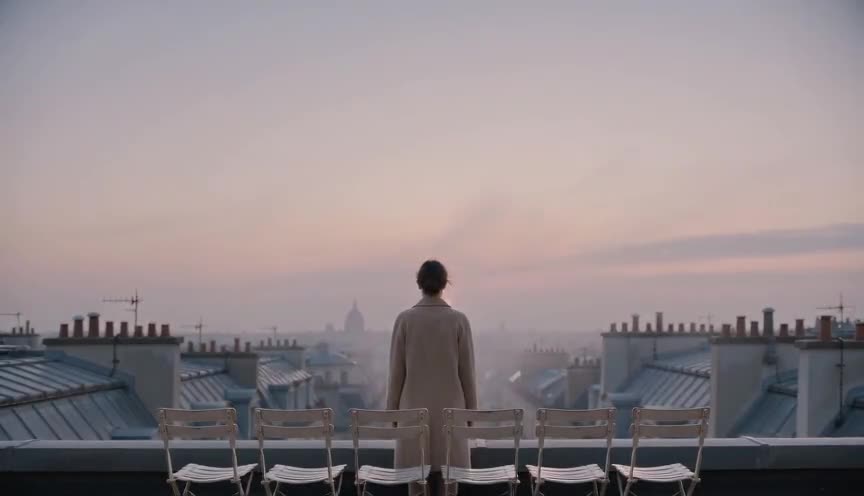
Dreamcore leans into uncanny, off-kilter imagery and deliberate visual dissonance to feel like a dream; magical realism keeps the image fully naturalistic and lets only one impossible element intrude on an otherwise ordinary world.
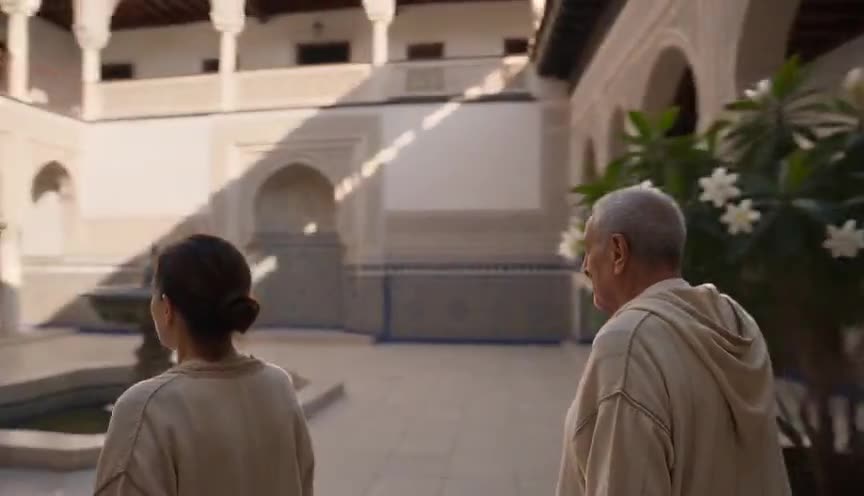
Documentary look borrows observational camera work and available light to claim truth about real events; magical realism borrows that same restraint to make an invented, impossible event feel just as true.
In film
Pan's Labyrinth (2006)
Fauns and fairies appear beside the brutal reality of Francoist Spain, filmed with comparable seriousness so Ofelia's wonder feels lived in.
Like Water for Chocolate (1992)
Tita's cooking transmits desire, grief, and heat into ordinary domestic life, with magical effects accepted as part of family reality.
Uncle Boonmee Who Can Recall His Past Lives (2010)
Boonmee's dead wife and a red eyed monkey ghost join a family dinner, treated calmly within Apichatpong's quiet rural naturalism.
The prompt
Push the model toward calm, naturalistic camera language: static or slow shots, natural light, normal lens length, and describe the impossible detail as if it were mundane, not a special effect. Avoid words like magic, fantasy, VFX or CGI, which push generators toward glowing sparkle and dramatic reveal. Instead name the physical fact (petals floating upward, a shadow that doesn't match its owner) and place it inside an ordinary human action so the model treats both with the same weight and pacing.
The exact prompt that rendered the video on this page. Keep the description of the move, change the subject and the setting.
Magical realism. In an ordinary small kitchen in the morning, a woman calmly makes coffee while the steam from her cup turns into small white birds that fly slowly around the room; she does not react and keeps reading her newspaper as if it were normal. Warm natural light, realistic everyday look, static camera. No text.
Common mistakes
Explaining the magic
Adding dialogue, narration or a character's shocked reaction that spells out the impossible event kills the technique; the wonder must stay unremarked.
Reaching for glow and sparkle
Lens flares, particle effects and shimmering light turn the moment into fantasy spectacle instead of a fact quietly inserted into real life.
Breaking the naturalistic camera language
Whip pans, crash zooms or dramatic score cues signal to the audience that something extraordinary is happening, which defeats the deadpan tone the genre needs.
Frequently asked questions
What is magical realism?
Magical realism is a storytelling and visual style where an impossible or supernatural event is presented as a normal part of everyday life, filmed and lit exactly like realistic drama, with no character reacting to it as extraordinary.
How is magical realism different from fantasy?
Fantasy builds a separate world with its own rules and often announces its magic through spectacle and reaction; magical realism keeps one foot in the recognizable, real world and treats the impossible event as unremarkable fact.
Can AI video tools generate magical realism convincingly?
Yes, if you describe the impossible detail in plain, physical terms and keep the camera, light and pacing naturalistic. Imaginode's models like Seedance, Kling and Veo respond well to concrete, deadpan descriptions rather than words like magic or fantasy.
Which films best show magical realism?
Pan's Labyrinth, Big Fish and Amélie are frequently cited in film schools for placing fantastical elements inside otherwise grounded, realistic worlds without spectacle or explanation.