20 techniques
Genre looks: visual styles borrowed from film history
Genre looks bundle lighting, color, lens choice, and camera movement into a single recognizable package tied to a specific film movement or tradition. Film noir combines low-key lighting and hard shadows with Dutch angles, cyberpunk pairs neon lighting with cool blue grades and dense urban framing, and cinéma vérité relies on handheld cameras and available light to feel unrehearsed and immediate. Naming a genre look shortcuts many individual technique choices at once.
Choose a genre look when you want an entire scene to read as a coherent style rather than assembling techniques piece by piece. Use it as a starting point, then adjust individual elements like lighting or lens to fit your specific story. In AI prompts, naming the genre directly gives the model a dense, well-documented visual reference to draw from.
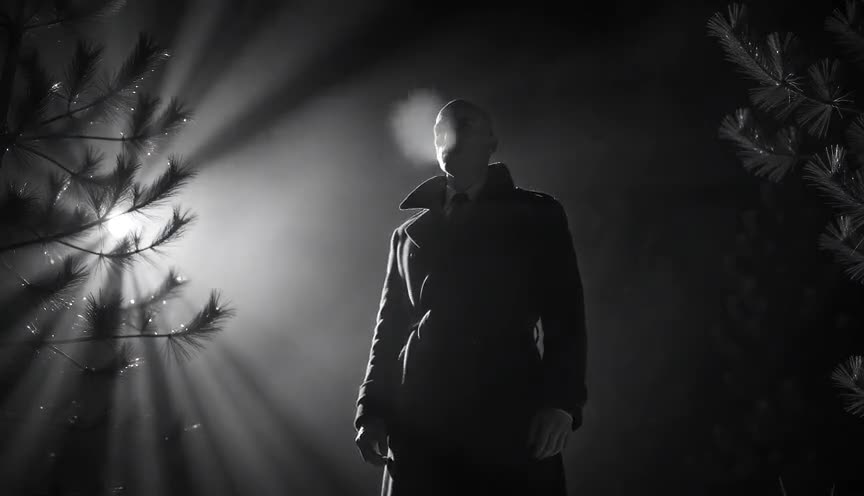
Film noir
Film noir is a high-contrast, low-key lighting and camera style built on deep black shadows, hard directional light and skewed compositions. It signals moral ambiguity, danger and isolation to the viewer before a single line of dialogue is spoken.
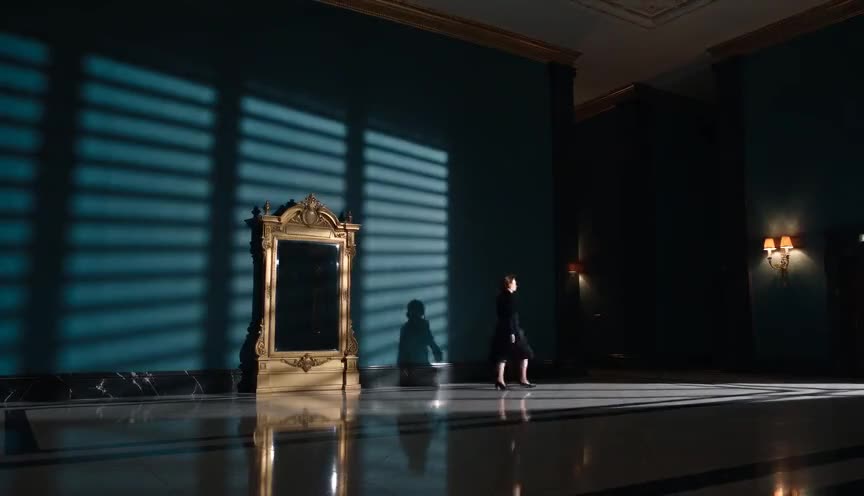
Neo-noir
Neo-noir is a contemporary genre look that borrows the deep shadows, moral ambiguity and off-kilter framing of classic film noir but renders them in color, with harder contrast and modern lenses. It tells the viewer that something is corrupt or unresolved before a single line of dialogue explains why.
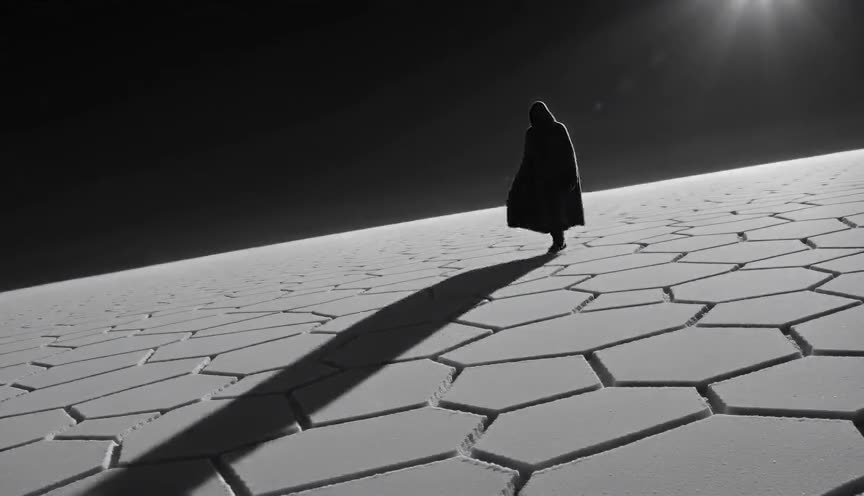
German expressionism
German expressionism is a genre look built from painted-on shadows, warped architecture and extreme chiaroscuro that turns the physical world into a mirror of a character's inner state. It makes the viewer feel dread or instability before the story gives them a reason to.
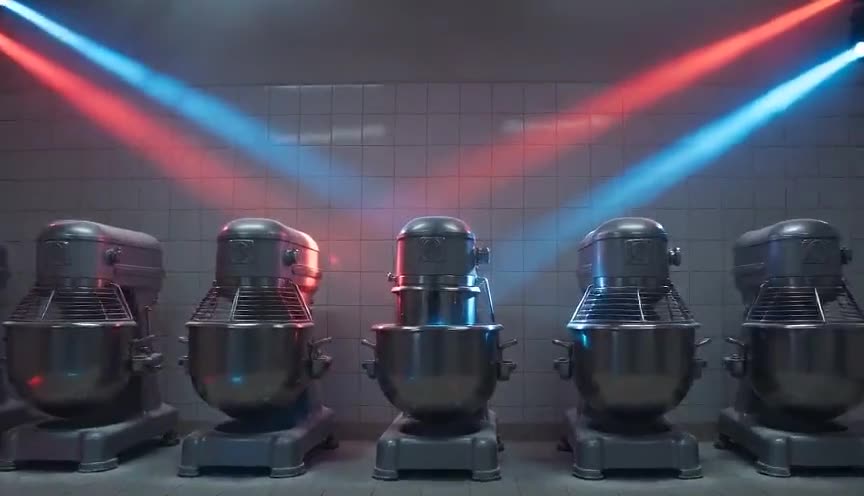
Giallo
Giallo is an Italian genre look built on hyper-saturated primary colors, hard gel lighting, and stylized point-of-view shots that turn ordinary rooms into something dangerous. It makes the viewer distrust the frame itself, since beauty and threat share the same red and blue light.
Spaghetti western
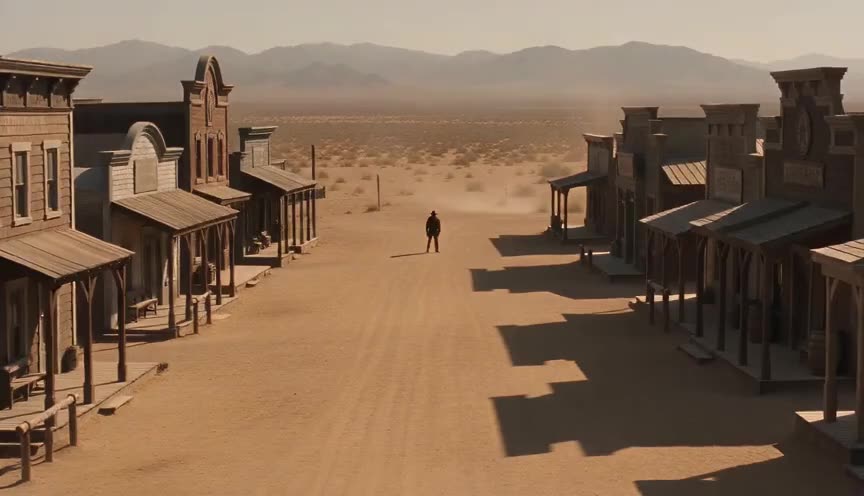
Spaghetti western is a genre look modeled on the Italian-made westerns of the 1960s, pairing vast dusty vistas with extreme close-ups on squinting eyes and sweating faces. It stretches time before a burst of violence, making the viewer feel every second of a standoff under a punishing sun.
Found footage
Found footage is a technique that presents a film as raw, unedited recordings supposedly discovered or recorded by a character within the story. It strips away polished camerawork and score to make the viewer feel they are watching real, unfiltered evidence rather than a constructed film.
Cinéma vérité
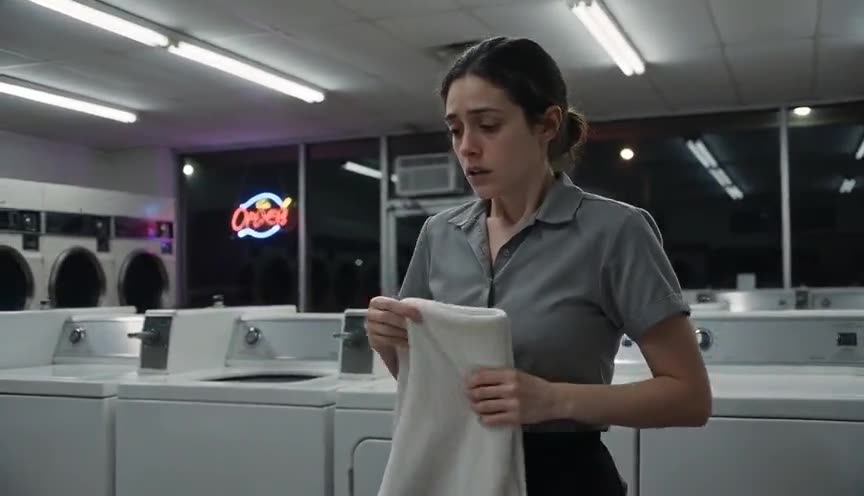
Cinéma vérité is a documentary filmmaking style that uses a handheld camera, available light, and unscripted moments to record events as they unfold. It makes the viewer feel like an unseen witness rather than an audience watching a constructed scene.
French New Wave
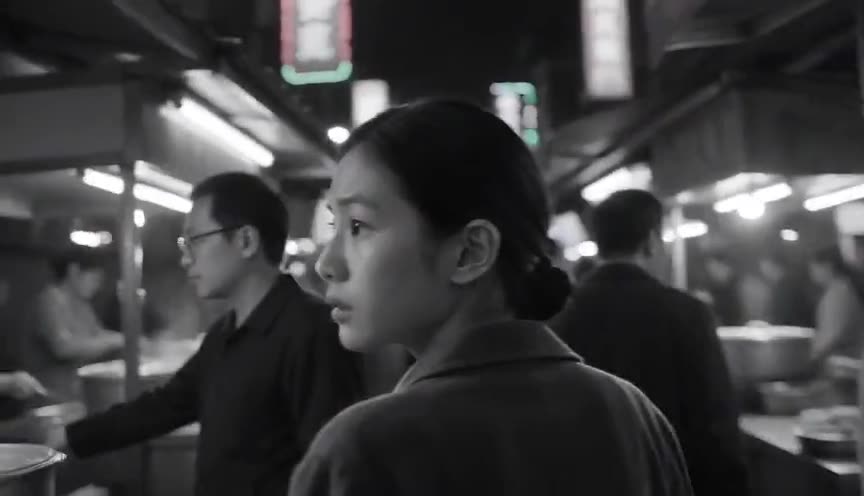
French New Wave is a low-budget, anti-classical film style born in Paris around 1959, built on handheld cameras, natural light, real locations and abrupt jump cuts. It gives the viewer a restless, present-tense feeling, as if the story is being caught rather than staged.
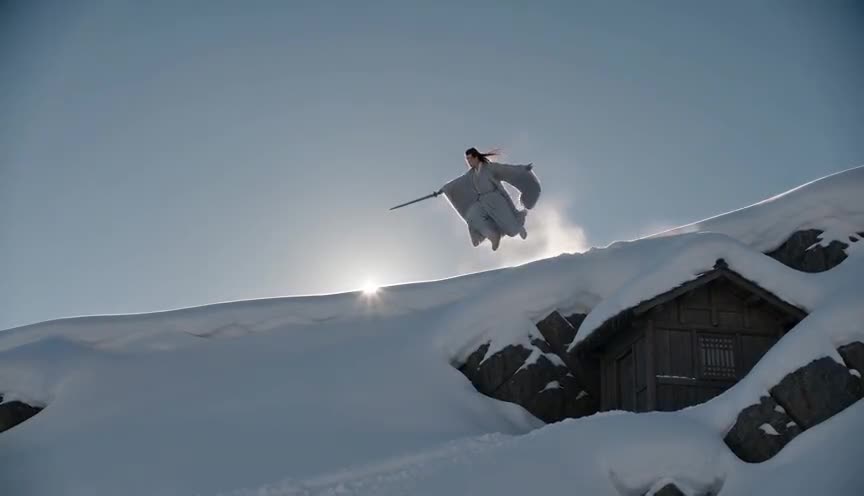
Wuxia
Wuxia is a Chinese genre look built around wire-assisted, flying swordfighters whose bodies move with weightless, dance-like grace through wind, mist and falling leaves or snow. It tells the viewer that combat here is not brute realism but a display of inner spirit, honor and transcendence over gravity.
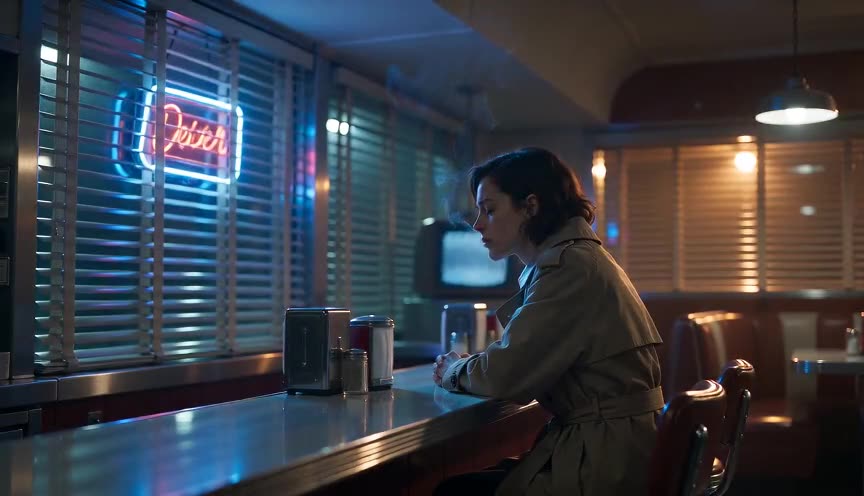
Tech noir
Tech noir is a genre look that fuses classic film noir lighting and mood with technology, machines and urban future settings. It surrounds the viewer with hard shadows and cold electronic light at once, making a scene feel both paranoid and modern.
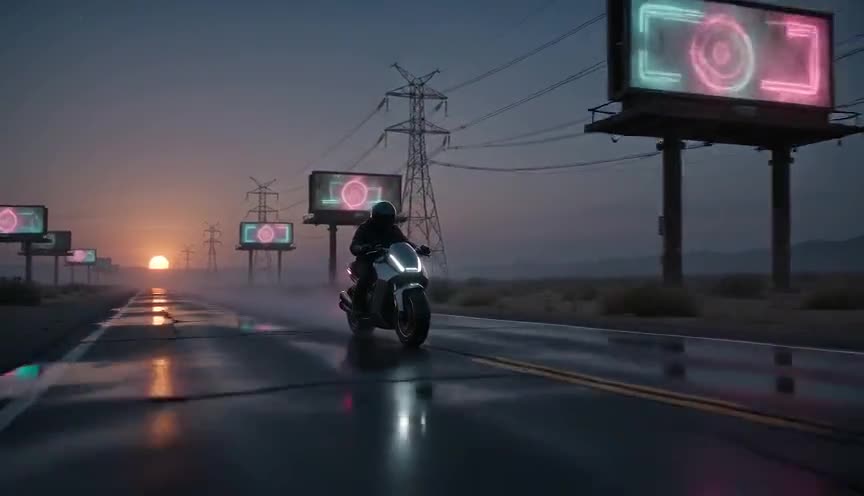
Cyberpunk
Cyberpunk is a genre look that fuses advanced technology with urban decay, built from neon signage, rain-wet streets, dense signage clutter and towering megacorporate screens set against poverty and grime. It tells the viewer they are watching a near-future world where dazzling tech and human squalor sit side by side, producing glamour laced with unease.
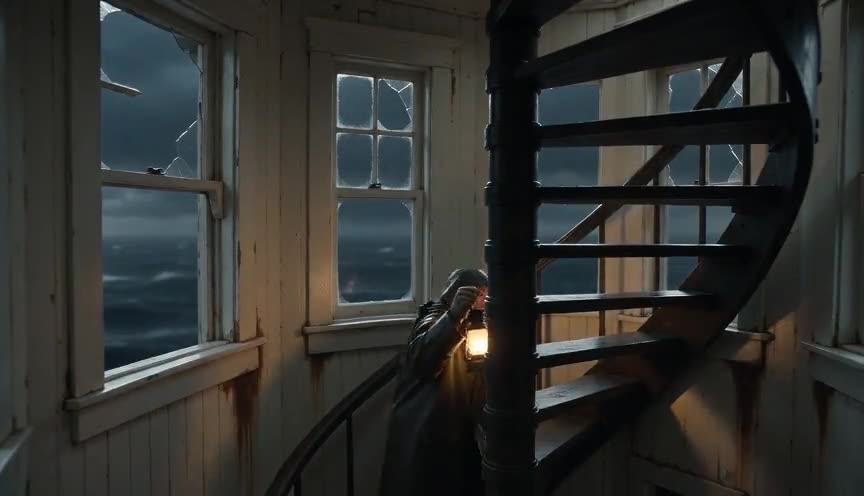
Southern gothic
Southern Gothic is a genre look that pairs decayed architecture, oppressive heat and low, moody light with themes of family secrets, faith and violence beneath a genteel surface. It makes the viewer feel that something is rotting under the manners, that beauty and menace share the same frame.
Cosmic horror
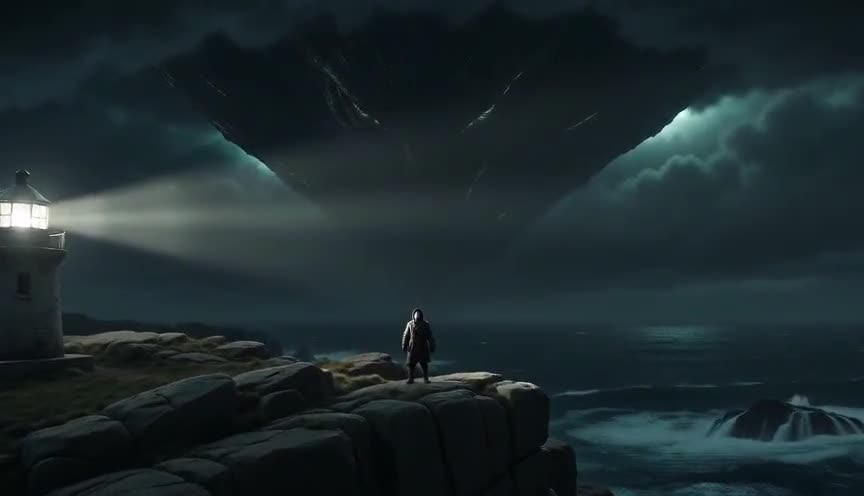
Cosmic horror is a genre look that frames human figures as tiny, insignificant details against architecture, scale or entities too vast and alien to fully grasp. It swaps jump scares for a slow, creeping dread, using scale distortion, wrong geometry and sickly light so the viewer senses something ancient and indifferent watching just outside the frame.
Vaporwave
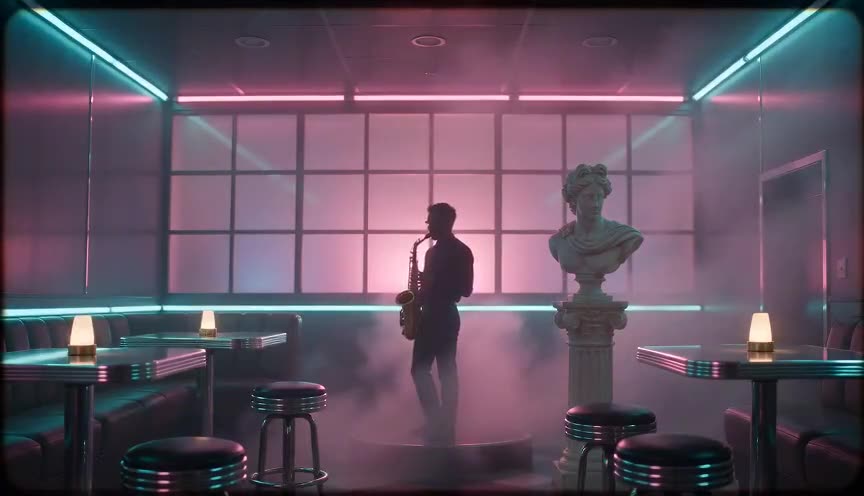
Vaporwave is a genre look built on pastel neon colors (pink, cyan, purple), soft VHS-style glitch and grain, and retro-futurist 1980s and 90s consumer imagery like chrome, marble statues and grid patterns. It wraps the viewer in a synthetic nostalgia that feels both comforting and slightly uncanny, like a memory of a place that never existed.
Documentary look
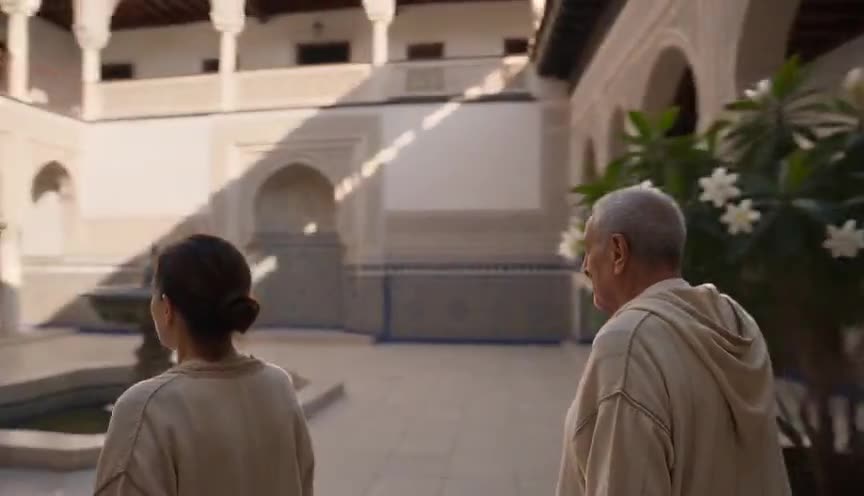
The documentary look is a visual style that mimics unscripted, observational filming: handheld camera, natural light, loose framing and visible imperfections instead of polished cinematography. It tells the viewer that what they are seeing is real and happening in front of the camera, not staged for it.

Blockbuster look
The blockbuster look is the polished, high-contrast visual style of big-budget action and adventure films: wide dynamic shots, teal-and-orange color grading, hard directional light and constant camera energy. It signals scale and spectacle, telling the viewer this story is bigger than life and worth the ticket price.
Arthouse look
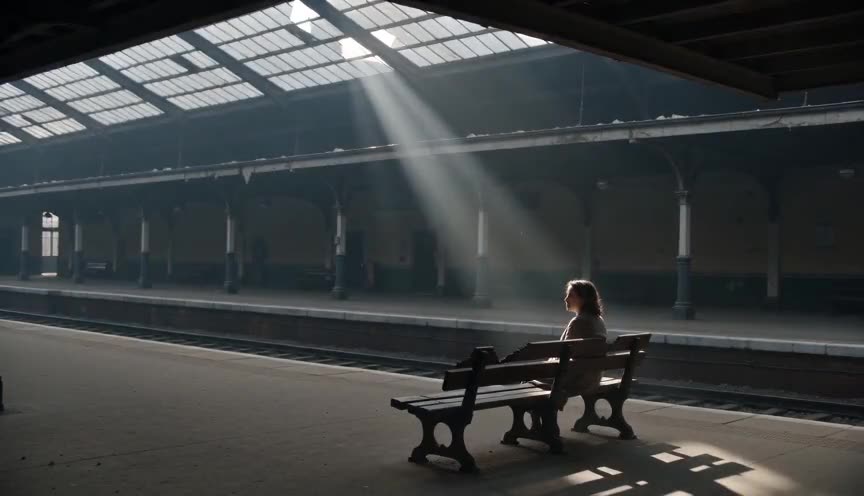
The arthouse look is a visual style built on long takes, natural or minimal lighting, and restrained camera movement that favors observation over spectacle. It slows the viewer's attention down and asks them to read mood and meaning from composition and duration rather than plot mechanics.
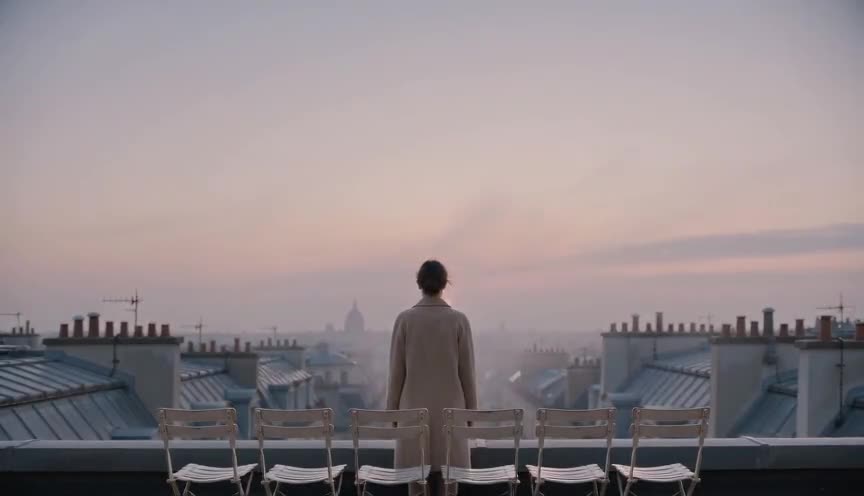
Dreamcore
Dreamcore is a genre look that renders an ordinary, recognizable place as though it were remembered from a dream: soft diffused light, muted pastel color, and geometry that is almost, but not quite, right. It leaves the viewer with a mix of nostalgia and quiet unease, the sense of having been somewhere like this before.
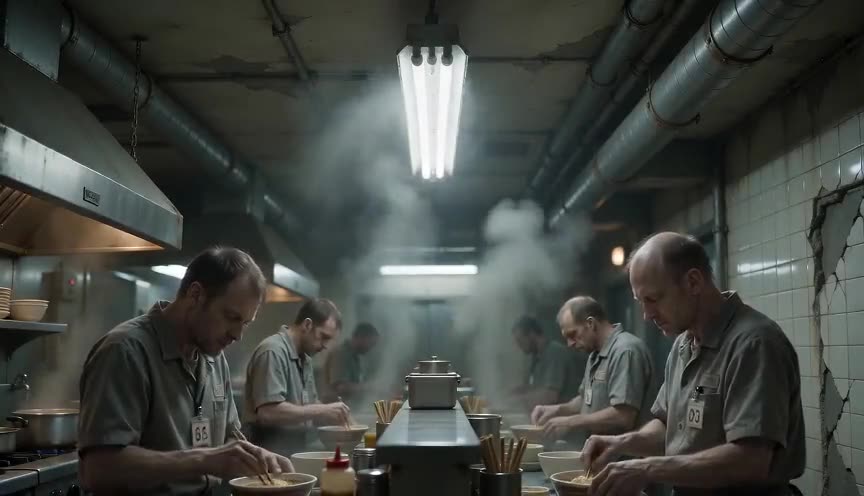
Dystopian look
The dystopian look is a genre grade that paints a scene as an oppressive, decaying future through desaturated color, hard institutional light and cluttered, worn production design. It signals to the viewer that the world on screen has broken down and that the people in it are controlled or surveilled.
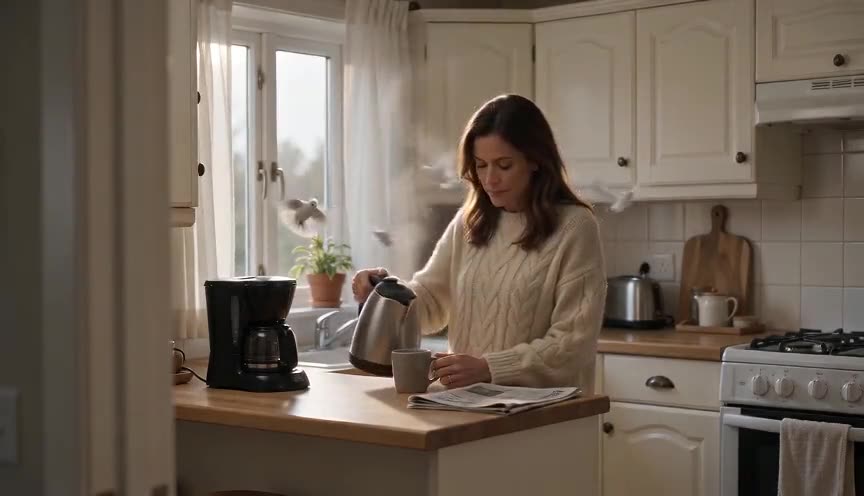
Magical realism
Magical realism is a genre look that presents impossible or supernatural events as an ordinary, unremarked part of everyday life, filmed with the same naturalistic light and camera language used for realistic drama. It makes the viewer accept wonder without spectacle, so the strangeness feels lived-in rather than staged.
Frequently asked questions
What defines the film noir look specifically?
Film noir combines low-key, high-contrast lighting, deep shadows, Dutch angles, and venetian blind patterns of light, often shot in black and white. It visually reflects moral ambiguity and paranoia central to its crime and mystery storytelling tradition.
What is the difference between cyberpunk and tech noir looks?
Cyberpunk emphasizes dense neon-lit urban environments and high-tech, low-life contrast with saturated color. Tech noir blends that same technology-driven setting with classic noir lighting and shadow, producing a darker, more subdued variation of the same world.
Can I combine a genre look with specific lighting or lens techniques?
Yes. Genre looks are a useful starting shorthand, but naming additional specific techniques, such as film noir with a 35mm lens and hard backlight, gives you more precise control than relying on the genre name alone.