Giallo
Also calledItalian giallo look, Argento style, Bava color horror
Giallo is an Italian genre look built on hyper-saturated primary colors, hard gel lighting, and stylized point-of-view shots that turn ordinary rooms into something dangerous. It makes the viewer distrust the frame itself, since beauty and threat share the same red and blue light.
What it tells
Giallo grew out of pulp mystery paperbacks with yellow covers (giallo means yellow in Italian) and became a cinema of dread disguised as decor. Directors like Bava and Argento used color and camera not to explain the plot but to make the audience feel watched. The style lets violence stay implied while the image itself does the unsettling work: a red gel, a gloved hand, an eye too close to the lens.
How it is shot
Light with hard, unmotivated color gels (deep red, cobalt blue, acid green) crossing on the same wall, often through practicals like a stained-glass window or a neon sign rather than daylight. Push saturation and contrast in the grade so skin tones stay believable but the environment does not. Favor extreme close-ups on eyes and hands, slow push-ins on 35mm to 50mm lenses, and killer point-of-view shots with a shallow, wandering focus. Cut on sound design cues more than dialogue, and keep camera moves deliberate, almost theatrical, rather than handheld or naturalistic.
When to use it
- Opening a horror or thriller scene where the location should feel beautiful and threatening at once
- Building dread before a reveal without showing violence directly on screen
- Signaling an unreliable, watching perspective through a stylized point-of-view shot
- Turning a mundane setting like a kitchen, salon, or workshop into psychological space
Not to be confused with
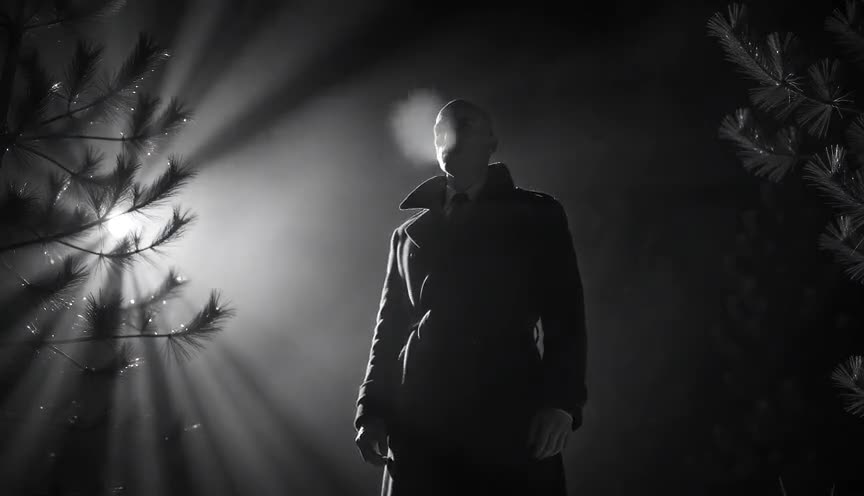
Film noir relies on low-key black and white contrast and moral shadow; giallo pushes the opposite direction, using loud saturated color and hard gels to make danger feel garish and theatrical rather than shadowy.
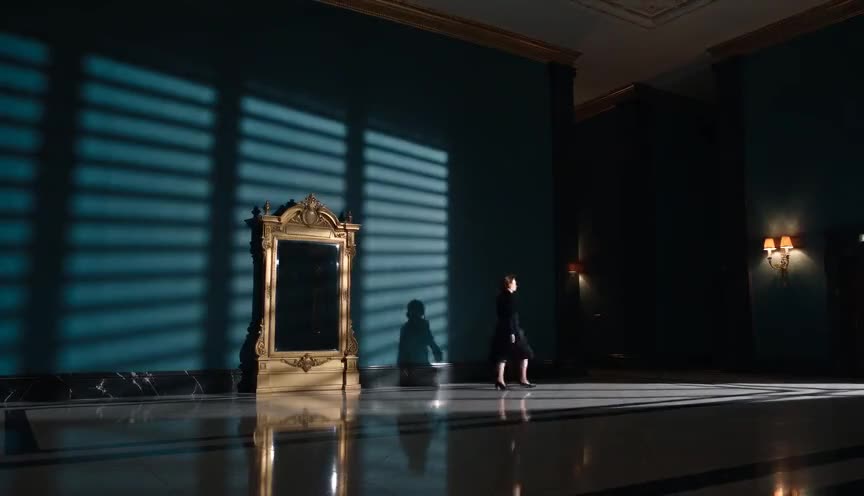
Neo-noir modernizes noir's muted, cool palette and urban cynicism; giallo keeps a more baroque, art-directed color scheme rooted in 1970s Italian design, favoring primary color clashes over noir's tonal restraint.
In film
Blood and Black Lace (1964)
Mario Bava's fashion house murders establish the genre's template of saturated color gels and stylized killer POV shots.
Deep Red (1975)
Dario Argento uses red gel lighting and extreme close-ups on eyes and hands to build dread around a series of murders.
Suspiria (1977)
Argento pushes giallo color language into supernatural horror, drenching a dance academy in unmotivated red and blue light.
The prompt
Name the gel colors directly (deep red, cobalt blue) and say they cross unmotivated on the same wall, since AI models default to naturalistic single-source light unless told otherwise. Ask for hard light, high saturation, and a slow, deliberate camera push rather than handheld energy. Mention a gloved hand or an extreme close-up on an eye to anchor the genre instantly, and avoid words like blood or weapon since the tension should live in color and framing, not violence.
The exact prompt that rendered the video on this page. Keep the description of the move, change the subject and the setting.
Giallo genre look: inside a bakery at 5 am, before dawn light, a black-gloved hand slowly pushes open a swinging steel door as hard red and cobalt blue gel light cross unmotivated on the tiled wall behind rows of steel mixers, flour dust drifting through the beams. The camera pushes in slowly on a 50mm lens from a wide shot to an extreme close-up on a wide, startled eye reflected in a chrome bowl, saturated color holding steady, no other movement in frame. No text.
Common mistakes
Using natural, motivated light
Giallo depends on gels that have no real source in the scene. Soft, believable daylight or bounce light kills the genre instantly, no matter how much saturation is added later.
Handheld, documentary camera
The style is theatrical and controlled, with slow pushes and locked frames. Shaky handheld movement reads as found footage or verite, not giallo dread.
Showing graphic violence instead of implying it
The genre's tension comes from color, framing, and point of view, not from explicit gore. Leaning on visible violence flattens the psychological effect the lighting is built to create.
Frequently asked questions
What is giallo in film?
Giallo is an Italian genre style from pulp mystery novels, known for hyper-saturated gel lighting, stylized killer point-of-view shots, and ornate compositions that make everyday settings feel threatening. It shaped modern horror and thriller visuals worldwide.
Why is it called giallo?
Giallo means yellow in Italian and refers to the yellow-covered pulp mystery paperbacks popular in Italy starting in the 1930s. Films adapting or inspired by these novels inherited the name and its pulpy, sensational tone.
What colors define the giallo look?
Deep red, cobalt blue, and acid green gels dominate, often crossing unmotivated on the same wall or object. The colors stay hard-edged and saturated rather than blended, so the light itself feels artificial and unsettling.
Can an AI video model generate a convincing giallo look?
Yes, if the prompt names the specific gel colors, says they are unmotivated and crossing, and asks for hard light with high saturation. Platforms like Imaginode respond well to that level of concrete color and lighting detail.