Cinéma vérité
Also calleddirect cinema, fly-on-the-wall filmmaking, observational documentary style
Cinéma vérité is a documentary filmmaking style that uses a handheld camera, available light, and unscripted moments to record events as they unfold. It makes the viewer feel like an unseen witness rather than an audience watching a constructed scene.
What it tells
Cinéma vérité strips away the visible machinery of filmmaking so the audience trusts what they see. By refusing rehearsed blocking, polished lighting, and smooth camera moves, directors signal that the moment could not have been staged twice. This builds a sense of urgency and moral weight: conflict, grief, or joy feel discovered rather than performed. Filmmakers reach for it when they want viewers to lean in as witnesses rather than sit back as an audience, especially in stories where artifice would feel like a betrayal of the truth being told.
How it is shot
The camera is handheld, often a lightweight mirrorless body or a shoulder rig, operated by someone who moves with the subject rather than blocking a mark. Lenses run wide to normal (24 to 50mm) so the operator can react without a focus puller. Light comes from what is already in the room (windows, overheads, practicals) with no rigged key or fill, so exposure sometimes drifts. Sound is recorded live with a boom kept close, not looped later. Crews stay small, two or three people, so subjects forget the camera is there. Takes run long and uninterrupted; editors keep the raw framing, the refocus, and the jump cuts instead of smoothing them into continuity.
When to use it
- Filming a scene about political unrest, protest, or crisis where staged polish would undercut credibility
- Shooting an intimate personal drama where the audience should feel like a bystander, not a spectator
- Covering an interview or event where the subject's unguarded behavior matters more than a flattering frame
- Building a mockumentary or hybrid fiction sequence that needs to read as unrehearsed and observed
Not to be confused with
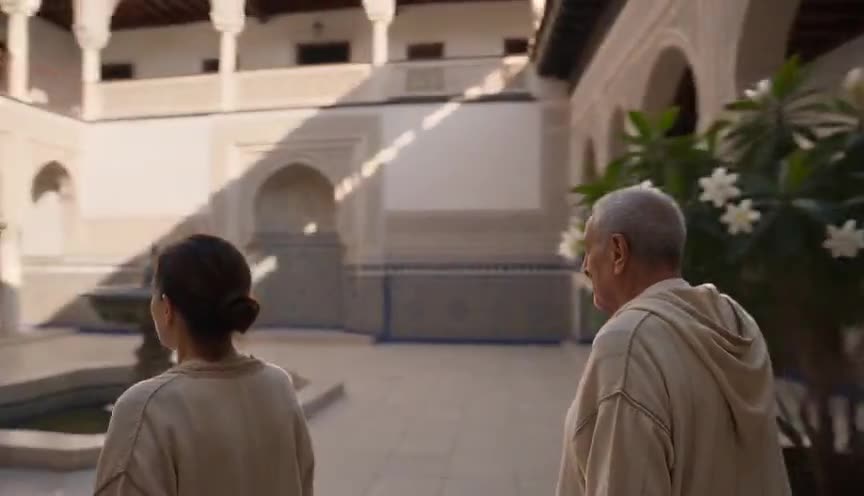
Documentary look borrows the visual cues of nonfiction (handheld, natural light) even in fully scripted and controlled productions, while cinéma vérité insists on actually shooting unscripted, unrepeatable moments.
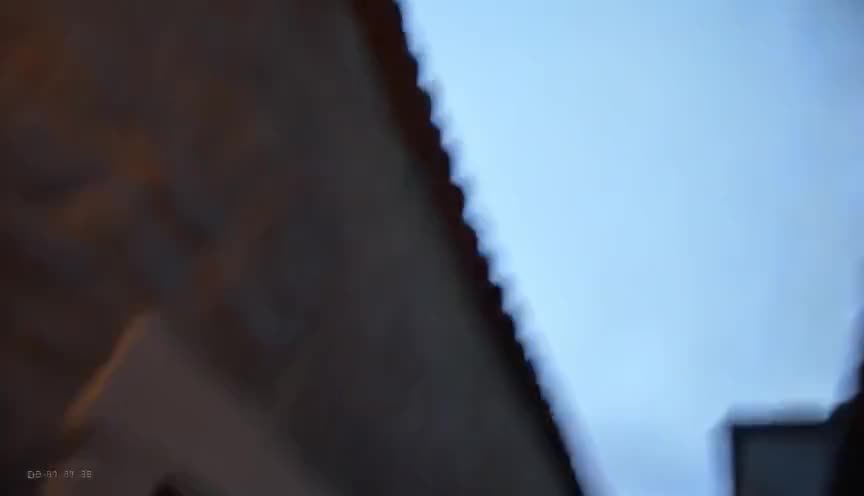
Found footage presents images as recovered from an in-world camera or device, often with a diegetic reason for the recording, while cinéma vérité is an observational style with no fictional framing device.
In film
Dont Look Back (1967)
D.A. Pennebaker's handheld, sync-sound following of a touring musician defined the direct cinema approach later folded into cinéma vérité.
Primary (1960)
Robert Drew's crew follows Kennedy and Humphrey during the Wisconsin primary with handheld sync sound, a landmark of American direct cinema.
Salesman (1969)
The Maysles brothers and Charlotte Zwerin observe door to door Bible salesmen with minimal intervention, handheld camerawork, and sync sound.
The prompt
Emphasize handheld instability, available or practical light only, and a lens that stays wide to normal so the operator can react rather than compose. Ask for slight overexposure or underexposure, visible grain, and framing that lags a half second behind the action. Avoid words that suggest a gimbal, a dolly, symmetrical composition, or dramatic backlighting, since those read as staged rather than observed. Mention breathing camera motion and imperfect focus to sell the illusion of an unplanned recording.
The exact prompt that rendered the video on this page. Keep the description of the move, change the subject and the setting.
Cinema verite: handheld 16mm-style footage inside a fluorescent-lit laundromat at night, camera unsteady and slightly low, following a tired night-shift worker as she folds laundry near a row of humming washers. The frame drifts and re-frames as if reacting in real time, exposure driven only by the overhead fluorescent tubes and a flickering neon sign through the window, no additional lighting. Grain is visible, focus breathes slightly, and the operator's breathing motion shows in the shake. No text.
Common mistakes
Gimbal-smooth movement
Cinéma vérité relies on the camera feeling handheld and reactive; using a gimbal or Steadicam removes the physical unsteadiness that signals authenticity to the viewer.
Pre-lighting the scene
Adding key lights, fill, or bounce boards turns raw observation into a controlled setup; the technique depends on available or practical light only.
Cutting for polish
Trimming out hesitations, refocus moments, or awkward framing removes the imperfections that make the footage read as unscripted and real.
Frequently asked questions
What is cinéma vérité?
It is a documentary style built on a handheld camera, available light, and unscripted behavior, filmed so the audience feels present in the room rather than watching a staged scene.
Is cinéma vérité the same as found footage?
No. Found footage pretends the image comes from an in-story device or camera, while cinéma vérité is simply an observational shooting style with no fictional framing around the recording.
Can cinéma vérité be used in fiction films?
Yes, many directors borrow its handheld, available-light aesthetic to give scripted scenes an urgent, unrehearsed feel, even though the events are fully planned and blocked.
How do I get a cinéma vérité look with AI video tools?
Describe handheld camera instability, available or practical light only, a wide to normal lens, and slight grain or exposure drift. On a platform like Imaginode you can push these details directly into the prompt to steer the model away from smooth, staged camerawork.