Arthouse look
Also calledArt cinema look, Festival film look, Slow cinema aesthetic
The arthouse look is a visual style built on long takes, natural or minimal lighting, and restrained camera movement that favors observation over spectacle. It slows the viewer's attention down and asks them to read mood and meaning from composition and duration rather than plot mechanics.
What it tells
Directors reach for the arthouse look when they want the audience to feel rather than follow, to sit inside a moment instead of being pushed through a story. The stillness and the unhurried pace create space for ambiguity, for a character's interior life to surface without dialogue explaining it. It signals seriousness and intimacy, often used in character studies, memory pieces, or films about isolation, where the camera's patience mirrors the protagonist's own state of waiting, thinking, or drifting.
How it is shot
Practically, it combines a locked-off or slow handheld camera, wide to normal lenses (28mm to 50mm), and long takes that run 20 seconds to several minutes without a cut. Lighting stays motivated: window light, single practicals, or available light rather than a full three-point rig, often underexposed by a stop to keep shadows heavy. Framing favors negative space and off-center subjects, letting empty architecture or landscape carry as much weight as the actor. Sound design is sparse, ambient noise over score. On set this means a small crew, minimal blocking rehearsal, and a director who lets the take run past the obvious cut point, trusting the editor to keep four or five uncomfortably long shots in the final cut.
When to use it
- Opening a character study where mood and interior state matter more than plot information.
- Filming quiet aftermath scenes, grief, waiting, or solitude, where dialogue would feel too explanatory.
- Building a festival or prestige tone for a drama that trusts the audience to sit with ambiguity.
- Contrasting with a fast commercial sequence to signal a shift into memory, dream, or introspection.
Not to be confused with
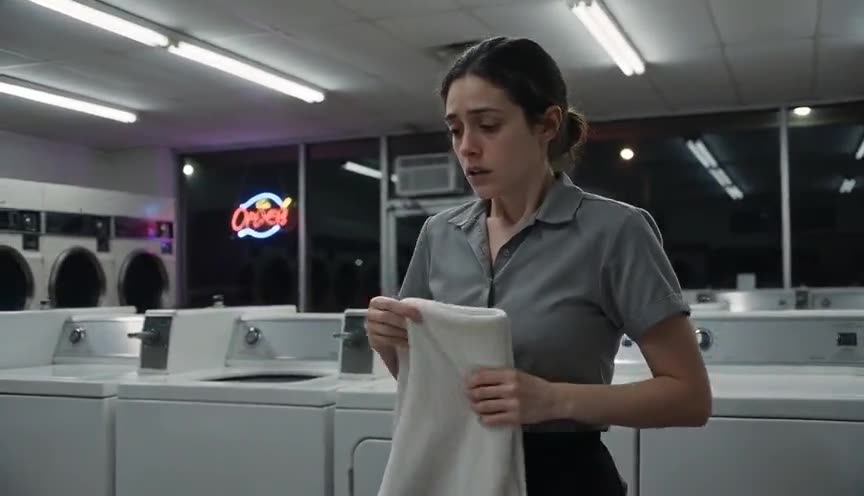
Cinéma vérité chases raw, unplanned reality with handheld immediacy and no design; the arthouse look is composed and deliberate, using framing and duration as authored choices even when the subject feels ordinary.
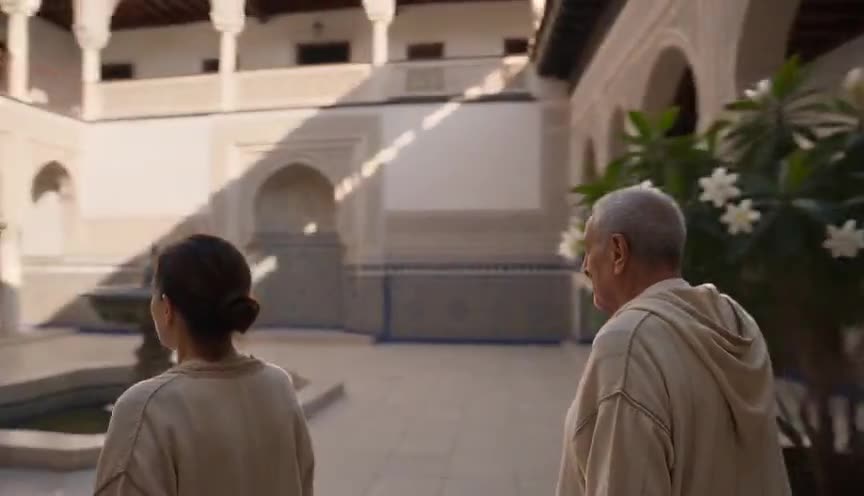
Documentary look borrows observational camera habits to suggest truth and access; arthouse look uses the same patience for aesthetic and emotional effect, often with more considered lighting and composition than a documentary crew would have time for.
In film
L'Avventura (1960)
Antonioni holds on empty landscapes and drifting characters, letting architecture and duration carry the emotional weight instead of dialogue.
Stalker (1979)
Tarkovsky's extended takes and muted, damp color turn abandoned industrial space into a meditative, almost physical experience of time.
Paris, Texas (1984)
Wenders uses wide, patient framing and natural light across desolate landscapes to let silence and space speak for the characters.
The prompt
Name the mechanics, not the mood: specify a locked-off or slow handheld camera, a long take that holds well past the obvious cut point, natural or single-source light, and a wide or normal lens. Ask for negative space and an off-center subject rather than a tightly composed hero shot. Avoid words like cinematic or artistic on their own since models read them as generic polish; instead describe what stays still, what light source exists, and how long nothing happens before something small changes.
The exact prompt that rendered the video on this page. Keep the description of the move, change the subject and the setting.
Arthouse look: a static, locked-off wide shot inside an abandoned train station, shot on a 35mm lens at eye level, framing a middle-aged woman sitting alone on a cracked wooden bench near the far edge of the frame, most of the composition given to empty platform and broken skylight above. Natural daylight falls through dust and shattered glass in a single soft shaft, motes drifting slowly. She does not move for the first three seconds, then slowly turns her head toward the empty tracks. No music, no camera movement, no cuts. No text.
Common mistakes
Confusing slow with static
A locked-off camera on a busy or cluttered frame reads as boring, not arthouse; the stillness only works when composition and light are doing real work.
Over-lighting the scene
A full three-point rig or bright fill kills the mood; arthouse relies on motivated, often underexposed light sources that leave real shadow in the frame.
Cutting too soon
Ending the take at the conventional beat removes the discomfort and patience that define the look; let the shot run past where a commercial edit would cut.
Frequently asked questions
What is the arthouse look?
It's a visual style defined by long takes, natural or motivated lighting, and restrained camera movement that favors observation and mood over plot momentum, often associated with festival and art-cinema directors.
What lens and camera setup gives an arthouse feel?
A wide to normal lens (28mm to 50mm), a static or slow handheld camera, and takes that run well past the standard cut point, paired with a single motivated light source rather than a full lighting rig.
Is arthouse the same as slow cinema?
They overlap heavily. Slow cinema is a specific tendency built almost entirely around duration and minimal action, while arthouse look is a broader term that also covers composition, lighting, and sound choices used across many art-cinema styles.
Can an AI video model produce an arthouse look?
Yes, if you describe the mechanics directly, camera stillness, single light source, long duration, and negative space, rather than asking for 'artistic' or 'cinematic' in general. Tools like Imaginode respond better to concrete physical description than to style adjectives.