Documentary look
Also calledobservational look, docu-style, run-and-gun look, reportage style
The documentary look is a visual style that mimics unscripted, observational filming: handheld camera, natural light, loose framing and visible imperfections instead of polished cinematography. It tells the viewer that what they are seeing is real and happening in front of the camera, not staged for it.
What it tells
Directors reach for the documentary look when they need the audience to trust what they see without question. It strips away the visible craft of cinema so a fictional scene reads as testimony, and a real one reads as unmediated truth. In crisis, conflict or social drama, the rawness signals stakes: nobody had time to light this or hit a mark, so it must be real.
How it is shot
A single operator carries the camera handheld or on the shoulder, reacting to the subject instead of anticipating their movement, which produces small overshoots and re-framings. Zoom lenses in the 24 to 70mm range let the operator push in or widen mid-shot, sometimes racking focus visibly. Only available light is used, so exposure drifts slightly and shadows fall where the room puts them, not where a gaffer places them. Framing is imperfect on purpose: subjects sit off-center, get cut at the edge, or briefly leave frame. Audio favors ambient sound over score, and cuts follow the content rather than a designed rhythm.
When to use it
- When staging an interview or testimonial scene that needs to feel unscripted and credible.
- For fictional scenes depicting crisis, conflict or breaking news to raise urgency and realism.
- When shooting in real locations with non-actors or a minimal crew to preserve spontaneity.
- For social issue films or brand content that must feel witnessed rather than produced.
Not to be confused with
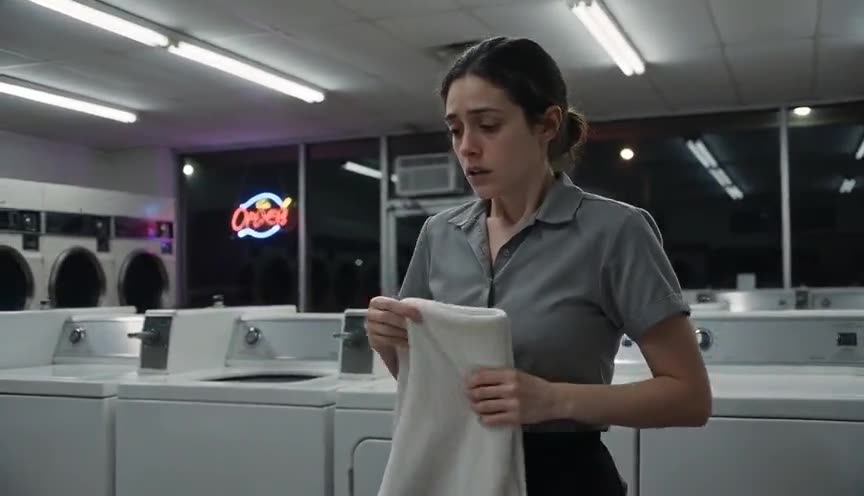
Cinema verite is a full methodology: no lighting, no interviews, the camera only observes events as they unfold. Documentary look is the borrowed aesthetic, used in fiction too, and can include staged interviews or reenactments shot the same rough way.
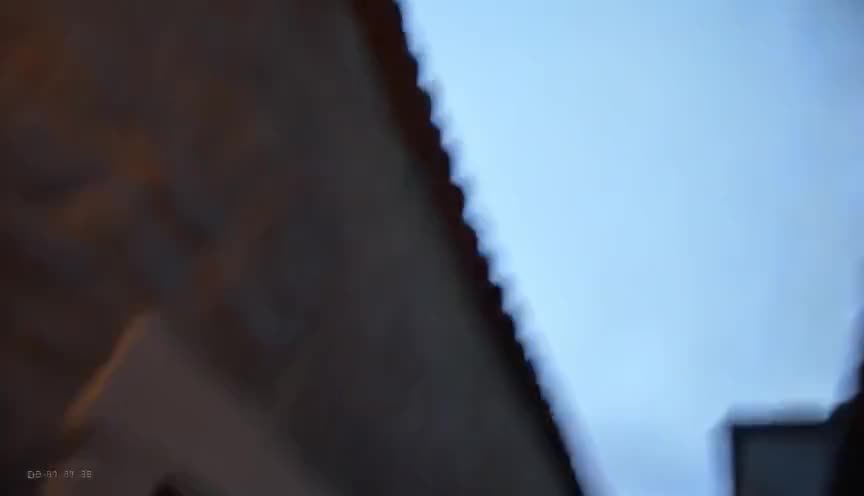
Found footage frames the camera as an object inside the story, held by a character, implying discovered or leaked media. Documentary look is applied from outside the story to suggest reportage, with no in-story reason given for the camera's presence.
In film
United 93 (2006)
Multiple handheld cameras, available light and reactive framing make the reenacted events read like live news coverage.
The Hurt Locker (2008)
Kathryn Bigelow used handheld cameras and natural light throughout combat scenes to give them the texture of embedded war reportage.
The prompt
Name the camera behavior explicitly: handheld, shoulder-mounted, reacting late, slight bobbing sway. Call out available light only and let exposure feel a little uneven. Ask for loose, imperfect framing, a subject briefly cut by the edge, or a visible refocus, and avoid words like polished, symmetrical or perfectly stabilized, which push the model toward a clean gimbal look. Skip any mention of studio lighting rigs, since that reads as produced, not observed.
The exact prompt that rendered the video on this page. Keep the description of the move, change the subject and the setting.
Documentary look: handheld camera follows two adults, a woman in her forties and a man in his sixties, as they cross a Moroccan riad courtyard toward a tiled fountain, the frame bobbing slightly with each step and drifting a beat behind their motion. Framing stays loose and imperfect, cutting the woman off at the shoulder for a moment. Available daylight pours through the open roof only, no added lights, exposure shifting slightly as they move through shade and sun. The operator makes a quick manual refocus as the subjects pass close to the lens. No text.
Common mistakes
Over-stabilizing
Using a gimbal or steadicam smoothness removes the reactive, slightly-behind-the-action quality that defines the documentary look and reads as produced instead of observed.
Perfect lighting
Adding three-point lighting, bounce fill or a visible key light makes the scene look designed. Available light with uneven exposure is part of the honesty the style depends on.
Rehearsed framing
Centering subjects perfectly and anticipating their movement removes the sense that the camera is discovering the action live rather than staging it in advance.
Frequently asked questions
What is documentary look?
It is a visual style that borrows the handheld camera, natural light and imperfect framing of observational filmmaking to make a scene, fictional or real, feel unscripted and witnessed rather than staged.
Is documentary look the same as found footage?
No. Found footage puts the camera inside the story, held by a character, implying the clip was discovered. Documentary look is applied from outside the fiction to suggest reportage, with no explanation needed for who is filming.
Do I need real documentary footage to get this look?
No. Most fiction films fake it with handheld camera operators, available light only and loose, reactive framing. The techniques, not the source material, create the effect.
How do I get a documentary look from an AI video model?
Describe the camera behavior and light directly: handheld, bobbing, reacting late, available light only, imperfect framing. Tools like Imaginode respond well to these concrete physical cues instead of abstract style names.