Wuxia
Also calledWire-fu, Chinese sword fantasy, Flying swordsman genre
Wuxia is a Chinese genre look built around wire-assisted, flying swordfighters whose bodies move with weightless, dance-like grace through wind, mist and falling leaves or snow. It tells the viewer that combat here is not brute realism but a display of inner spirit, honor and transcendence over gravity.
What it tells
Directors reach for wuxia when they want violence to read as poetry rather than danger. The genre lets a fighter's skill stand for virtue, discipline or destiny, so a leap across rooftops becomes a statement about the character's soul, not just their speed. It romanticizes the body in motion, turns duels into rituals, and lets landscape (bamboo, snow, mist) speak the emotional register that dialogue leaves unsaid, giving action scenes a mythic, almost operatic weight.
How it is shot
Fighters are rigged on wires or cable systems and shot at high frame rates (often 60 to 120fps) so leaps and falls can be ramped into elegant slow motion during the edit. Telephoto lenses (85mm to 135mm) compress background layers into painterly depth, while wind machines and floor fans keep robes, sashes and hair in constant motion. Lighting favors soft backlight or rim light that silhouettes fabric against sky, mist or snow. Palettes lean cool, desaturated or ink-wash rather than blockbuster-saturated. Choreographers block fights like dance, with sword arcs matched to camera pans or cranes that follow the flight path rather than cutting on every hit.
When to use it
- A duel meant to reveal honor, loyalty or inner conflict rather than raw brutality.
- A training or awakening sequence where a character discovers hidden skill or destiny.
- A romanticized chase across rooftops, forests or mountains that favors grace over grit.
- Any scene where you want violence read as ritual, myth or dance instead of realism.
Not to be confused with
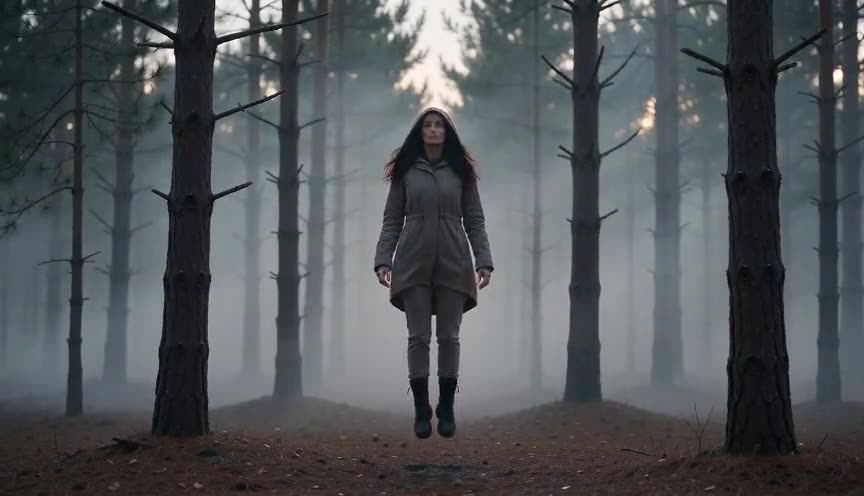
Levitation is simply the visual effect of a subject floating free of gravity. Wuxia is the full genre package (costume, palette, choreography, culture) that often uses levitation as one of its tools.
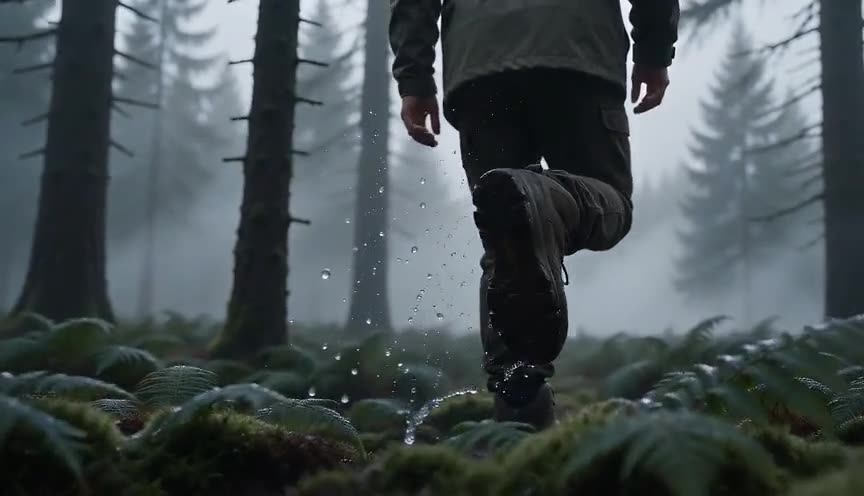
Slow motion just slows time to reveal detail. Wuxia pairs that slowing with wire work, flowing silk and mythic staging so the fight reads as dance, not as an isolated speed effect.
In film
Crouching Tiger, Hidden Dragon (2000)
Wire-assisted rooftop and bamboo-forest duels turn combat into weightless, almost balletic movement between two disciplined fighters.
House of Flying Daggers (2004)
Uses saturated seasonal color, wind-blown fabric and floating combat to fuse romance and swordplay into a single visual poem.
Hero (2002)
Structures entire fight sequences around single-color palettes and flying blades, treating each duel as a distinct emotional chapter.
The prompt
Name the genre explicitly and describe the physical cues that sell it: a fighter hanging or drifting in the air, robes and sashes rippling from wind that never quite stops, cool or desaturated color, soft backlight rimming the silhouette, and snow, mist or falling petals doing visible work in the frame. Avoid modern clothing, urban brands or aggressive impact sounds implied by the text; keep the language about grace, weightlessness and slow time rather than gore or speed.
The exact prompt that rendered the video on this page. Keep the description of the move, change the subject and the setting.
Wuxia duel: a lone swordsman in pale grey robes leaps from a snow-covered ridge above a solitary mountain cabin, hanging weightless in mid-air for a beat before drifting down as loose snow spirals around him. The camera holds a locked wide shot on a 35mm lens, low angle, tracking his rise and fall in slow motion at half speed. Cold backlight from a low winter sun rims his robes and sword in silver, thin mist clings to the cabin roof, and his sash and hair ripple as though gravity has eased. Only he and the snow move. No text.
Common mistakes
Treating it as generic slow-mo
Slowing footage down without wind, flowing fabric or mythic staging just looks like a slow-motion action clip, not wuxia.
Blockbuster color palette
Hyper-saturated, teal-and-orange grading fights the genre's restrained, ink-wash or single-hue seasonal palettes that carry its emotional tone.
No atmosphere to justify flight
Floating or leaping figures need visible wind, mist, snow or falling leaves reacting to their motion, otherwise the levitation reads as an error rather than a style.
Frequently asked questions
What is the wuxia genre?
Wuxia is a Chinese fantasy genre where sword-wielding heroes move with wire-assisted, gravity-defying grace, treating combat as an expression of honor, discipline and destiny rather than realistic violence.
Is wuxia the same as kung fu movies?
No. Kung fu films usually stay grounded and realistic in their fighting; wuxia adds fantastical, wire-assisted flight, wind-blown costumes and a more mythic, romanticized tone to the choreography.
What lens and lighting suit a wuxia scene?
Telephoto lenses (85mm to 135mm) compress layered backgrounds into painterly depth, while soft backlight or rim light silhouettes flowing robes against sky, mist or snow, reinforcing the genre's dreamlike quality.
Can AI video tools generate a wuxia look?
Yes. Naming the genre, describing weightless movement, wind-blown fabric and cool desaturated light gives models enough physical cues to render it convincingly; Imaginode's video models respond well to this level of concrete detail.