Levitation
Also calledfloating effect, flying rig shot, wire removal shot, hover effect
Levitation is a visual effects technique that makes a person or object appear to float or hover with no visible support, achieved through wire rigs, hidden platforms, forced perspective or digital removal. It suspends the normal rules of gravity on screen, pulling the viewer into wonder, dread or magic.
What it tells
Levitation signals that the ordinary world has cracked open. Directors reach for it to mark possession, sainthood, magic, dreams or the arrival of something not human, because gravity is the one law audiences trust without thinking. Breaking it, even for a second, produces a jolt that dialogue cannot. Used sparingly, it becomes a punctuation mark: the moment a film stops behaving and starts revealing what it is really about.
How it is shot
Practically, the subject wears a harness under wardrobe, attached to steel cable or a rig arm bolted to a crane, dolly or fixed post; a stunt team controls the rise by hand or motor while riggers stay out of frame. The set is lit to avoid rig shadows, and cables are painted or shot against a clean plate for digital removal in post through rotoscoping and wire-erase tools. Camera is usually locked off or on a slow, minimal move so the eye has time to register the impossible motion. Hair, fabric and dust are given a light breeze or fan to sell weightlessness, and frame rate stays normal, since speed changes read as a trick rather than a fact.
When to use it
- Marking a character's supernatural nature, possession or spiritual awakening in a horror or fantasy scene
- Building a slow-burn reveal where stillness and silence make the rise more unsettling than any camera move
- Showing a magical or dreamlike shift in tone without cutting away from the character
- Staging a wuxia-style fight or ritual where combatants or objects defy weight briefly
Not to be confused with
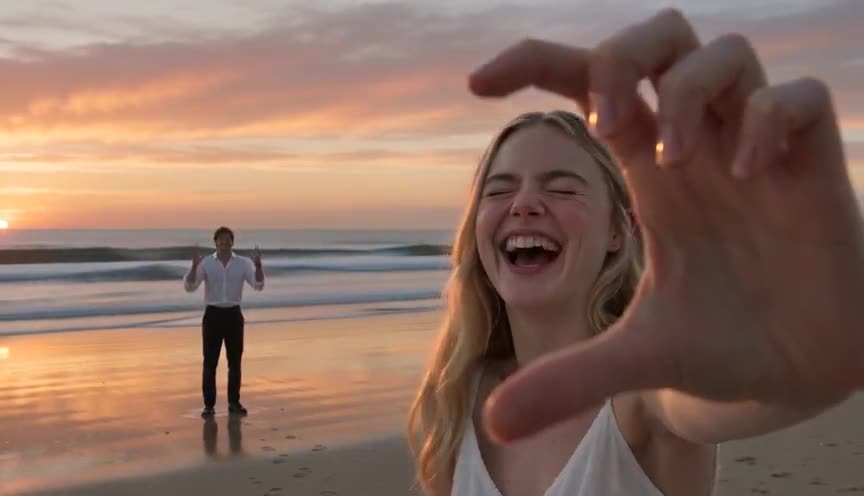
Forced perspective tricks scale and distance through camera and set placement, while levitation removes support entirely; forced perspective needs a specific angle, levitation needs a clean plate or hidden rig.
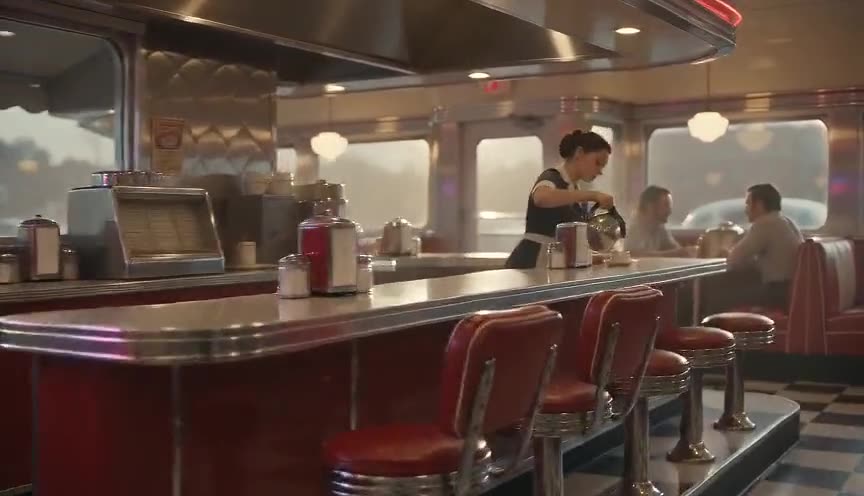
Floating camera describes the camera's own weightless glide through space, not the subject. Levitation is about what happens inside the frame, floating camera is about how the frame itself moves.
In film
The Exorcist (1973)
Regan levitates above her bed during the possession scenes, created with a concealed harness and wires to make demonic power visibly defy gravity.
Crouching Tiger, Hidden Dragon (2000)
Fighters lift off rooftops and treetops via concealed wire fu rigs, giving combat a floating, weightless grace.
Mary Poppins (1964)
Characters drift and hover during musical numbers, achieved with harness rigs hidden by choreography and camera framing.
The prompt
Name the physical evidence of weightlessness, not the fantasy of flight: feet clearing the ground, hair and fabric drifting upward, a slow steady rise, no visible support. Keep the camera locked or barely moving so the illusion reads as real rather than as a special-effects montage. Avoid words like 'flying' or 'soaring', which push the model toward wings or motion blur instead of a still, gravity-defying hover. Mention consistent lighting and shadow to sell the trick.
The exact prompt that rendered the video on this page. Keep the description of the move, change the subject and the setting.
Levitation of a middle-aged woman in a hooded gray coat, standing in a misty pine forest at dawn. Her feet slowly lift off the wet forest floor, rising about one meter with no visible support, her coat and hair drifting gently upward as if weightless. The camera stays completely static on a locked-off wide shot, fog curling low around the tree trunks, soft diffused light through the mist, her shadow on the ground fading as she rises. No text.
Common mistakes
Shadow gives it away
If the ground shadow stays sharp and fixed while the body rises, the eye reads a compositing error instead of magic. Let the shadow soften or fade as the subject clears the ground.
Camera does too much
A moving camera during a rise competes with the effect for attention. Keep movement minimal so the illusion, not the cinematography, is the subject.
No wind, no weight cue
Hair and fabric hanging straight down while a body floats looks stiff and fake. Add a subtle drift or breeze so weightlessness reads through cloth, not just position.
Frequently asked questions
What is levitation in filmmaking?
It is any technique that makes a person or object appear to float or rise without support, done practically with wire rigs and hidden platforms, or digitally by removing rigs and compositing motion in post-production.
How did old films do levitation without CGI?
Mostly with wires, harnesses, hidden platforms and rigid rig arms, often combined with careful lighting and camera angles that kept the support out of frame, then hand-painted or optically removed in the lab.
Can levitation be filmed with just a phone or drone?
A basic version can be faked with forced perspective, a hidden support, or two locked shots blended in editing software, though a clean wire-free result usually needs post-production cleanup.
Is levitation easy to generate with AI video tools?
Yes, AI models like the ones on Imaginode can render a convincing float directly from a text prompt, as long as the prompt describes the physical cues of weightlessness clearly, since there is no rig to hide.