Broad lighting
Also calledBroad key lighting, Camera-side lighting
Broad lighting is a portrait setup in which the key light illuminates the side of the subject's face that is turned toward the camera, so that side reads brighter and wider than the side turned away. It reads to the viewer as open, flattering and comparatively low on drama.
What it tells
Directors reach for broad lighting when the story needs warmth, approachability or glamour rather than mystery. It widens narrow faces, softens harsh bone structure and keeps the subject legible even at a low light ratio, which is why it shows up in beauty work, product hosting and characters the audience is meant to trust. It is the visual opposite of the shadowed, secretive face that short lighting produces for villains or conflicted characters.
How it is shot
The subject turns the head 20 to 45 degrees off the lens axis. The key light, usually a softbox or beauty dish, sits on the same side as the cheek now facing the camera, positioned 30 to 45 degrees from the camera axis and slightly above eye level, so it floods the near side of the face. A fill light on the far side, set one to two stops below the key, lifts the shadow side without erasing it. Ratios stay low, often 2:1 or 3:1, keeping the overall look closer to high-key than to chiaroscuro. No hard shadows should cross the bridge of the nose onto the camera-facing cheek.
When to use it
- Shooting a beauty or product close-up where the face needs to read soft and even
- Lighting a sympathetic character the audience should trust without extra shadow drama
- Widening a narrow or angular face for a more balanced on-camera appearance
- Filming interviews or hosted segments where clarity and warmth matter more than mood
Not to be confused with
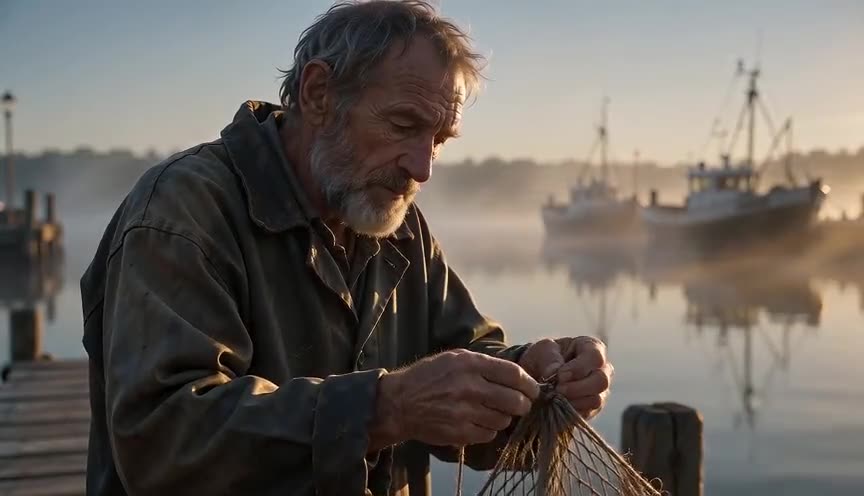
Short lighting puts the key on the side of the face turned away from camera, narrowing it and adding shadow. Broad lighting does the opposite, brightening the camera-facing side for a fuller, more open look.
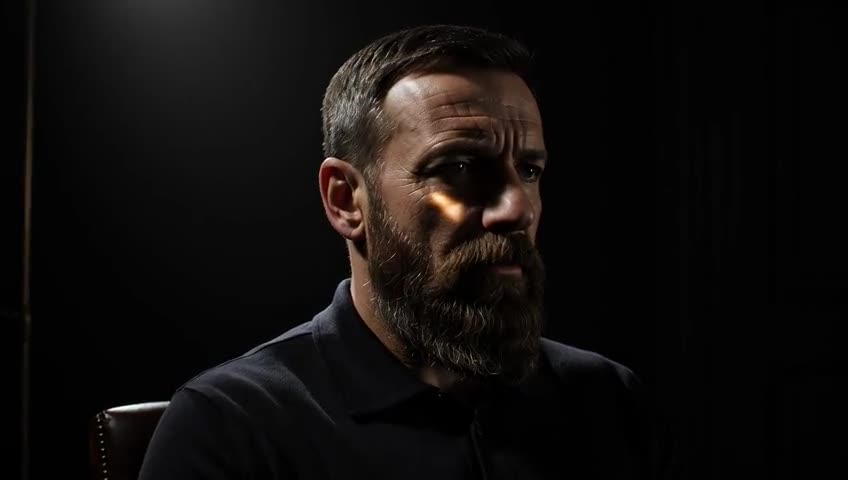
Rembrandt lighting is defined by a small triangle of light under the shadow-side eye and works with either broad or short placement. Broad lighting is defined only by which side of the face the key hits, with a softer overall shadow.
In film
Now, Voyager (1942)
Studio-era glamour close-ups use broad lighting on the female lead to soften features and keep the face fully lit and sympathetic.
Casablanca (1942)
In Ingrid Bergman's Rick's Cafe close-ups, Arthur Edeson's soft camera-side key lights the cheek turned toward camera, creating open romantic glamour.
The prompt
Name the technique directly and describe the physical setup: which side of the face is turned toward the lens, where the softbox or key sits relative to that side, and how the fill lowers the opposite shadow without removing it. Say the light is soft and broad, not hard or narrow. Avoid vague words like flattering lighting; instead specify angle, side and ratio so the model does not default to a frontal or short-lit look.
The exact prompt that rendered the video on this page. Keep the description of the move, change the subject and the setting.
Broad lighting inside a padded recording studio booth. A man in his thirties with short curls sits close to a microphone, his face turned three-quarters away from the camera so the broad side of his face, the side nearest the lens, faces a large softbox placed just off camera at roughly forty degrees, evenly brightening that cheek while the far side falls into a soft, gentle shadow. A low fill light lifts the shadow just enough to keep detail visible. The camera stays locked off on a tripod, framing a close-up, while he speaks silently into the microphone with a calm expression, acoustic foam panels soft and out of focus behind him. No text.
Common mistakes
Placing the key on the wrong side
Setting the key on the far cheek instead of the camera-facing one produces short lighting by accident, narrowing the face instead of widening it.
Pushing the ratio too flat
Bringing the fill up to match the key erases the shadow entirely, leaving the face looking flat and without any sense of form.
Using it on already-wide faces
Broad lighting further widens a face that is already round or wide, working against the shot instead of flattering the subject.
Frequently asked questions
What is broad lighting?
Broad lighting is a portrait lighting choice where the key light hits the side of the face turned toward the camera, making that side brighter and the face appear fuller and more open.
When should I use broad lighting instead of short lighting?
Use broad lighting for warm, trustworthy or glamorous subjects and interviews where clarity matters most. Use short lighting when you want more shadow, mystery or a slimmer look on the face.
Does broad lighting suit every face shape?
No. It flatters narrow or angular faces by adding width, but on already round or wide faces it can make the face look even broader, so short lighting is usually the better choice there.
Can I get broad lighting from an AI video model?
Yes, if you describe the head angle and specify which cheek the key light hits. On Imaginode, naming the side, the light source type and a low fill ratio gives the model enough physical detail to render the setup correctly.