38 techniques
Lighting techniques: shaping mood with light and shadow
Lighting is the single biggest factor in how a shot feels before a viewer processes anything else in frame. Key light defines the main source and direction, fill light controls contrast and shadow density, and backlight separates a subject from the background. Named styles like Rembrandt or chiaroscuro are really just specific ratios and placements of these basic lights, refined into a recognizable look.
Choose lighting by ratio and motivation first, style second. Decide how much contrast the story needs, high-key for optimism or low-key for tension, then decide if the light source should feel realistic and motivated by something in the scene, like a window or a candle. In AI prompts, naming a specific style gives the model a concrete target instead of a vague mood word.
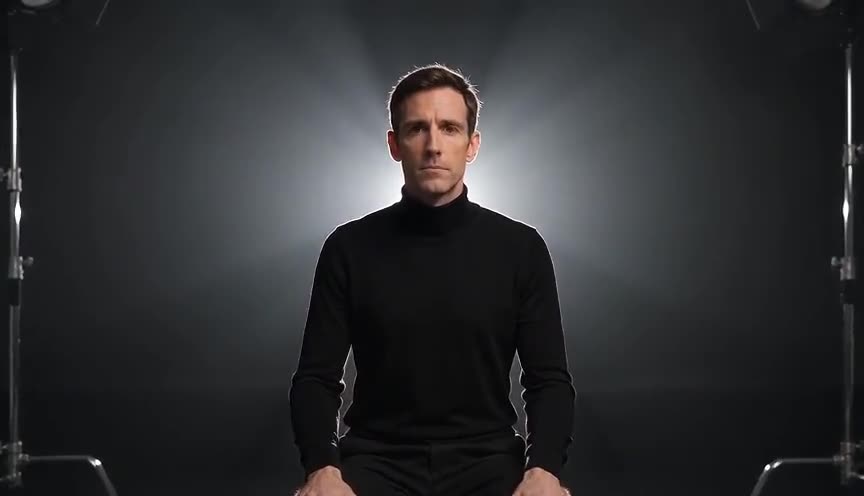
Three-point lighting
Three-point lighting is a setup that shapes a subject with three light sources: a key light for direction, a fill light to soften shadows, and a backlight to separate the subject from the background. It gives the viewer a face and body that read as three-dimensional instead of flat.
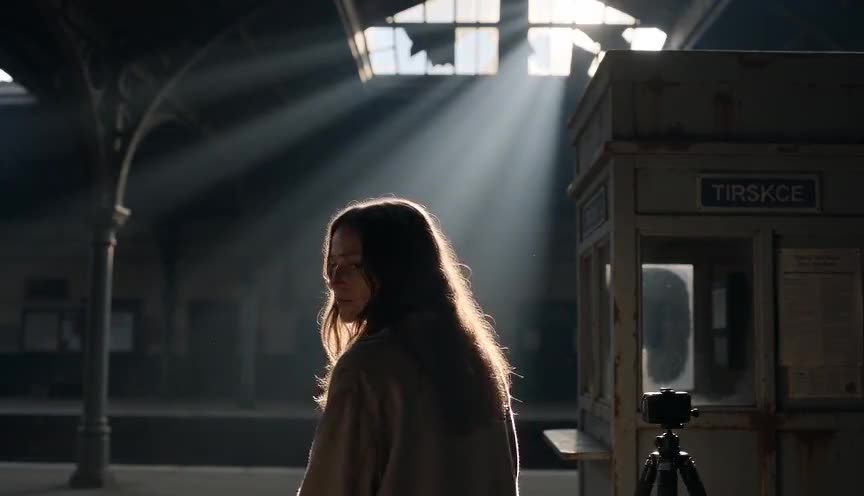
Key light
The key light is the primary light source in a shot, the one that establishes direction, intensity and the main shadow pattern on a subject. It sets the base exposure and mood of a scene before any fill, backlight or other source is added.
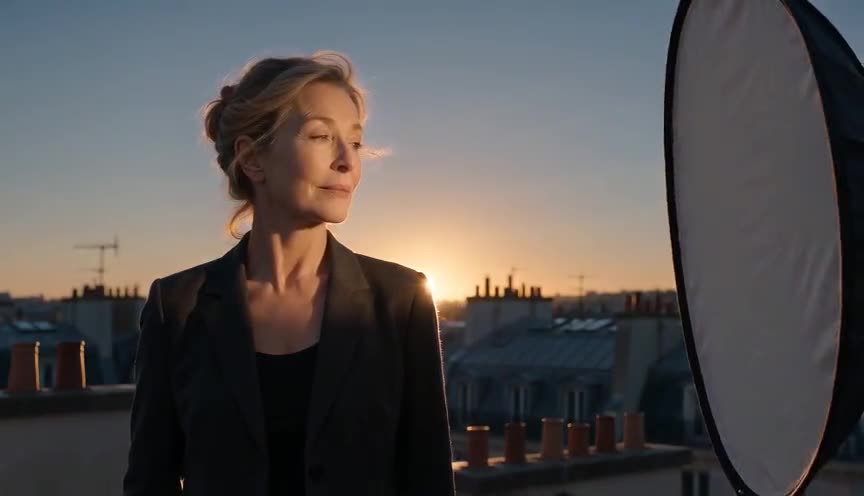
Fill light
Fill light is a secondary light source, usually placed opposite the key light, that lightens the shadows the key creates without casting a second visible shadow of its own. It controls the contrast ratio on a face or object, deciding whether the image reads as soft and friendly or harsh and dramatic.
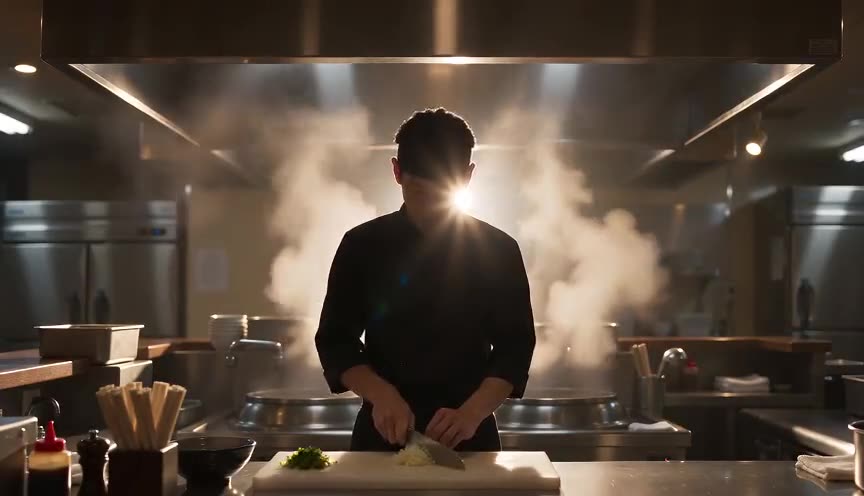
Backlight
Backlight is light placed behind the subject and aimed toward the camera, so the subject is lit from behind rather than the front. It separates the subject from the background, turns edges into a glowing outline, and can reduce a figure to a pure silhouette.
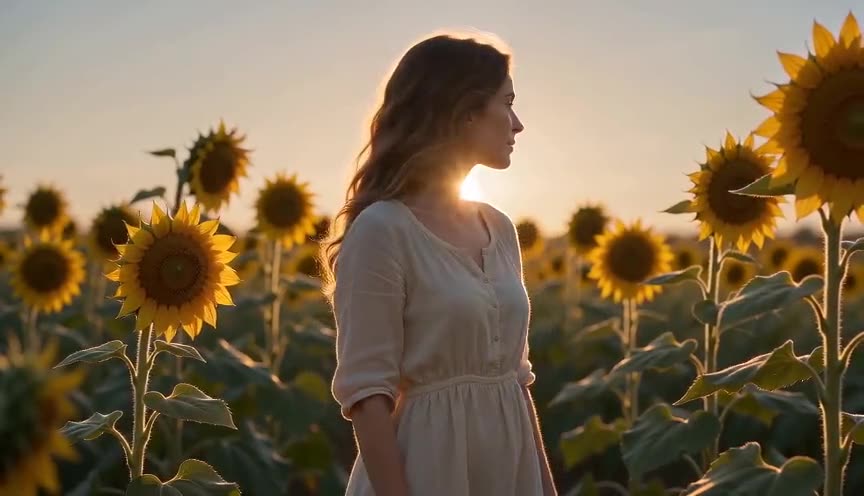
Rim light
Rim light is a light placed behind or to the side of a subject, aimed at its edge so a thin bright line outlines the hair, shoulders or contour against a darker background. It separates the subject from the backdrop and gives it a sense of volume without necessarily lighting the face.
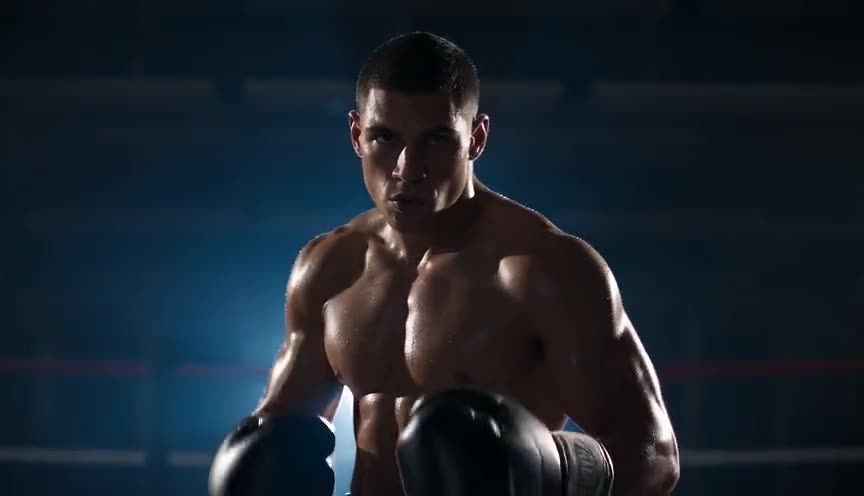
Kicker light
A kicker light is a hard, low-placed light aimed at the edge of a subject from behind or to the side, opposite the key light, that highlights a shoulder, jaw, or limb without lighting the face. It gives the viewer a sense of physical presence and depth by carving a bright rim out of an otherwise dark surface.
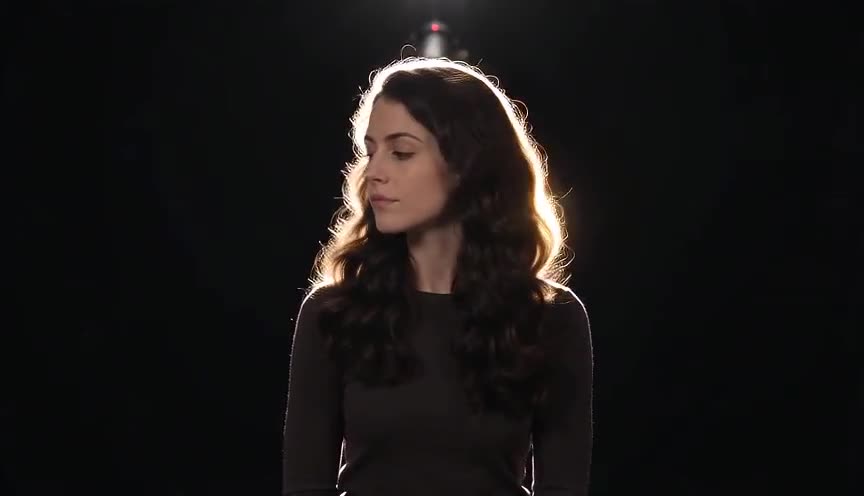
Hair light
A hair light is a small, focused light placed above and behind the subject, aimed down at the crown of the head, that creates a thin rim of brightness on the hair to separate it from the background. It gives the subject a sense of dimension and keeps dark hair from melting into a dark set.
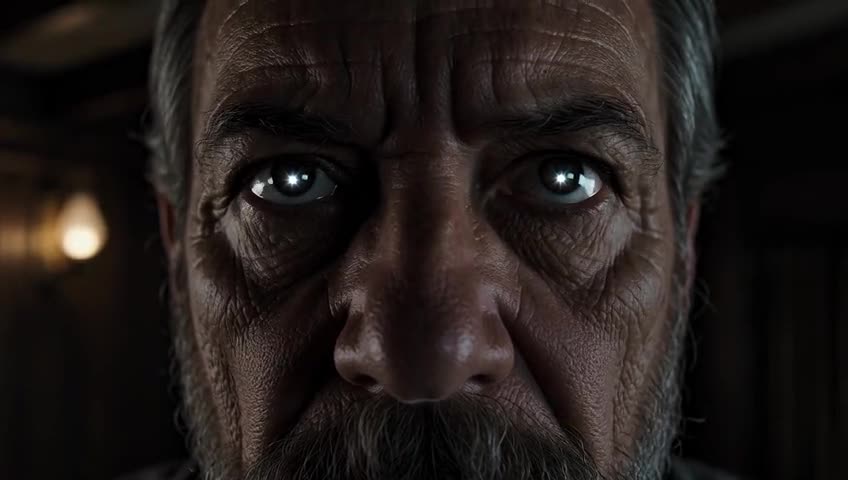
Eye light
An eye light is a small, focused light aimed directly at an actor's eyes to create a tiny specular highlight, called a catchlight, in the pupil. It makes the eyes read as alive and present, pulling the viewer's attention and emotional connection to the face even inside dark or moody lighting.
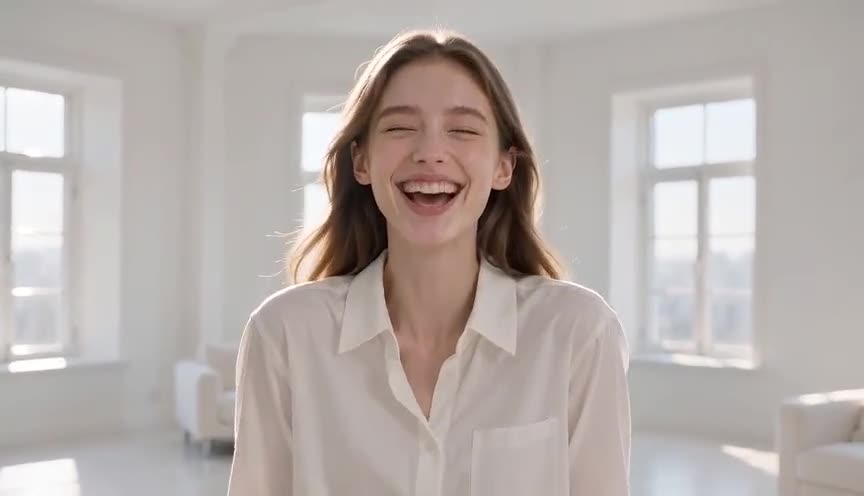
High-key lighting
High-key lighting is a lighting style that keeps the ratio between key and fill light low, so shadows stay soft and the overall exposure sits bright across the frame. It reads to the viewer as cheerful, safe, or clinical, depending on where and how it is used.
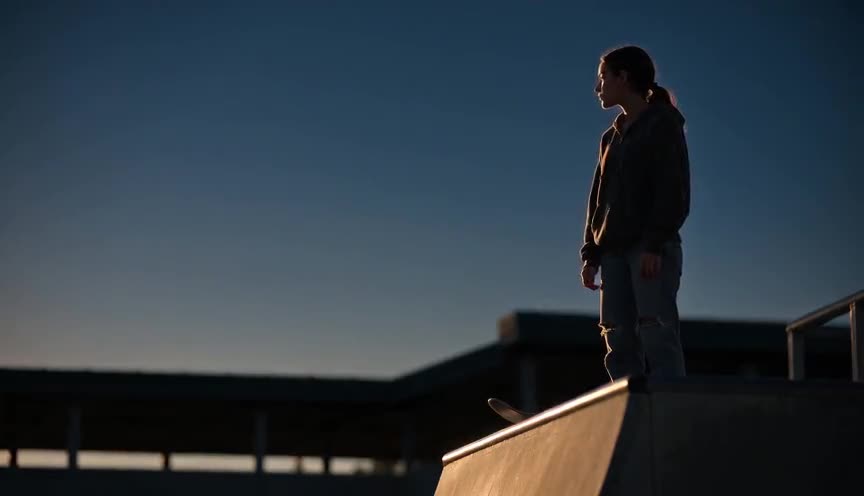
Low-key lighting
Low-key lighting is a lighting style that keeps most of the frame in shadow, relying on a single dominant light source with little or no fill. It creates a moody, tense or mysterious atmosphere and directs the viewer's eye to the small area that remains lit.
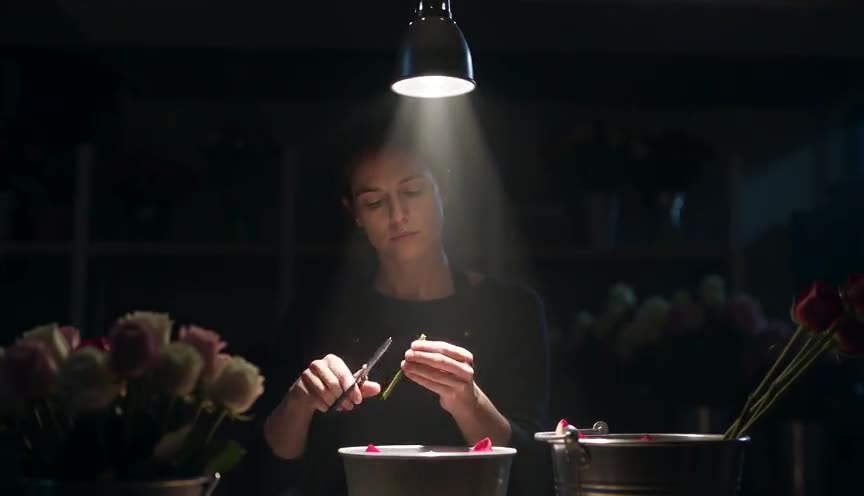
Chiaroscuro
Chiaroscuro is a lighting style built on extreme contrast between light and dark, where one strong source carves a figure or object out of near-total blackness. It narrows the viewer's attention to a small lit area and gives the image a painterly, often ominous or intimate weight.
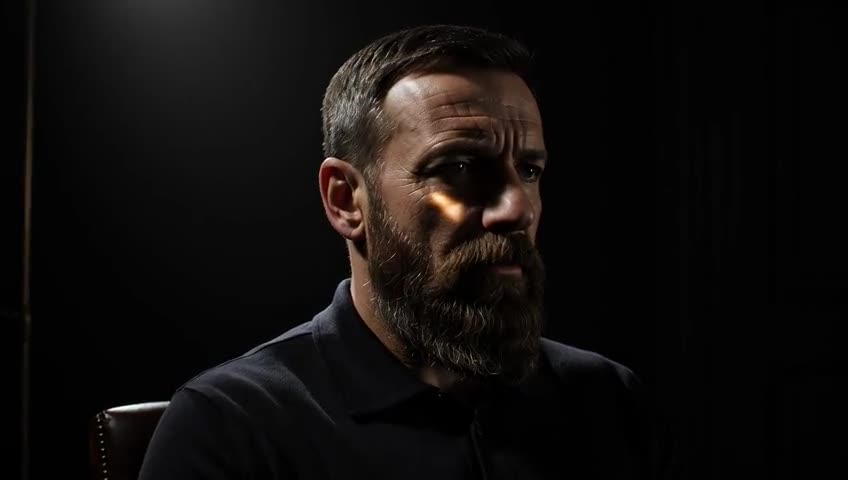
Rembrandt lighting
Rembrandt lighting is a portrait lighting setup where the key light sits about 45 degrees above and to the side of the face, leaving a small triangle of light on the cheek opposite the source, under the eye, separated from the rest of the highlight. It gives a flat face real volume and reads as moody, dignified or morally ambiguous.
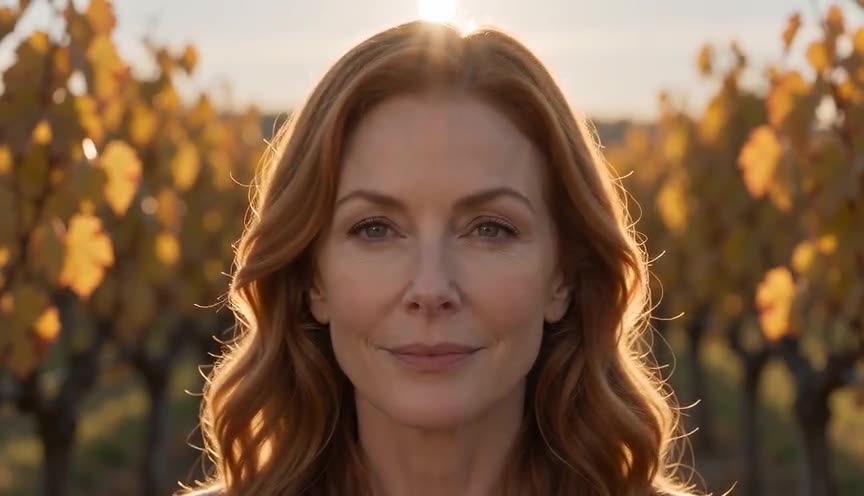
Butterfly lighting
Butterfly lighting is a portrait setup where the key light sits high and directly in front of the face, casting a small butterfly-shaped shadow under the nose. It sculpts the cheekbones and smooths the face, giving the viewer a sense of glamour and classic elegance.
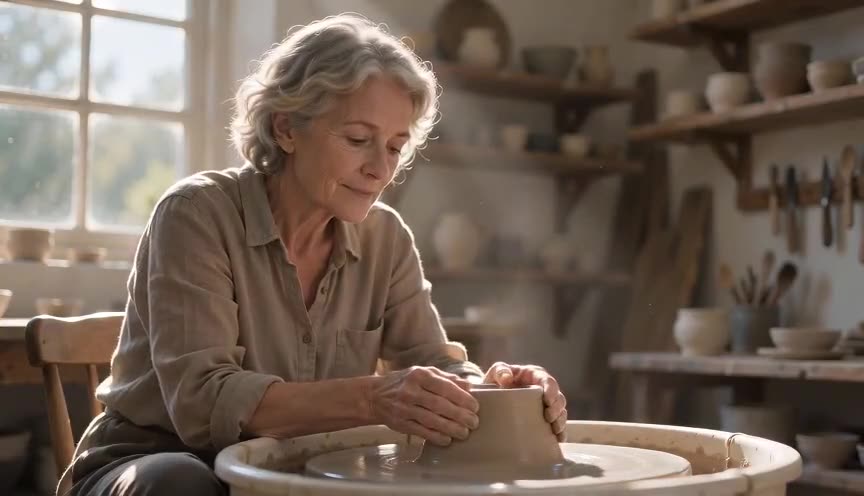
Loop lighting
Loop lighting is a portrait lighting pattern that places the key light about 45 degrees to the side and slightly above eye level, casting a small round shadow of the nose that loops down onto the cheek without touching the lip line. It gives a face gentle three-dimensional shape while keeping the look clean, flattering and easy to reproduce on set.
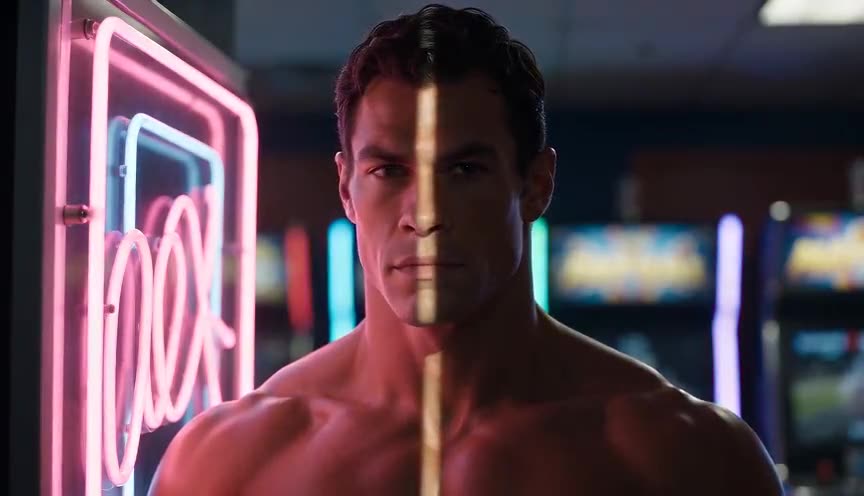
Split lighting
Split lighting is a portrait lighting setup where a single light source, placed to the side and roughly level with the subject's face, illuminates exactly one half of the face while the other half falls into shadow. It reads instantly as duality, secrecy or inner conflict, because the viewer sees two opposing versions of the same face at once.
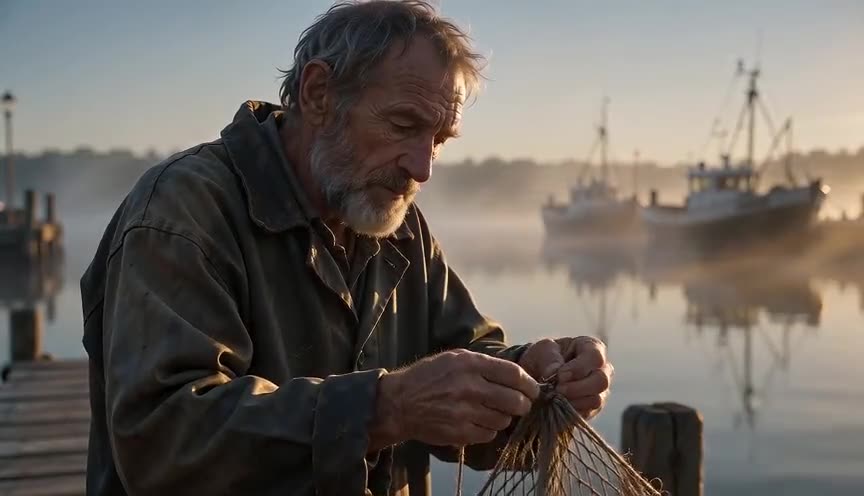
Short lighting
Short lighting is a portrait lighting pattern where the key light hits the side of the face turned away from the camera, so the side nearest the lens falls into shadow. It narrows a wide face, sculpts the features with strong contrast, and gives the image a moodier, more dramatic feel than lighting the near side.
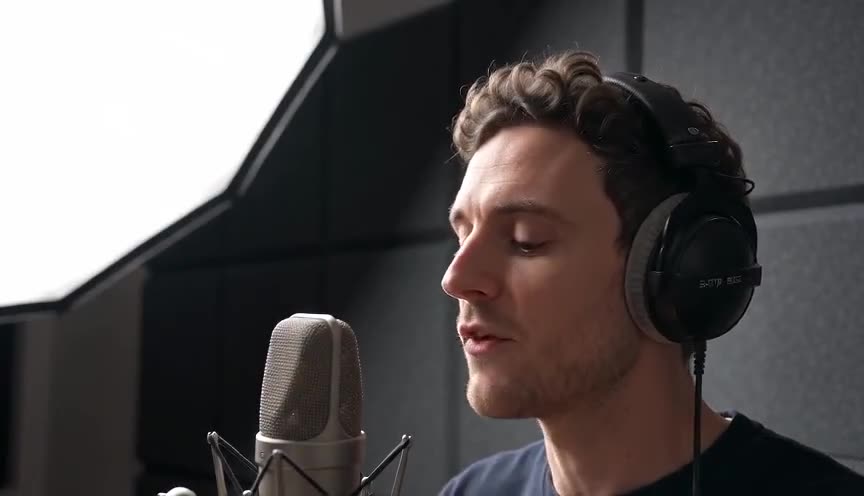
Broad lighting
Broad lighting is a portrait setup in which the key light illuminates the side of the subject's face that is turned toward the camera, so that side reads brighter and wider than the side turned away. It reads to the viewer as open, flattering and comparatively low on drama.
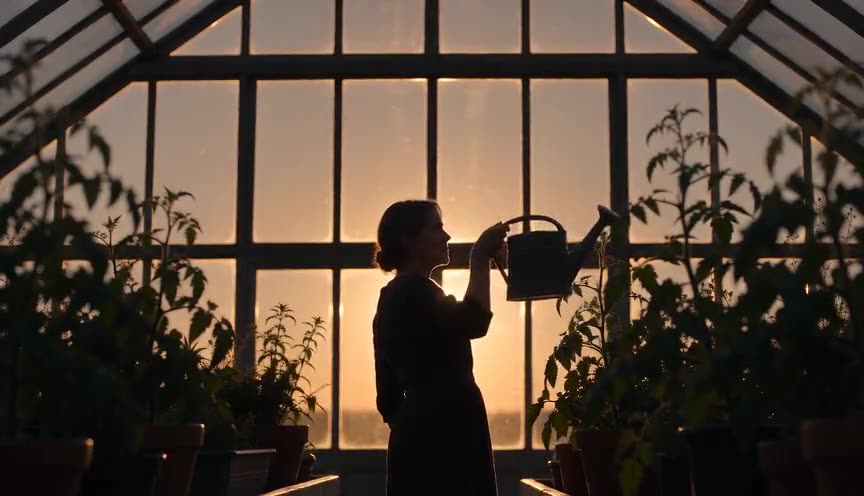
Silhouette
A silhouette is a shot in which the subject is exposed as a solid dark shape against a much brighter background, with no visible surface detail. It strips away face, color and texture, leaving only outline and gesture for the viewer to read.
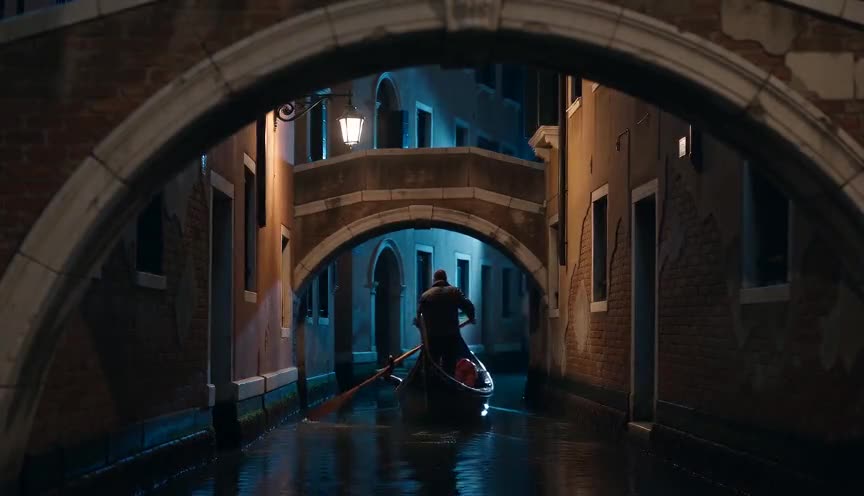
Motivated lighting
Motivated lighting is a lighting approach in which every light in a scene appears to come from a source the viewer can see or logically infer, such as a window, a lamp or a streetlight. It keeps the audience inside the story world by hiding the crew's craft behind a believable, real-world reason for the light.
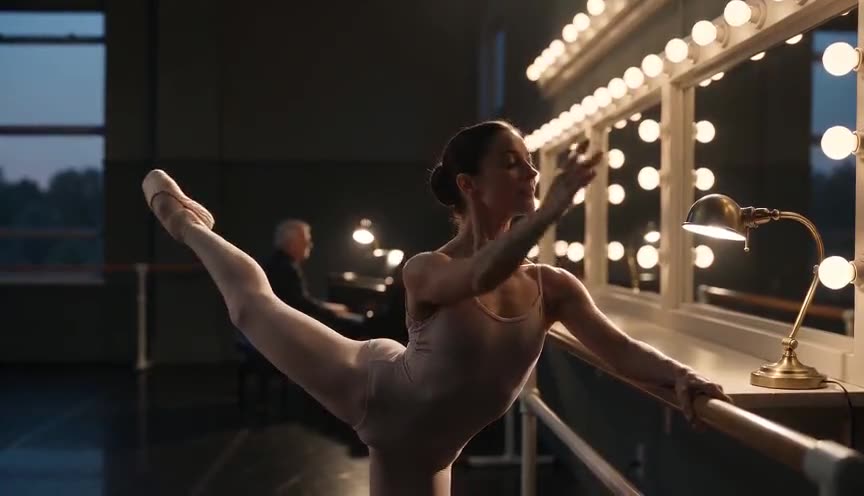
Practical lighting
Practical lighting is illumination that comes from a source visible inside the frame, such as a lamp, candle, neon sign or television screen. It grounds the scene in a believable world and lets the viewer read where the light is supposed to come from without seeing the crew's rig.
Available light
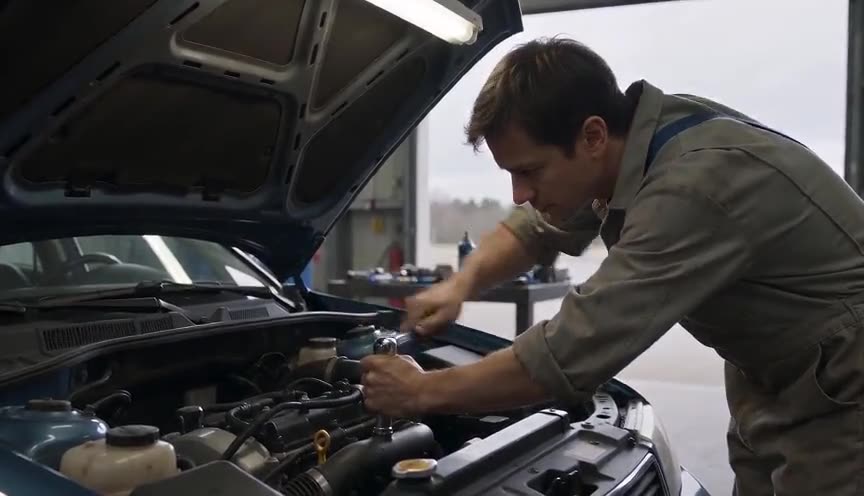
Available light is any light already present at the location, sunlight, streetlamps, window light, screens, that a filmmaker shoots with instead of adding lighting units. It gives the image a documentary honesty because the viewer senses the light belongs to the world, not to the production.
Bounce light
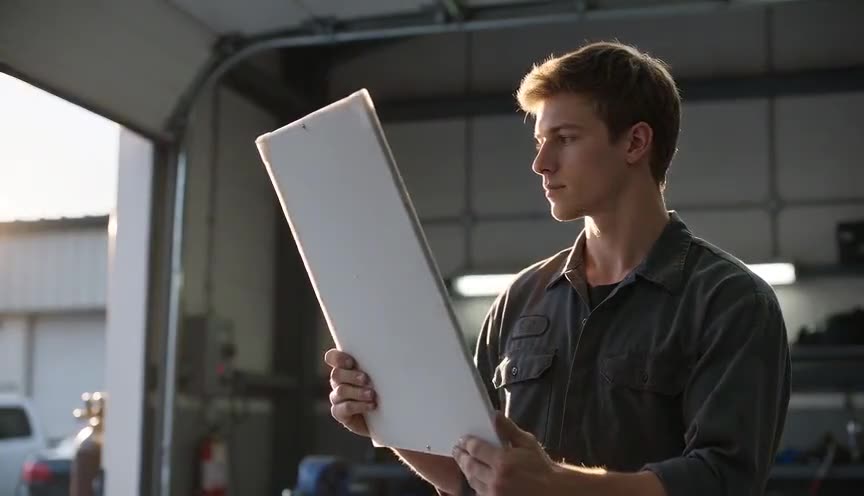
Bounce light is illumination that reaches the subject after reflecting off a surface, such as a wall, ceiling, foam board or reflector, instead of hitting it directly from the source. It spreads the light out and softens shadows, giving faces and rooms a gentler, more natural look.
Hard light
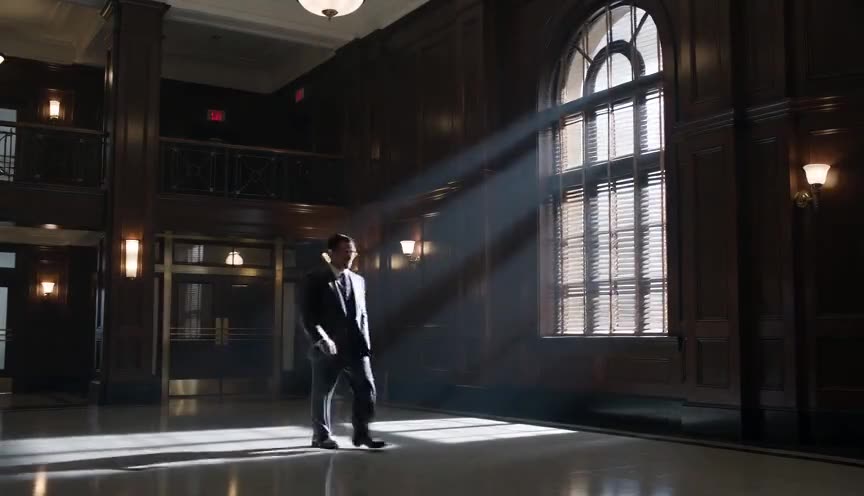
Hard light is illumination coming from a small or distant source relative to the subject, producing shadows with sharp, well-defined edges and abrupt jumps between bright and dark areas. It reads as harsh and graphic, putting the viewer on edge rather than at ease.
Soft light
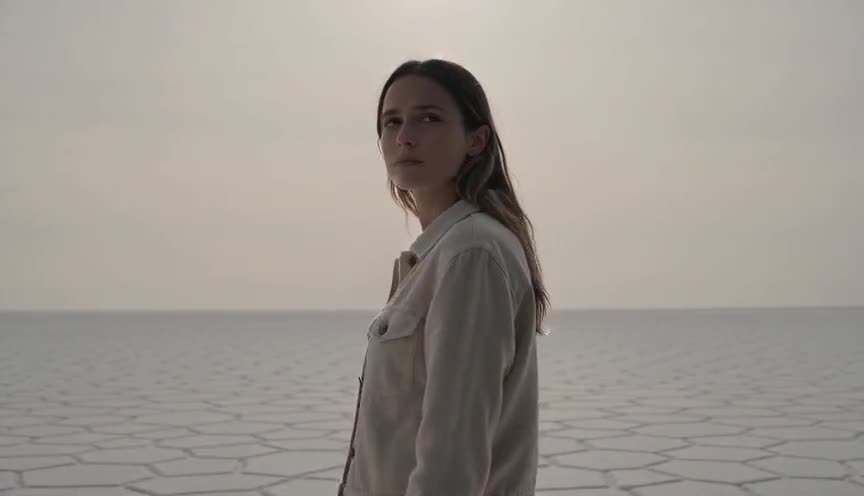
Soft light is illumination with a gradual falloff and low contrast, produced by a light source that is large relative to the subject or heavily diffused. It smooths skin texture and softens shadow edges, so the viewer reads the scene as calm, natural, or flattering rather than tense or graphic.
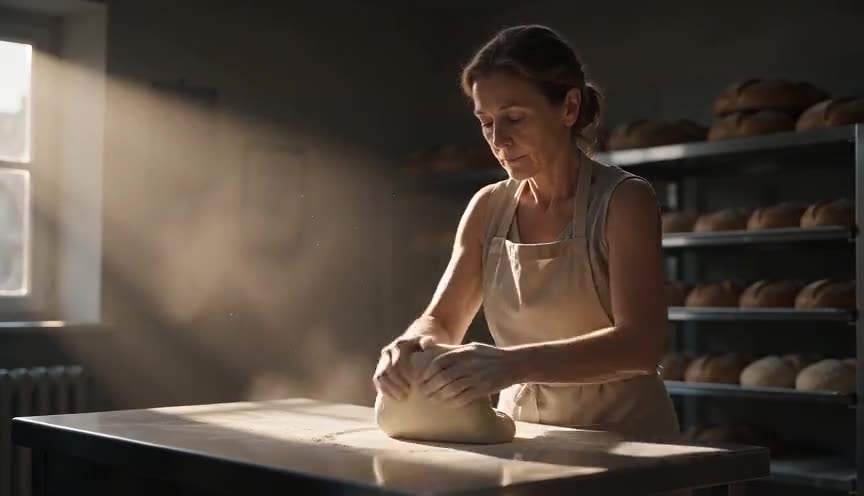
Side lighting
Side lighting is a setup where the main light source sits roughly 90 degrees from the camera-subject axis, splitting the subject into a lit half and a shadowed half. It carves out texture, volume and edges that flat frontal light erases, and it pushes the viewer to read the image as dimensional and often tense.
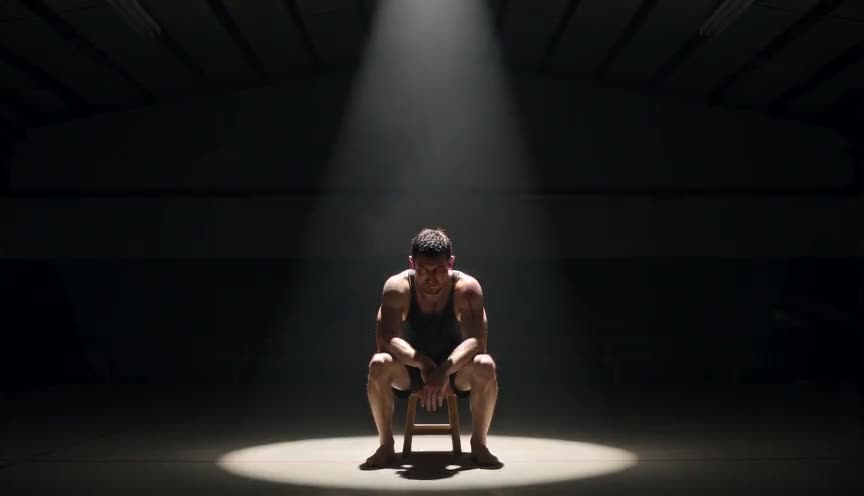
Top light
Top light is a light source placed directly above the subject, pointing straight down. It carves deep shadows under the brow, nose, cheekbones and chin, stripping the face of flattery and often reading as clinical, isolating or ominous.
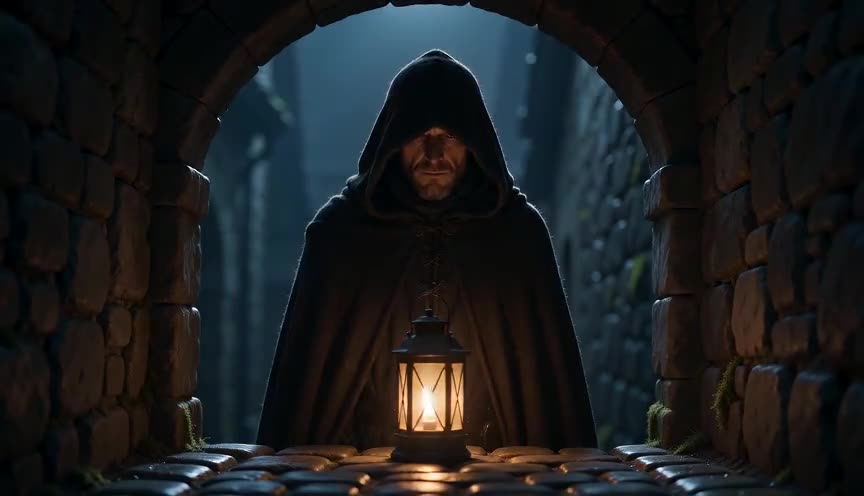
Underlighting
Underlighting places the main light source below the subject's face rather than above it, so shadows fall upward across the forehead, nose and eye sockets. Because it contradicts how light behaves under the sun or a ceiling fixture, it reads as unnatural, unsettling or supernatural to the viewer.
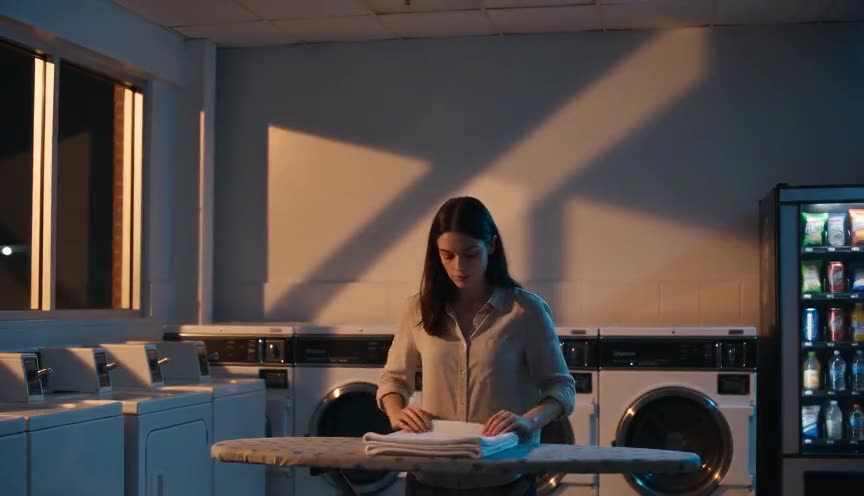
Cross lighting
Cross lighting is a setup in which two light sources strike the subject from opposite or crossing angles instead of one dominant key. It models both sides of the face or body at once, separates the subject from the background, and can produce a distinct double shadow on the floor or wall behind them.
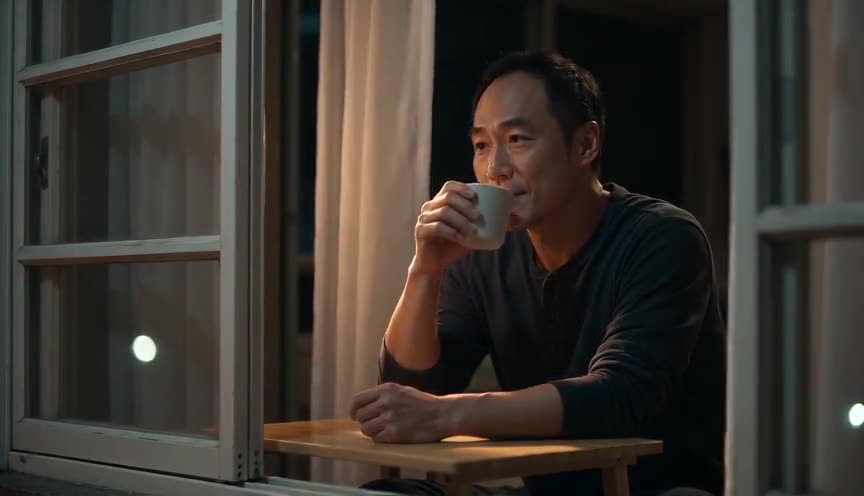
Window light
Window light is a lighting technique that uses an opening (a window, a door, a skylight) as the main or key source of illumination on a subject. It gives the viewer a soft, directional, believable light that feels found rather than built.
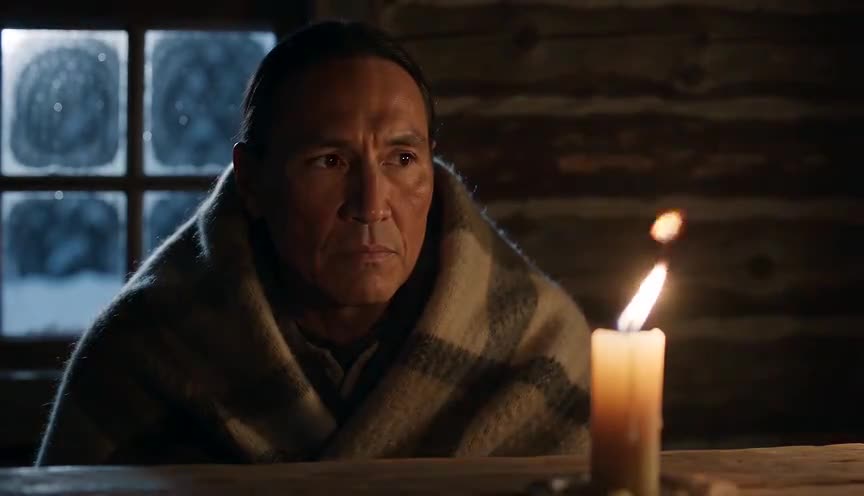
Candlelight
Candlelight is a lighting technique that uses the warm, unsteady glow of an actual or simulated flame as the primary source of illumination on a scene. It wraps faces in soft, amber light that flickers and shifts, pulling the viewer into an intimate, vulnerable mood.
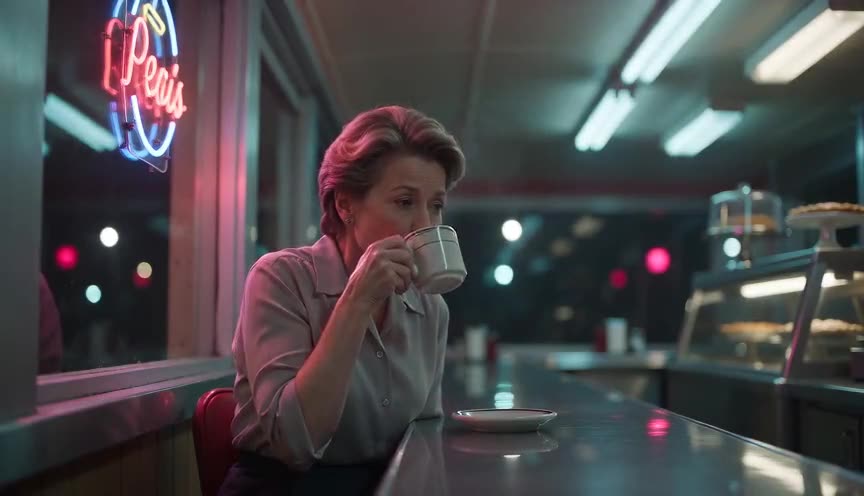
Neon lighting
Neon lighting is the use of colored gas-discharge tubes or LED tube fixtures, typically pink, cyan, magenta or green, as the dominant or sole light source in a scene. It bathes faces and surfaces in saturated color and hard-edged shadow, giving the image a synthetic, urban, often melancholic or seductive mood.
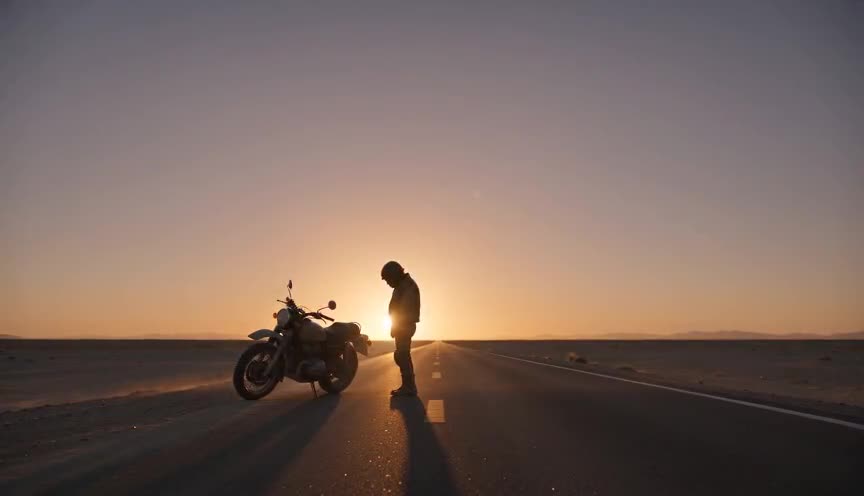
Golden hour
Golden hour is the period shortly after sunrise or before sunset when sunlight travels through more atmosphere, turning warm, soft and low in angle. It wraps subjects in amber light, lengthens shadows and gives skin a flattering glow, making scenes feel nostalgic, romantic or hopeful.
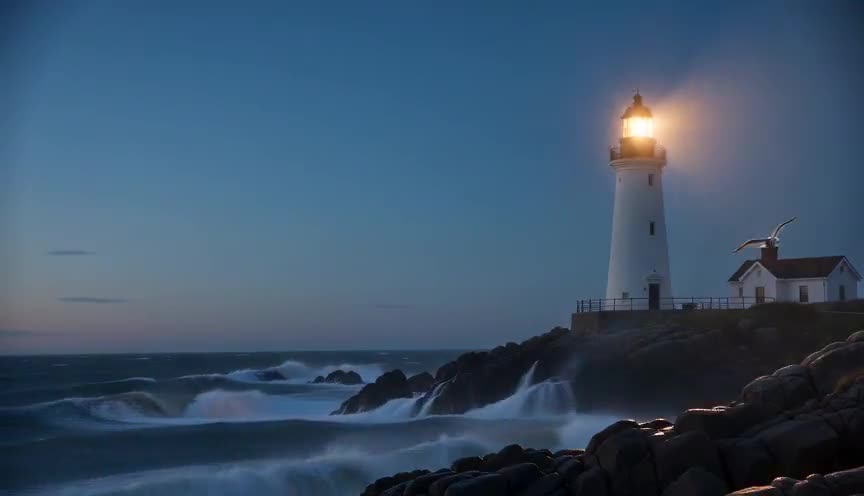
Blue hour
Blue hour is the short window of twilight, roughly 20 to 40 minutes before sunrise or after sunset, when the sun sits below the horizon and the sky glows a deep, even blue. It gives the frame a cool, melancholic light where artificial sources like windows, streetlamps or beacons read as warm accents against a cold ambient world.
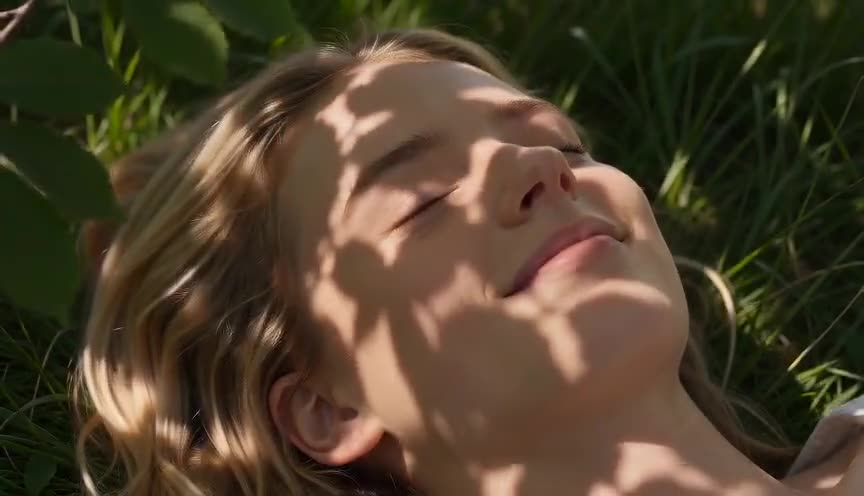
Dappled light
Dappled light is a pattern of bright and dark patches that falls across a subject or scene when light passes through an uneven surface such as leaves, blinds or textured glass. It breaks up flat illumination and gives the viewer a sense of a specific, textured place and a passing moment rather than a controlled studio look.
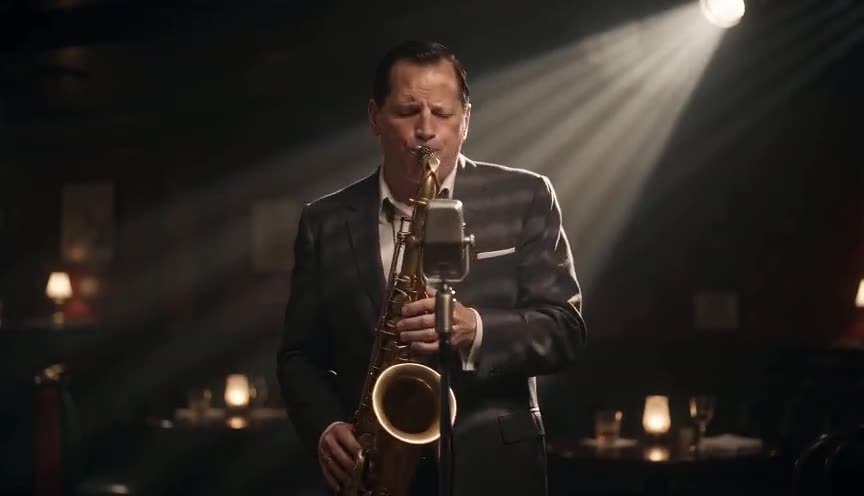
Gobo lighting
Gobo lighting is the practice of placing a cutout stencil (a gobo, short for 'go between') in front of a light source to project a shaped pattern, such as blinds, leaves, or windows, onto a subject or surface. It adds texture, implies location, and shapes mood without changing the actual set.
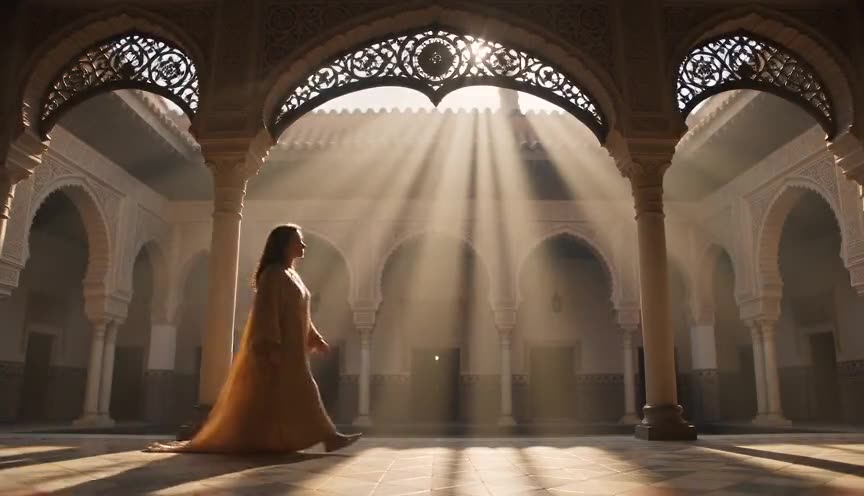
Volumetric light
Volumetric light is the visible glow of a light beam as it scatters off particles suspended in the air, such as dust, haze, fog or smoke. It turns invisible air into a tangible, three-dimensional shape, adding depth, mood and a sense of scale to a scene.
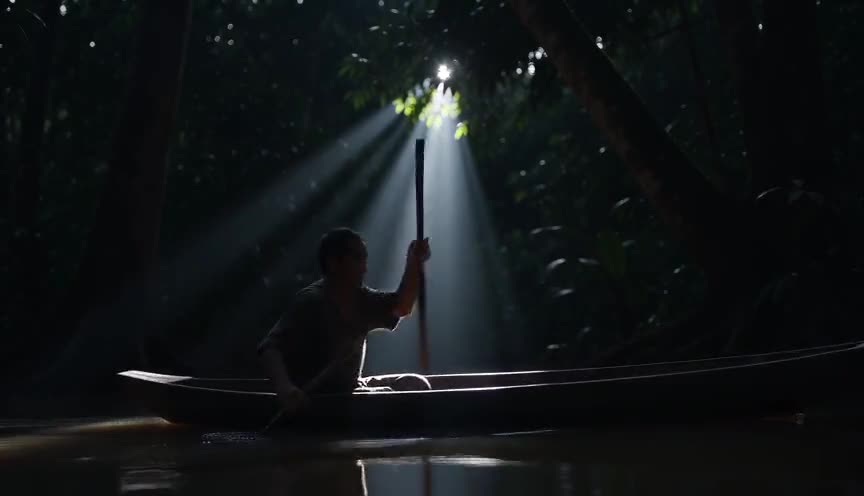
Cameo lighting
Cameo lighting is a technique that lights the subject with a single, tight, hard light source while the background stays completely black, with no fill or spill reaching it. It strips away every visual distraction and forces the viewer's eye onto the lit figure alone, as if it were carved out of the dark.
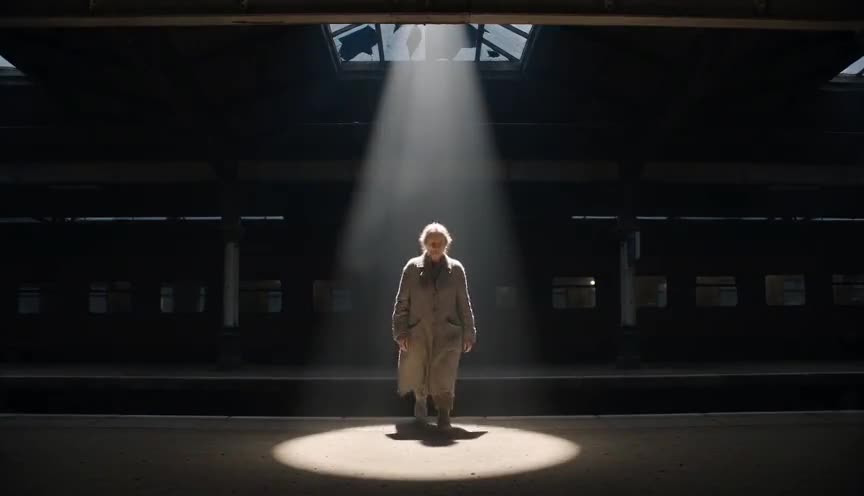
Spotlight
A spotlight is a narrow, directional beam of hard light that isolates a subject from its surroundings, letting everything outside the beam fall into shadow. It pulls the viewer's eye to one point in the frame and signals importance, exposure, or judgment without a single word.
Frequently asked questions
What is three-point lighting and why does it matter?
Three-point lighting uses a key light, fill light, and backlight to shape a subject with depth and separation from the background. It is the foundation most other lighting styles build on or deliberately break for effect.
What is the difference between high-key and low-key lighting?
High-key lighting uses soft, even light with minimal shadow, common in comedies and commercials. Low-key lighting uses strong contrast and deep shadow, common in thrillers and drama, to create tension and hide information from the viewer.
How do I get consistent lighting in AI generated video?
Name the light quality, hard or soft, direction such as backlight or side light, and source such as window light or neon. Specific, technical lighting terms produce far more consistent and controllable results than mood words alone.