Golden hour
Also calledMagic hour, Golden light, Sunset light
Golden hour is the period shortly after sunrise or before sunset when sunlight travels through more atmosphere, turning warm, soft and low in angle. It wraps subjects in amber light, lengthens shadows and gives skin a flattering glow, making scenes feel nostalgic, romantic or hopeful.
What it tells
Directors reach for golden hour when they want a moment to feel emotionally charged without a single line of dialogue. The warm, raking light softens faces, flatters skin tones and casts long, dramatic shadows that suggest passing time. It signals endings, beginnings, reunions and farewells, giving even ordinary conversations a sense of significance. Because the window is short, using it also communicates urgency to the audience, mirroring characters racing against the setting sun.
How it is shot
The sun sits low, roughly 0 to 6 degrees above the horizon, so light rakes across the scene instead of falling from above. Color temperature drops to around 2000 to 3500 Kelvin, shifting everything toward amber and red. Crews shoot with the sun behind or to the side of the subject for rim light and lens flare, often bouncing or using a reflector to fill shadowed faces. The window lasts 20 to 40 minutes depending on latitude and season, so scenes are usually storyboarded and rehearsed beforehand, with multiple cameras rolling simultaneously to capture more coverage before the light fades.
When to use it
- Closing a scene of reconciliation, departure or emotional resolution with a warm, hopeful tone
- Establishing a road trip, journey or transition between chapters of a story
- Romantic or intimate two-person scenes that need soft, flattering light on faces
- Wide landscape or vehicle shots where long shadows add scale and drama
Not to be confused with
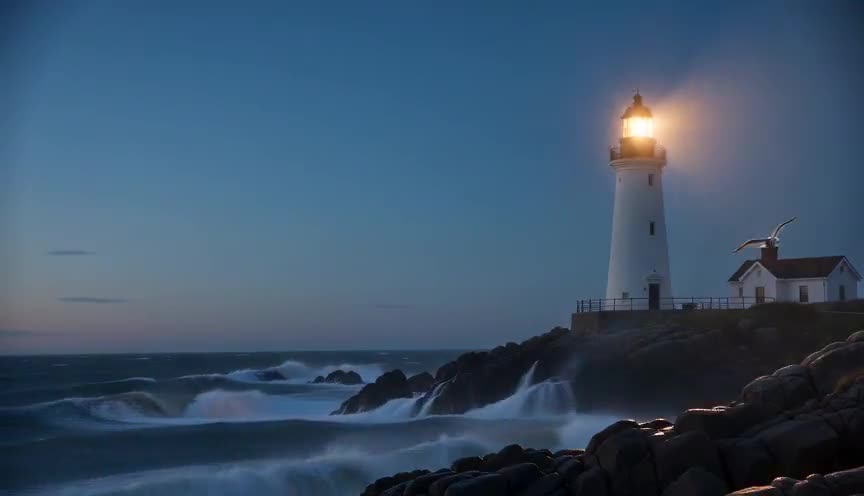
Blue hour follows golden hour, after the sun dips below the horizon, giving cool blue tones instead of warm amber. Golden hour feels intimate and hopeful, blue hour feels melancholic or mysterious.

Warm amber grade is a color correction applied in post to simulate warmth, while golden hour is the light actually captured on set. Grading can fake the look but rarely matches the natural falloff and flare of real low sun.
In film
Days of Heaven (1978)
Terrence Malick and Nestor Almendros famously shot prairie exteriors at magic hour, wrapping workers, lovers and wheat fields in warm, low amber light.
The Tree of Life (2011)
Emmanuel Lubezki relies on natural magic-hour light for childhood backyard and neighborhood scenes, bathing the family in warm, soft, low-angled glow.
The Revenant (2015)
Emmanuel Lubezki shot largely with natural light and planned many exteriors for brief golden-hour windows, giving Glass's ordeal a luminous wilderness grandeur.
The prompt
Name the light directly: golden hour, low sun, warm amber tone, long shadows. Specify the sun's position relative to the subject (backlit, side-lit) since that changes flare and rim light. Avoid vague words like beautiful light; instead describe color temperature, shadow length and whether the light is soft or hazy. Mention any flare or haze if you want it, since models will default to a generic sunset otherwise.
The exact prompt that rendered the video on this page. Keep the description of the move, change the subject and the setting.
Golden hour lighting on a desert highway at dusk, a lone motorcyclist in worn leather gear standing beside their bike near the road shoulder, low sun sitting just above the horizon behind them casting a warm amber backlight and a long stretched shadow across the asphalt. Camera holds a static wide shot as heat haze shimmers faintly over the road, dust drifts through the low side light, and the sky graduates from orange to a soft violet at the edges. No text.
Common mistakes
Shooting at noon and color-correcting later
Overhead midday sun cannot be turned into golden hour with a warm filter; the shadow direction and softness will still read as artificial and flat.
Ignoring the short window
Golden hour lasts 20 to 40 minutes; crews that do not rehearse blocking and lenses in advance often lose the light mid-scene and end up with mismatched shots.
Overexposing the sky
Letting the sun blow out the background sacrifices the rich orange gradient that makes golden hour recognizable, leaving a washed-out white sky instead.
Frequently asked questions
What is golden hour?
Golden hour is the low, warm sunlight that occurs shortly after sunrise or before sunset, when the sun sits near the horizon and casts long shadows with an amber color cast. It is prized in filmmaking for its soft, flattering quality on skin and landscapes.
How long does golden hour actually last?
It typically lasts 20 to 40 minutes, depending on latitude, season and how close to the equator you are. Near the equator the window is shorter; at higher latitudes in summer it can stretch longer.
Can golden hour be recreated indoors?
Yes, using tungsten or amber-gelled lights placed at a low angle to mimic the raking quality of a setting sun, often combined with haze in the air to catch the beam and soften shadows.
How do I get a convincing golden hour look from an AI video model?
Describe the sun's low position, the warm color temperature and the direction of shadows explicitly, since generic prompts often default to a flat midday look; tools like Imaginode respond well to specific lighting language.