Rim light
Also calledEdge light, Contour light, Halo light
Rim light is a light placed behind or to the side of a subject, aimed at its edge so a thin bright line outlines the hair, shoulders or contour against a darker background. It separates the subject from the backdrop and gives it a sense of volume without necessarily lighting the face.
What it tells
Directors reach for rim light when they want a subject to feel carved out of the frame rather than flat against it. The thin edge of light suggests presence, dignity or isolation, and it works even when the face stays dark, which makes it useful for tension, romance or reveal. It turns a plain silhouette into something with weight and shape, and it reads instantly as cinematic because the eye is drawn to edges before it reads detail.
How it is shot
A hard, relatively small source (a fresnel, an open-face light with a grid, or the sun itself) is placed behind the subject, roughly 120 to 180 degrees from the camera, at hip, shoulder or head height depending on what needs to glow. It is aimed to skim the subject's edge, not to flood the set, so flags or barn doors cut spill onto the background. Intensity usually runs brighter than the key light, sometimes by a full stop or more, because a rim has to punch through ambient light to stay visible. On location, golden hour sun low on the horizon does this job for free; on a set it is one dedicated instrument, often gelled to separate its color from the key.
When to use it
- Separating a dark-clothed subject from an equally dark background in a dramatic scene.
- Shooting toward the sun at golden hour to give hair and shoulders a glowing outline.
- Adding dimension to a silhouette shot where you still want the subject to feel three-dimensional.
- Isolating one figure in a crowd or a cluttered frame by making only their edge glow.
Not to be confused with
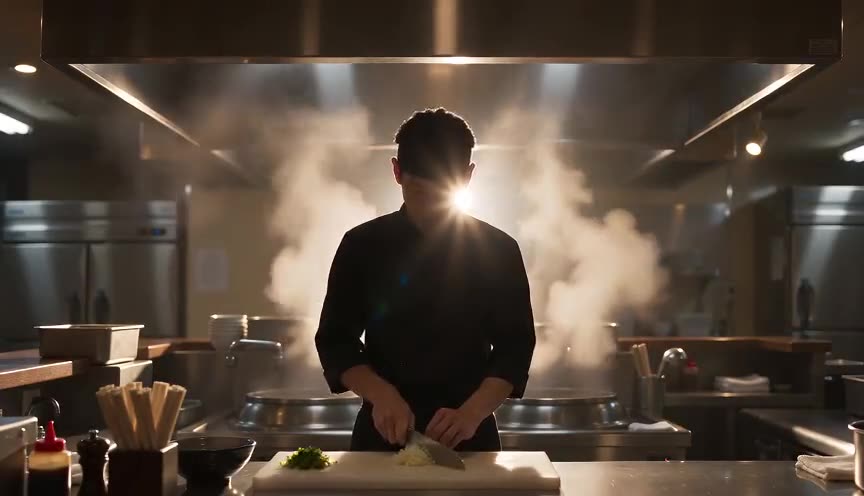
Backlight floods the subject from behind and can fill the whole frame with glow; rim light is narrower and specifically shapes the edge, often with flags to keep the rest of the frame dark.
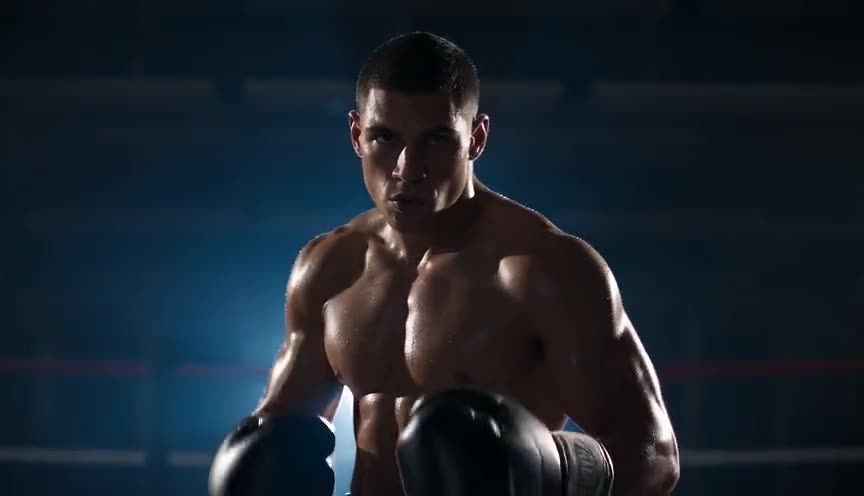
A kicker light hits the side of the subject at a lower angle to sculpt cheekbones or arms, while rim light traces the full silhouette edge, usually from higher and more directly behind.
In film
The Revenant (2015)
Natural sunlight low behind actors in the forest scenes creates strong rim edges on fur, hair and breath in cold air.
Blade Runner 2049 (2017)
Fog and backlight combine repeatedly to rim characters in the smoke-filled interiors, giving them a glowing outline against dark sets.
The prompt
Name the light source and its position explicitly (low sun, single lamp behind the subject) and say the face stays in shadow while the edge glows. Mention the color of the rim if it matters (golden, cool blue) and keep the background darker than the outline so the contrast reads clearly. Avoid vague words like moody lighting; instead describe the physical direction of the light and what stays lit versus what stays dark.
The exact prompt that rendered the video on this page. Keep the description of the move, change the subject and the setting.
Rim light: a woman in her thirties stands among tall sunflowers, framed in a medium shot facing the camera. The setting sun sits low just out of frame directly behind her, casting a bright golden outline along her hair, shoulders and forearms while her face and the front of her body remain in soft shadow. She slowly turns her head to the side, the thin glowing edge shifting shape against the darker sunflowers behind her. The camera is locked on a tripod with a 50mm lens, completely static, only her slow turn changes the light. No text.
Common mistakes
Letting the rim spill into the face
Without flags or careful angle, the same light that should skim the edge ends up washing the face, killing the shadow contrast that makes the rim readable.
Matching rim intensity to the key
A rim that is the same brightness as the key light disappears into the overall exposure; it needs to be noticeably brighter or the edge will not separate from the background.
Using it on a bright background
Rim light needs contrast to be visible, so placing it against a background as bright as the subject's edge erases the effect entirely.
Frequently asked questions
What is rim light?
Rim light is a light aimed at the back edge of a subject so a thin bright line outlines their hair, shoulders or silhouette, separating them visually from a darker background.
How is rim light different from a hair light?
A hair light is a narrow version of rim light aimed specifically at the top of the head to add shine and separation; rim light can outline the whole body, not just the hair.
Can I get rim light with natural sunlight?
Yes, shooting toward a low sun at golden hour with the subject between camera and sun produces a strong natural rim without any artificial lights, as long as the background stays darker than the subject's edge.
How do AI video models handle rim light?
Models like the ones on Imaginode render rim light well if you describe the light source position (behind the subject, low and out of frame) and state clearly that the face stays shadowed while the edge glows, rather than just naming the technique.