Hair light
Also calledCrown light, Top light separation
A hair light is a small, focused light placed above and behind the subject, aimed down at the crown of the head, that creates a thin rim of brightness on the hair to separate it from the background. It gives the subject a sense of dimension and keeps dark hair from melting into a dark set.
What it tells
The hair light is a quiet tool: viewers rarely notice it consciously, but they feel its absence. By carving a bright edge along the top of the head, it pulls the subject forward from the background and adds a touch of polish associated with studio portraiture and classic Hollywood glamour. Directors reach for it when they want a face to read as composed and cared for, even in a gritty or dark scene, or when they need clean separation without adding more fill.
How it is shot
A small Fresnel, LED panel, or focusing spot (often 100 to 300 watts equivalent) is rigged on a boom arm or overhead pipe grid, positioned above and slightly behind the subject at roughly a 45 to 60 degree downward angle. A snoot, barn doors, or a flag trims the beam so light lands only on the hair and shoulders, not the face or the background. Intensity is usually set one to two stops under the key light, just enough to catch highlights without creating a visible halo. On set, the gaffer checks the effect through a monitor since the light is invisible from the actor's eyeline, and often nets or diffuses it slightly to avoid a hard, artificial edge on fine hair.
When to use it
- A dark-haired subject is shot against a dark or cluttered background and needs to read clearly.
- You want a polished, portrait-like feel in a close-up or medium close-up dialogue scene.
- The key light is soft and flat, and the shot needs extra depth without more fill light.
- A low-key or noir scene still needs the subject's silhouette to separate from black shadow.
Not to be confused with
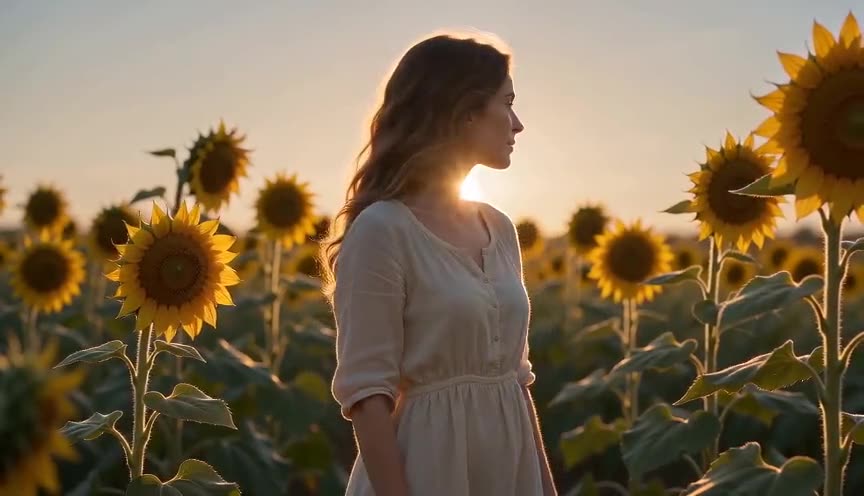
Rim light traces the whole silhouette (shoulders, arms, body) from behind, while a hair light is narrower and aimed only at the crown of the head to lift hair off the background.
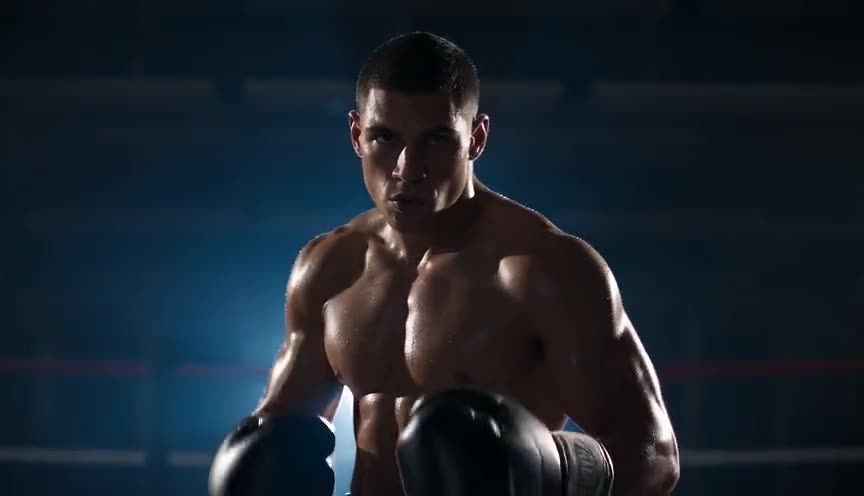
A kicker hits the side of the face or body from behind at a low or medium angle to sculpt cheekbones and jawline, whereas the hair light works from above, targeting hair, not facial structure.
In film
Gone with the Wind (1939)
Classic studio-era portrait lighting uses a dedicated hair light on close-ups to give the star glamour and lift her silhouette from painted backdrops.
Casablanca (1942)
Three-point setups with a soft hair light on Ingrid Bergman's close-ups are frequently cited in cinematography texts as textbook glamour lighting.
The prompt
Name the fixture and its position explicitly: a small light mounted above and behind the subject, angled down onto the hair, distinct from the main key light. Describe the visible result (a thin bright edge on hair and shoulders, everything else lit separately) rather than just saying 'hair light,' since models respond better to physical description. Avoid vague words like 'cinematic glow'; specify intensity relative to the key ('slightly dimmer') and keep the background dim so the separation reads clearly in a short clip.
The exact prompt that rendered the video on this page. Keep the description of the move, change the subject and the setting.
Hair light portrait. A woman with long dark curly hair sits in a dark recording studio, medium close-up, facing the camera. A small hard light placed high behind her head outlines the top of her hair and her shoulders with a thin glowing golden edge that separates her from the pitch black background, while a soft front light gently lights her face. She slowly turns her head a little and the glowing edge slides along her curls. Static camera. No text.
Common mistakes
Too much intensity
A hair light set as bright as the key creates an artificial halo or glowing ring around the head that pulls focus away from the face.
No barn doors or snoot
Without a flag or snoot to trim the beam, light spills onto the forehead or background, canceling the separation effect and flattening the shot.
Confusing it with backlight
Aiming a full backlight at the whole body instead of a narrow spot on the hair produces a different, broader rim effect that reads as backlighting, not a hair light.
Frequently asked questions
What is a hair light?
A hair light is a small light placed above and behind a subject, aimed down at the head, to create a bright edge on the hair that separates the subject from the background. It is a refinement of classic three-point lighting used mainly in portraits and close-ups.
Where does a hair light go on a lighting rig?
It sits on a boom arm or overhead grid, roughly above and slightly behind the subject, angled down at 45 to 60 degrees so it only skims the hair and shoulders without spilling onto the face.
Is a hair light the same as a backlight?
No. A backlight rims the whole body or silhouette from behind, while a hair light is a narrower, more focused source that targets only the top of the head to lift hair off the background.
Can an AI video model render a hair light convincingly?
Yes, if you describe its position and effect explicitly (a light above and behind the head creating a rim on hair) rather than naming the technique alone. On a platform like Imaginode, pairing that description with a clearly darker background helps models like Kling or Veo render the separation correctly.