Soft light
Also calleddiffused light, soft lighting, flattering light
Soft light is illumination with a gradual falloff and low contrast, produced by a light source that is large relative to the subject or heavily diffused. It smooths skin texture and softens shadow edges, so the viewer reads the scene as calm, natural, or flattering rather than tense or graphic.
What it tells
Directors reach for soft light when a scene needs to feel gentle, safe, or intimate rather than dramatic. It flatters faces, smooths blemishes, and removes the hard graphic shadows that suggest danger or moral conflict, so audiences relax into the moment instead of reading threat into the frame. Romance, comedy, everyday realism, and beauty or product work lean on soft light because it keeps attention on expression and color rather than on stark contrast, letting performance carry the scene without the lighting competing for the eye.
How it is shot
Soft light comes from a source that is large relative to its distance from the subject, or from diffusion placed close to the subject. On set this means bouncing a key through a 4x4 or 6x6 foot silk, or firing it through diffusion fabric like 216 or opal frost, then keeping the light 3 to 6 feet from the face so its apparent size stays large. Overcast sky, open shade, and a bounced white board do the same thing outdoors, acting as one giant panel. The wraparound quality comes from light striking the subject from many angles at once, so shadow edges spread rather than cut. Fill ratios usually stay tight, often 2:1 or 3:1, keeping contrast low across the face.
When to use it
- Shooting a beauty or product close-up where skin and surface texture must read smooth and even.
- Filming a romantic or comforting scene that should feel calm rather than tense or threatening.
- Working outdoors under overcast sky or open shade to keep skin tones flattering without harsh shadows.
- Interviewing a subject on camera when the face needs to stay readable and approachable, not moody.
Not to be confused with
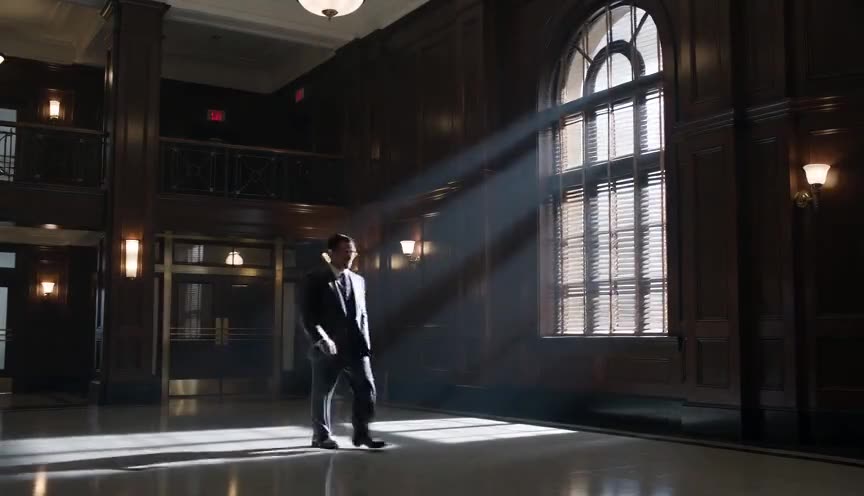
Hard light comes from a small or distant source and produces crisp, defined shadow edges and strong contrast. Soft light comes from a large or diffused source and produces gradual, low-contrast shadows that flatter skin.
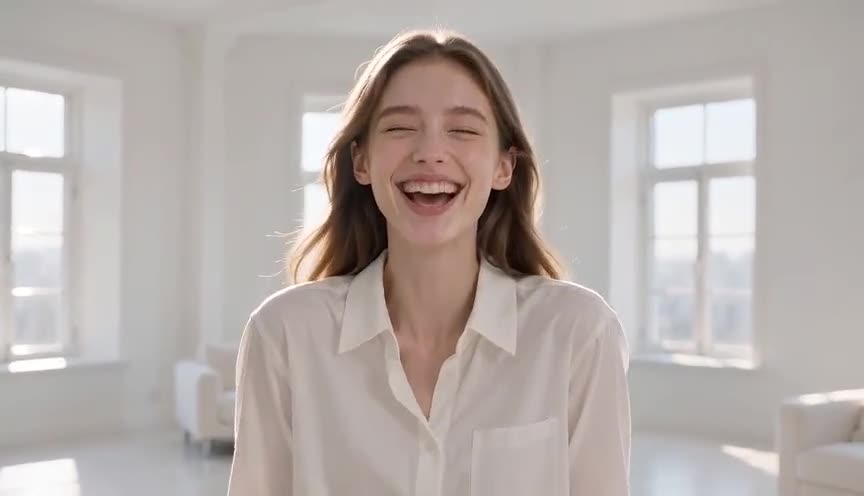
High-key lighting describes an overall bright, low-contrast scene built with multiple fill sources, while soft light describes the quality of a single source's edge transfer. A scene can be soft-lit and still low-key if the source is soft but underexposed.
In film
Days of Heaven (1978)
Cinematographer Nestor Almendros favored overcast sky and diffused daylight, giving the wheat field scenes their soft, wraparound quality.
Portrait of a Lady on Fire (2019)
Uses soft, even natural light through windows and overcast coastal days to keep faces gentle and painterly throughout the film.
The prompt
Describe the light source's size and distance, not just the word soft. Phrases like overcast sky, thick cloud diffusion, open shade, bounced white light, or gentle wraparound light give the model something physical to render. Avoid words that imply hard shadows or point sources, like harsh sun, spotlight, or dramatic rim light, since they will fight the effect. Mention low contrast and gradual shadow edges explicitly if the scene includes a visible shadow line.
The exact prompt that rendered the video on this page. Keep the description of the move, change the subject and the setting.
Soft light on a vast white salt flat under a thick overcast sky: the camera holds a static medium shot of a woman in a linen jacket standing on the cracked salt surface, her face and clothing lit evenly with almost no visible shadow, contrast so low that the horizon line nearly disappears into the pale sky. The overcast cloud layer acts as a giant diffuser, wrapping light around her jaw and shoulders with a gentle gradient, no hard edges anywhere in the frame, and the light quality stays constant as she slowly turns her head from profile to camera. No text.
Common mistakes
Confusing soft with dim
Soft light describes shadow quality, not exposure level. A soft source can be bright and evenly wrapped while still being exposed at full stop, so do not underlight to fake the look.
Source too far or too small
Moving diffusion far from the subject, or using a small panel, shrinks its apparent size and reintroduces hard, defined shadow edges even through a diffuser.
Losing all modeling
Overusing pure frontal soft fill removes every shadow, flattening facial structure into a shapeless mask. Keep some direction so the face still has form.
Frequently asked questions
What is soft light?
Soft light is illumination with a gradual shadow falloff and low contrast, coming from a light source that is large relative to the subject or heavily diffused. It smooths skin and softens shadow edges instead of cutting them sharply.
What's the difference between soft light and hard light?
It comes down to the apparent size of the source. A small or distant light creates hard, crisp shadow edges, while a large or close, diffused light creates soft, gradual shadow transitions and lower contrast.
How do I get soft light outdoors without extra gear?
Shoot under overcast sky, move into open shade, or bounce sunlight off a light-colored wall or board. All three turn the sky or a surface into one large diffused source that wraps evenly around the subject.
Can AI video models generate soft light convincingly?
Yes, if you describe the physical cause, like overcast sky, diffusion, or open shade, rather than just typing the word soft. Tools like Imaginode respond better to concrete light sources than to abstract mood words.