High-key lighting
Also calledflat lighting, low-contrast lighting, bright lighting
High-key lighting is a lighting style that keeps the ratio between key and fill light low, so shadows stay soft and the overall exposure sits bright across the frame. It reads to the viewer as cheerful, safe, or clinical, depending on where and how it is used.
What it tells
Directors reach for high-key lighting when they want the audience to feel comfortable, not watchful. Comedies, sitcoms, romances, and commercials use it to keep attention on dialogue and performance instead of atmosphere, since there is nothing lurking in the shadows to read. It can also turn sinister by contrast: a too-perfect, shadowless world (a hospital, a game show, a simulated town) starts to feel artificial or controlled precisely because nothing is allowed to look uncertain.
How it is shot
The gaffer brings the fill light close in intensity to the key light, aiming for a ratio of about 2:1 or lower, so shadow density stays shallow. Sources are large and diffused (softboxes, bounced bounce boards, big diffusion frames or overcast daylight through windows) rather than small and hard, which softens shadow edges further. Backgrounds are lit almost as brightly as the subject so nothing recedes into darkness, and negative fill (black flags used to deepen shadows) is avoided. Exposure sits on the bright side of the histogram, close to overexposed but with detail preserved in the highlights, and skin tones stay even without dark falloff on one side of the face.
When to use it
- Shooting comedy, sitcom, or romance scenes where you want warmth and ease, not tension.
- Filming product, beauty, or lifestyle content where texture and mood should stay secondary to clarity.
- Building a sterile or artificial world (hospital, lab, game show, simulated reality) through shadowless perfection.
- Contrasting a safe daylight world against a later low-key or noir sequence to sharpen the shift in tone.
Not to be confused with
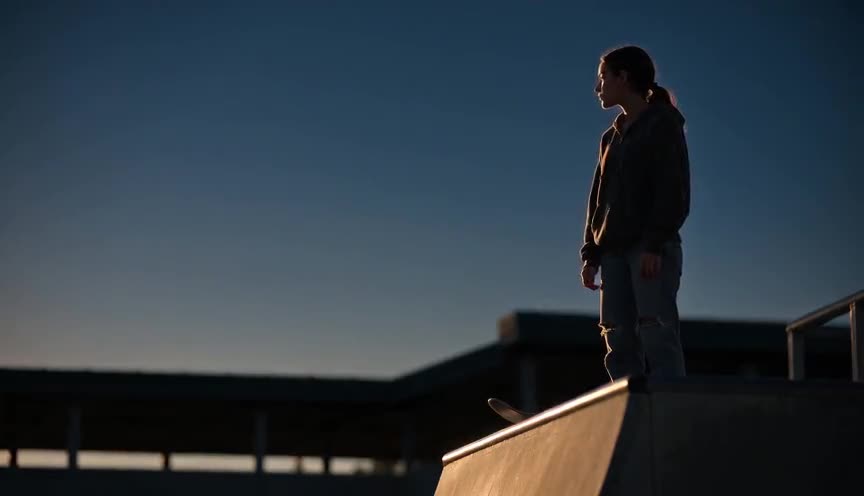
Low-key lighting uses a high key-to-fill ratio and deep shadows to build tension or mystery, the opposite intent of high-key, which flattens contrast to feel open and safe.
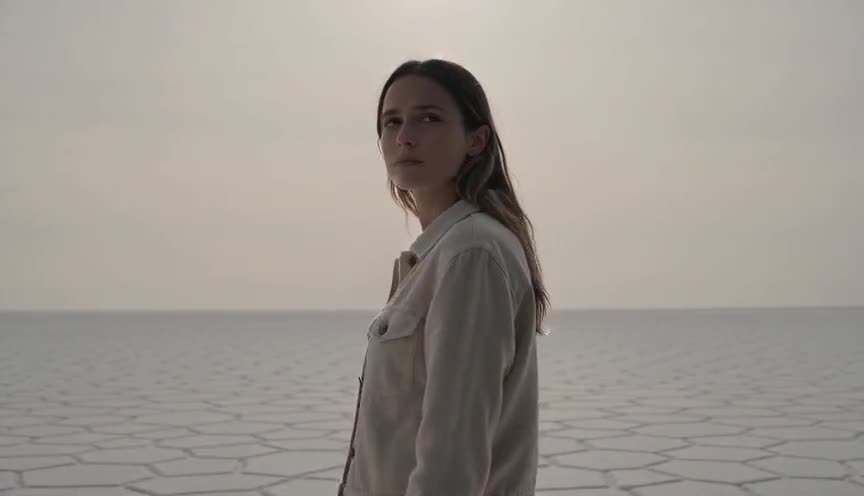
Soft light describes the quality of a single source (diffused, gentle falloff), while high-key describes the overall lighting ratio of a scene; high-key scenes almost always use soft light, but soft light alone does not guarantee a high-key look.
In film
The Truman Show (1998)
Truman's town is bathed in even, shadowless high-key light to reinforce its artificial, studio-controlled perfection.
Singin' in the Rain (1952)
The musical numbers use bright, even high-key lighting that keeps faces, costumes, and sets cheerful, legible, and glamorous.
THX 1138 (1971)
The white detention spaces are lit with bright, low-contrast high-key light, making the environment feel sterile, infinite, and dehumanizing.
The prompt
Name the ratio and the shadows directly: say the fill is nearly as strong as the key, shadows are soft and shallow, and the background is as bright as the subject. Use words like diffused, even, bright, low-contrast, and airy. Avoid words that pull toward drama, like moody, chiaroscuro, dramatic shadows, or single hard source, since those push the model toward low-key results instead.
The exact prompt that rendered the video on this page. Keep the description of the move, change the subject and the setting.
High-key lighting. A young woman in a white shirt laughs in a bright white room with white walls, white furniture and big windows. The whole image is bright, soft and almost shadowless, faces and background glowing in pale tones, clean and airy like a skincare commercial. Slow gentle push in. No text.
Common mistakes
Flattening away all depth
Pushing the fill too close to the key can erase every shadow cue that gives the frame dimension, leaving faces and objects looking pasted onto the background.
Blowing out highlights
Chasing brightness without watching exposure clips whites and skin tones, losing detail instead of the intended soft, even, shadowless look.
Confusing high-key with plain overexposure
High-key is about a low lighting ratio and soft shadows, not simply cranking exposure; an overexposed but harshly lit shot still reads as flat and unpleasant, not high-key.
Frequently asked questions
What is high-key lighting?
High-key lighting is a lighting approach that keeps the key and fill light close in intensity, producing soft shadows and a bright, even exposure across the frame. It is the standard look for comedies, sitcoms, and commercials.
Why does high-key lighting feel happy or safe?
Because shadows are minimal, there is nothing visually hidden or threatening in the frame. The absence of dark, uncertain areas signals to the viewer, often unconsciously, that the space and the story are not dangerous.
What is the difference between high-key and low-key lighting?
High-key uses a low ratio between key and fill light for soft shadows and a bright overall look. Low-key uses a high ratio, with a much dimmer fill, so shadows stay deep and dramatic. They sit at opposite ends of the same lighting scale.
Can AI video tools generate high-key lighting reliably?
Yes, if the prompt names the ratio and shadow quality directly, describing soft, even, bright light with minimal shadow rather than just saying bright. Imaginode's models respond well to explicit lighting language like this.