29 techniques
Optical effects: in-camera tricks and lens artifacts
Optical and in-camera effects add texture, depth cues, or meaning directly through how the lens and camera physically behave, rather than through editing. Lens flare and halation suggest light hitting glass, shallow depth of field isolates a subject from a blurred background, and a rack focus shifts attention from one plane to another within a single continuous shot. These effects feel organic because they mimic real optical behavior.
Choose an effect based on the physical truth you want to suggest, not just decoration. Use shallow depth of field to isolate emotion, deep focus when every plane of the frame matters equally, forced perspective or split diopter when two distant elements both need to stay sharp. In AI prompts, name the specific optical behavior, since these terms carry precise, learnable visual rules.

Lens flare
Lens flare is the scattering and reflecting of light inside a camera lens when a bright source strikes the glass, producing streaks, halos, or hazy bright patches across the image. It reads to the viewer as raw, real light hitting the camera, adding warmth, glare, or a sense of unfiltered presence.

Anamorphic flare
Anamorphic flare is the horizontal blue streak that shoots across the frame when a bright light hits an anamorphic lens, along with oval-shaped bokeh in the out-of-focus areas. It gives footage an immediate sense of scale and a specific glassy, widescreen texture that round spherical lenses do not produce.
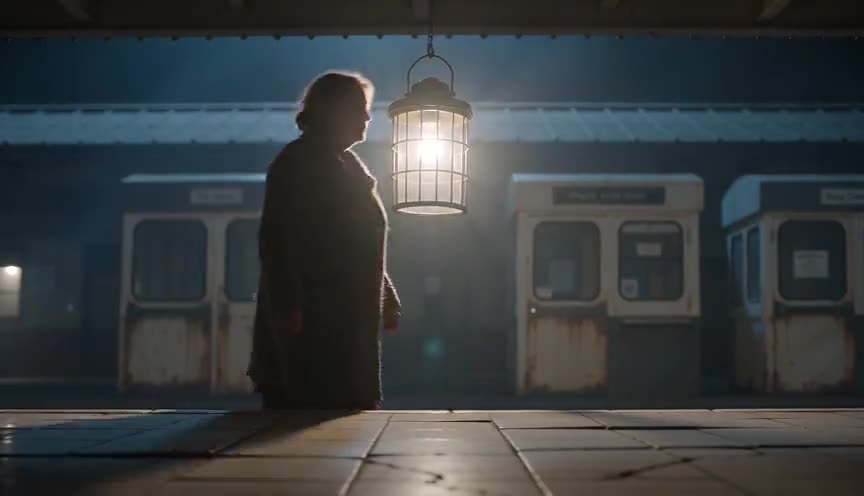
Halation
Halation is the soft red-orange glow that blooms outward from bright highlights, caused by light bouncing off the back of the film base and re-exposing the emulsion around the source. It softens hard practicals and neon into a warm, slightly hazy bleed that reads as analog and a little dreamlike.
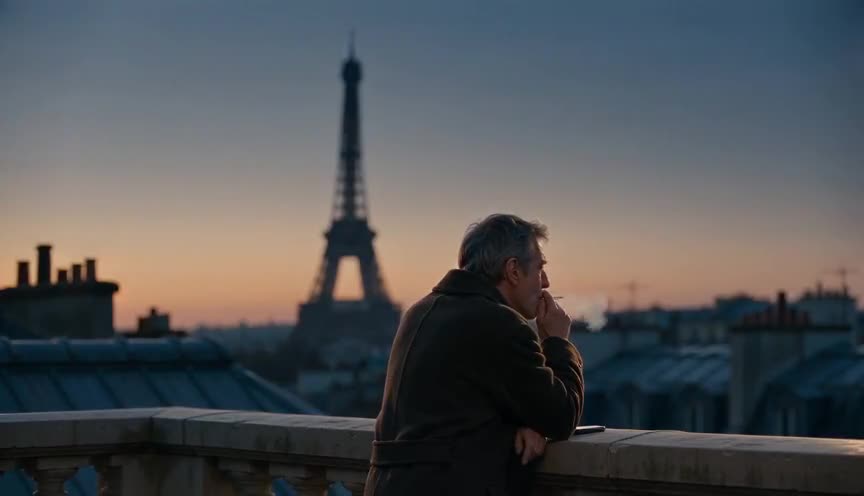
Film grain
Film grain is the visible texture created by silver halide crystals developing unevenly on film stock, or its digital simulation, producing tiny random fluctuations of brightness and color across every frame. It breaks up the flatness of a clean image and reads to the eye as organic, tactile and photochemical rather than synthetic.

Bokeh
Bokeh is the aesthetic quality of the blur a lens produces in the parts of an image that fall outside the plane of focus, especially the shape and softness of out-of-focus points of light. It pulls the eye toward the sharp subject and turns everything else into soft fields of color and glowing round shapes instead of distracting detail.
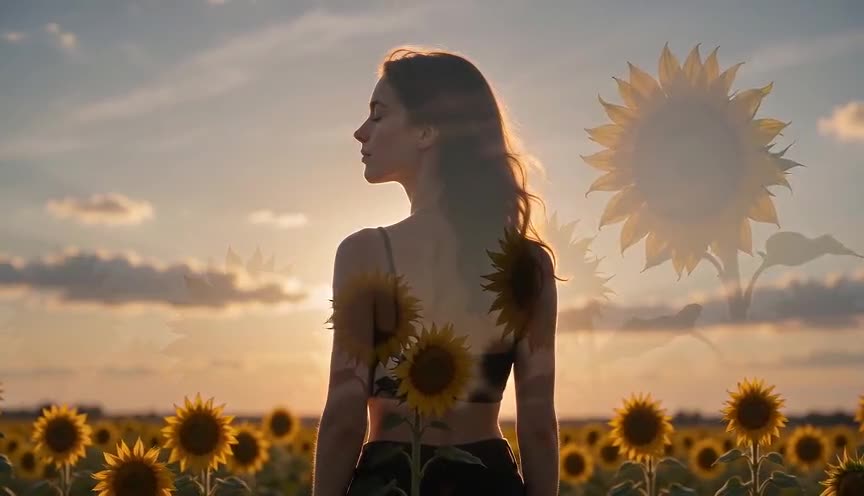
Double exposure
Double exposure is a technique that layers two separate images into a single frame so both remain visible at once, usually blended through transparency or a light-based overlay. It lets the viewer hold two realities, two times, or two emotional states in mind at the same moment.

Rack focus
Rack focus is an in-camera technique where the lens focus shifts from one subject to another within a single continuous shot, without cutting or moving the camera. It redirects the viewer's attention and reveals a new piece of information or emotion at the exact moment the focus lands.

Shallow depth of field
Shallow depth of field is a focus technique that keeps the subject sharp while the foreground and background blur into soft shapes and light. It isolates what the viewer should look at and separates a person or object from a busy or distracting setting.
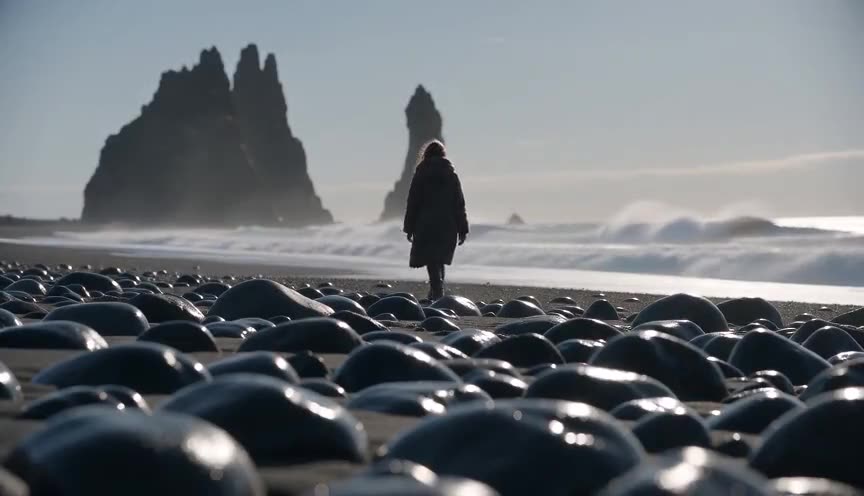
Deep focus
Deep focus is a cinematographic technique that keeps foreground, midground and background all in sharp focus at the same time. It lets the viewer scan the whole frame and decide where to look, instead of being pointed there by a focus pull.
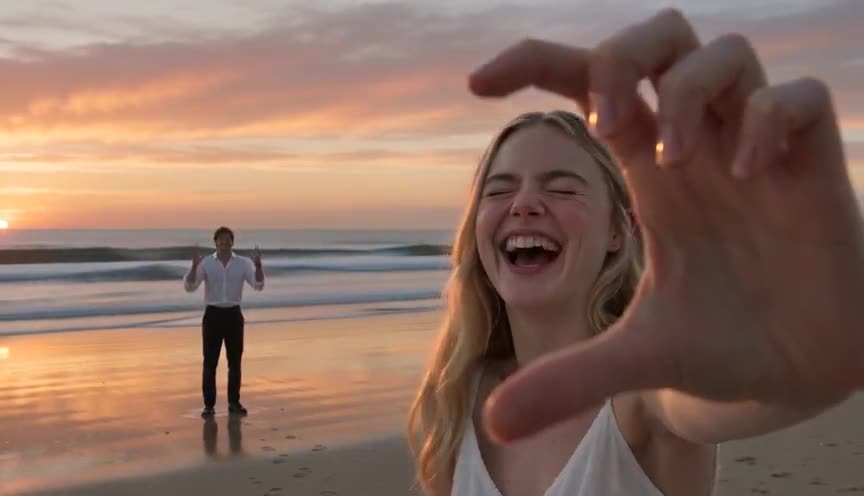
Forced perspective
Forced perspective is an in-camera illusion that places subjects at carefully chosen distances from the lens so a smaller or farther object appears the same size as, larger than, or smaller than a closer one. It lets a single shot fake dramatic scale differences without any digital compositing.
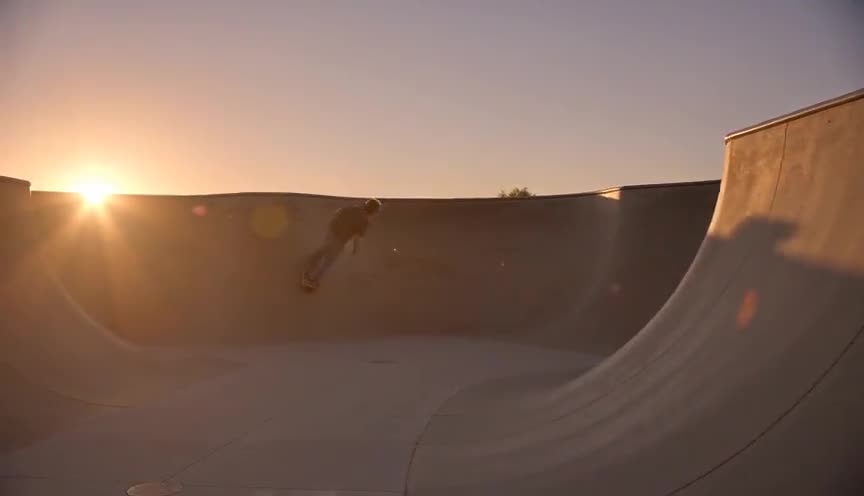
Light leak
A light leak is a bloom or streak of stray light that bleeds into the frame, usually along an edge, as if sunlight had slipped past a loose seal in a film camera. It softens the image and adds a warm, nostalgic imperfection that feels like a home movie or a found roll of film.

Vignette
A vignette is a darkening, or occasionally a lightening, of the corners and edges of the frame that leaves the center brighter and sharper. It draws the viewer's eye inward toward the subject and can add intimacy, nostalgia, or a sense of unease.
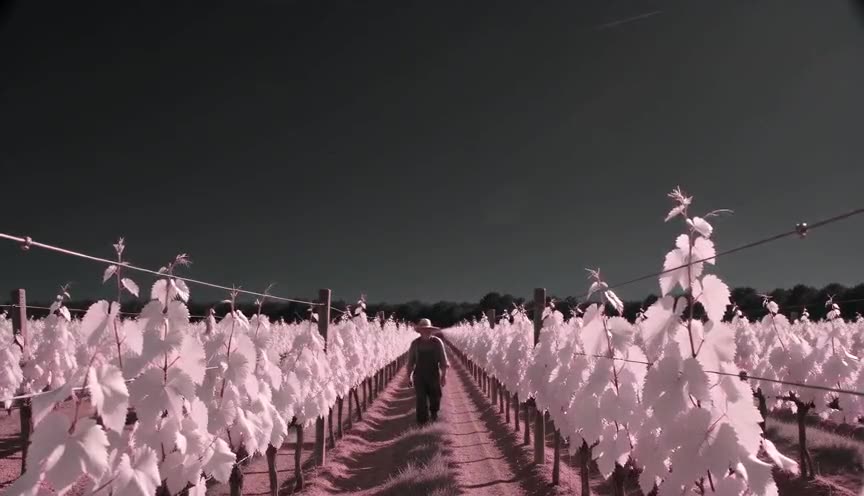
Infrared film look
The infrared film look is an image made by recording near-infrared light instead of, or alongside, visible light, which makes chlorophyll-rich foliage glow white or pink and skies go dark. It gives the viewer a quietly wrong, dreamlike version of a familiar landscape, as if the world were seen through different eyes.
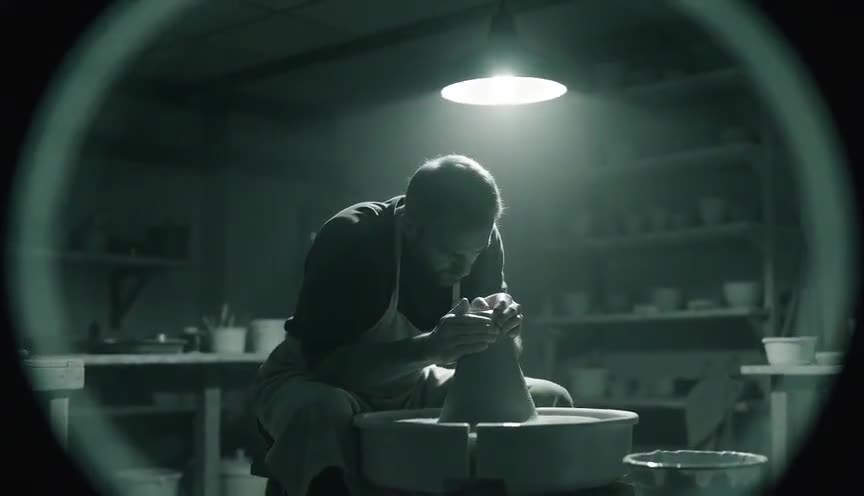
Night vision
Night vision is a camera effect that renders a scene in high-contrast green or grayscale monochrome with heavy grain, imitating the light-amplification tubes used in low-light surveillance and military optics. It tells the viewer they are watching through a device, not with the naked eye, which usually implies secrecy, danger or covert observation.
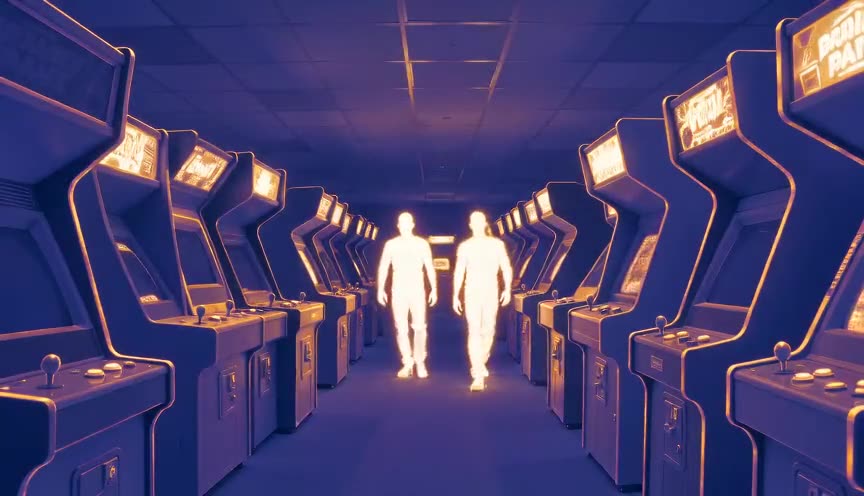
Thermal vision
Thermal vision is an in-camera or digital effect that renders a scene as a false-color heat map, showing temperature differences instead of visible light. It turns living bodies into glowing shapes and strips away texture, detail and identity, which makes the viewer read the scene as surveillance, danger or predatory point of view.
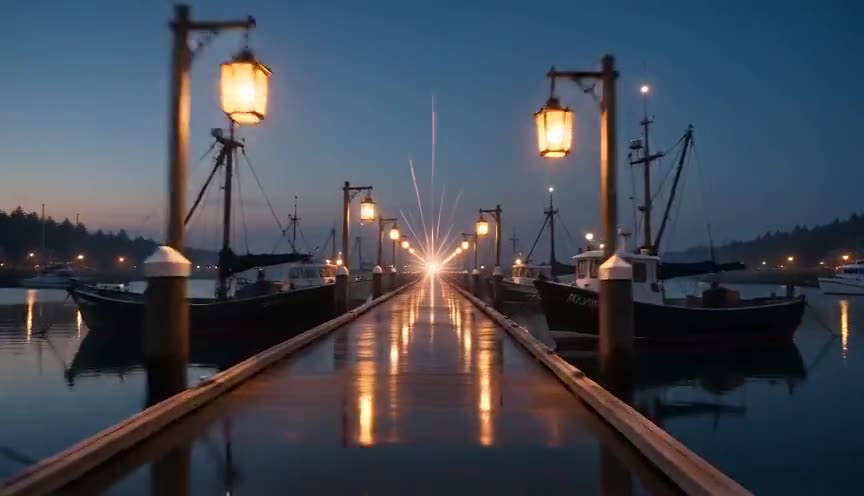
Slit-scan
Slit-scan is an in-camera optical technique in which a moving artwork or light source is photographed one frame at a time through a narrow slit, stretching each exposure into long directional streaks. It gives the viewer a sensation of hurtling through space, time, or consciousness, as solid shapes dissolve into rushing lines of color.
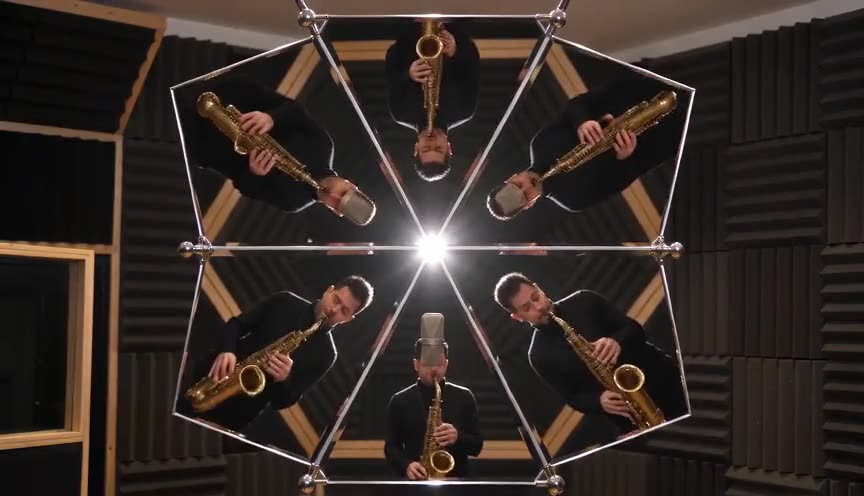
Kaleidoscope effect
The kaleidoscope effect splits the frame into repeating, mirrored segments that rotate around a central point, turning a normal scene into a symmetrical mosaic. It disorients the viewer's sense of a single stable image and pulls attention toward pattern, rhythm and abstraction instead of narrative space.

Morphing
Morphing is a visual effect that warps and blends one image, face or object into another across a sequence of frames, so the change reads as continuous transformation rather than a cut. It makes the viewer accept an impossible metamorphosis as something that physically happened in front of the camera.

Cinemagraph
A cinemagraph is a still photograph in which one small, repeating motion (rippling water, drifting smoke, a flickering flame) loops seamlessly while everything else in the frame stays perfectly frozen. It creates a hypnotic pause between a photo and a video, holding the viewer's eye on the one thing that refuses to stop moving.

Duplication
Duplication is an in-camera or compositing technique that places the same subject, filmed at different times, into two or more positions within a single frame. It lets one performer appear to interact with themselves, creating twins, clones or multiple versions of the same person sharing the same space.
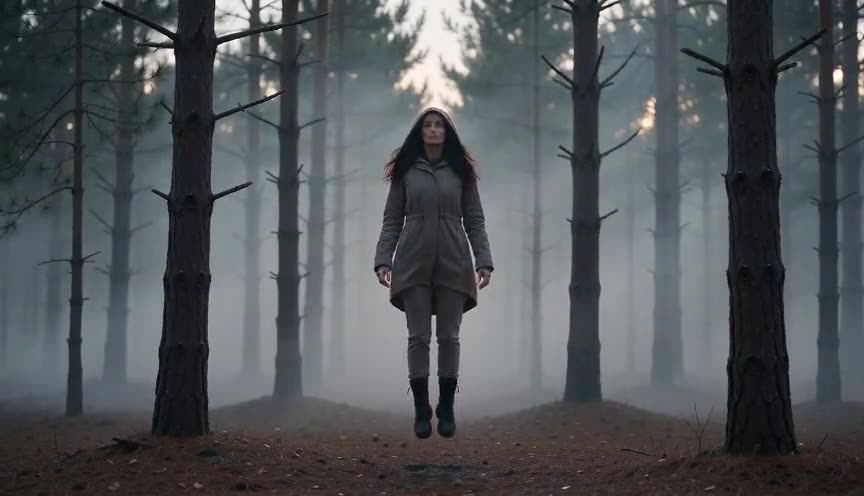
Levitation
Levitation is a visual effects technique that makes a person or object appear to float or hover with no visible support, achieved through wire rigs, hidden platforms, forced perspective or digital removal. It suspends the normal rules of gravity on screen, pulling the viewer into wonder, dread or magic.
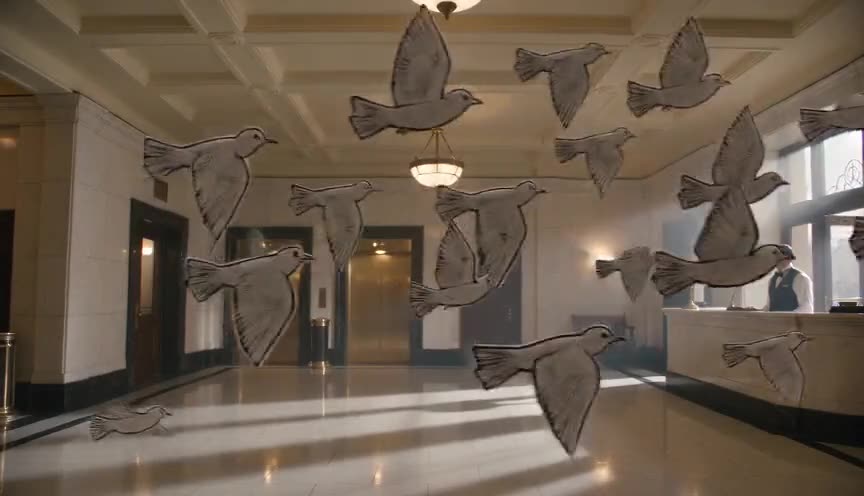
Mixed media
Mixed media is a technique that combines two or more distinct visual formats, such as live-action footage, hand-drawn animation, stop-motion, collage or archival film, within the same frame or sequence. It breaks the illusion of a single unified reality and tells the viewer they are watching something constructed rather than simply recorded.
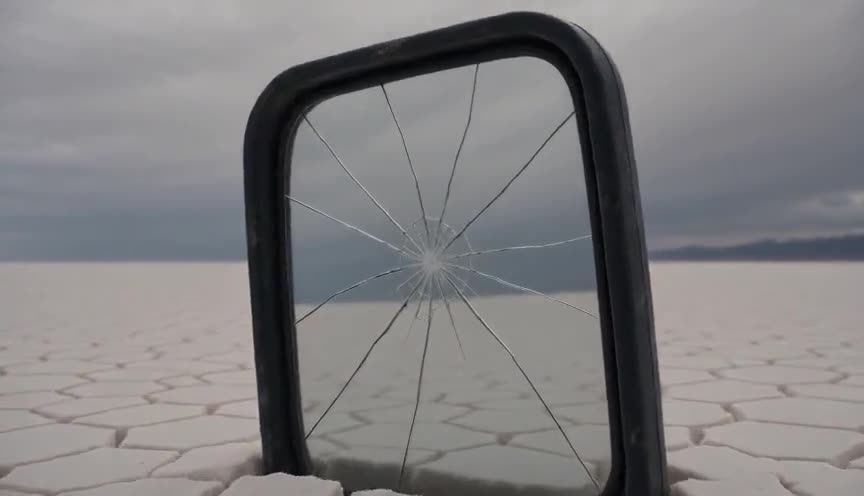
Object portal
Object portal is a technique where the camera pushes into a physical object, a mirror, a window, a doorway, until it fills the frame, and the surface resolves into an entirely different time or place. It disguises a scene change as one continuous move, so the viewer feels transported rather than cut away.

Aspect ratio switch
An aspect ratio switch is a change in the width-to-height shape of the frame during a single film or scene, moving for example from a wide 2.39:1 image to a boxier 4:3 or square 1:1 frame. It resets the viewer's sense of space and time, signaling a shift into memory, a different era, or a different emotional register without a line of dialogue.
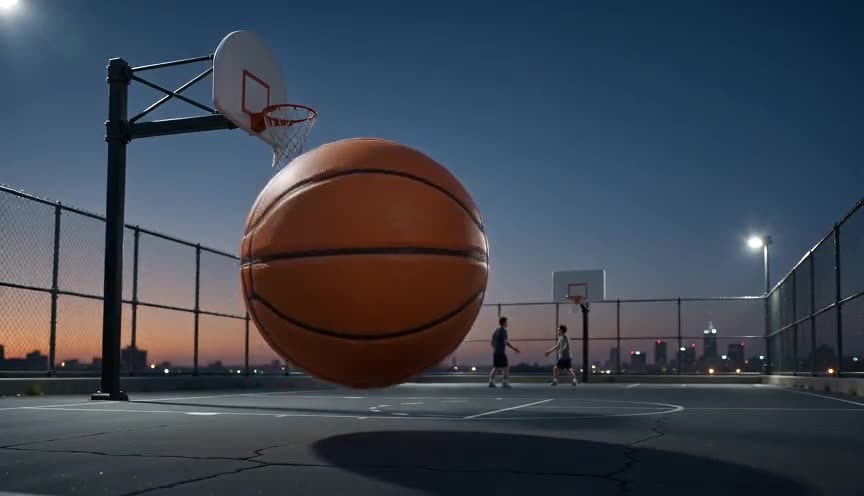
Scale shift
Scale shift is an in-camera or visual effects technique in which a subject or object appears to grow or shrink relative to its surroundings within a single continuous shot. It breaks the viewer's normal sense of physical size, making a familiar space feel suddenly vast, cramped, threatening or comic.
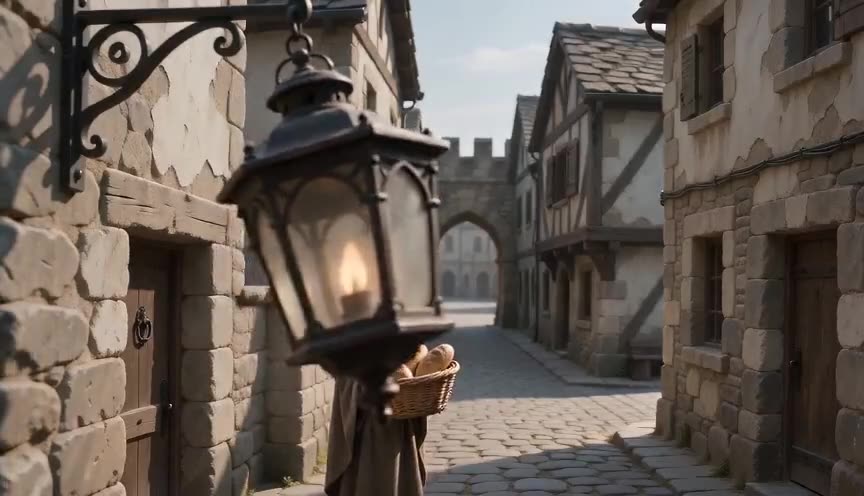
Wigglegram
A wigglegram is a short looping animation built from a handful of still photographs taken from slightly different horizontal viewpoints at the same moment, then played forward and backward so the parallax between near and far objects creates an illusion of three-dimensional depth. It gives the viewer a stuttering, toy-like sense of depth without 3D glasses, as if a single photograph had been gently rocked side to side.
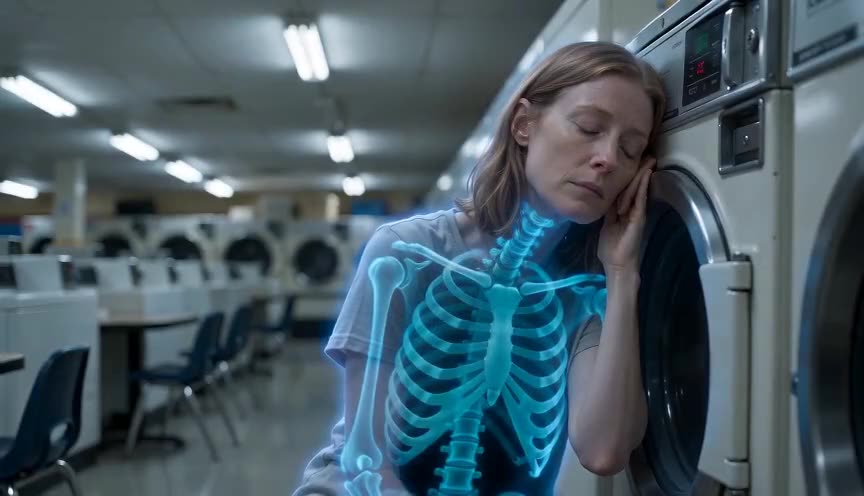
X-ray effect
The X-ray effect is an in-camera or compositing technique that makes skin, clothing or a solid object appear transparent, revealing the skeleton, organs or inner mechanism underneath. It turns a familiar surface into a diagnostic image, pulling the viewer past what the eye normally sees.
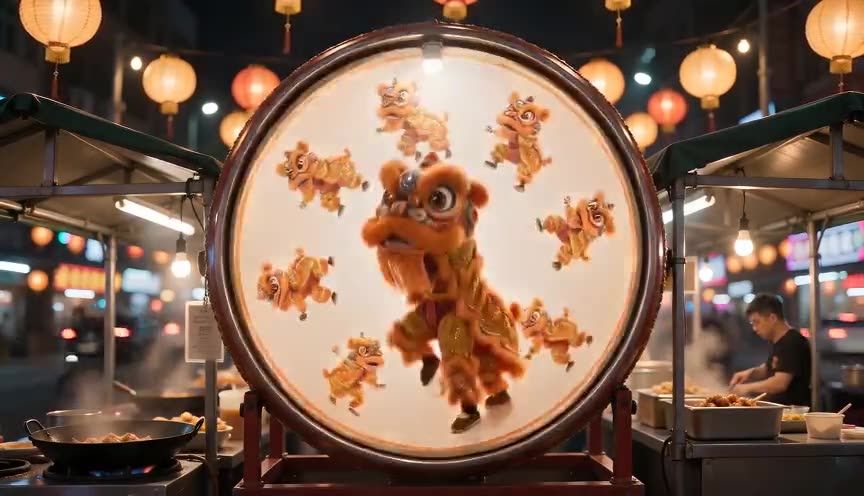
Zoetrope
A zoetrope is an optical device, and by extension a filming technique, that turns a ring of sequential static poses into the illusion of one continuous moving figure, using narrow slits or a synchronized strobe to reveal each pose for a split second. The eye's persistence of vision fuses the flashes together, giving the viewer a hypnotic, mechanical sense of motion that feels handmade rather than filmed.
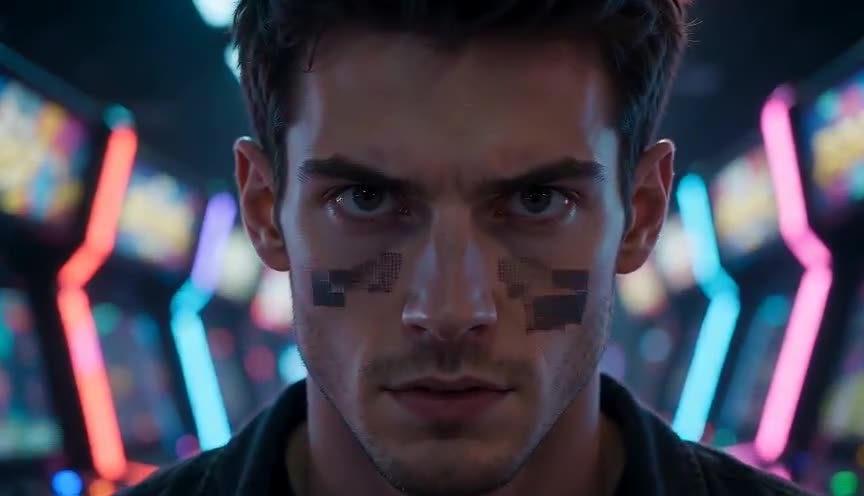
Glitch effect
A glitch effect is a deliberate corruption of the image, such as scan line tearing, color channel splitting, block noise or frame stutter, that mimics a broken signal or failed data transmission. It reads to the viewer as a malfunction, a supernatural intrusion or a break in the reality of the scene.
Frequently asked questions
What is the difference between shallow depth of field and deep focus?
Shallow depth of field keeps only a narrow plane sharp, blurring the background to isolate a subject. Deep focus keeps foreground, midground, and background all sharp at once, letting the audience read multiple planes of action simultaneously.
What does a rack focus do inside a shot?
A rack focus shifts sharp focus from one subject or plane to another during a single continuous shot, directing the viewer's attention without a cut. It is often used to reveal something previously hidden in soft focus.
Are optical effects like lens flare hard to control in AI video?
Optical effects generate more reliably when named specifically, such as anamorphic flare or halation, rather than described vaguely. Effects tied to a lens or film stock behavior tend to render more consistently than purely digital-sounding descriptions.