Object portal
Also calledPortal transition, Object transition, Push-through reveal
Object portal is a technique where the camera pushes into a physical object, a mirror, a window, a doorway, until it fills the frame, and the surface resolves into an entirely different time or place. It disguises a scene change as one continuous move, so the viewer feels transported rather than cut away.
What it tells
Directors reach for the object portal when they want to connect two worlds without breaking the spell of continuous motion. It suggests that the two spaces are linked emotionally or causally, a memory bleeding into the present, a mirror hiding another self, a door opening onto a different reality. Because the audience never sees the seam, the transition feels magical or inevitable rather than edited, which is exactly the point.
How it is shot
Shoot two plates. Plate one pushes toward the chosen object (mirror, glass, keyhole, screen) on a dolly, slider or gimbal at a steady, unhurried speed, usually 2 to 4 seconds, with focus locked on the surface as it fills the frame edge to edge. Plate two starts from black or from a matching reflection and pushes out into the new scene at the same speed and framing. Match color temperature, lens focal length and camera height between the two plates so the cut, hidden at the moment the object fills frame, reads as one unbroken move. A macro or standard lens (35mm to 50mm) with a tight aperture keeps the object surface sharp during the approach.
When to use it
- Transitioning between two time periods without an obvious edit, like past and present
- Revealing a character's inner world or memory through a mirror, window or screen
- Opening or closing a sequence with a sense of stepping into another reality
- Linking two locations that share a visual or thematic rhyme, disguised as one camera move
Not to be confused with
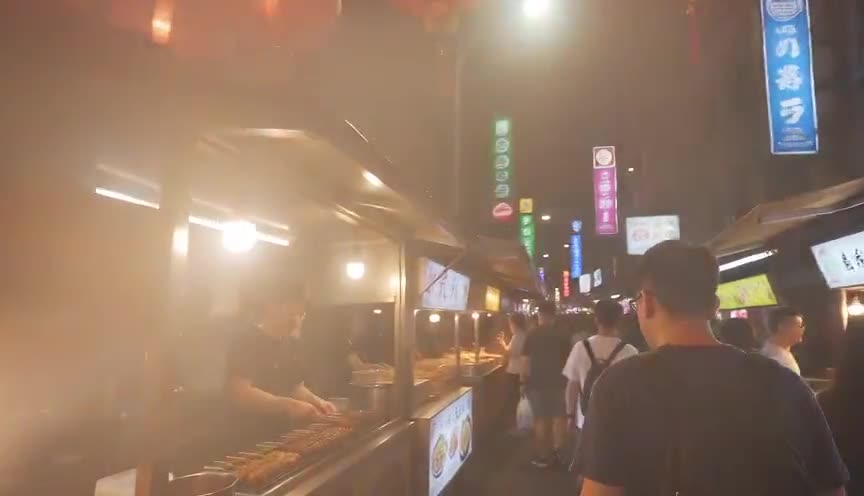
Pass-through moves the camera through a physical gap or surface into the next space of the same continuous world. Object portal specifically swaps that space for a different time, place or reality, using the object as a disguised cut.
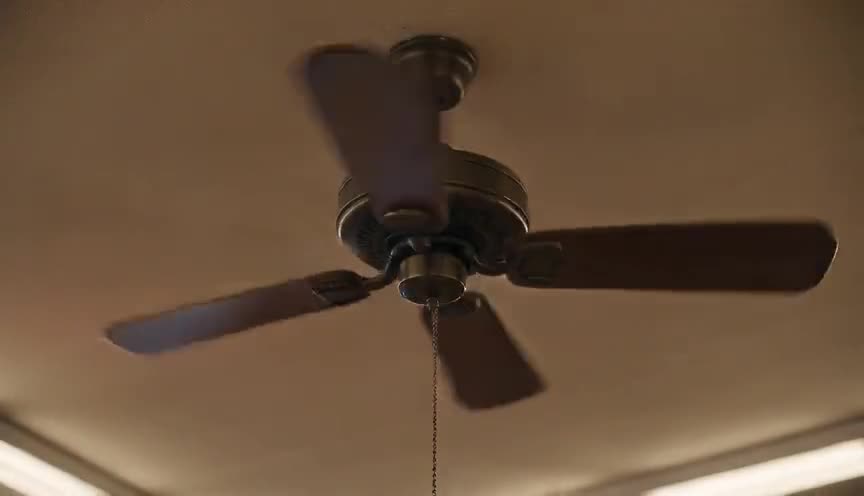
A match cut joins two shots on similar shape or motion across a visible edit. Object portal hides that same idea inside one apparent camera move, so the join is felt as continuous rather than seen as a cut.
In film
The Wizard of Oz (1939)
The camera follows Dorothy through a farmhouse door, and the frame shifts from sepia to Technicolor as if the doorway itself were the portal.
Citizen Kane (1941)
The opening moves past the El Rancho sign and through a rain streaked skylight, making an impossible push from exterior miniature into Susan Alexander's nightclub.
Trainspotting (1996)
Renton dives into the filthy toilet, and the camera follows him through the bowl into a surreal underwater space before returning with the suppositories.
The prompt
Name the object explicitly (mirror, window, cracked glass, doorway) and describe the push as one steady, continuous camera move, not a cut. Specify what the surface shows before and what it resolves into after, and note that the transition happens at the exact moment the object fills the frame. Avoid vague words like magical; instead describe the physical mechanics, focus holding on the surface, reflection warping, then a new scene emerging in its place.
The exact prompt that rendered the video on this page. Keep the description of the move, change the subject and the setting.
Object portal: a slow dolly push toward a cracked rearview mirror half buried in the white cracked crust of a salt flat under a flat overcast sky. The camera glides forward at a steady, unhurried pace, the mirror's silver surface expanding until it fills the entire frame, its reflection rippling as focus holds tight on the glass. At the exact instant the mirror's edges vanish from frame, the reflected image resolves into a wide view of the same salt flat at golden hour, the camera continuing its forward glide without any visible cut. No text.
Common mistakes
Mismatched push speed
If the camera accelerates into the object and decelerates on the reveal, or vice versa, the audience feels the seam even without seeing it, breaking the illusion of one move.
Lighting or color mismatch
When the reflection or the space beyond the object has a different color temperature or exposure than the surrounding shot, the transition reads as an edit rather than a continuous world.
Losing focus at the swap point
If the object surface goes soft right as the frame transitions, viewers notice the trick instead of feeling the transport. Keep focus locked and sharp through the entire push.
Frequently asked questions
What is an object portal in filmmaking?
It is a technique where the camera pushes into an object like a mirror or doorway until it fills the frame, and the surface transforms into a different scene, making a scene change feel like one continuous camera move.
How is object portal different from a pass-through shot?
A pass-through moves the camera through a physical gap into the next space of the same world. An object portal specifically swaps that space for a different time or reality, using the object as a hidden transition point.
Do I need visual effects software to pull this off?
Traditionally yes, it is shot as two plates matched in speed, light and framing and joined in post. With AI video tools you can describe the entire move as one prompt and let the model render the transition within a single clip.
How long should the push into the object last?
Most object portals run 2 to 4 seconds for the approach, long enough for the audience to register the object but short enough that the push does not feel like a separate shot before the reveal.